Cold War Legacy: Where are the RAF’s surviving Vulcan bombers located?

February 19, 2026
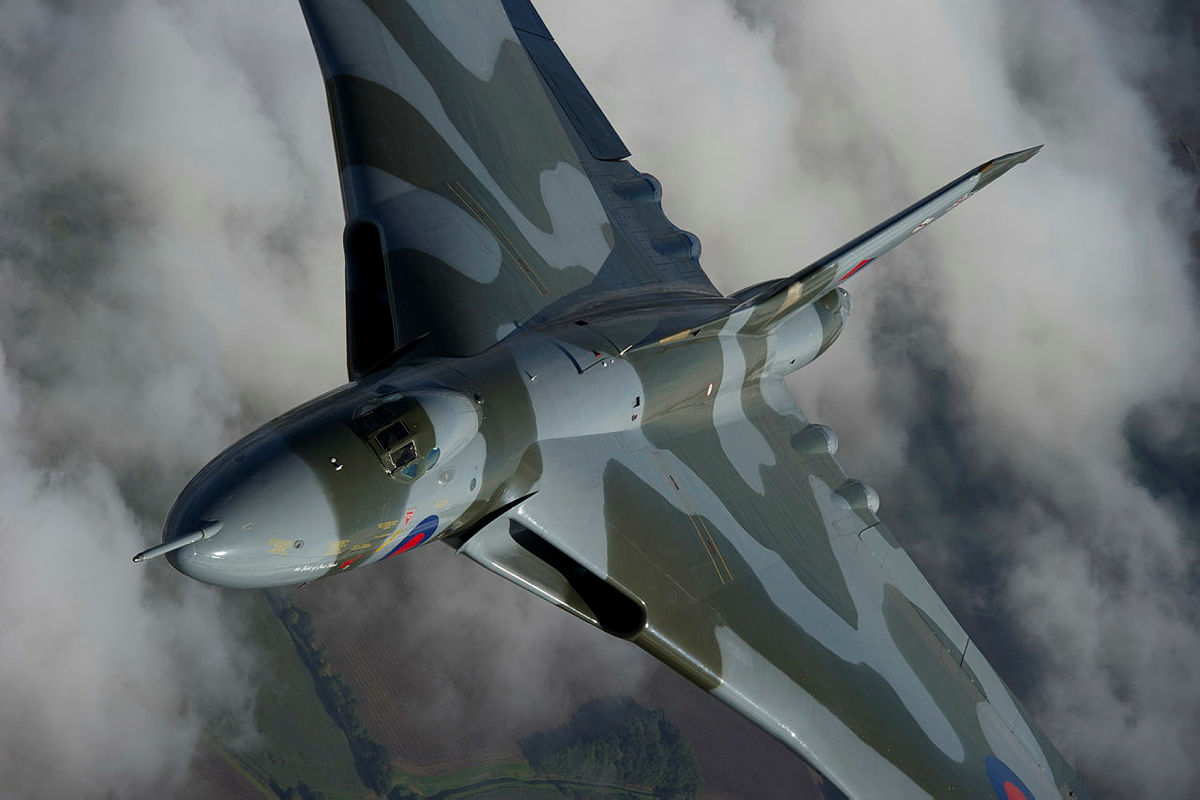
A vital component of the UK’s Cold War-era nuclear deterrent, the unmistakable silhouette of the iconic Avro Vulcan quickly became a symbol of British airpower, precision and engineering brilliance when it entered operational service with the Royal Air Force (RAF) in the late 1950s.
At 105ft (32m) long with a wingspan of 111ft (38.8m), this majestic, delta-winged behemoth and the thunderous howl of its four Bristol Olympus twin-spool axial-flow turbojet engines were both feared and revered as it flew high above the tensions of a divided world – echoes of which are again being felt today.
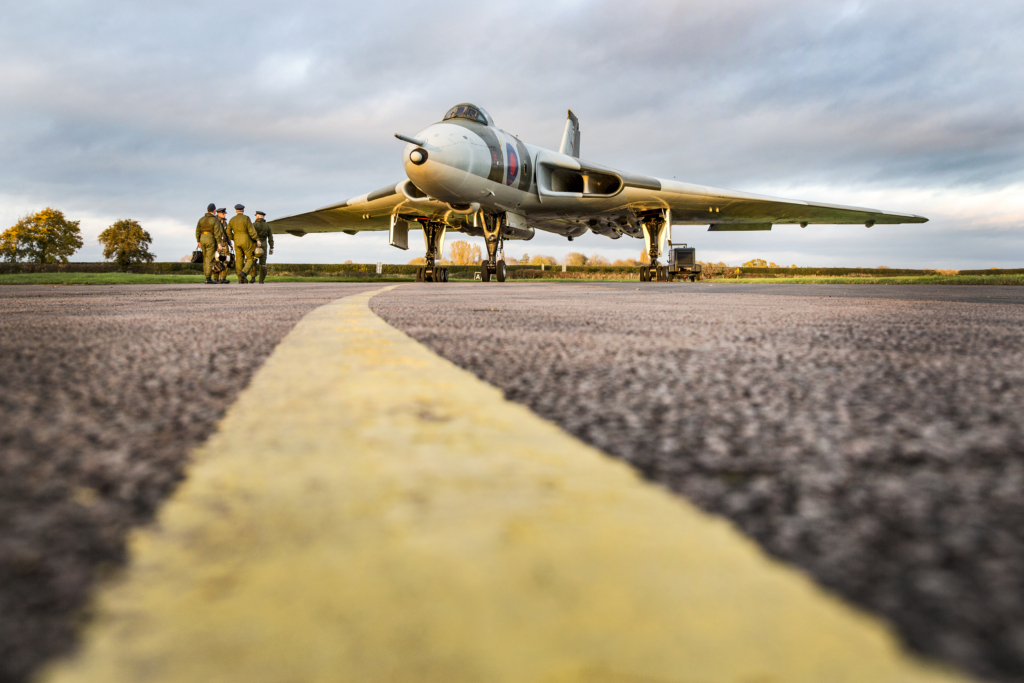
Renowned for its power, agility and design, the Vulcan was the spearhead of the RAF’s venerable V-Bomber force, serving alongside the Handley Page Victor and Vickers Valiant to project nuclear-capable airpower during the height of the Cold War.
While the Valiant and Victor both played a key role in maintaining the UK’s airborne nuclear deterrent during the 1950s and 1960s, neither of these strategic bombers are held in the same regard as the Vulcan in both British military history and across generations of aviation circles.
We take a closer look at where the surviving Vulcan B2 bombers are located, offering a glimpse into the legacy of this remarkable feat of British aerospace engineering and highlighting the variety of air museum’s that work to keep the history of this iconic Cold War-era bomber alive.
Where are the RAF’s remaining Vulcan bombers located?
While much of the UK’s venerable V-Bomber force met its end on a scrapheap – with just five complete examples of the Victor (4) and Valiant (1) being preserved at various museums across the UK – the number of surviving Vulcan B2s is luckily far higher.
There are no surviving Vulcan B1s or B1As, but 21 Vulcan B2s are preserved today across the UK, Canada and the US, including three that remain taxiable. Here’s where they are today:
| Serial | Location | Country | Current Status |
|---|---|---|---|
| XH558 | Doncaster Sheffield Airport | United Kingdom | Preserved, taxiable |
| XJ823 | Solway Aviation Museum, Cumbria | United Kingdom | External display |
| XJ824 | Imperial War Museum Duxford | United Kingdom | Indoor display |
| XL318 | RAF Museum Hendon | United Kingdom | Indoor display |
| XL319 | North East Land, Sea and Air Museum | United Kingdom | External display |
| XL360 | Midland Air Museum, Coventry | United Kingdom | External display |
| XL361 | CFB Goose Bay | Canada | External display |
| XL426 | London Southend Airport | United Kingdom | Preserved, taxiable |
| XL443 | South Wales Aviation Museum, St Athan | United Kingdom | External display |
| XM573 | Strategic Air Command & Aerospace Museum, Nebraska | United States | Under restoration |
| XM575 | East Midlands Aeropark | United Kingdom | External display |
| XM594 | Newark Air Museum | United Kingdom | External display |
| XM597 | National Museum of Flight, Scotland | United Kingdom | External display |
| XM598 | RAF Museum Cosford | United Kingdom | Indoor display |
| XM602 | RAF Akrotiri | Cyprus | Gate guardian |
| XM603 | Avro Heritage Museum, Cheshire | United Kingdom | External display |
| XM605 | Castle Air Museum, California | United States | External display |
| XM606 | Barksdale Global Power Museum, Louisiana | United States | External display |
| XM607 | RAF Waddington (Gate guardian) | United Kingdom | External display |
| XM612 | City of Norwich Aviation Museum | United Kingdom | External display |
| XM655 | Wellesbourne Mountford Aerodrome | United Kingdom | Preserved, taxiable |
Where the Avro Vulcans are today – in detail
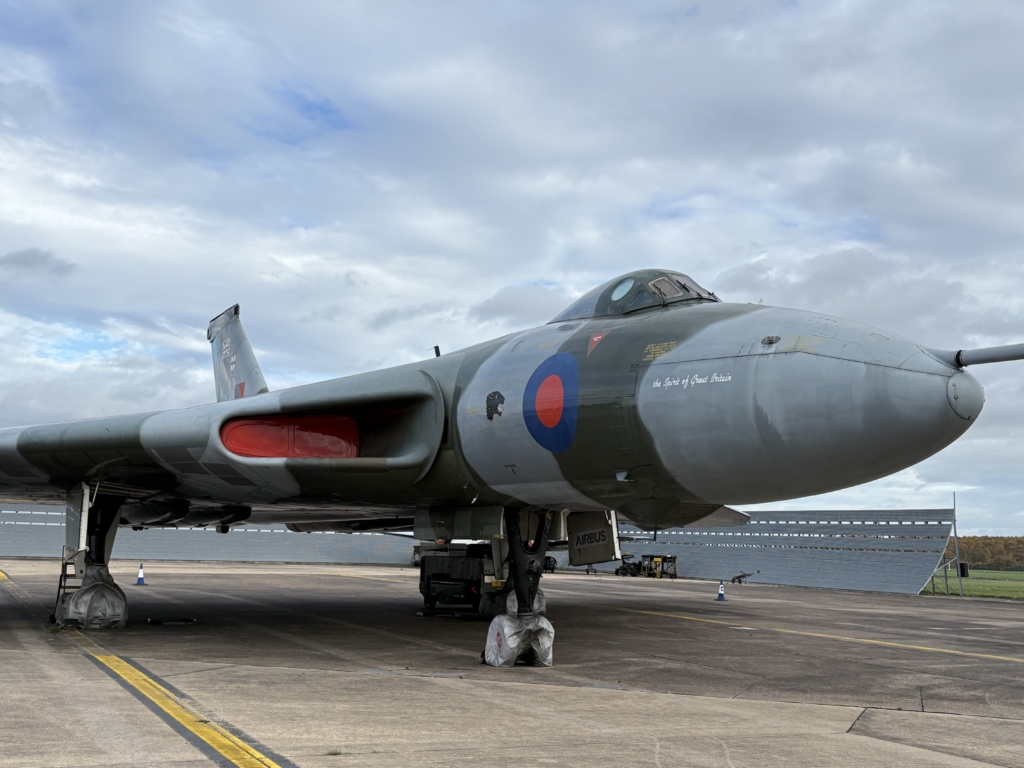
XH558 – Doncaster Sheffield Airport, United Kingdom
Delivered to No 230 Operational Conversion Unit at RAF Waddington in July 1960, XH558 later served as part of the RAF’s Vulcan Display Flight until 1992. After retirement, the aircraft was restored to flying condition by the Vulcan to the Sky Trust and returned to the air display circuit in October 2007. Its final flight took place on 28 October 2015. Today, XH558 remains preserved at Doncaster Sheffield Airport and is capable of engine and taxi runs.
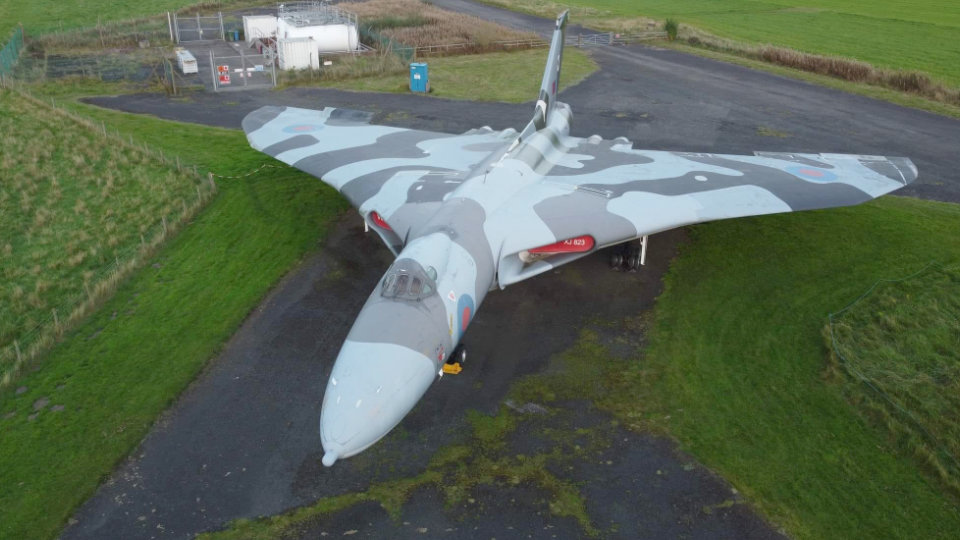
XJ823 – Solway Aviation Museum, United Kingdom
Delivered to No 27 Squadron at RAF Scampton in April 1961, XJ823 later operated in the maritime reconnaissance role as a B2(MRR). It completed its final flight to Carlisle in January 1983. The aircraft is now displayed outdoors at the Solway Aviation Museum and is the only surviving example of the maritime reconnaissance-configured Vulcan.
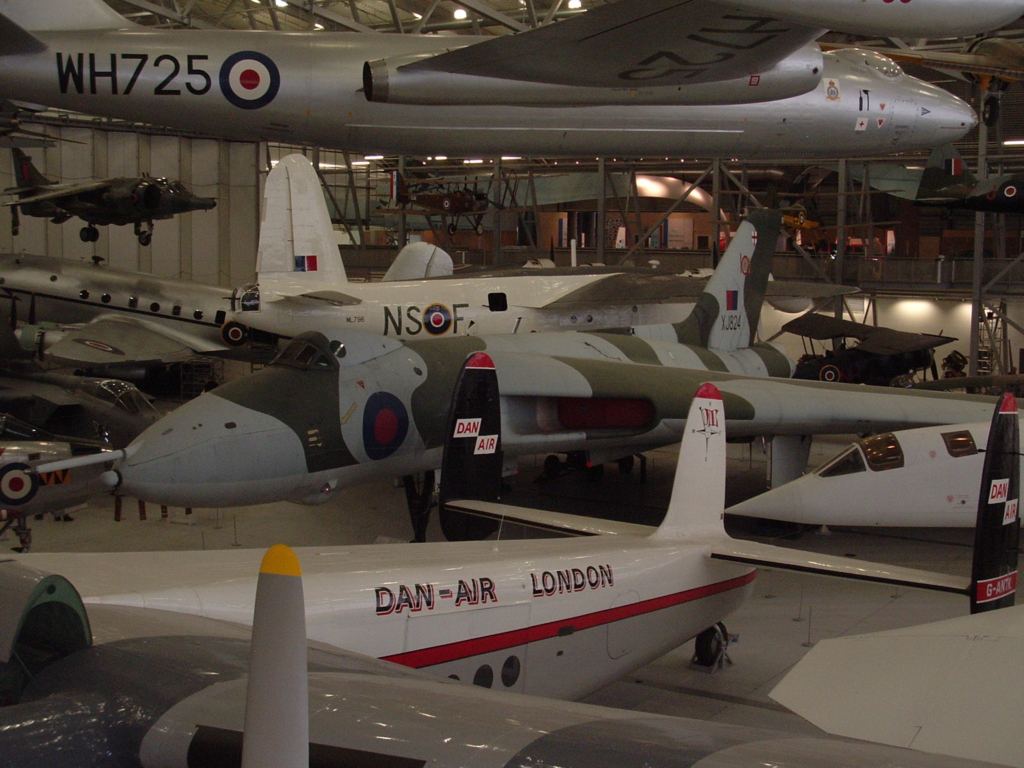
XJ824 – Imperial War Museum Duxford, United Kingdom
Entering service in May 1961, XJ824 served with No 27 Squadron before retiring in 1983. It flew to Duxford for preservation in March 1982. Today, it forms the centrepiece of the AirSpace hangar at Imperial War Museum Duxford, where it is displayed indoors.
XL318 – RAF Museum Hendon, United Kingdom
Delivered to No 617 Squadron in September 1961, XL318 served throughout the 1960s and 1970s before retiring in December 1981. It was selected for preservation and transferred to the RAF Museum in Hendon. The aircraft remains on indoor display as part of the museum’s Cold War collection.
Yes. RAF Museum Hendon has Vulcan XL318 & the nose of Victor 'Lucky Lou' XM717 only. The Valiant XD818 at Cosford is the only complete example. It dropped Britain's first H-Bomb at Christmas Island 15.05.57. The nose of Valiant XD875 is at Morayvia, Kinloss. (My photos)😃👍 pic.twitter.com/SG4ROCFYHp
— Simon Hewitt (@SimonHewitt13) November 15, 2023
XL319 – North East Land, Sea and Air Museum, United Kingdom
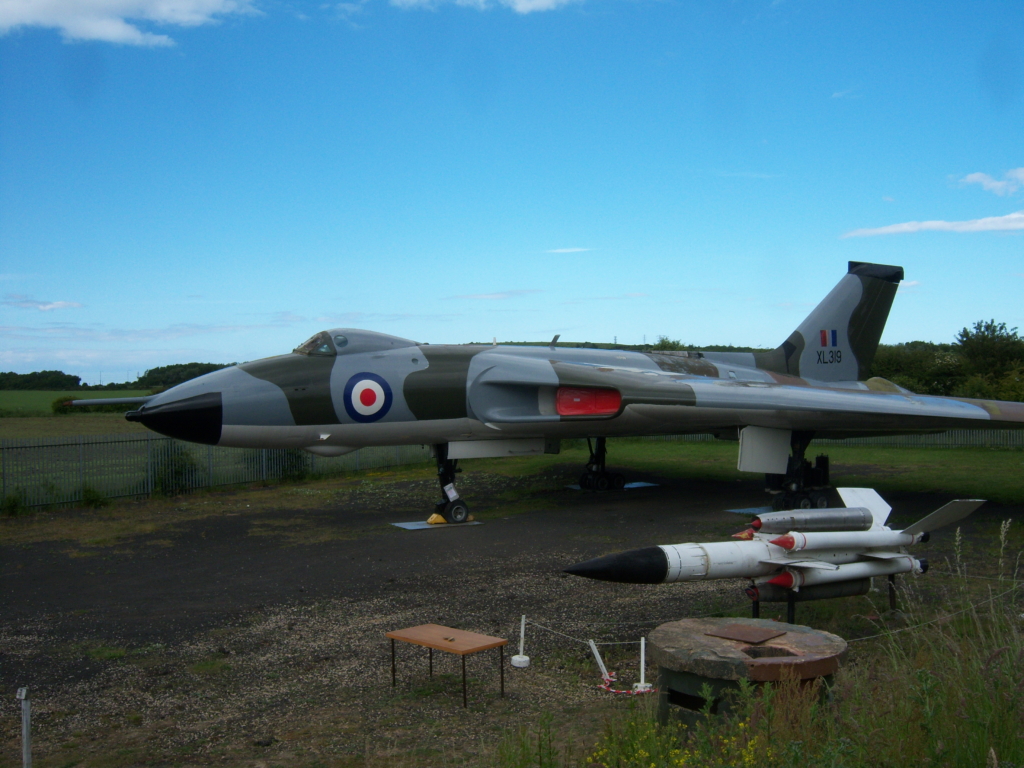
XL319 entered RAF service in October 1961 with No 617 Squadron. After retiring in January 1983, it completed a final ferry flight to Sunderland. It is now preserved on external display at the North East Land, Sea and Air Museum.
XL360 – Midland Air Museum, United Kingdom
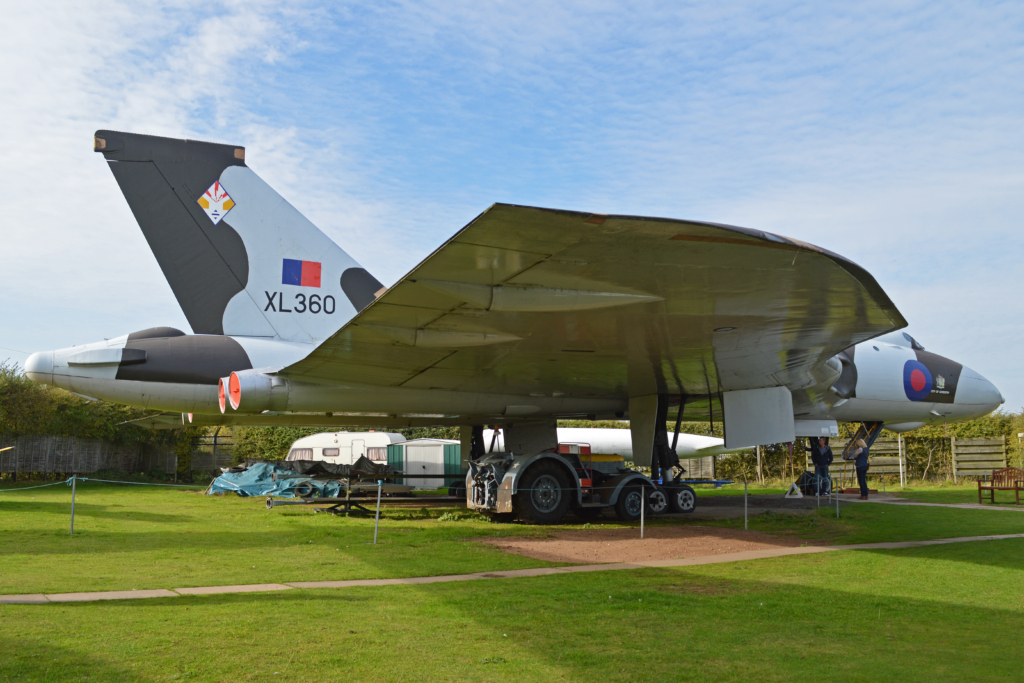
Delivered in March 1962, XL360 served with No 617 Squadron before retiring in 1982. It flew to Coventry in February 1983 and was subsequently transferred to the Midland Air Museum. Preserved outdoors, the aircraft was renamed ‘City of Coventry’ after its arrival.
XL361 – CFB Goose Bay, Canada
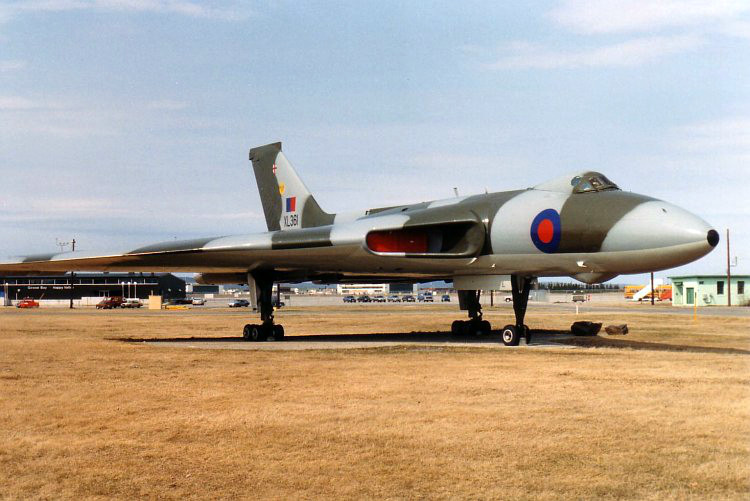
Delivered in March 1962, XL361 was withdrawn after an in-flight fire forced it to divert to Goose Bay in December 1981. Rather than return to the UK, the aircraft was gifted to the local community. It remains on external display at Canadian Forces Base Goose Bay in operational markings.
XL426 – London Southend Airport, United Kingdom
Delivered to No 83 Squadron in September 1962, XL426 remained in service until 1986 and was one of two aircraft retained for the Vulcan Display Flight. After retirement, it flew to Southend in December 1986. The aircraft remains preserved in taxiable condition and regularly performs engine and high-speed taxi runs.
19:45 TONIGHT: Southend’s iconic Vulcan bomber XL426 will be powering up its engines and completing a high-speed taxi run!
— Your Southend (@YourSouthend) May 17, 2025
It will be the Vulcan's first twilight taxi run of 2025 after months of winter maintenance by the volunteer team who look after it at Southend Airport.… pic.twitter.com/Rv2qegK4su
XL443 – South Wales Aviation Museum, United Kingdom
Entering service in 1962, XL443 operated with front-line Vulcan squadrons before retirement in the early 1980s. The aircraft was preserved at RAF St Athan and is now part of the South Wales Aviation Museum collection. It is displayed outdoors.
XM573 – Strategic Air Command & Aerospace Museum, United States
Delivered in March 1963, XM573 retired from RAF service in May 1981. It was flown to Offutt AFB in Nebraska in June 1982 for preservation. The aircraft is now held by the Strategic Air Command & Aerospace Museum and is undergoing long-term cosmetic restoration.
XM575 – East Midlands Aeropark, United Kingdom
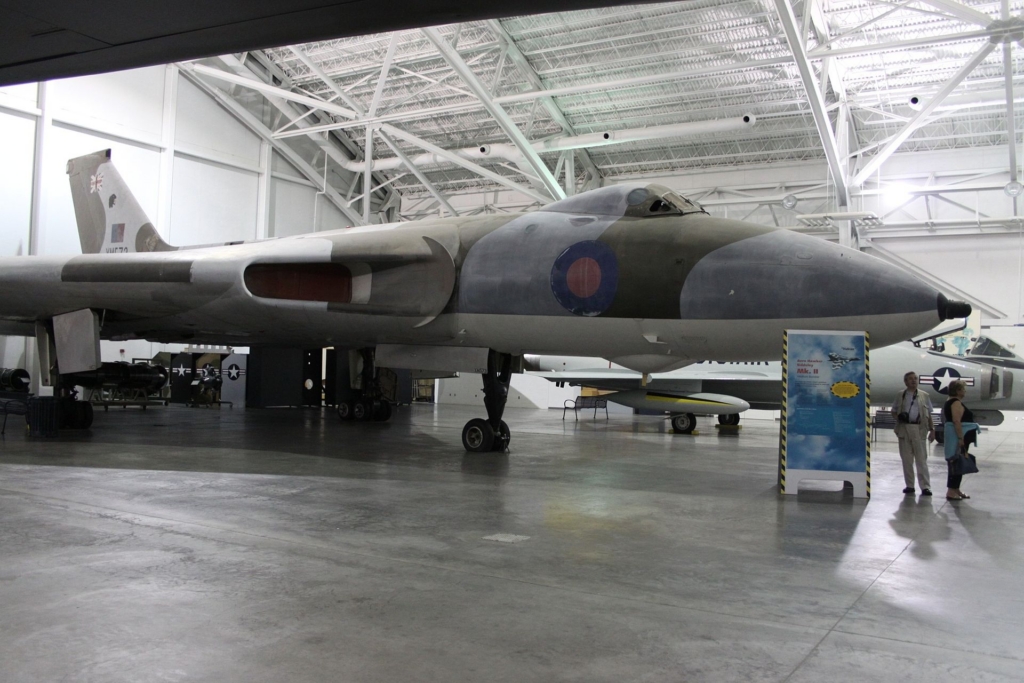
XM575 entered service in May 1963 and retired in 1983. It completed its final flight to East Midlands Airport in January 1983. The aircraft is preserved on external display at East Midlands Aeropark.
This is what the inside of a Avro Vulcan Bomber looks like, this beautiful piece of history can be located at East Midlands Airport inside of the aeropark!#aviation #eastmidlandsairport #planes #history #vulcanbomber #aeropark pic.twitter.com/Za90wZTYif
— Ethan (@EthanPeppy) February 29, 2024
XM594 – Newark Air Museum, United Kingdom
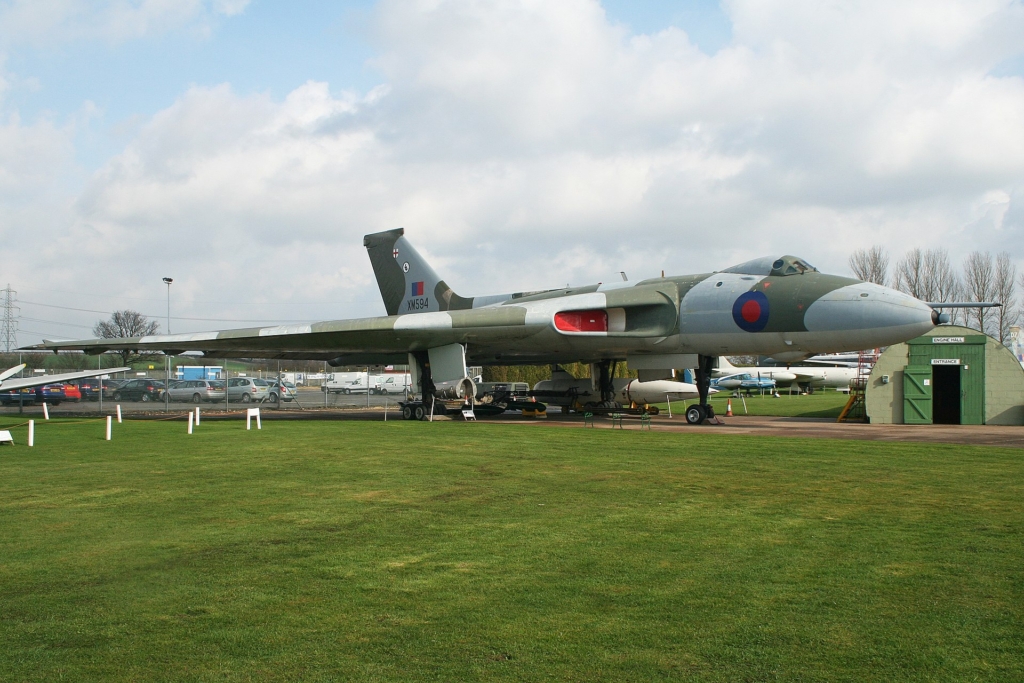
Delivered in July 1963, XM594 was one of several Vulcans earmarked for preservation. It flew to RAF Winthorpe in February 1983. The aircraft remains on outdoor display at Newark Air Museum and has undergone recent cosmetic restoration.
XM597 – National Museum of Flight, United Kingdom
Delivered to No 12 Squadron in August 1963, XM597 took part in the Black Buck raids during the Falklands War. It flew to East Fortune in April 1984 for preservation. Today, it remains on external display at the National Museum of Flight in Scotland.
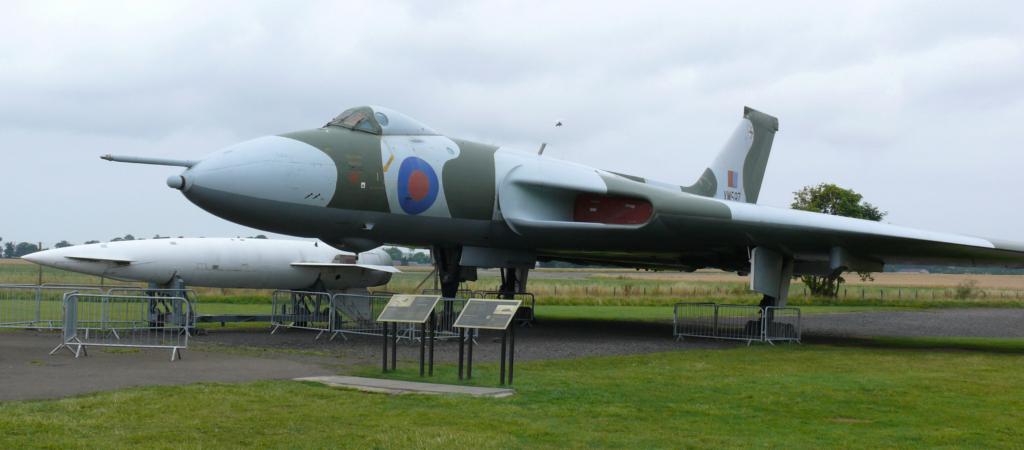
XM598 – RAF Museum Cosford, United Kingdom
Entering service in 1962, XM598 also supported the Black Buck campaign in a reserve role. After retirement, it was assigned to RAF Cosford. The aircraft is now displayed indoors as part of the National Cold War Exhibition.
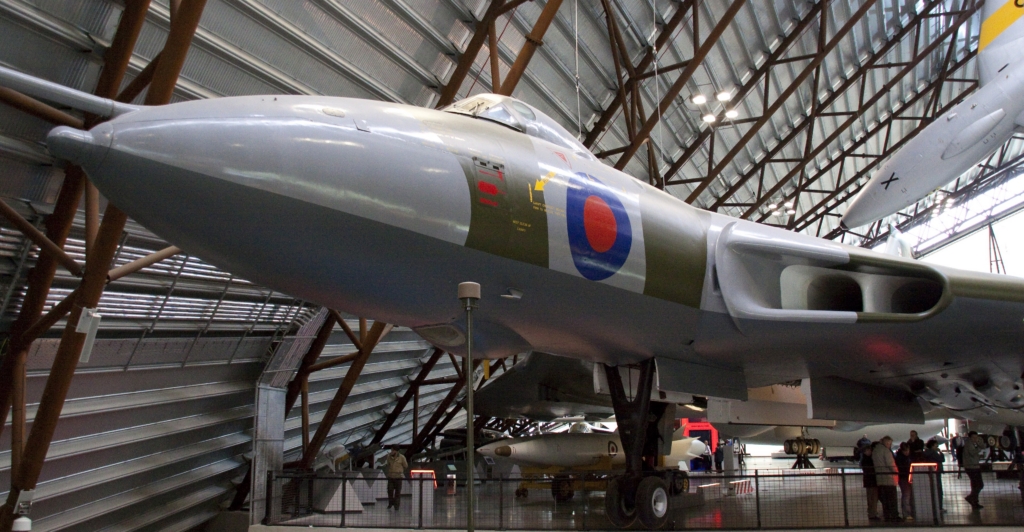
XM602 – RAF Akrotiri, Cyprus
Delivered in 1962, XM602 served with operational squadrons before retirement in the early 1980s. The aircraft is preserved as a gate guardian at RAF Akrotiri in Cyprus, remaining in operational markings.
XM603 – Avro Heritage Museum, United Kingdom
XM603 entered service in December 1963 and was withdrawn in 1982. It was flown to Woodford for preservation and is now displayed at the Avro Heritage Museum. It is the only Vulcan B2 preserved in anti-flash white livery.
This was from a shoot at the Avro Heritage Museum organised by TImeline Events in Oct 2018. XM603 getting prepped for its next mission. The Vulcan is such a gorgeous jet yet intimidating at the same time #avgeek #vulcan #xm603 #raf #royalairforce #vulcan #avro #photography pic.twitter.com/z0PJRRnJ5J
— Enda Burke (@endaburke81) April 9, 2020
XM605 – Castle Air Museum, United States
Delivered in February 1963, XM605 retired in August 1981. It was flown to Castle AFB in California for preservation. The aircraft remains on external display at Castle Air Museum.
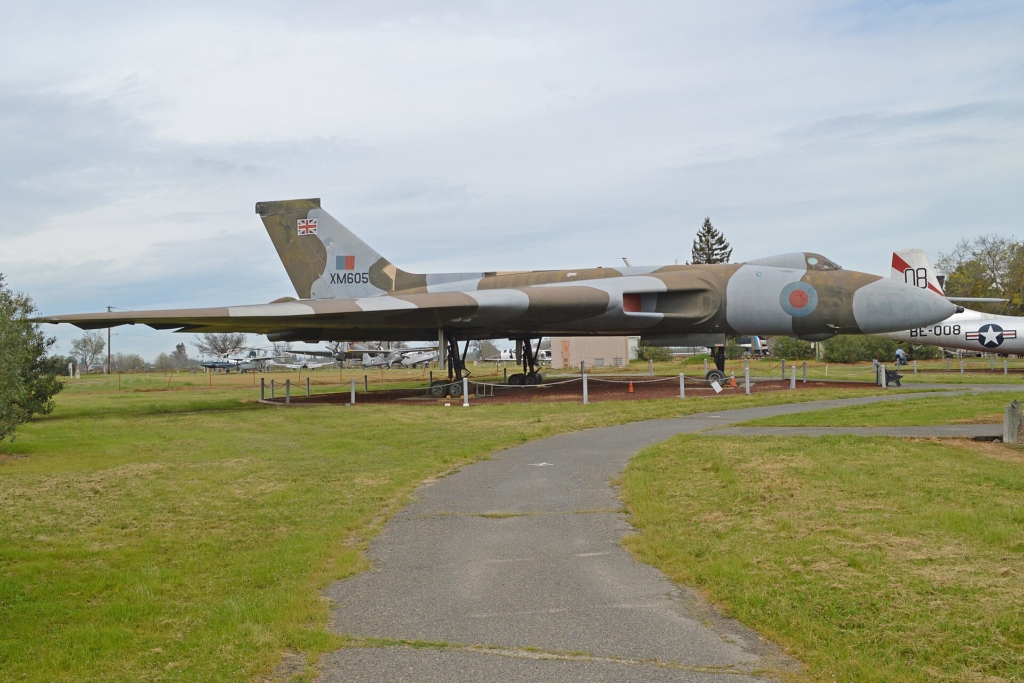
XM606 – Barksdale Global Power Museum, United States
XM606 entered RAF service in December 1960 and was withdrawn in May 1962. It was flown to Barksdale AFB in June 1982. Today, it remains on outdoor display at the Barksdale Global Power Museum in Louisiana.
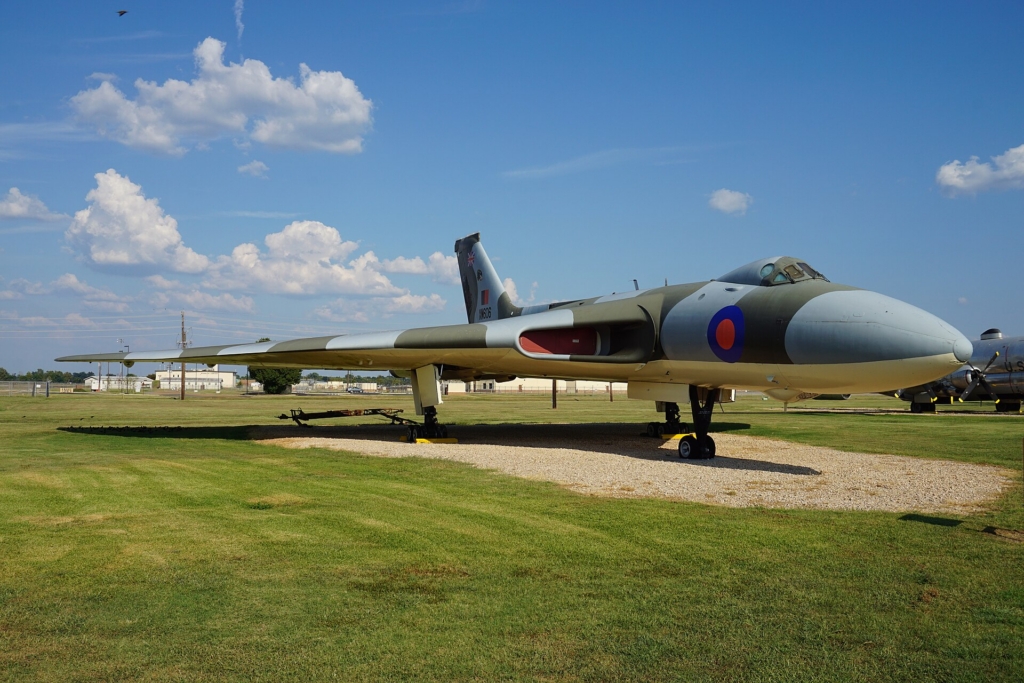
XM607 – RAF Waddington, United Kingdom
Delivered in January 1964, XM607 took part in the Black Buck raids. It retired in December 1982 and was preserved as a gate guardian at RAF Waddington. The aircraft underwent restoration work completed in 2024 and remains on display at the station entrance.
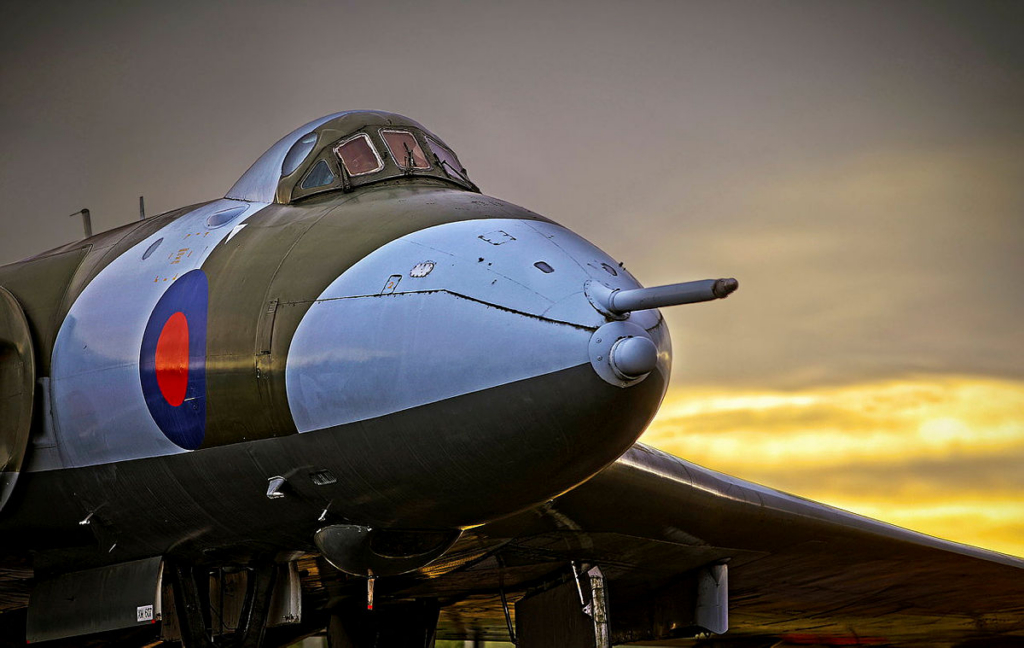
XM612 – City of Norwich Aviation Museum, United Kingdom
Delivered in March 1964, XM612 also participated in the Black Buck raids. It flew to Norwich in January 1983 after retirement. The aircraft remains preserved on external display at the City of Norwich Aviation Museum.
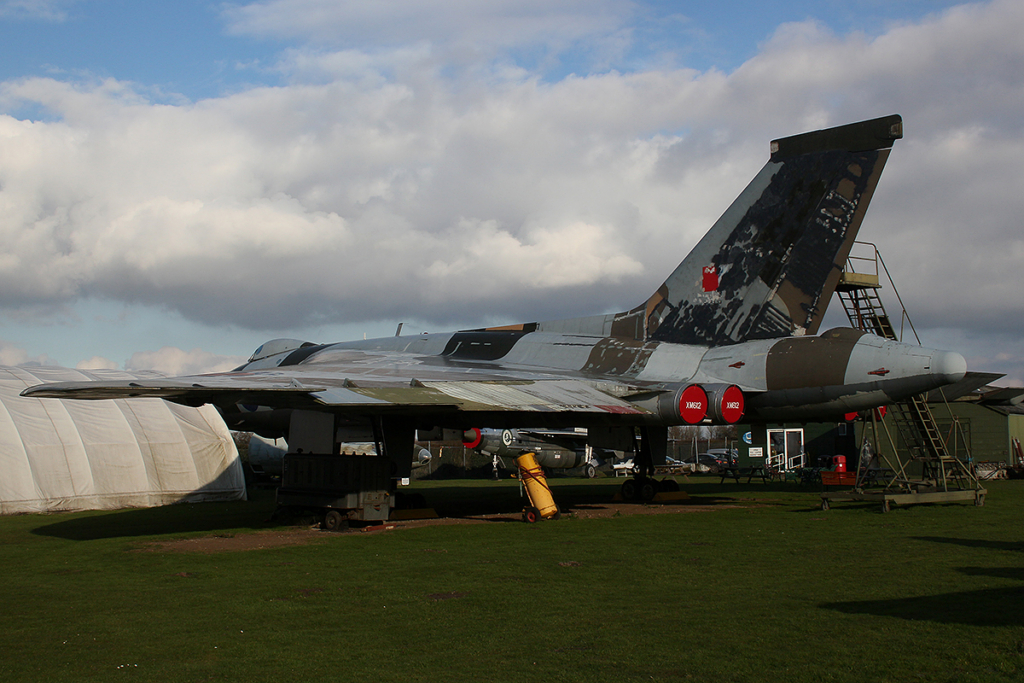
XM655 – Wellesbourne Mountford Aerodrome, United Kingdom
One of the final Vulcan B2s produced, XM655 was delivered in November 1964 and retired in 1983. The aircraft was sold into private ownership and later transferred to Wellesbourne Mountford. Maintained by the XM655 Maintenance and Preservation Society, it remains in taxiable condition.
How many Vulcan bombers were built?
In total, 134 production-standard Vulcan B1/B2 bombers were built, along with two prototypes. Of these, 45 examples were the early Vulcan B1s, with the remaining 89 airframes being later produced as the stronger, more powerful and capable B2-standard variant.
The UK’s fleet of early Vulcan B1s initially featured straight leading edges and were driven by the earlier, less powerful Olympus Mk 101 turbojet.
While the initial B1s were delivered in a metallic livery to support early testing efforts, most of these jets subsequently received the anti-flash white colours that were synonymous with airborne nuclear deterrence operations during the Cold War. This livery was applied to reflect some of the thermal radiation created by nuclear blasts to protect the aircraft and its five-strong crew.
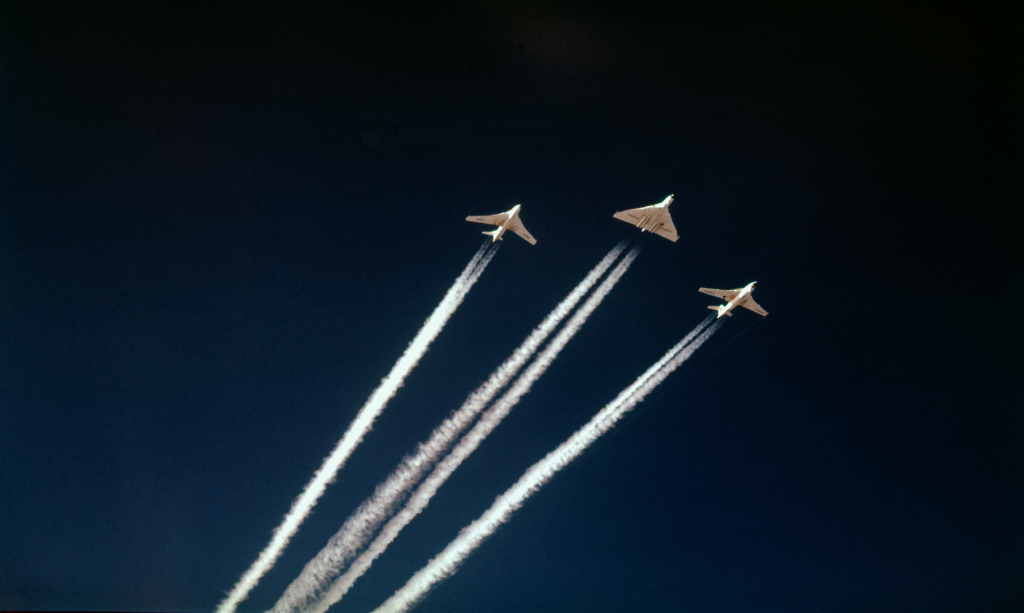
The RAF received the first of its 45 production-standard Vulcan B1s (serial XA897) in July 1956, although this airframe was lost when it crashed short of the runway at London Heathrow Airport on October 1, that same year. The 44 remaining Vulcan B1s were delivered to the RAF by April 1959, shortly before the air arm accepted its first B2-standard aircraft.
While the initial B1s were powered by the Olympus Mk 101 turbojet (which produced 11,000lbf of thrust), later examples of the variant were driven by the more powerful Mk 102 engine (which could produce up-to 12,000lbf of thrust).
Some of the Mk 102-fitted B1s later had their engines upgraded to the even more powerful Mk 104-standard turbojet (which was capable of producing 13,500lbf of thrust) during the late-1950s.
What was the difference between the Vulcan B1 and B2?
Before deliveries of the enhanced Vulcan B2 airframes began, the RAF opted to upgrade a number of its first-generation B1s to B1A-standard jets to bridge the gap between the two distinct variants.
While an option to rebuild all of the older B1 bombers as the new B2-standard variant was rejected for budgetary reasons, the UK opted to upgrade the 28 aircraft that had been fitted with Olympus 102 or 104 engines. These aircraft were upgraded to B1A-standard by Armstrong Whitworth between 1959 and 1963.
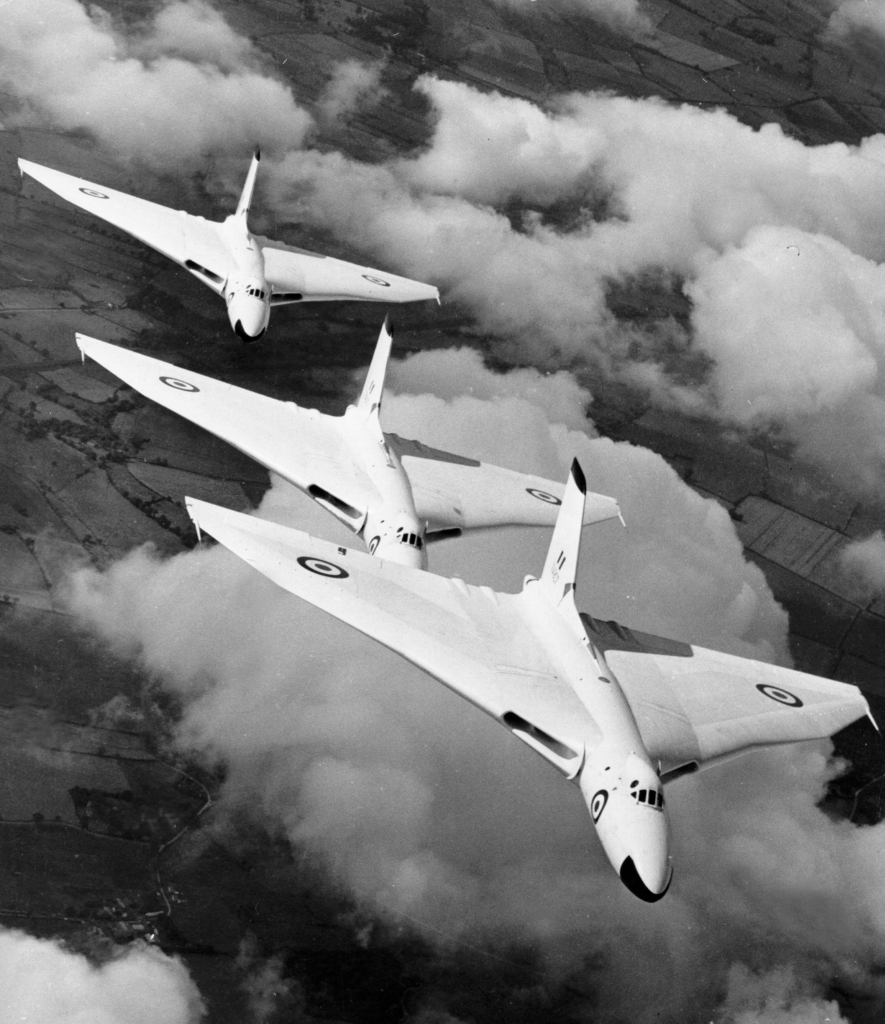
This upgrade introduced several features of the B2 to the earlier B1 jets, including electronic countermeasures (ECM) equipment, an in-flight refuelling receiver system and an ultra-high-frequency (UHF) radio. Notably, this upgrade did not include the strengthening of the aircraft’s delta-wing to better facilitate low-level flight operations.
Despite this upgrade, both the Vulcan B1 and B1A only enjoyed a short stint in operational RAF service before they were ultimately replaced by the Vulcan B2. While the last unmodified B1s were retired from use in 1966, the last upgraded B1A-standard jets were withdrawn from service before the end of 1967.
Inside the RAF’s enhanced fleet of Vulcan B2 bombers
The Vulcan B2 was a significant development of the earlier B1 variant. Driven by Rolls-Royce Olympus 201/202/301 turbojet engines (providing between 17,000-20,000lbf of thrust), the B2-standard jets featured a larger and stronger, yet thinner delta-wing when compared with its predecessor.
These changes permitted the Vulcan to fly at altitudes of up-to 60,000ft (18,288m), while also facilitating better low-level flight performance.
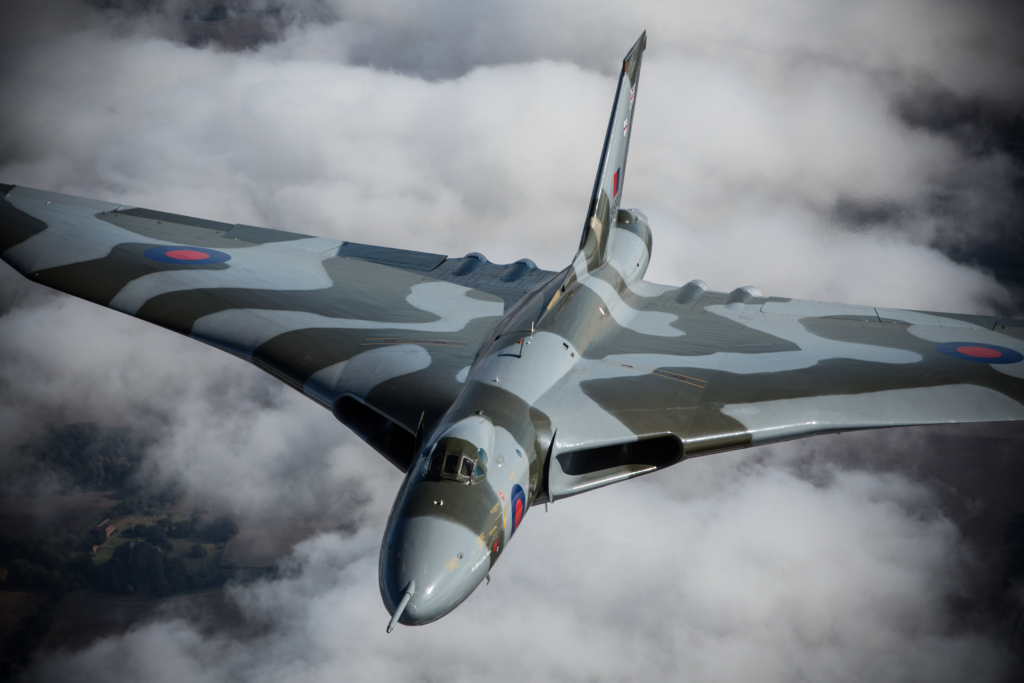
This variant was also fitted with an updated ECM system (including jamming equipment), housed within a bulged tail cone fairing on the rear of the aircraft, which replaced the B1’s shorter, pointed tail.
In addition, the B2 variant also featured more advanced power capabilities through the incorporation of an Auxiliary Airborne Power Plant (AAPP) and a more robust electrical system.
The aircraft’s landing gear was also completely redesigned, using a more complex ‘lattice’ structure compared to the more solid, triangular structure used by the older B1s.
The B2 was designed to carry the UK-developed Blue Steel air-launched nuclear-armed stand-off cruise missile. This required the bomber to have a larger bomb bay, as well as changes to the aircraft’s underside fuselage structure. The type also received a tail-mounted Radar Warning Receiver (RWR) in the mid-1970s.
How the Royal Air Force used the Vulcan
The RAF welcomed the delivery of 89 B2s between September 1959 and January 1965, with the type succeeding the air arm’s older Vulcan B1/B1A fleet from the late-1960s.
The B2 continued to support the UK’s airborne nuclear deterrent as the core of the RAF’s V-Bomber force until the Royal Navy assumed responsibility for the nation’s nuclear deterrence with its new US-made, submarine-launched UGM-27 Polaris ballistic missile from 1968.
As the doctrine surrounding the UK’s nuclear deterrence changed, so did the core mission of the RAF’s surviving Vulcan B2 fleet. With the retirement of the Blue Steel missile in 1970, the Vulcan force predominantly adopted a more conventional day-to-day mission set, although the bombers continued to carry the WE.177B free-fall nuclear gravity bomb in the tactical nuclear strike role as part of the UK’s wider contribution to NATO.
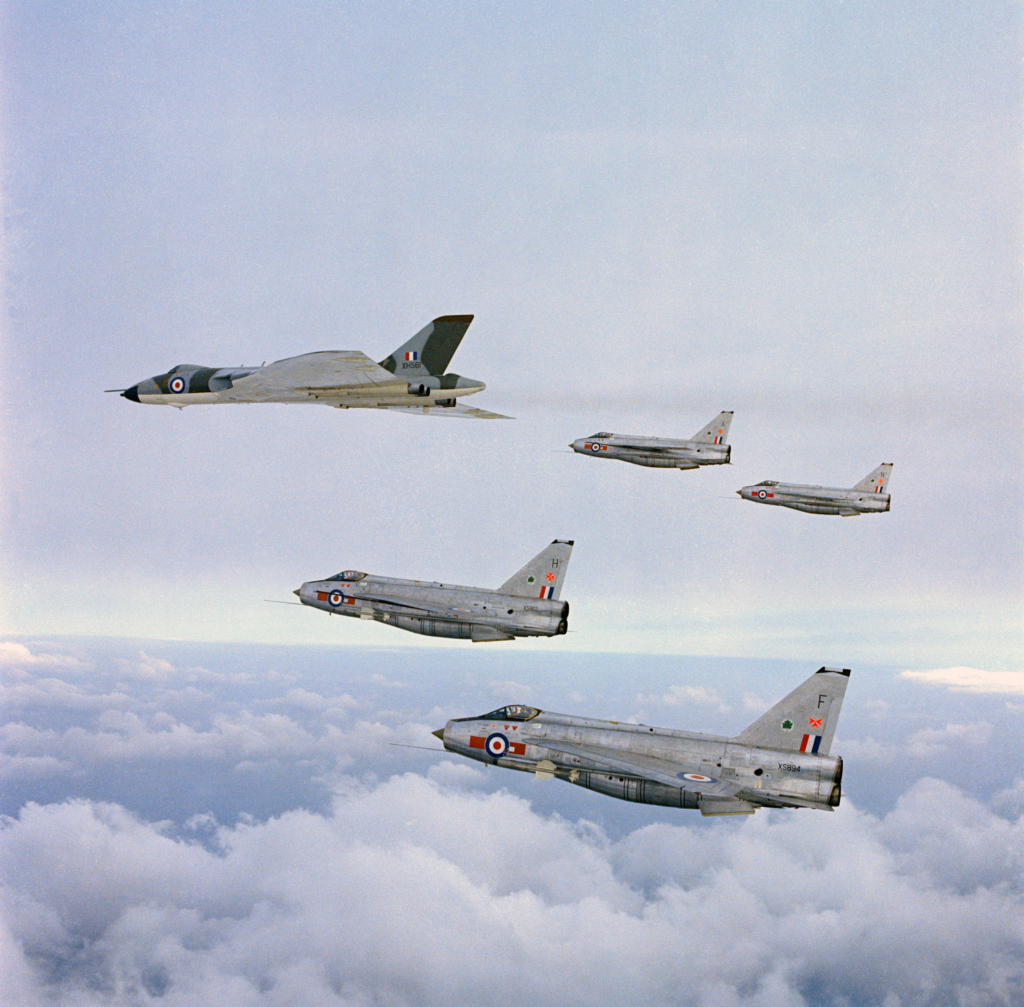
In its conventional configuration, the Vulcan B2 could carry up to 21 1,000lb (454kg) bombs within its bomb bay. While neither the Vulcan B1 or B2 conducted any nuclear combat missions, the full fury of the type was finally unleashed during the Falklands War in 1982.
Several Vulcan B2s were deployed to conduct several long-range airstrikes against Argentine positions in the Falkland Islands as part of the now-famous Operation Black Buck raids.
Staged from RAF Ascension Island in the Atlantic Ocean and supported by a number of converted Victor K2 tankers, Vulcan B2s from the RAF’s No 44, 50 and 101 Squadrons took part in these raids, which targeted Port Stanley Airport and several anti-aircraft radar systems in the Falkland Islands from 1 May to 12 June 1982. Of the seven raids launched, five scored successful hits on their desired targets.
When did the RAF stop flying the Vulcan bomber?
Of the 89 Vulcan B2s that were produced for the RAF, 15 aircraft were subsequently converted to fulfil other roles. Nine aircraft were modified to perform a maritime reconnaissance role – known as the Vulcan B2 (MRR) – in the mid-1970s. Operated by the Scampton-based No 543 Squadron, these aircraft continued to perform maritime reconnaissance operations until March 1982, when the mission was passed onto the RAF’s force of Hawker Siddeley Nimrods.
After famously taking part in the Black Buck raids, the RAF’s Vulcan B2 force was gearing up for retirement. However, given that the service’s fleet of newly converted Victor K2 tankers was suffering from airframe fatigue – largely as a result of the Falklands War – and an order for the Lockheed TriStar yet to be placed, a stop-gap solution was needed to fulfil the RAF’s tanker requirements.
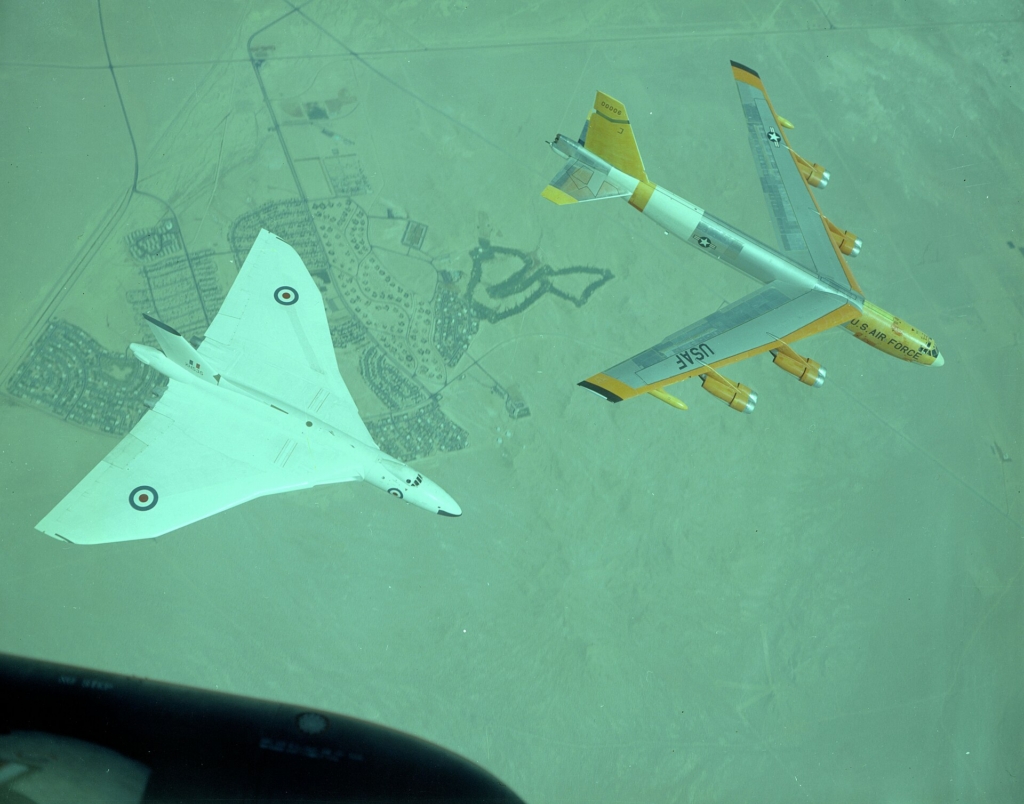
To bridge this gap, six Vulcan B2 bombers were converted to K2-standard tankers in the early 1980s. The first of these (serial XH561) was delivered to No 50 Squadron at RAF Waddington, Lincolnshire, in June 1982. These aircraft supported RAF air-to-air refuelling tasks until the type was retired from British military service in March 1984.
While the type was retired from operational service in 1984, two Vulcan B2s were retained by the RAF as part of the Vulcan Display Flight (VDF). These two aircraft (serials XL426 and XH558) were based at RAF Waddington and performed flying displays at events from 1985 to 1992, when the VDF was axed for budgetary reasons.
Featured Image: Affectionately known as the ‘Spirit of Great Britain’, Avro Vulcan B2 (serial XH558) is seen in flight in 2015. This Cold War veteran completed its last flight on 28 October 2015. Image: MOD Crown Copyright/Rich Cooper