What is a compressor stall and why does it shoot fire?

December 26, 2025
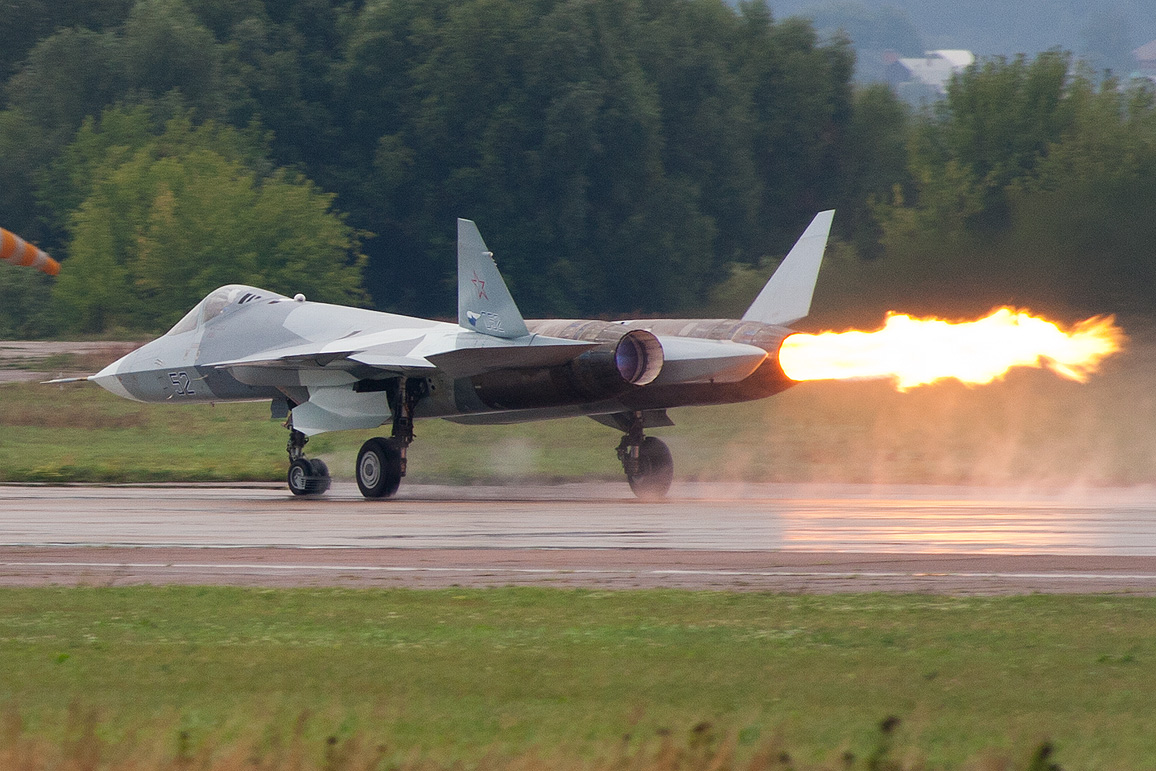
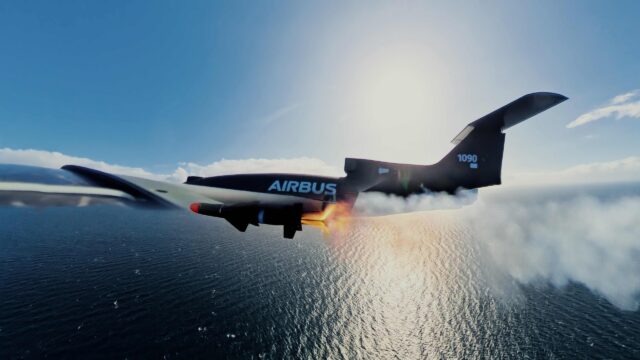
A compressor stall of a jet engine results from a disruption in the airflow as it enters the compressor section. Airflow disruption leads to a pressure imbalance in the compressor, causing it to slow down or stagnate. A compressor stall can even result in reverse flow.
It occurs when the angle of attack of the compressor blades exceeds their critical angle. This prevents the smooth flow of air to the succeeding stages. A compressor stall may result in a significant loss of thrust and cause a flame to shoot from either or both sides of the engine.
A transient compressor stall can be corrected (automatically or through pilot intervention) fairly simply. However, a sustained compressor stall can cause significant damage or the complete loss of the engine.
Compressor stall events are caused by airflow disruption
A jet engine works by compressing large amounts of air and mixing it with pressurized fuel for combustion. The mixture is homogenized and ignited in the combustion chamber before it is exhausted to produce thrust. A uniform airflow with an optimal pressure ratio must be maintained for a smooth-running jet engine.
If the pressure created during combustion exceeds the pressure in the compressor, some of the exhaust gas may be pushed upstream. Disrupted airflow causes separation around the blades, leaving excess fuel in proportion to the air required. The excess fuel burns off with the air shooting from the inlet or the exhaust.

Boundary layer separation can be caused by an increase in angle of attack, a reduction in velocity, or an increase in engine rpm. Notably, released flames do not mean the engine is on fire, but instead a rapid loss of compressor performance. It is also unlikely that the engine fire warning is indicated in the flight deck.
Compressor stalls can be caused by a range of unusual events, including foreign object debris (FOD), in-flight icing, contamination of internal components, incorrect handling of engines, or improper flight manoeuvres.
The case of the Delta Boeing 777 over Los Angeles
On January 14, 2020, a Delta Air Lines Boeing 777-200ER experienced a compressor stall soon after taking off from Los Angeles. The flight, carrying over 200,000 lbs of fuel, was bound for Shanghai. The pilots lost thrust on the aircraft’s right engine, a Rolls-Royce Trent 800 series engine.
Such events may cause loud bangs, aircraft shudder, and flames erupting out of the front and exhaust of the engine. Depending on the type and severity of the problem, pilots may shut off the engine completely. Reducing engine power and temporarily levelling the aircraft may resolve the problem.

However, this wasn’t the case for the Delta Boeing 777. The aircraft returned to Los Angeles following landing checklists, including dumping over 15,000 lbs of fuel.
The event received a great deal of news coverage because the pilots dumped excess fuel over densely populated neighbourhoods, including schoolyards. Nearly 60 schoolchildren and teachers in the city of Cudahy were affected by the fuel dump, receiving minor skin and lung irritations from the fallen fuel droplets and fumes.
In August, Delta Air Lines agreed to pay $78.75 million in settlement of the class action lawsuit filed by affected residents. Irrespective of the cause, compressor stalls can result in a complete loss of thrust from the affected engine.
Featured image: Rulexip / Wikimedia Commons