4 Washington airports temporarily shut by overheated circuit board at air traffic control

March 14, 2026
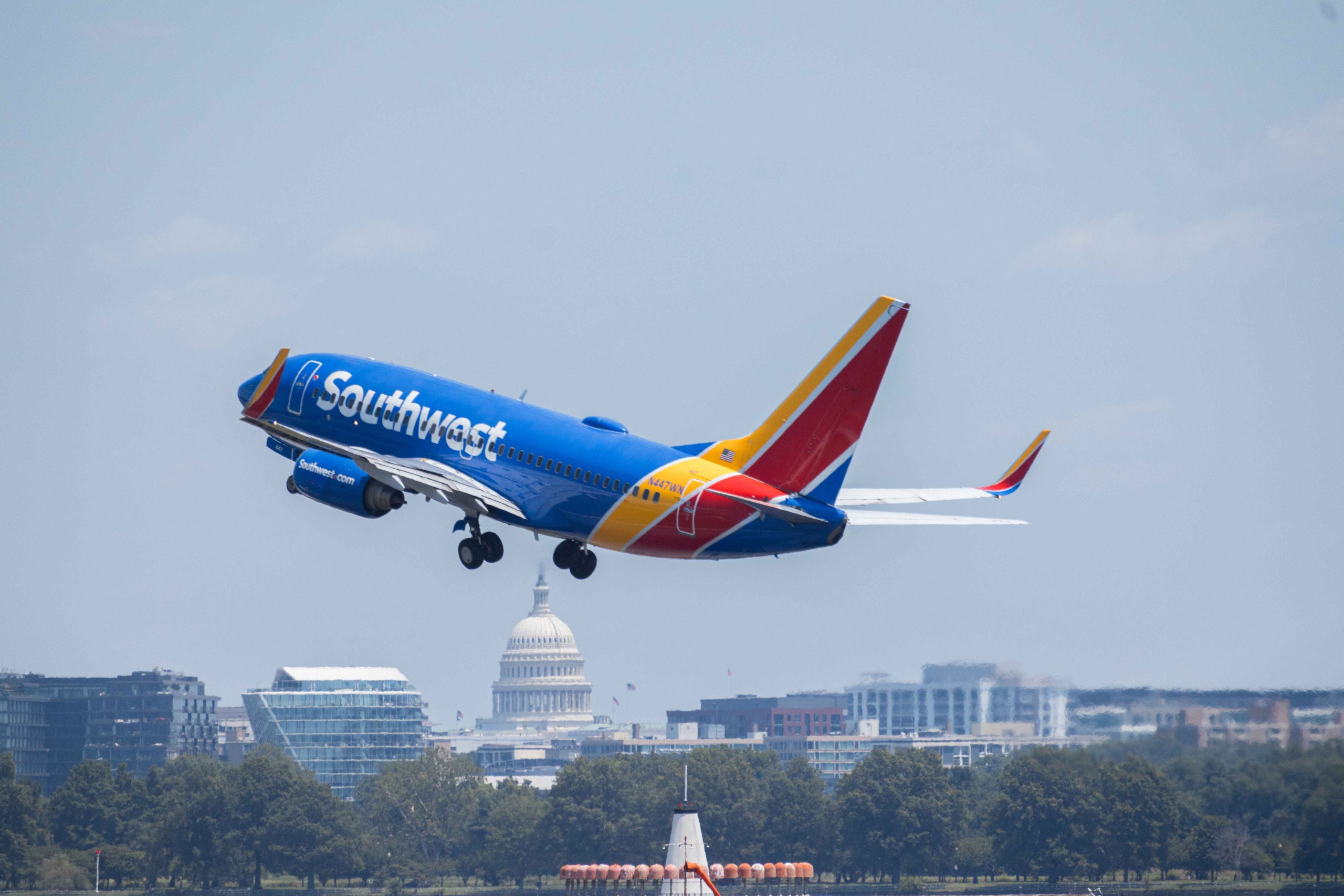
Four Washington DC area airports had to close for around two hours today, after a problem at a regional air traffic control centre.
Potomac Terminal Radar Approach Control (TRACON), which manages approach and departure in the metropolitan area, reported a chemical smell in the late afternoon.
Flights halted at 18:00 ET, but were back in the air soon after 19:00. The smell has been attributed to an overheated piece of equipment, and no personnel were hurt.
Washington Airports shut abruptly, leaving planes in the air
On Friday evening, air traffic controllers at Potomac TRACON reported a strong chemical or electrical odour in the building.
Due to the critical nature of their jobs, any threat, such as fumes or smoke, triggers an immediate safety response. The controllers stopped working while the investigation continued.
Since Potomac TRACON manages the approach and departure airspace for several airports in the area, the FAA had to halt all air traffic in the region.
🚨BREAKING🚨 GROUND STOP CURRENTLY AT THE FOLLOWING AIRPORTS:
— Secretary Sean Duffy (@SecDuffy) March 13, 2026
⚠️ Ronald Reagan Washington National Airport (DCA)
⚠️ Washington Dulles International Airport (IAD)
⚠️ Baltimore-Washington International Airport (BWI)⁰⚠️ Richmond International Airport (RIC)@FAANews is working to…
This meant several airports could not operate flights, effectively shutting them down. Affected airports were:
- Ronald Reagan Washington National Airport
- Washington Dulles International Airport
- Baltimore/Washington International Thurgood Marshall Airport
- Richmond International Airport
Flights at Washington area airports served by the Potomac TRACON (DCA, IAD, BWI, RIC) are on hold at the moment due to an equipment outage. Airborne flights diverting and aircraft on the ground being held in place. pic.twitter.com/oA6MeemeUc
— Flightradar24 (@flightradar24) March 13, 2026
Aircraft already in the air had to divert, while those on the ground were held at gates or departure airports.
Just over an hour after the closure, Sen Sean Duffy, US Transportation Secretary, announced that the situation was resolved.
UPDATE: The ground stop is over and operations have resumed.
— Secretary Sean Duffy (@SecDuffy) March 14, 2026
Firefighters from Fauquier County and Prince William County confirm there is no danger to air traffic controllers, and they are returning to the Potomac TRACON. The source of the strong odor was traced to a circuit… https://t.co/6DwPLPw0OE
Duffy noted that the odour had been traced back to an overheated circuit board. The offending item had been replaced, and the air traffic controllers could return to work.
Current delays and cancellations at Washington airports
More than 800 flights have so far been delayed across the affected airports.
The disruption has come during spring break, where heightened travel demand will add to the pressure on airlines this evening, and potentially into the weekend.
At the time of press, the Flightradar24 airport disruption map shows the three major airports still at level 5 disruption, the highest level.
Data from FlightAware shows high numbers of flights delayed, and a few cancellations as well.
| Airport | Flights delayed | Flights cancelled |
|---|---|---|
| Ronald Reagan Washington National (DCA) | 318 | 161 |
| Washington Dulles International (IAD) | 269 | 72 |
| Baltimore/Washington International (BWI) | 218 | 37 |
| Richmond International (RIC) | 83 | 13 |
Source: FlightAware
Reagan National appears to have been hit hardest by the disruption. With strict slot controls and limited operational flexibility, the airport is often more vulnerable when problems occur.
Why a problem at TRACON shut four airports
Potomac TRACON plays a critical role in the air traffic control system for the Washington metropolitan region.
Terminal Radar Approach Control facilities sit between airport control towers and the high-altitude air traffic centres that manage aircraft cruising between cities. Their job is to guide aircraft during the busiest phase of flight, when they are climbing after departure or descending toward an airport.
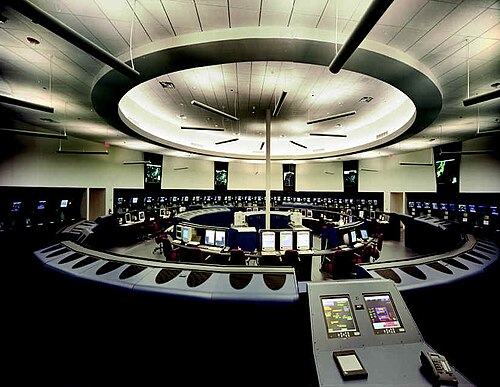
Controllers at TRACON sequence arriving aircraft onto approach paths, maintain safe spacing between flights and coordinate departures leaving nearby airports. In large metropolitan areas, one TRACON typically manages the airspace for several airports whose flight paths overlap.
If the facility becomes unavailable, even temporarily, aircraft cannot safely transition between cruise altitude and the airport environment. As a result, the Federal Aviation Administration must halt arrivals and departures until controllers can resume operations.
That is why a problem inside the TRACON building can quickly ripple across the region, grounding flights at several airports at once.
Featured image: