Volaris and Viva plan new airline group to reshape Mexico’s low-cost market

December 19, 2025
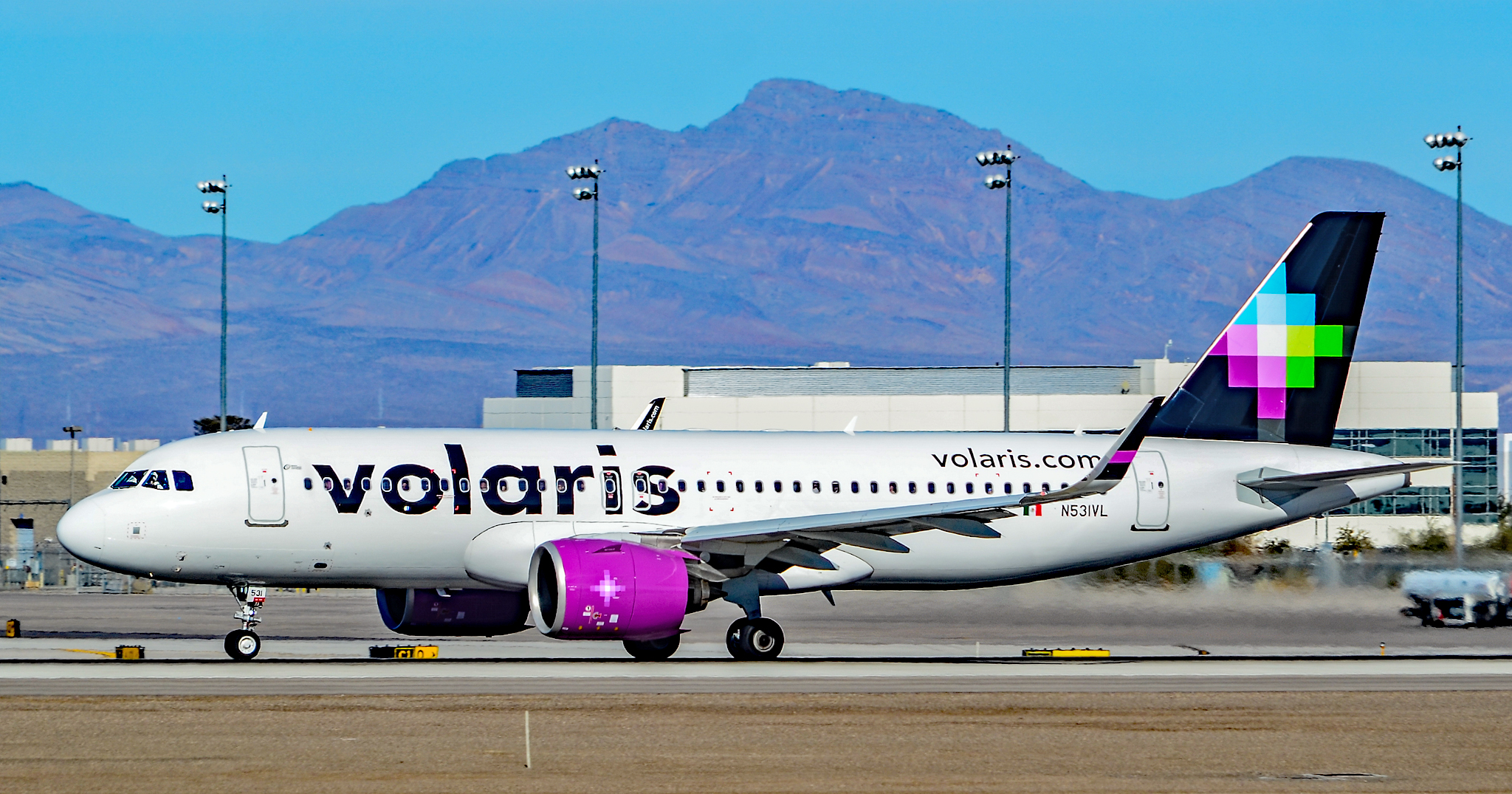
Two of Mexico’s largest ultra-low-cost carriers, Volaris and Viva Aerobus, have agreed to combine under a new airline holding group, a move that promises to significantly reshape the country’s domestic and short-haul aviation market.
Under the proposed transaction, Controladora Vuela Compañía de Aviación, parent of Volaris, and Grupo Viva Aerobus would merge their respective holding companies.
The structure is designed to preserve competition at an operating level, with both airlines continuing to fly under their existing brands and operating certificates.
If completed, the deal would create a powerful low-cost airline group accounting for a substantial share of Mexico’s domestic capacity.
Volaris and Viva plot merger path
Volaris and Viva stress that passengers will continue to see the two airlines as distinct competitors, each with its own networks and pricing strategies.
However merging into a single group will unlock cost savings that would be difficult to achieve independently, they said.
The companies say the arrangement would improve access to capital, lower fleet ownership costs and strengthen their ability to withstand shocks such as supply chain disruptions and ongoing reliability issues affecting aircraft and engine manufacturers.
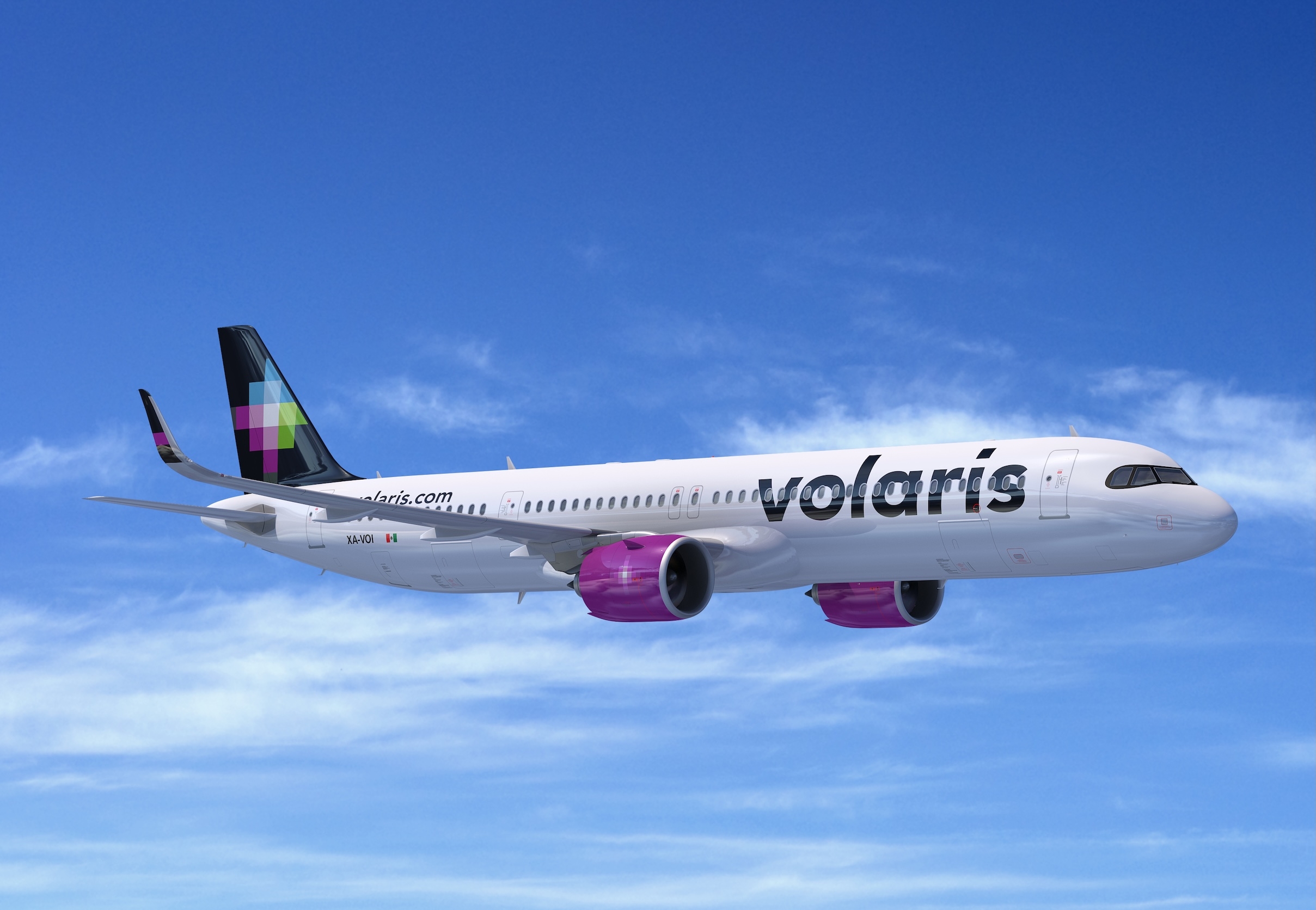
“We expect the formation of the new airline group will allow us to realise significant growth opportunities for air travel in Mexico, in line with the low fare and point-to-point approach that revolutionised the industry over the last two decades,” said Enrique Beltranena, Volaris’ president and CEO.
“The economies of scale and expanded distribution capacity will allow us to compete even more effectively in domestic and international markets by lowering fleet ownership costs.
“This way, we will be able to offer ultra-low-cost fares to even more passengers as we pursue sustainable growth, benefit from a more efficient fleet, and lower costs.”
Competition drives hunt for cost savings
Mexico’s aviation sector has expanded rapidly over the past decade, driven largely by ultra-low-cost carriers stimulating demand among price-sensitive travellers.
But that growth has come with mounting pressures, including higher financing costs and aircraft delivery delays.
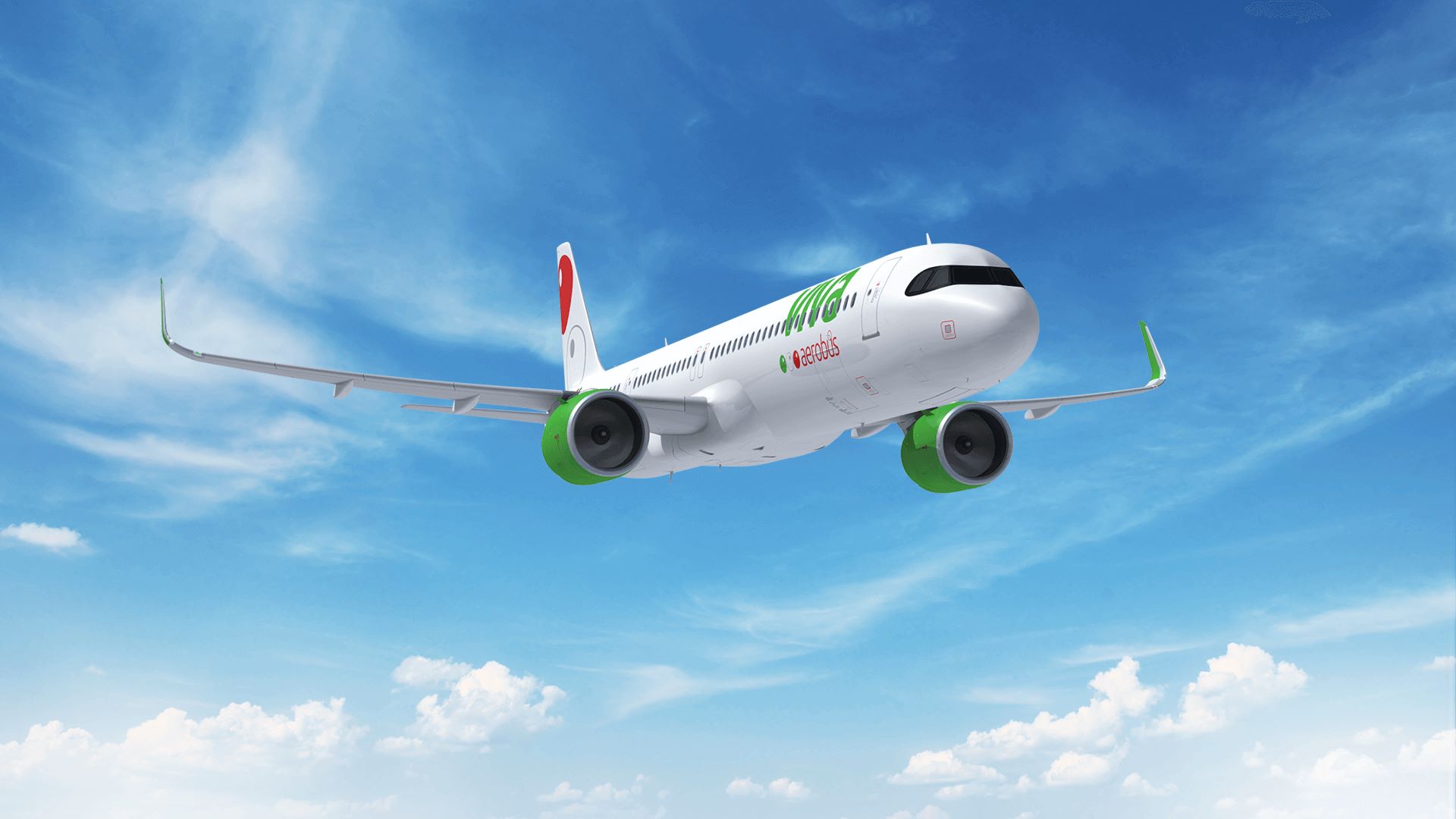
Viva chief executive Juan Carlos Zuazua said the transaction reflects a shared philosophy between the two carriers.
“We intend this transaction to enable both Viva and Volaris to provide ultra-low-cost fares and more point-to-point travel to even more cities across Mexico and internationally, benefiting not only passengers, but also local economies and communities,” he said.
“Both airlines, which share a similar low-cost DNA and mindset, have always believed in the importance of making travel more accessible for everyone.”
Implications for passengers and networks
From a customer perspective, the airlines say the holding group will preserve existing route choices while opening the door to closer cooperation in areas such as passenger loyalty.
Volaris’ Doters and Viva’s Altitude frequent flyer programmes could be aligned, while codeshare arrangements may be explored on select routes.
The carriers also highlight the potential for improved international connectivity, particularly to the United States, Central America and Canada, where both airlines have been expanding.
Domestically, the group expects to accelerate growth at secondary airports as well as open new operating bases nationwide.
The two carriers said this would help in “driving development at the same rapid pace seen in existing bases such as Monterrey, Guadalajara, Cancun, the Mexico City metropolitan area and Tijuana.”
Approvals and next steps
Under the terms of the agreement, Viva and Volaris shareholders would each own 50% of the new airline group. Viva shareholders would receive newly issued shares in the Volaris holding company, which would remain listed on both the Mexican stock exchange and the New York Stock Exchange.
Both companies’ boards have unanimously approved the transaction.
However, it remains subject to regulatory clearance in Mexico and other jurisdictions, as well as shareholder approval, which is targeted for 2026.
Operationally, Volaris and Viva will continue to be run by their existing management teams.
The holding company board will include representatives from both airlines and will be chaired by Viva chairman Roberto Alcántara Rojas.
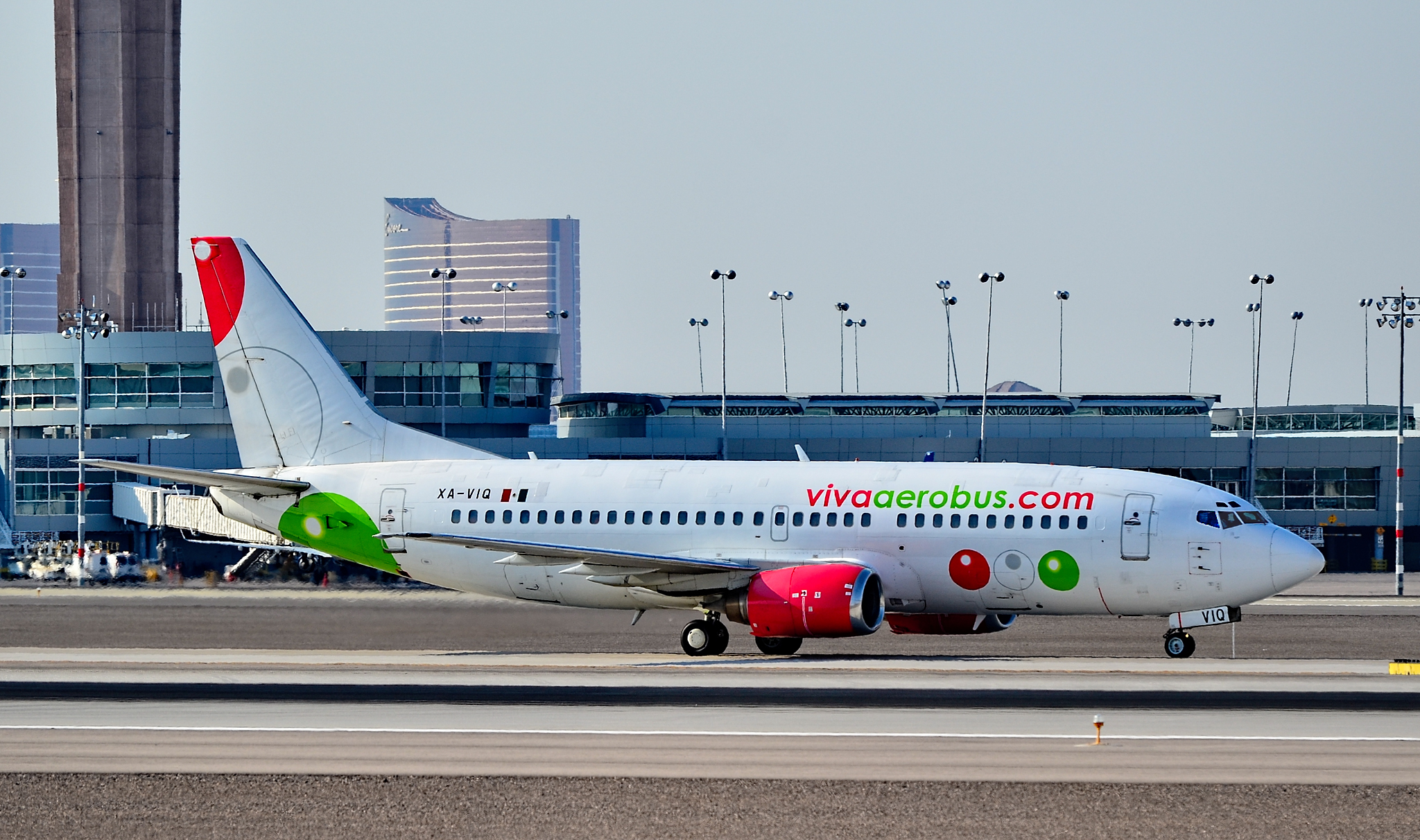
Featured image: Tomás Del Coro | Wikimedia Commons