Can US missile defence intercept Iran’s Fattah-2 hypersonic weapon?

March 9, 2026
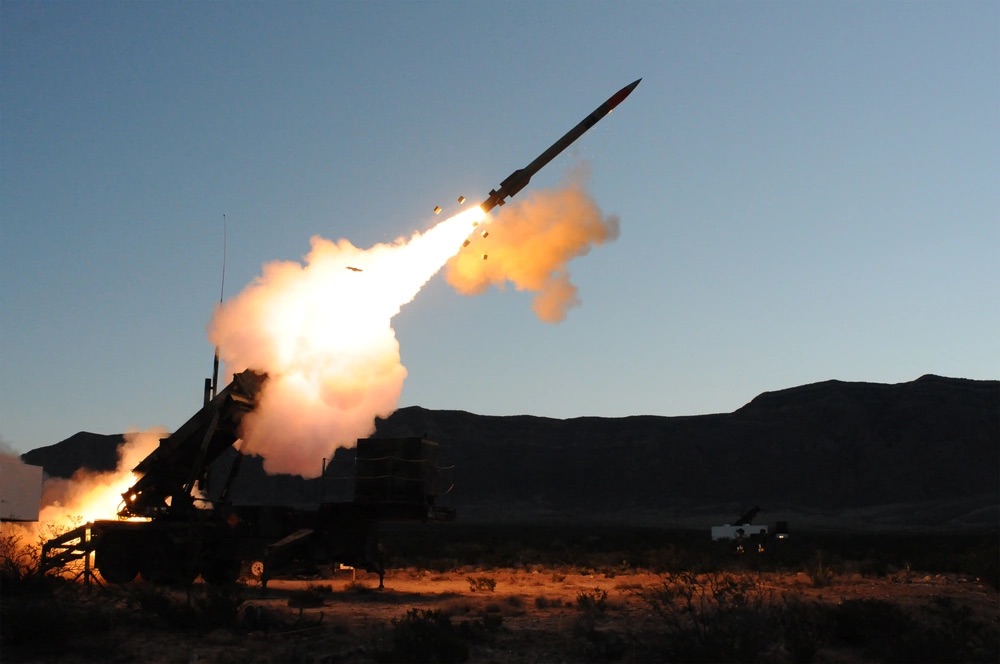
Iran’s Islamic Revolutionary Guard Corps (IRGC) has claimed that some of its Fattah-2 hypersonic missiles and attack drones were able to penetrate US-made Terminal High Altitude Area Defence (THAAD) systems deployed in Israel during strikes on Thursday, 5 March, a development that has renewed debate over the ability of existing missile defences to counter next-generation weapons.
According to Iranian statements released after what it described as the 17th round of “Operation True Promise 4,” several Fattah-2 missiles allegedly breached Israeli air defence layers and struck what Tehran described as high-value military targets around Tel Aviv, including the Israeli Ministry of Defence building and Ben Gurion International Airport.
War update western mainstream media tries to hide
— Parwiz Hamidi _🇵🇸 (@Palestine001_) March 5, 2026
Iran continues to launch Fattah-2 hypersonic missiles at Israel.
Extremely rare and terrifying explosions over Tel Aviv.
The missiles evade more than 10 interceptors, strike, and devastate everything in their path. pic.twitter.com/0JCijvqXb9
The claims were first reported by the South China Morning Post, which also pointed to a newly published Chinese research paper suggesting that many current US missile defence systems may struggle to intercept hypersonic weapons.
The study, led by Liao Longwen of the Northwest Institute of Nuclear Technology, was published in the Chinese journal Tactical Missile Technology on 7 March.
The researchers concluded that the speed, manoeuvrability and flight profile of hypersonic weapons make them particularly difficult for existing US missile defence systems to intercept.
“Existing US missile defences can theoretically intercept some hypersonic weapons in their final stage, but high speed, manoeuvrability and stealth make it very difficult,” the authors wrote.
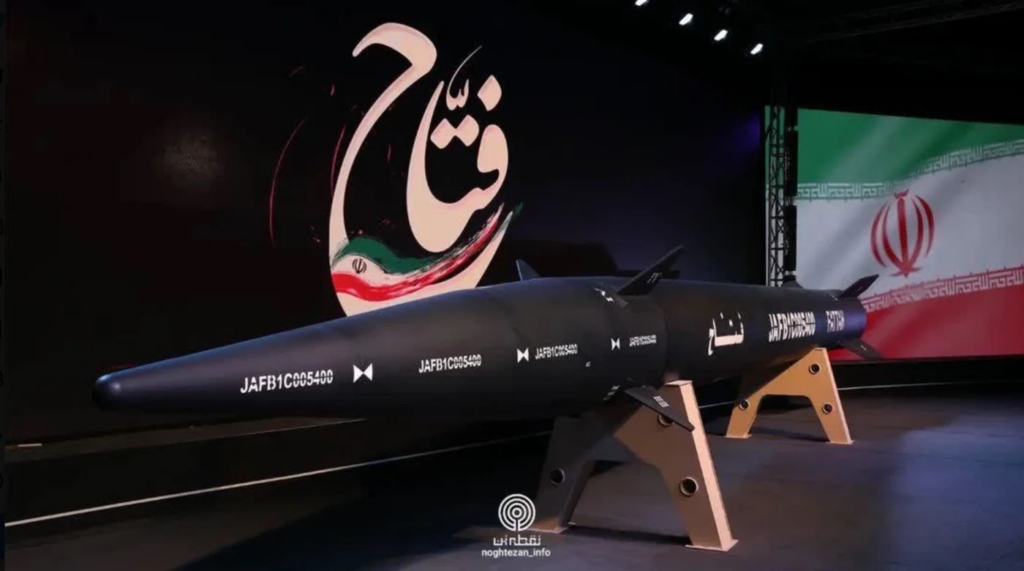
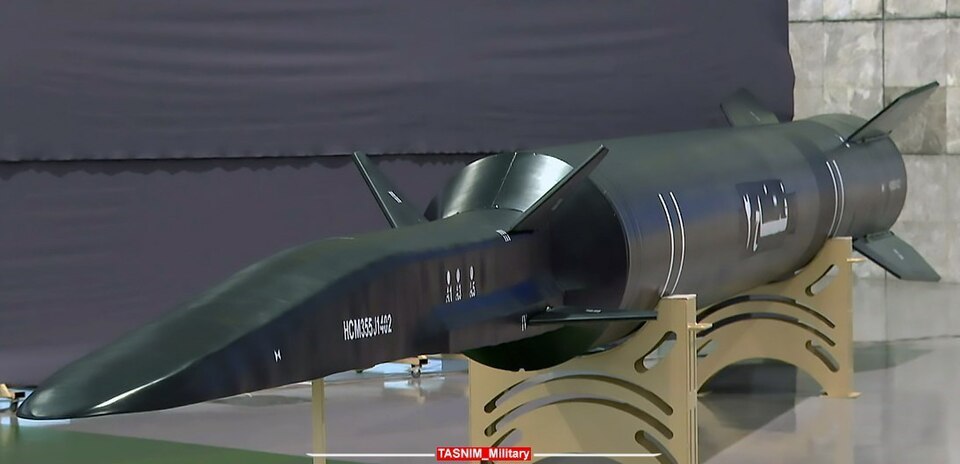
Iranian officials said the strikes involved the Fattah-2 hypersonic missile. Unveiled by Iran in 2023, it is described by Tehran as a manoeuvrable hypersonic missile capable of travelling at speeds above Mach 5 while altering its flight path during the terminal phase.
How hypersonic weapons like Fattah-2 challenge existing missile defence systems
Hypersonic missiles are generally defined as weapons capable of travelling at Mach 5 or faster, while also possessing the ability to manoeuvre during flight.
That combination fundamentally changes the interception challenge.
Traditional ballistic missiles follow a predictable arc through space, allowing radar and interceptor systems to calculate their trajectory.
Hypersonic glide vehicles behave differently: they travel at extreme speeds through the atmosphere and can alter course during flight, making them far less predictable.
According to the Chinese researchers, the United States currently relies on two broad categories of missile defence.
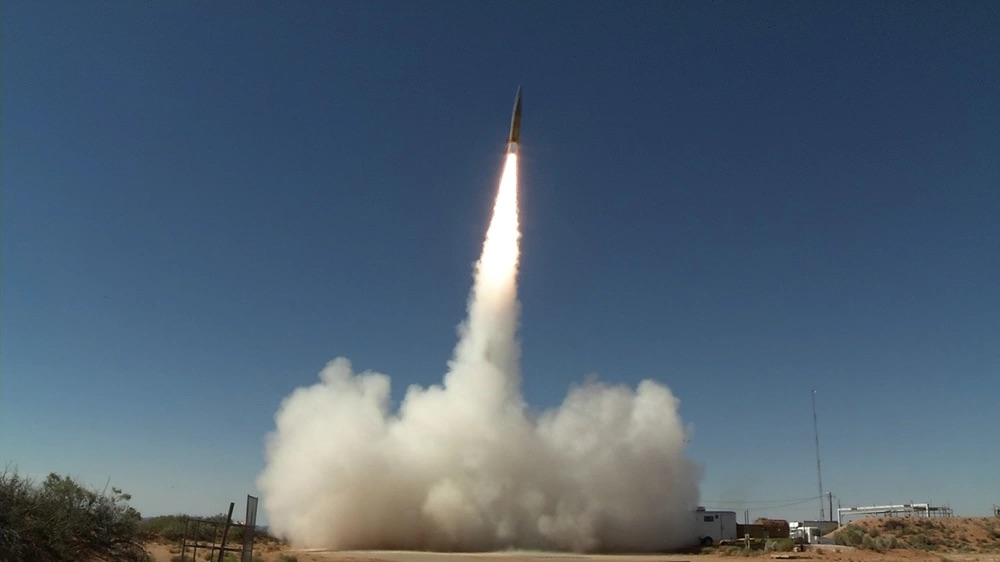
The first is mid-course interception, which targets missiles outside the atmosphere during the middle portion of their flight. Systems such as Ground-Based Midcourse Defense (GMD) and the Aegis SM-3 interceptor operate in this phase, destroying targets through kinetic “hit-to-kill” impacts.
However, hypersonic glide vehicles spend much of their trajectory inside the atmosphere, limiting the effectiveness of such systems.
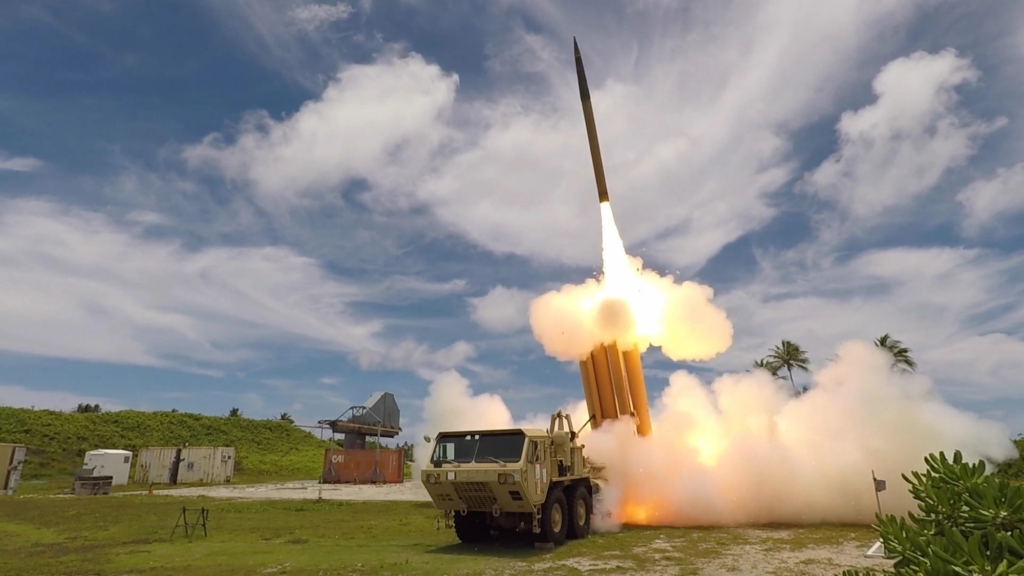
The second layer involves terminal-phase defence, which attempts to intercept a missile during the final stage of its descent. Systems in this category include THAAD, Patriot PAC-3, and naval Aegis SM-2 and SM-6 interceptors.
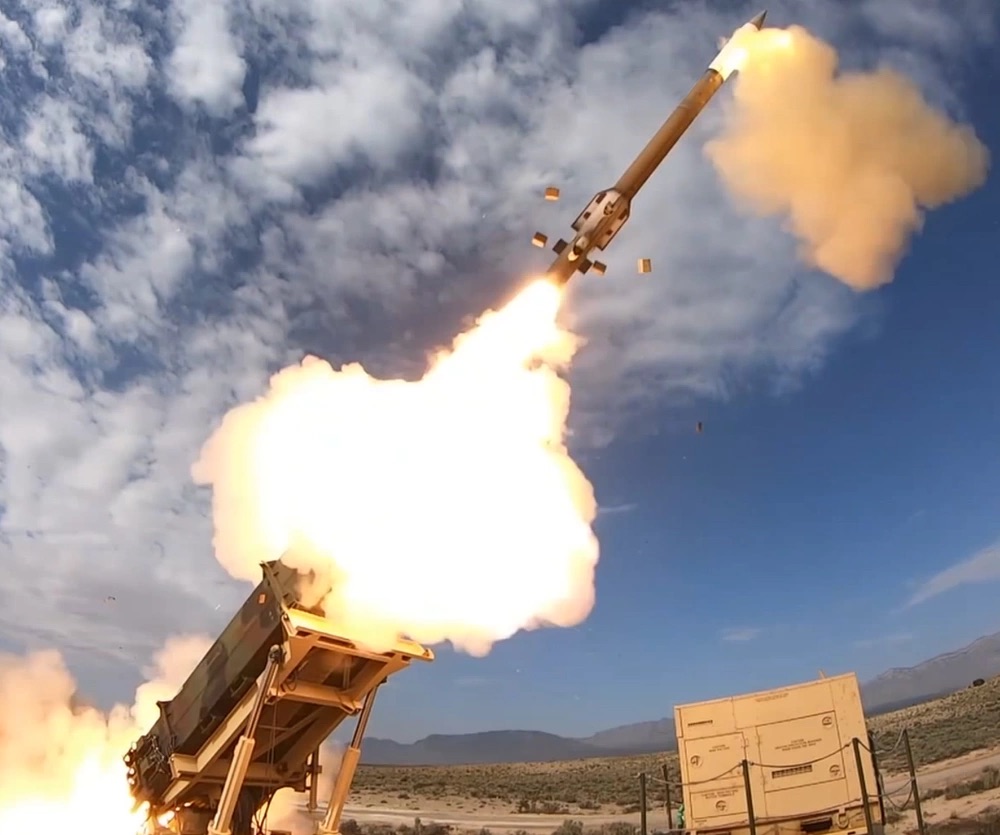
These systems destroy incoming threats in the final seconds of flight, a window that becomes extremely narrow when dealing with weapons travelling at several times the speed of sound.
Manoeuvring hypersonic missiles are even more difficult to intercept
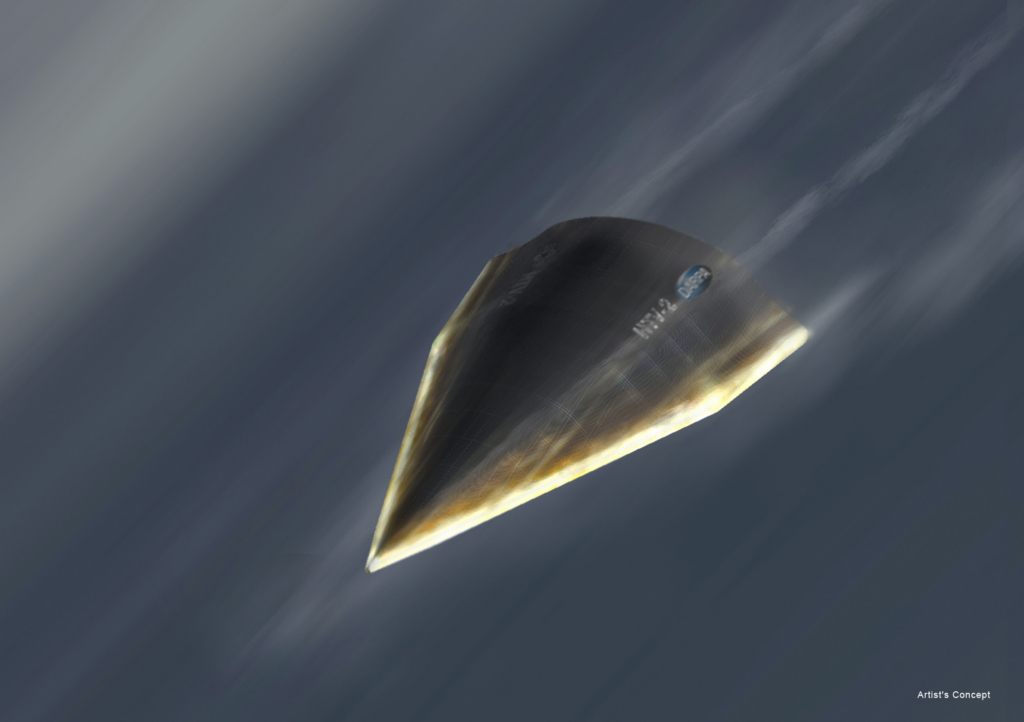
In the modelling scenario presented in the Chinese study, the researchers examined whether the Patriot PAC-3 MSE interceptor could destroy a manoeuvring hypersonic glide vehicle similar to the US experimental HTV-2, a class of weapon comparable to systems such as Iran’s claimed Fattah-2.
Their calculations showed that interception becomes extremely difficult once the hypersonic vehicle begins its terminal dive toward the target.
📍🇮🇷 Missile > 🇮🇱 SAM
— AM Raad (@Raad_Pak) March 3, 2026
Iranian Fattah-2 Hypersonic missile evades 2 Israeli Air Defense missiles (could be Iron Dome & Barak-8), and hits the target.
Note India also uses Barak-8 Air Defence Systems, which also couldn't stop Fatah-1 MLRS of Pakistan in May 2025. pic.twitter.com/ixRfQmFwwA
“When a wedge-shaped hypersonic glider approaches its target, it can flip and use lift to dive sharply toward the ground,” the researchers wrote.
For the interceptor to destroy such a weapon, it must achieve significantly greater manoeuvrability than the incoming missile, potentially requiring two to three times the lateral acceleration of the target.
Even if a collision occurs, the researchers warned that it may not guarantee destruction.
Hypersonic weapons are often designed with reinforced structures and redundant systems, meaning that a partial strike may not prevent the missile from reaching its target.
“Even if a hit is possible, it may not destroy the weapon,” the team concluded.
Israel’s layered missile defence network explained
Despite Iranian claims that Fattah-2 hypersonic missiles evaded Israeli air defences, defence analysts caution that isolated missile impacts do not necessarily demonstrate a failure of missile defence systems.
Israel operates one of the world’s most sophisticated layered air defence networks, combining several systems designed to intercept different types of threats.
These include Iron Dome, designed to intercept short-range rockets; David’s Sling, intended for medium-range threats; Arrow interceptors capable of engaging ballistic missiles in space; as well as Patriot batteries and US-deployed THAAD systems.
Each layer protects against specific types of threats, and no missile defence system is considered completely foolproof.
Even the highly regarded Iron Dome system typically achieves interception rates of around 85–90% under favourable conditions, while Patriot’s effectiveness can vary widely depending on the type of incoming missile.
The US missile defence architecture and the ‘Golden Dome’ concept
The debate over hypersonic interception is unfolding at a time when Washington is already exploring new approaches to homeland missile defence.
One of the most ambitious proposals is the “Golden Dome for America” initiative, announced in early 2025 as part of a broader effort to develop an integrated missile defence architecture capable of protecting the continental United States.
The concept envisions a layered defence network combining space-based sensors, ground- and sea-based interceptors, and potentially directed-energy weapons.
Under the proposal, constellations of satellites would detect missile launches in real time, while interceptors deployed in space, at sea and on land would attempt to destroy incoming threats.
The system could also incorporate high-powered lasers or other directed-energy weapons for boost-phase interception shortly after launch.
Artificial intelligence would likely play a role in linking sensors and interceptors, allowing faster decision-making across the network.
The ambition of the project reflects growing concern in Washington over emerging missile threats from countries including China, Russia, North Korea and potentially Iran.
Golden Dome missile defence proposal still in early development
Despite the scope of the proposal, the Golden Dome remains largely conceptual.
No operational hardware has yet been deployed, and the Pentagon is still studying how such a system could be built and integrated.
Initial cost estimates have varied widely. Some projections suggest the programme could exceed $500 billion, making it one of the most expensive missile defence efforts ever attempted.
Even under optimistic timelines, early demonstrations of the concept are unlikely before the end of the decade.
Hypersonic weapons like Fattah-2 are forcing a rethink of missile defence
For decades, missile defence systems have been designed primarily to counter ballistic missiles, whose predictable trajectories make them easier to track and intercept.
Hypersonic weapons are forcing a reassessment of that approach.
Their speed, manoeuvrability and low-altitude flight profiles challenge the assumptions underlying many existing systems.
While it remains unclear whether the Fattah-2 missiles reportedly used in the strikes truly possessed hypersonic capabilities
Featured image: DVIDS