US flips the script on Iran with new CENTCOM squadron of Shahed-style attack drones

December 4, 2025
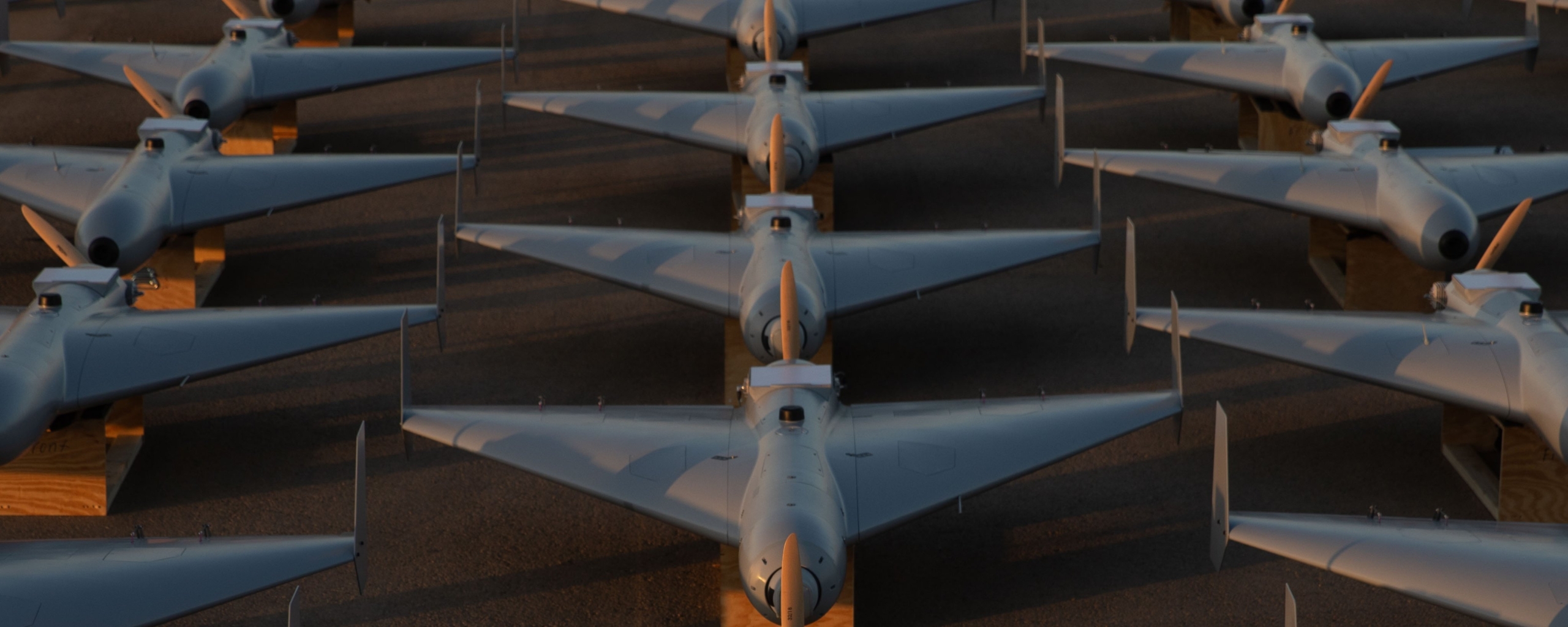
Having battled Iran’s Shahed-style drones and watched them proliferate, the US is now flipping the script and fielding its own low-cost Shahed-style drones.
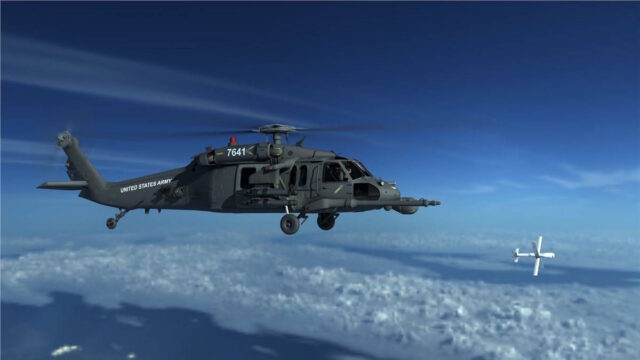
CENTCOM stands up first one-way attack drone squadron
Yesterday, the US Central Command (CENTCOM) announced its first one-way-attack drone squadron consisting of around two dozen troops.
The development came four months after Secretary of War Pete Hegseth directed the acceleration of “acquisition and fielding of affordable drone technology.”
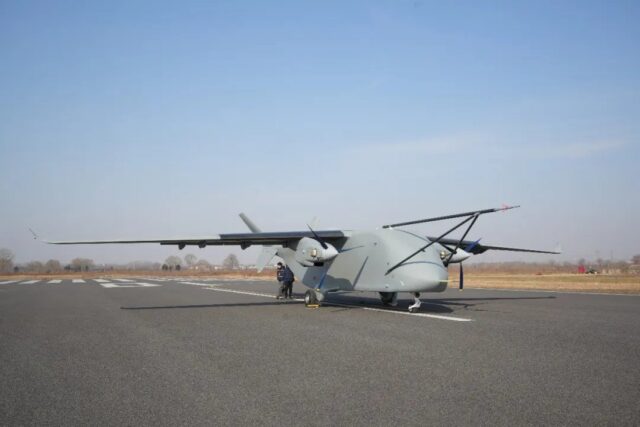
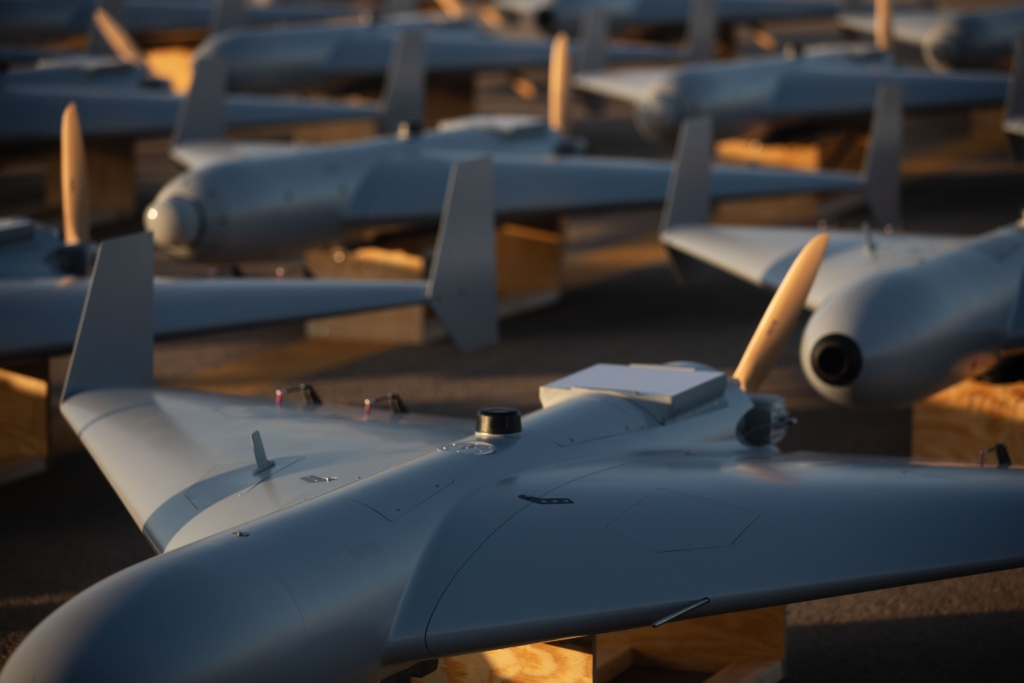
The range of these vehicles wasn’t stated. CENTCOM said the range was “extensive,” adding that they operate autonomously. The vehicle was developed by SpektreWorks, and according to its website (at least the target version), it has a range of 444 nautical miles. Iranian Shaheds have a range of around 1,080 nautical miles.
The news release also said they have different ways of being launched, including catapults, rocket-assisted takeoffs, and mobile ground and vehicle systems. It is intended for the new capability to deliver low-cost drones to US forces rapidly.
AGN previously reported that the US has reverse-engineered Iran’s Shahed-136 drones, although they were reported to be for target practice. But now, the US is seeking to “flip the script on Iran” with its own Shahed-style drones.
American Shahed 2? You bet! Meet the MQM-172 "Arrowhead", an enhanced US copy of the Iranian Shahed-136 kamikaze drone. This is apparently the second Shahed clone; the first, called LUCAS (Low-Cost Uncrewed Combat Attack System), was developed by Arizona-based SpektreWorks and… pic.twitter.com/ptI5iq9vk9
— Air Power (@RealAirPower1) August 8, 2025
According to reporting by The War Zone, the LUCAS drone costs around $35,000 each and is around 10 feet long with a wingspan of eight feet.
CENTCOM’s new Task Force Scorpion Strike
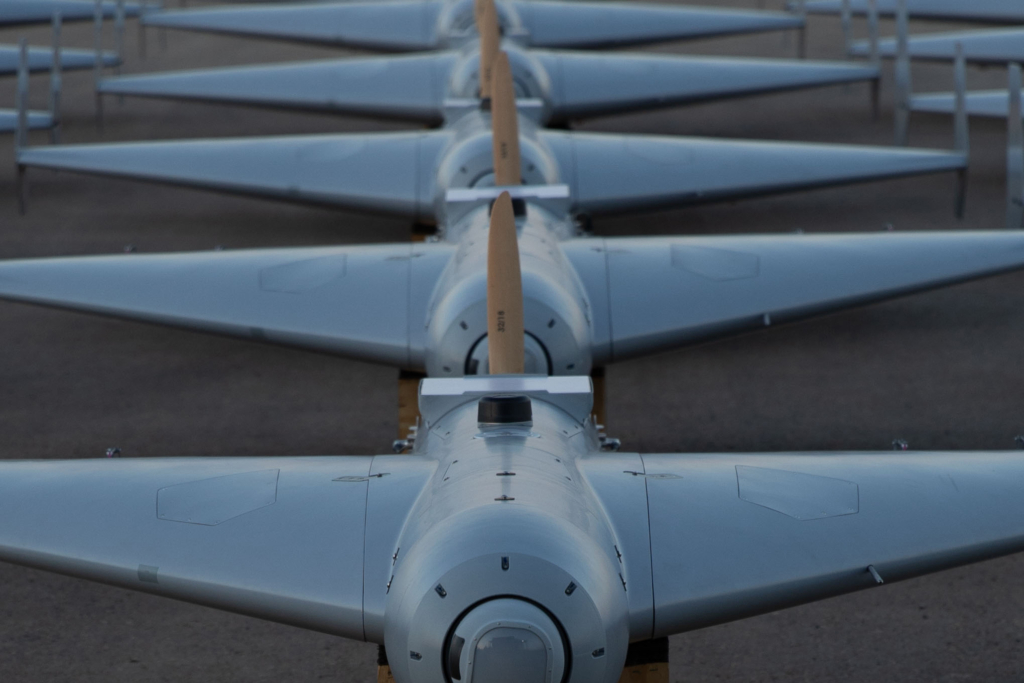
CENTCOM has now stood up its Task Force Scorpion Strike (TFSS), which has already formed a squadron of one-way attack drones officially called ” Low-cost Unmanned Combat Attack Systems (LUCAS).”
CENTCOM launched the Rapid Employment Joint Task Force (REJTF) in September. It is led by a chief technology officer “to fast-track processes for outfitting deployed forces with emerging capabilities.”
The task force is working to coordinate innovation efforts within the US military to focus on capability, software, and tech diplomacy.
The lead personnel in TFSS are from Special Operations Command Central and “align with REJTF’s capability focus area.” The revelation of a new drone strike unit felt like “if you can’t beat them, you may as well join them.”
It is often said that victorious militaries are preparing to fight the last war, while defeated militaries innovate to fight the next war. This is a tale as old as time.

For example, a defeated Germany developed a new doctrine for manoeuvre warfare after WWI, while Britain and France entered WWII believing they would fight a static war and a re-run of WWI. France collapsed, and Britain was driven off the continent.
The US developing Shahed-style drones is at least one indication that it doesn’t want to fall into the same trap. It’s at least a partial recognition that wants to prepare for the next war, and while knowing what worked in the past might not work in the future.
Get the latest aerospace defence news here on AGN.
Finally joining the drone race
In recent years, the US has been battling massed cheap one-way attack drones from Iran and the Houthis in Yemen, while also supporting Ukraine to counter massed Russian Shahed-style one-way attack drones.

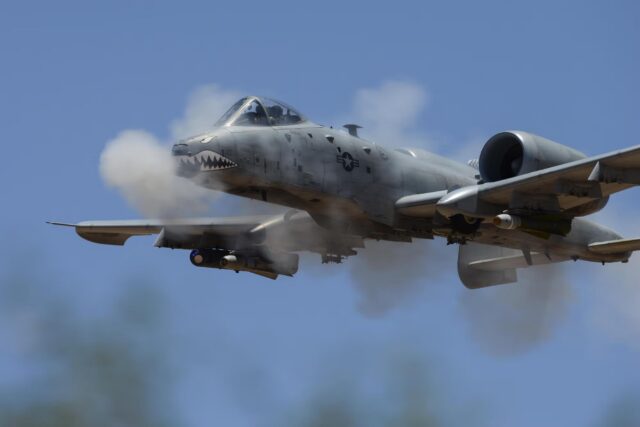
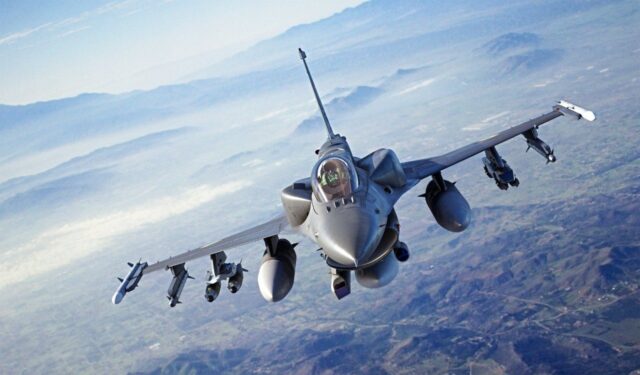
Countries around the world are currently racing to develop ways to counter swarms of one-way attack drones. It is simply not viable to use advanced air-to-air missiles en masse. One urgent measure the US Air Force took was to jerry-rig F-15Es, F-16s, and A-10s to carry large numbers of low-cost laser-guided APKWS II rockets.
— Der Gepardkommandant (@gepardtatze) July 20, 2025
Ukraine has seen success in countering drones with interceptor drones and even modified helicopters. Israel is currently bringing its new Iron Beam laser system into operation. The US military already fields laser defence systems, while the UK is preparing to roll out its new Dragonfly laser system.
Featured Image: US CENTCOM