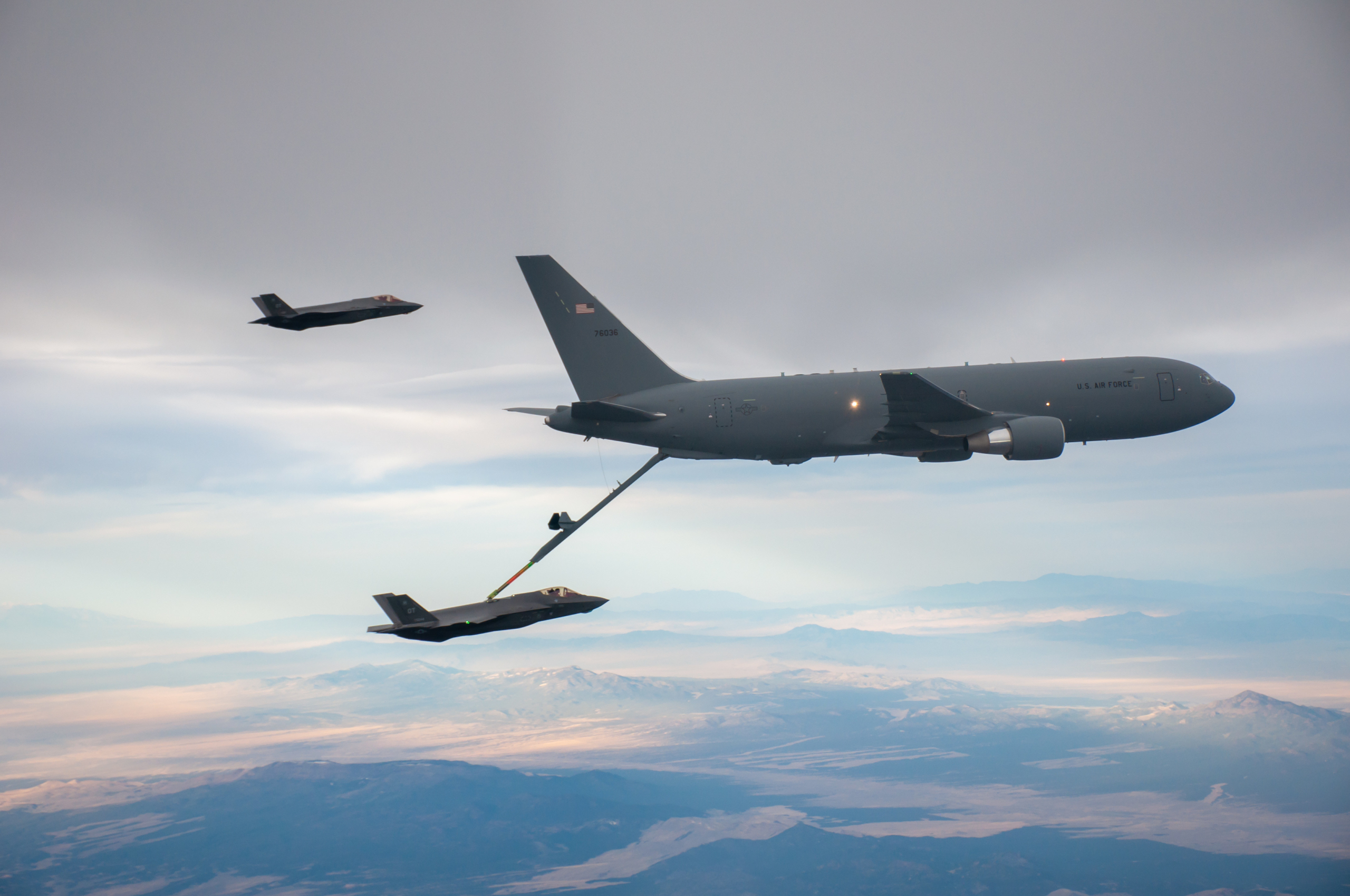
After a second near-collision, the US military aircraft will now keep their transponders on while operating over Aruba and Curaçao airspace near Venezuela. The development comes as direct military action against Venezuela could start at any time.
Second near mid-air collision with US military aircraft near Venezuela
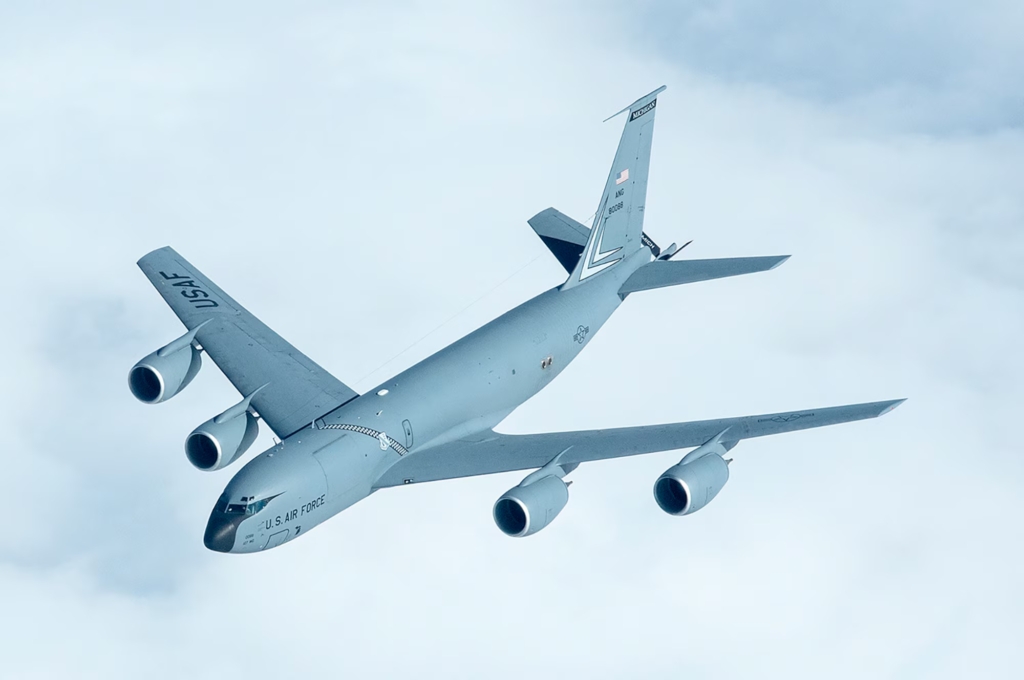
CNN reported yesterday that a private Falcon 900EX narrowly avoided a collision with a USAF refuelling tanker near Venezuela on Saturday. The aircraft was flying to Miami from the island of Aruba, which is located just 25-30 kilometres from Venezuela.
This was learned from radio transmissions that CNN reviewed. The publication says the Falcon pilots reported the near collision to air traffic controls in Curaçao.
One pilot is heard informing air traffic control, “They were really close…We were climbing right into him. It was big, maybe a 777 or a (767).”
This is the second such near-miss, coming just a day after a similar incident in the area. As the US builds up its forces in the Caribbean amid tensions with Venezuela, risks are increasing that there could be an accident.
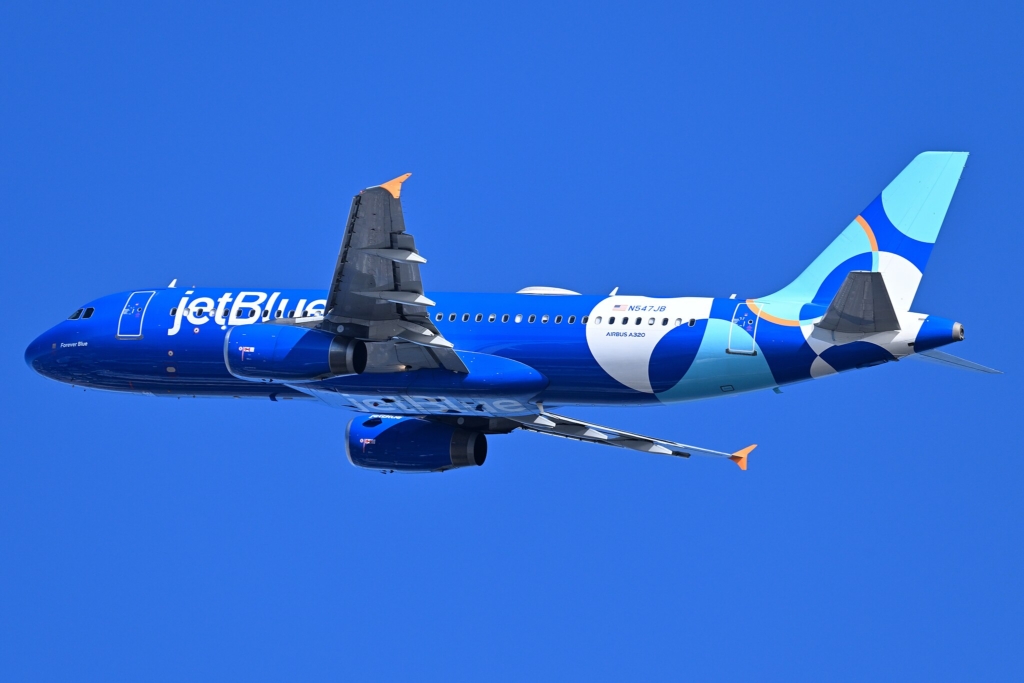
On Friday, JetBlue Flight 1112, flying from the sun-destination of Curaçao to New York-JFK, radioed air traffic control saying they were forced to abruptly stop their climb after a US tanker crossed directly in front of their flight path.
US Air Force aircraft to keep transponders on
The near-misses were because the US tankers were flying with their position-reporting transponders turned off. It is common for military aircraft to have their transponders or ADS-B (Automatic Dependent Surveillance–Broadcast) turned off, although this poses risks for civil aviation.
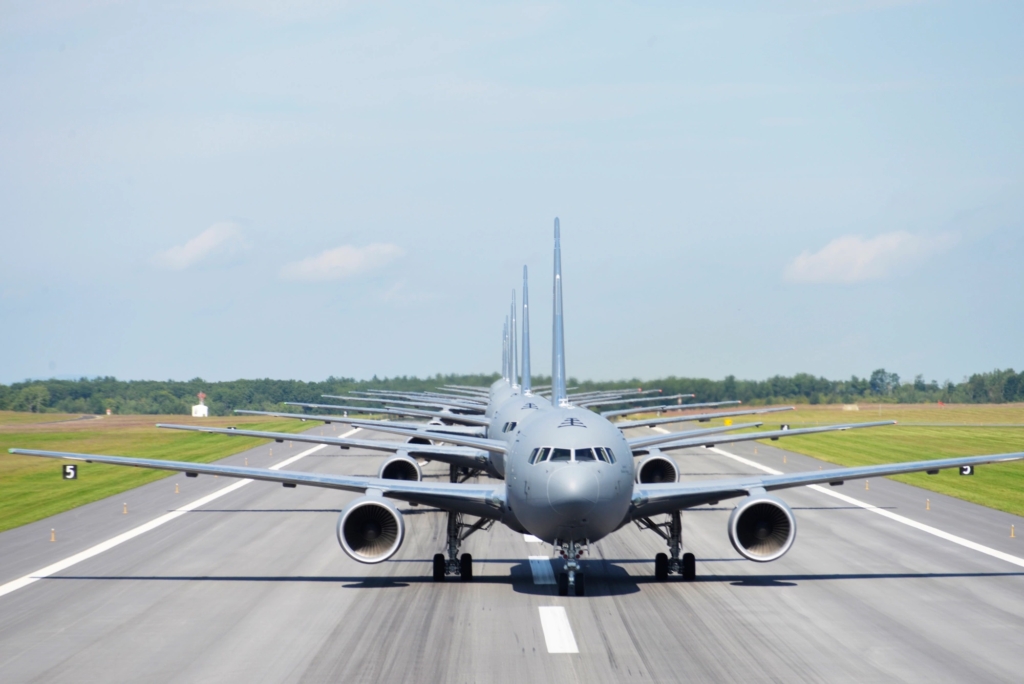
Today, DutchNews reported that authorities in Aruba and Curaçao stated that US military aircraft flying in their airspace will keep their transponders turned on. This followed agreements with the US after the close calls.
The transponders will enable the aircraft to be seen and for air traffic control to know their position and altitude. It is unclear if this will continue if direct conflict breaks out, as military aircraft typically want to hide their positions during exercises and conflicts.
In November, the FAA issued a NOTAM saying “Operators are advised to exercise caution when operating in the Maiquetia flight information region (SVZM FIR) at all altitudes due to the worsening security situation and heightened military activity in or around Venezuela.”
Well I arguably think this is a more striking show of force than any of the B-52 or B-1 flights. https://t.co/Yxvfnw26Pb pic.twitter.com/vRGfvKBuOt
— SA Defensa (@SA_Defensa) December 9, 2025
While there is currently no state of open war between the US and Venezuela, the maneuvers are posing issues for civil aviation. The US has attacked multiple high-speed boats from the air and has flown its strategic bombers near Venezuela in shows of force.
Get the latest aerospace defence news here on AGN.
FAA NOTAM to airlines operating over Venezuela
US authorities have already imposed a NOTAM warning airlines from flying over Venezuela’s airspace.
The NOTAM cites increased GNSS (GPS) interference in Venezuelan airspace and the increased military drills as the reason. It stipulates that US operators now need to provide 72 hours’ prior notice to the FAA before flying through Venezuela.
Embed this post here
— TheIntelFrog (@TheIntelFrog) Link to post
It’s worth noting that US-based airlines have been barred from flying to/from Venezuela since 2019.
A number of international airlines have suspended flights to Venezuela, and more are avoiding Venezuelan airspace. Venezuela has responded by revoking operating rights for these airlines: namely, Iberia, TAP, Avianca, Latam Colombia, Turkish Airlines, and Gol.
Currently, the military activity is taking place just north of Venezuela, around popular Caribbean islands not far off the coast. The “ABC” islands, Aruba, Bonaire, and Curaçao, which are part of the Kingdom of the Netherlands, are particularly affected.
Featured Image: US Air Force