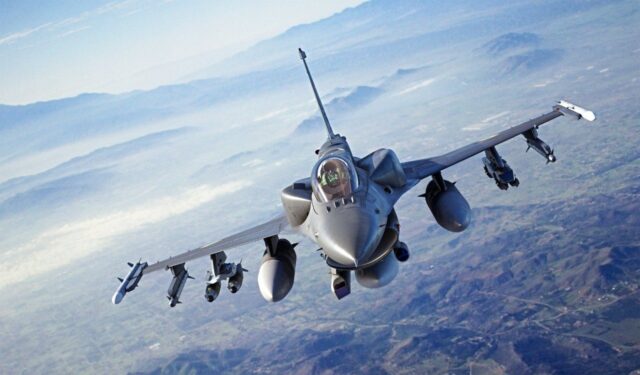
A US Air Force Thunderbirds F-16C Fighting Falcon jet has crashed in California

December 3, 2025
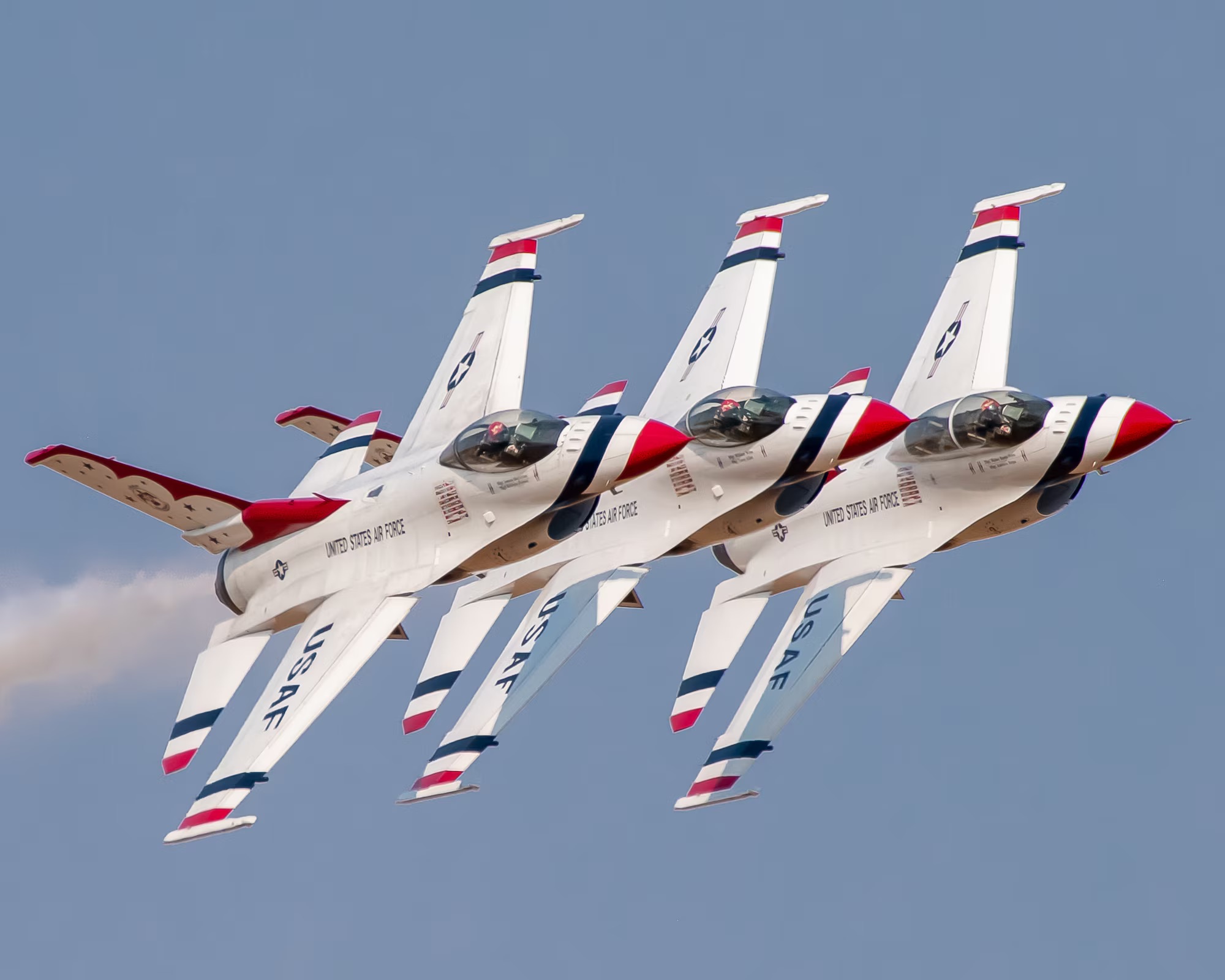
A pilot flying for the US Air Force ‘Thunderbirds’ air demonstration team is in a stable condition after ejecting safely from his stricken F-16 jet before it crashed in flames.
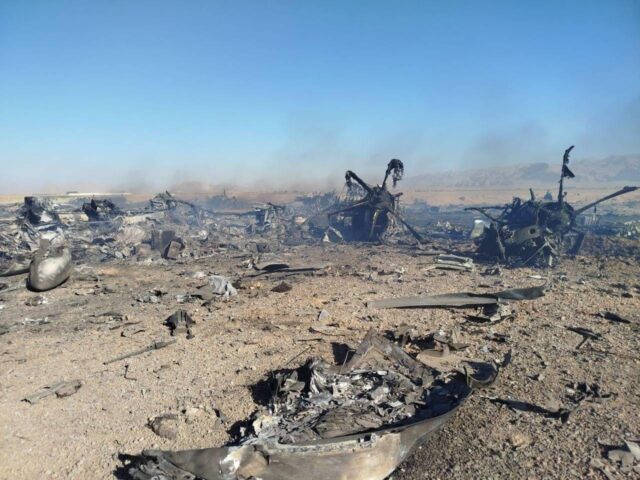
The F-16C Fighting Falcon crashed into what looks to be a dry lake bed at around 10:45 this morning, erupting in a fireball on impact. The pilot escaped but was taken to the hospital with minor injuries.
The Thunderbirds were on a training sortie earlier today, 3 December, near Trona in Southern California. Eyewitnesses report seeing six aircraft flying low in the area before seeing a plume of black smoke.
🚨#BREAKING: Watch as a U.S. Air Force F-16C jet Thunderbird Crashes in Fiery Wreckage ⁰⁰📌#Trona | #California⁰⁰Watch as a U.S. Air Force F-16C Fighting Falcon assigned to the elite Thunderbirds demonstration team went down near Trona Airport in San Bernardino County,… pic.twitter.com/Ac6rwMZwI4
— R A W S A L E R T S (@rawsalerts) December 3, 2025
The USAF Thunderbirds confirmed, via their official X account, the details of the accident, noting that the incident is under investigation.
Online commentary suggests that the incident aircraft was Thunderbirds #5, but the Air Force is yet to confirm this.
F16 Thunderbird 5 photographed with its last takeoff before it crashed in Trona, CA. Insane to see six of them take off from Nellis and only five returned. I’ll try to post the images later of the Thunderbird’s last takeoff. This is just a picture of the screen from my camera pic.twitter.com/rJaIfXpLHN
— Kelvin Cheng (@kelvinkccheng) December 3, 2025
Thunderbirds jet crashed in controlled airspace
The Thunderbirds display team completed their last airshow of the 2025 season, flying at the Aviation Nation event at Nellis AFB in November.
Over the winter, the team train and prepare for the upcoming year, often out of Nellis near Las Vegas. The China Lake region provides a safe training ground for the team – sparsely populated, remote terrain and restricted airspace.
Thanks to this, there were no injuries on the ground as a result of the loss of the F-16C. ABC cameraman Josh Zaida shared footage from overhead the crash site in a helicopter, showing a vast impact zone and scorch marks on the ground.
Flying over the F16 Thunderbird crash today near Trona Airport. Pilot ejected safely sustaining minor injuries. pic.twitter.com/b1U4iF6y5M
— Josh Zaida (@zaidanator) December 3, 2025
The Thunderbird’s next engagement is on 16 February, 2026, for the Daytona 500 in Florida. Although the team will be down an aircraft, they keep a few in reserve.
In total, the USAF display team has 12 F-16s in all – nine C models, six of which are used for display with the rest kept in reserve, and three twin-seat F-16Ds.
F-16 pilot ‘stable’ but not unhurt
The US Air Force has not disclosed the nature or extent of the Thunderbird pilot’s injuries. Its only on-the-record comment so far is that he is in a stable condition and “receiving follow-on care” after ejecting from the F-16C during the training mission.
Even when everything works exactly as designed, a modern ejection is a violent last resort rather than a gentle escape. The seat fires the pilot clear of the jet with forces that can exceed 12–20 g in a fraction of a second, loading the spine, neck and limbs.
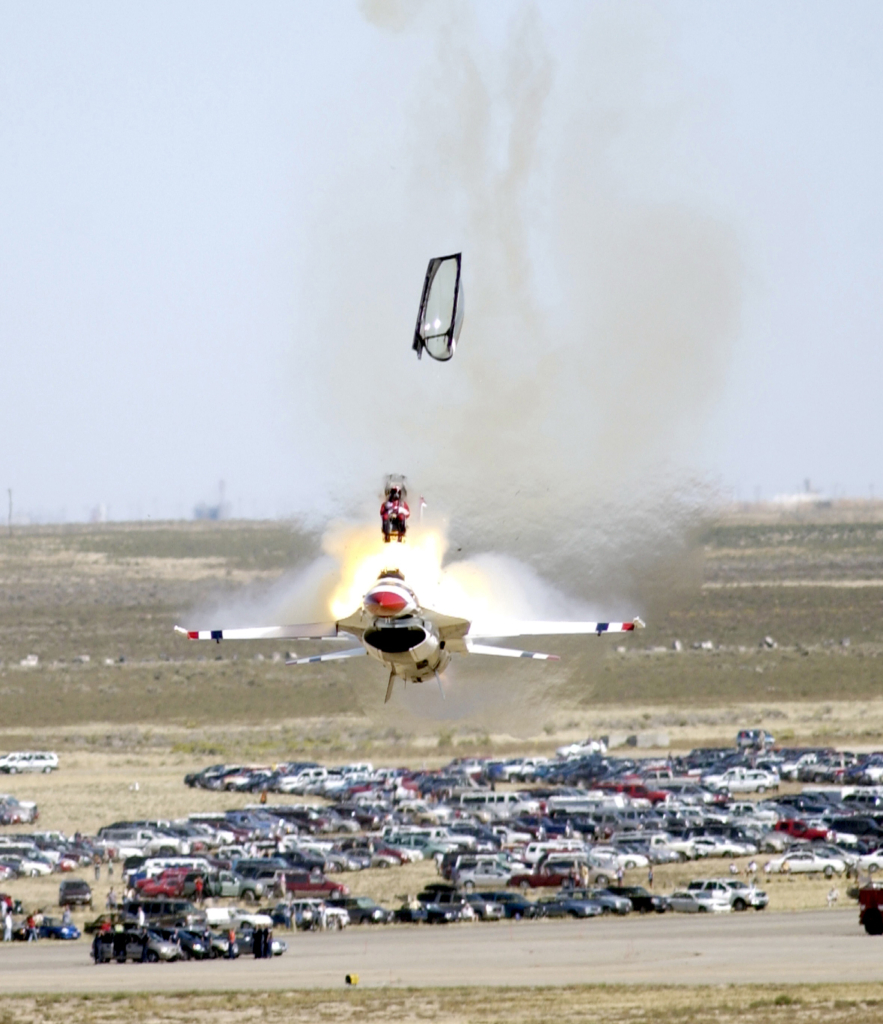
Studies of fast-jet ejections suggest that around a third of pilots suffer some form of spinal fracture and over half sustain some degree of spinal injury, usually from compression of the vertebrae.
On top of the initial blast off the rails, the pilot then has to contend with high windblast, parachute opening shock and a hard landing, each of which can add bruising, whiplash, back injuries or broken bones.
In practice, an ejection that saves a pilot’s life almost always leaves them with at least minor injuries, and sometimes significant ones. AGN’s thoughts are with the Thunderbirds pilot and we wish them a speedy recovery.