US Air Force seeks used Boeing 737-700 to expand C-40 VIP fleet

February 6, 2026
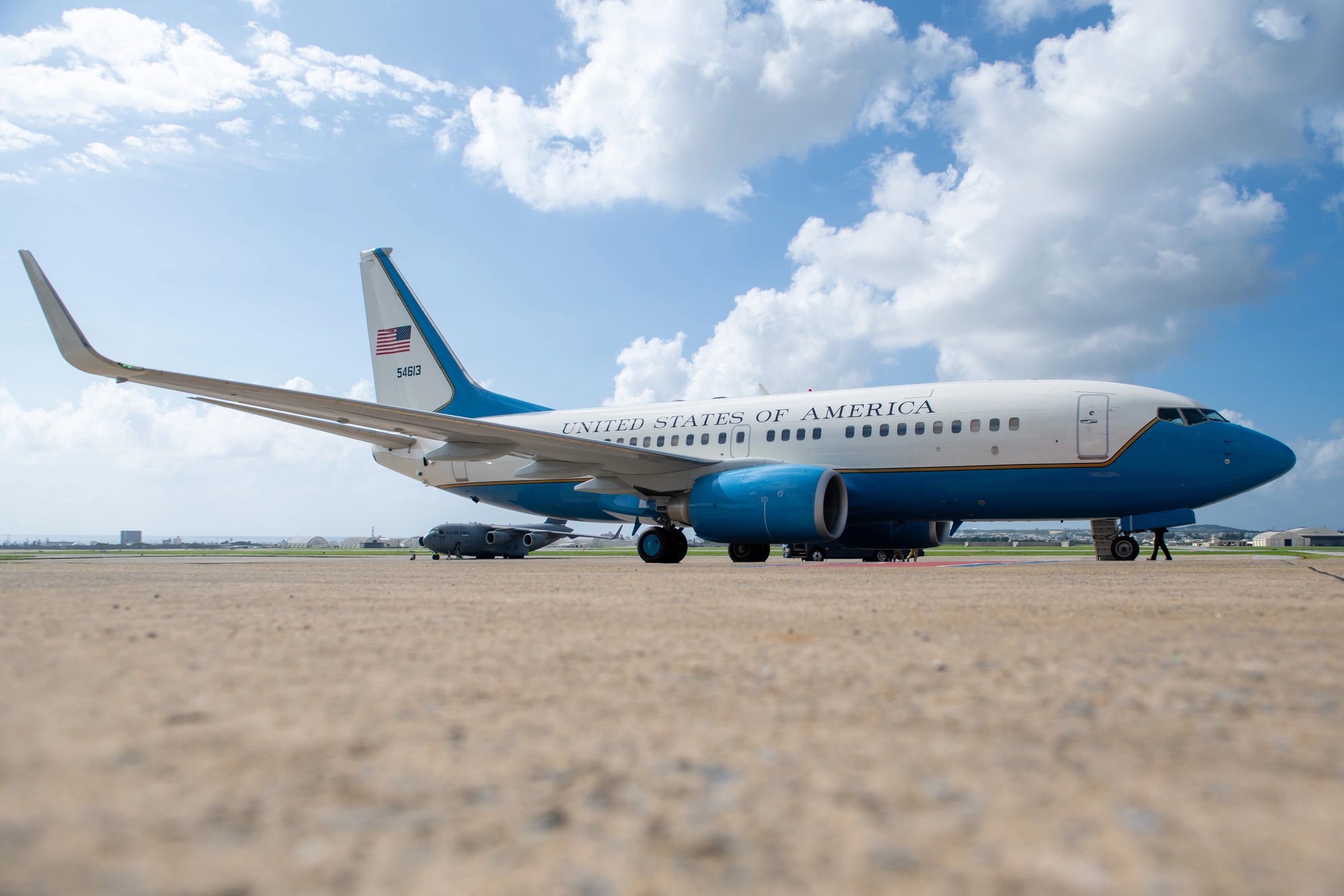
The US Air Force has formally begun market research for the acquisition of a pre-owned Boeing 737-700 series aircraft that could be converted into a C-40C Clipper, signalling renewed momentum behind efforts to expand its executive airlift fleet.
In a Request for Information (RFI) issued by the Department of War through the Air Force Life Cycle Management Center (AFLCMC/WVV), the service is seeking industry input on the availability, condition and cost of a single Boeing 700-series aircraft suitable for modification to C-40C configuration.
The notice, released on 2 February 2026, sets a submission deadline of 4 March 2026 at 12:00 PM CST.
US Air Force conducts market research for used Boeing 737-700
The RFI makes clear that it is not a solicitation and does not authorise reimbursement of costs incurred in responding. Instead, the Air Force is gathering data to assess the feasibility of acquiring a used aircraft and converting it into a medium-range VIP transport platform.
The Boeing C-40C is a military derivative of the Boeing 737-700 Next Generation airliner and is used by the Air Force to transport senior government officials, including members of the Cabinet and Congress.

The aircraft features a 777-type flight deck, specialised communications systems and a flexible cabin layout accommodating between 42 and 111 passengers.
Though the body of the C-40 is identical to that of the Boeing 737-700, it has winglets. It has state of the art avionics equipment, integrated GPS and flight management system/electronic flight instrument system and a heads-up display.
Heading the safety equipment list is the traffic collision avoidance system and enhanced weather radar. The aircraft combines the 737-700 fuselage with the wings and landing gear from the larger and heavier 737-800. The basic aircraft has auxiliary fuel tanks, a specialised interior with self-sustainment features and managed passenger communications.
The cabin area is equipped with a crew rest area, distinguished visitor compartment with sleep accommodations, two galleys and business class seating with worktables.
The US Air Force’s C-40 VIP Boeing 737s
The Air Force selected the C-40B to replace the ageing fleet of C-137 aircraft for US combatant commanders. The Air Force awarded the medium lift contract in August 2000.
By using commercial, off-the-shelf acquisition practices and a new lease program for the C-40C model, the Air Force reached a benchmark for aircraft procurement. The C-40C was the first military aircraft to be purchased in this manner. The 201st Airlift Squadron, Washington, D.C. National Guard, acquired two C-40C aircraft in October 2002.
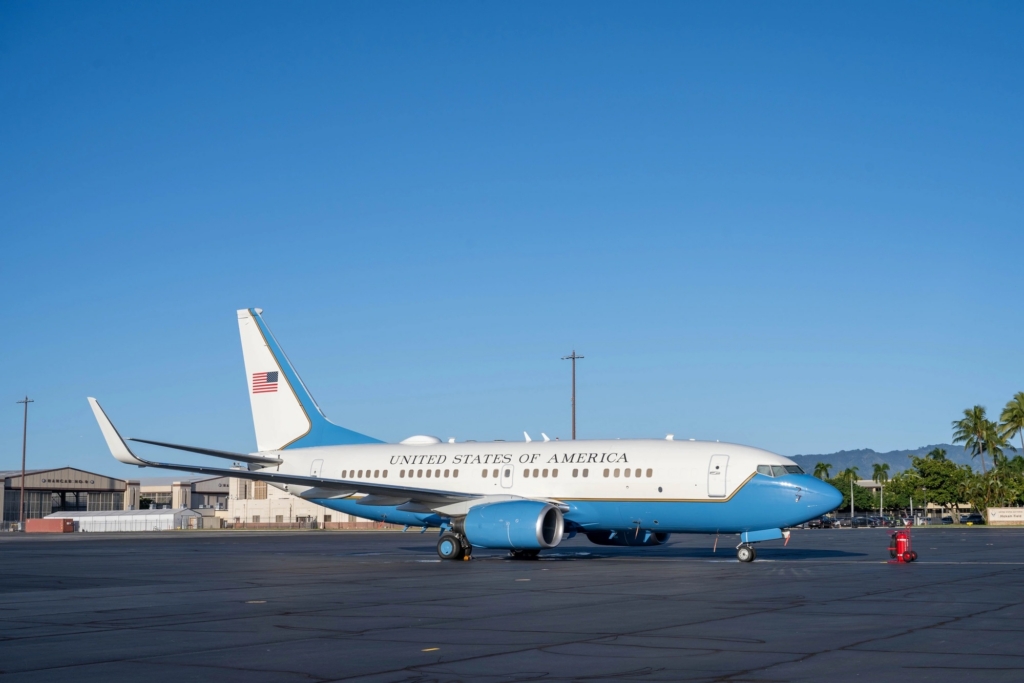
The C-40C was intended to replace the ageing C-22. The 89th Airlift Wing received its first C-40B aircraft in December 2002. Both units are based at Joint Base Andrews, Maryland.
The 15th Airlift Wing, Joint Base Pearl Harbor-Hickam, Hawaii, acquired its C-40B for US Pacific Command in February 2003. The 932d Airlift Wing, Scott Air Force Base, Illinois, received three C-40C aircraft in 2007.
The current C-40 fleet consists of 11 aircraft across B and C variants. The proposed acquisition would expand that fleet, as recently authorised by Congress.
Congress authorises funding for additional C-40C aircraft
Earlier uncertainty surrounding funding appears to have been resolved. Congress passed the fiscal 2026 defence appropriations bill on 3 February, approving $839 billion in Pentagon funding.
Within that package, lawmakers authorised and appropriated $250 million for “one additional aircraft” for the executive airlift fleet.
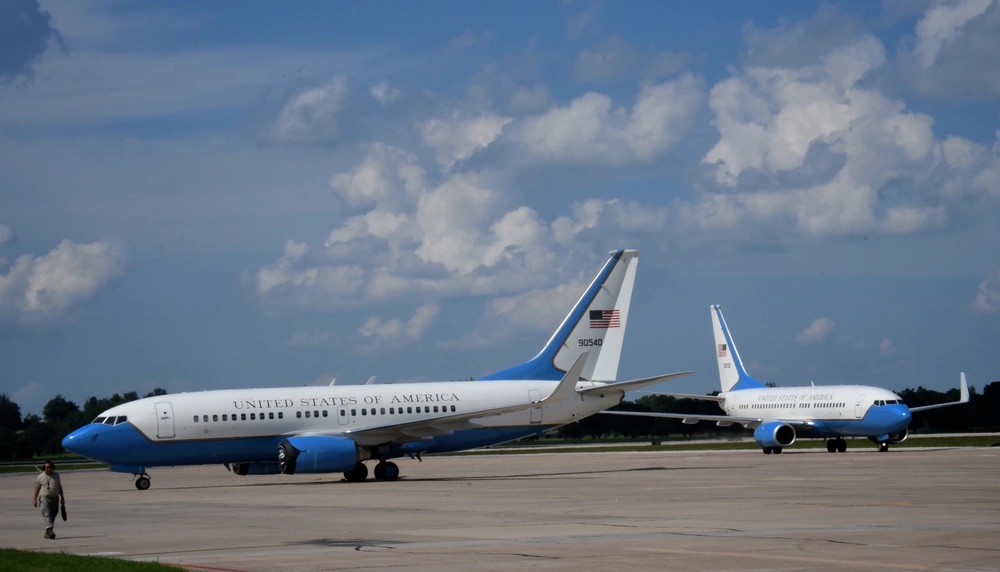
The appropriations legislation also prohibits the retirement of any existing C-40s in 2026, meaning the new aircraft would augment rather than replace the current fleet.
This development comes at a time when the Air Force’s executive airlift inventory, including the VC-25, C-32, C-37 and C-40 fleets, is undergoing transition. Many aircraft are more than 20 years old and must maintain high readiness levels to support the global travel requirements of senior US leadership.
Why the US Air Force wants a pre-owned Boeing 737-700
The Air Force’s preference for a used Boeing 737-700 is shaped partly by industrial realities. Boeing ceased production of the 737 Next Generation family in 2020, shifting to the 737 MAX line.
Procuring a new-build aircraft would likely involve higher costs and longer delivery timelines due to production backlogs.

Analysts cited in industry reporting suggest that new 737 MAX aircraft typically cost around $100 million per airframe before mission modifications.
By contrast, acquiring a pre-owned 737-700 may provide a more cost-effective and expedient pathway, particularly given the $250 million funding ceiling.
The RFI does not explicitly exclude other Boeing 700-series models, but it requires respondents to demonstrate that any proposed airframe is technically suitable for C-40C conversion and to outline past performance in modifying Boeing 737-700 aircraft.
Air Force RFI sets technical requirements for Boeing 737-700
The Air Force’s information requirements are extensive and reflect the complexity of converting a commercial airliner into a VIP-configured military platform.
Respondents must provide full aircraft identification details, including serial number, tail number and operational history. The service is requesting total airframe flight hours and cycles, remaining structural life estimates and findings from the most recent heavy maintenance check.
For engines, vendors must specify make, model and serial numbers, total time and cycles since new, and remaining life until overhaul for life-limited parts.

Avionics and mission systems will also undergo detailed scrutiny. Respondents are required to provide a complete list of installed systems, including manufacturer, model and current software versions, along with operational status.
Maintenance records must be comprehensive and available in digital, searchable format, covering the aircraft’s lifecycle “from birth to present”.
Cost submissions must include firm fixed pricing for the aircraft and itemised additional costs such as taxes, fees, spare parts and ground support equipment.
Air Force assesses the feasibility of converting 737-700 to C-40C
A central element of the RFI concerns the technical feasibility of converting a proposed aircraft to full C-40C configuration.
Industry respondents must provide a technical assessment confirming the airframe’s suitability, outline prior experience in executing complex modification programmes on Boeing 737-700 platforms, and estimate the timeline from contract award to delivery, including certification milestones.

The C-40C configuration incorporates specialised communications, mission systems and a flexible cabin layout designed to meet executive transport requirements. Achieving that configuration requires substantial integration work beyond standard commercial modification.
The Air Force has also indicated that delivery planning must include inspection and acceptance arrangements, and whether ferry flight costs to a designated Department of War facility are included in the purchase price.
Air Force VIP airlift fleet is under pressure
The RFI is part of broader executive airlift modernisation efforts. The VC-25B programme, which will replace the VC-25A aircraft used for presidential transport, has experienced delays and is not expected to deliver until mid-2028.
The RFI explicitly states that it does not constitute a solicitation or commitment to award a contract. All responses are voluntary, become government property and will not be returned. The government does not intend to reimburse costs incurred in preparing responses.
Industry discussions may follow the government’s assessment of submissions, but no contract award is guaranteed.
As responses are evaluated over the coming weeks, the Air Force will determine whether the secondary market can provide a viable Boeing 737-700 platform capable of conversion into a C-40C Clipper, expanding a fleet that remains central to the mobility of US civilian and military leadership worldwide.
Featured image: USAF