United Airlines turns 100 today, but the celebrations are strangely low key

April 6, 2026
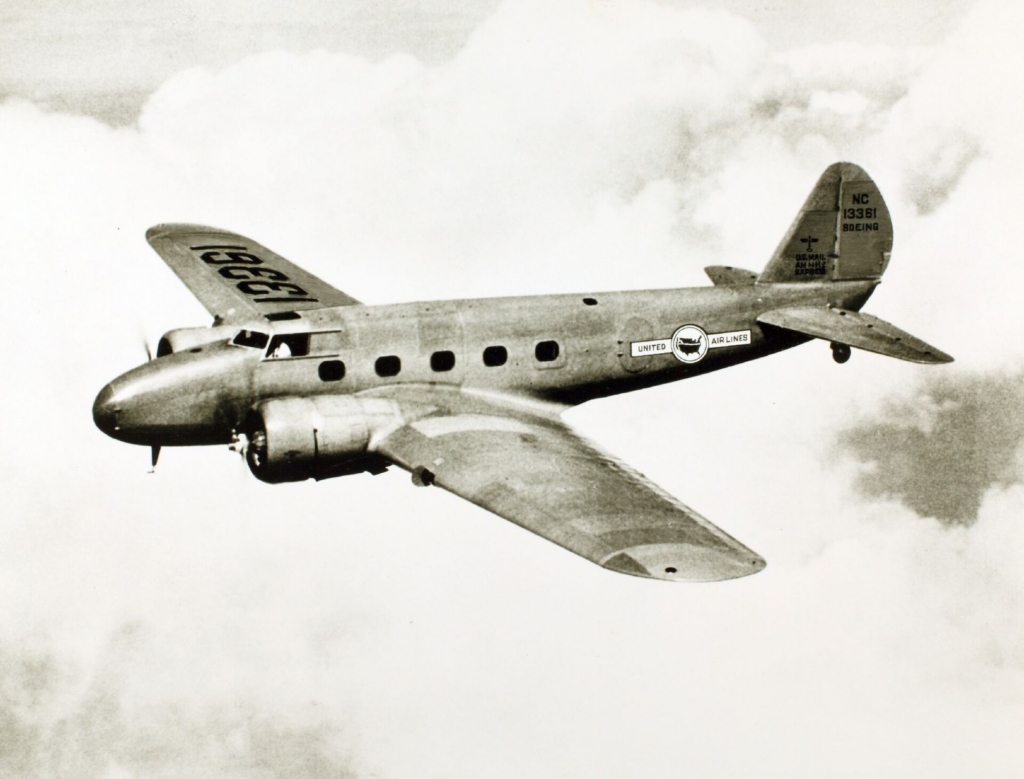
On April 6, 1926, a small airmail operation took off under Varney Air Lines, carrying letters across the western United States. That flight is widely recognised as the starting point of what would eventually become United Airlines.
A century on, United is one of the world’s largest carriers, a global network airline with a fleet of over a thousand aircraft and a presence spanning every major aviation market. And yet, for an airline of that scale and historical weight, the milestone has arrived with surprisingly little fanfare.
While peers have leaned heavily into their centenaries, United’s 100th birthday has, at least so far, passed almost quietly.
100 years of United Airlines pass with little fanfare
Part of the explanation lies in the airline’s history, which is far from straightforward.
Unlike some European flag carriers with relatively consistent branding and identity, United is the product of decades of consolidation, restructuring and reinvention. Its early years were shaped by the rapid expansion of US airmail routes, followed by the development of a nationwide passenger network as aviation matured.
But the modern airline owes just as much to more recent events. United entered Chapter 11 bankruptcy in 2002, one of the most significant restructurings in US aviation history at the time. Less than a decade later, it merged with Continental Airlines in 2010, creating the carrier that exists today.
That merger was transformative. While the United name was retained, much of the operational DNA, leadership philosophy and even branding elements were shaped by Continental.
The result is an airline with a genuine 100-year lineage, but one that is also the product of multiple identities brought together over time. That makes the idea of celebrating a single, clean historical narrative more complicated.
United’s very low-key birthday celebrations
United has not ignored the milestone entirely, but its approach has been notably restrained.
One of the clearest visible markers is a subtle “100 years” decal applied to at least one Airbus A321neo, rather than a full special or retro livery. There has been no large-scale heritage repaint programme, nor a prominent visual overhaul across the fleet.
100 years 🥳🎂
by u/Prior-Ad-8888 in unitedairlines
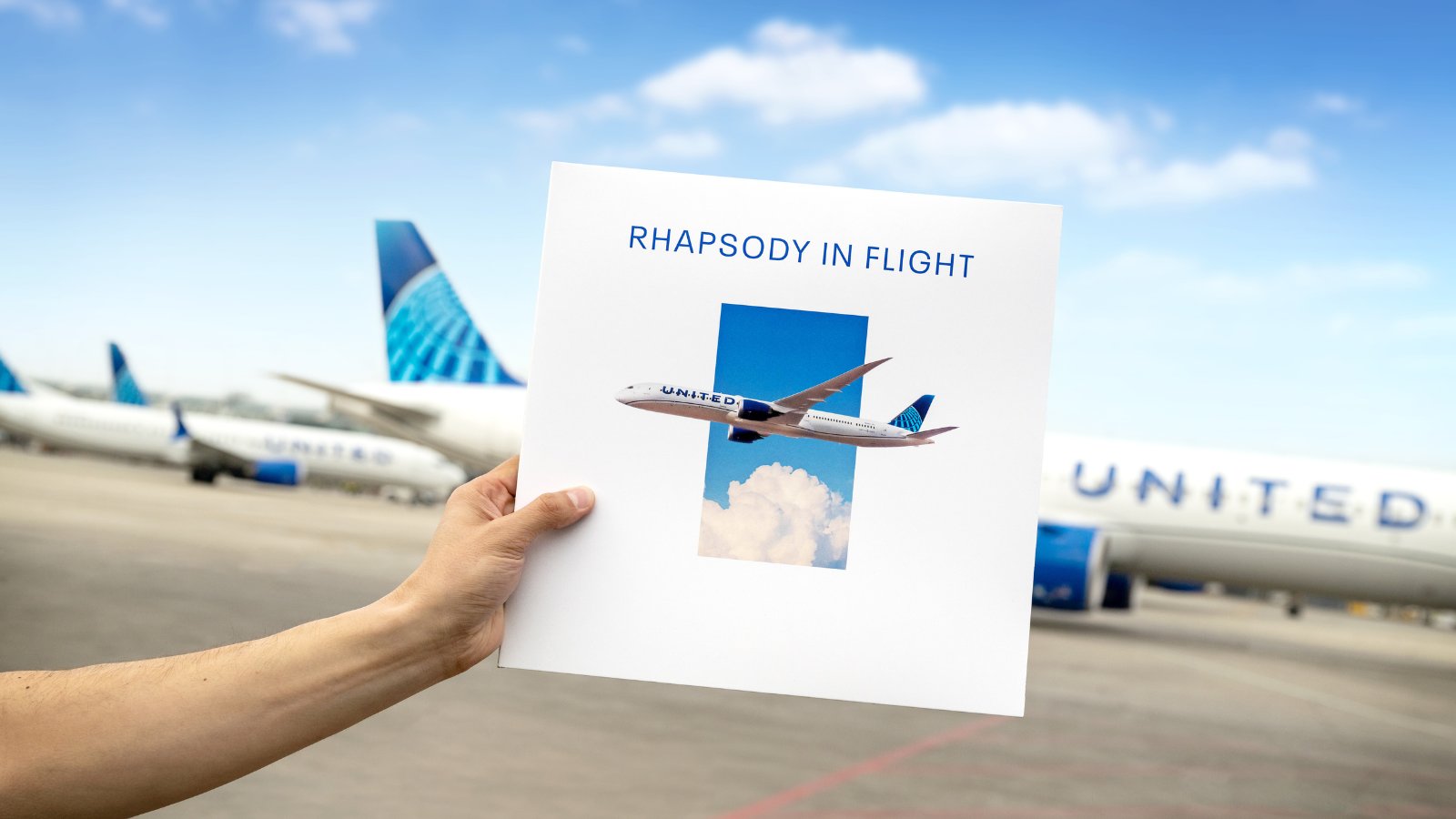
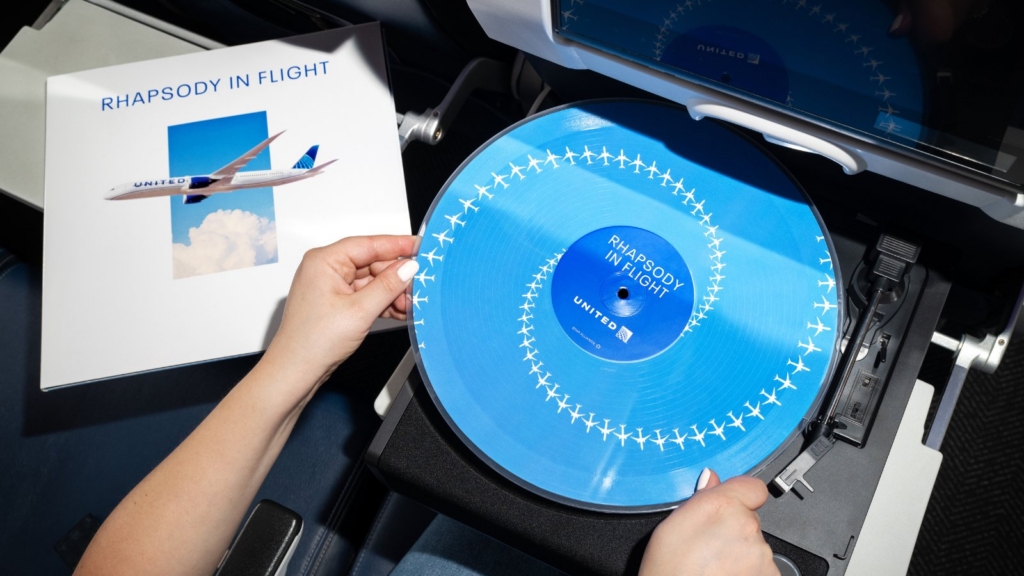
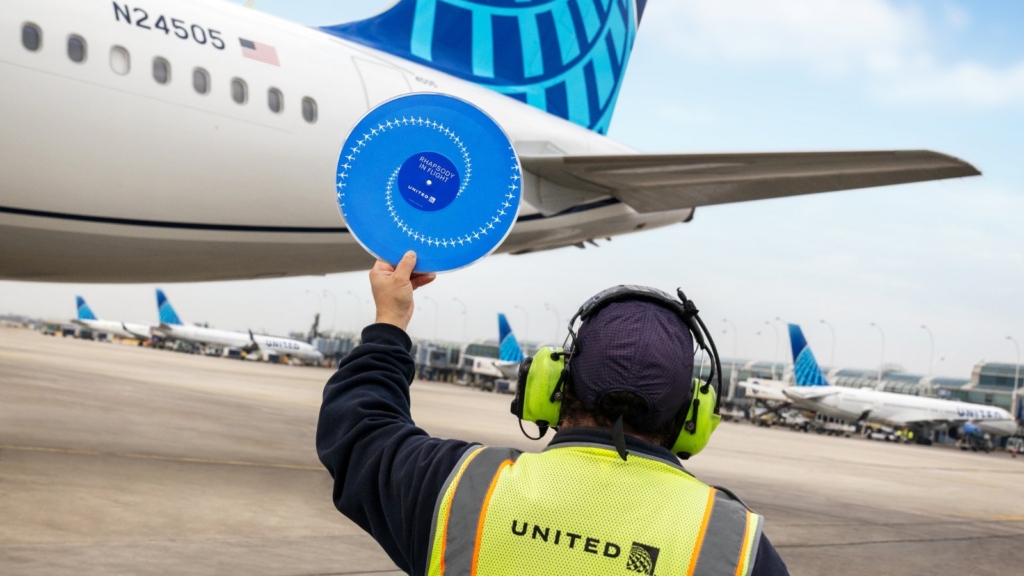
Instead, the airline has leaned into smaller, more modern touches. A limited-edition vinyl release tied to its “Rhapsody in Flight” branding campaign is set to go on sale, complete with a zoetrope-style animated design. The record is on sale tomorrow, April 7, at noon ET on the United Shop, and the airline says quantities are very limited.
Passengers have also reported anniversary-themed amenity kits and other minor onboard branding elements.
Comment
by u/thelayears from discussion
in unitedairlines
This quiet approach contrasts with competitors who have declared their birthday celebrations in bold, loud ways.
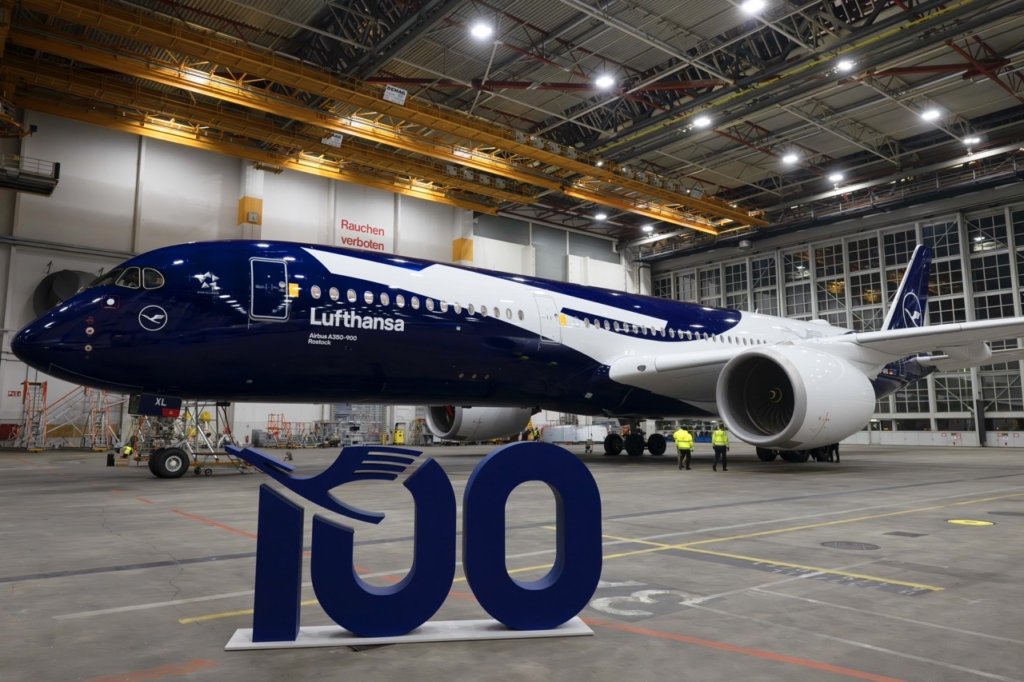
Lufthansa has leaned into its heritage, turning its 100th anniversary into a multi-layered brand campaign. Alongside the rollout of retro liveries and new interpretations of its crane motif on its largest aircraft, Lufthansa has embraced its pre- and post-war roots, connecting passengers to its past with an extensive social media campaign.
American Airlines, also in its 100th year, has been more restrained but still focused on its messaging. Like Lufthansa, this has included retro liveried aircraft, as well as the introduction of new logos, storytelling and centennial branding at customer touchpoints.
United, however, feels notably understated in its approach.
Why is United Airlines’ birthday such a low-key affair?
We do not know exactly why United has chosen to mark its centenary so quietly, and the airline may yet do more as the year unfolds. But its more subdued approach does make some sense when set against the shape of the company and the way it has presented itself in recent years.
Unlike some rivals, United’s history is not especially neat. The airline can trace its roots back to 1926, but the company that exists today is the product of mergers, restructuring and reinvention, most notably its 2010 tie-up with Continental. That gives it a genuine centenary, but not necessarily the kind of simple, uninterrupted heritage story that lends itself to a big nostalgic campaign.
There is also the question of how United wants to be seen. Much of its recent public messaging has been about premium cabins, international expansion, fleet renewal and future-facing investment. In that context, a low-key centenary campaign may simply fit better than a full retro push.
It is also hard to ignore that United’s recent history includes some bruising operational moments. The airline’s widely scrutinised 2023 meltdown, centred on Newark and followed by intense criticism of its handling of the disruption, was a reminder that anniversaries do not exist in isolation from more recent public memory.
That does not mean the centenary strategy is a direct response to that episode, and there is no evidence from United to suggest that it is. But it may help explain why the airline has appeared more cautious about making its birthday a major public spectacle.
Taken together, the quieter tone may reflect less a lack of interest in its own history than a recognition that United’s story is more complicated than a straightforward 100-year celebration.
Featured image: United Airlines