Ukraine strikes 2 more rare Be-12 drone-hunting flying boats in occupied Crimea

February 23, 2026
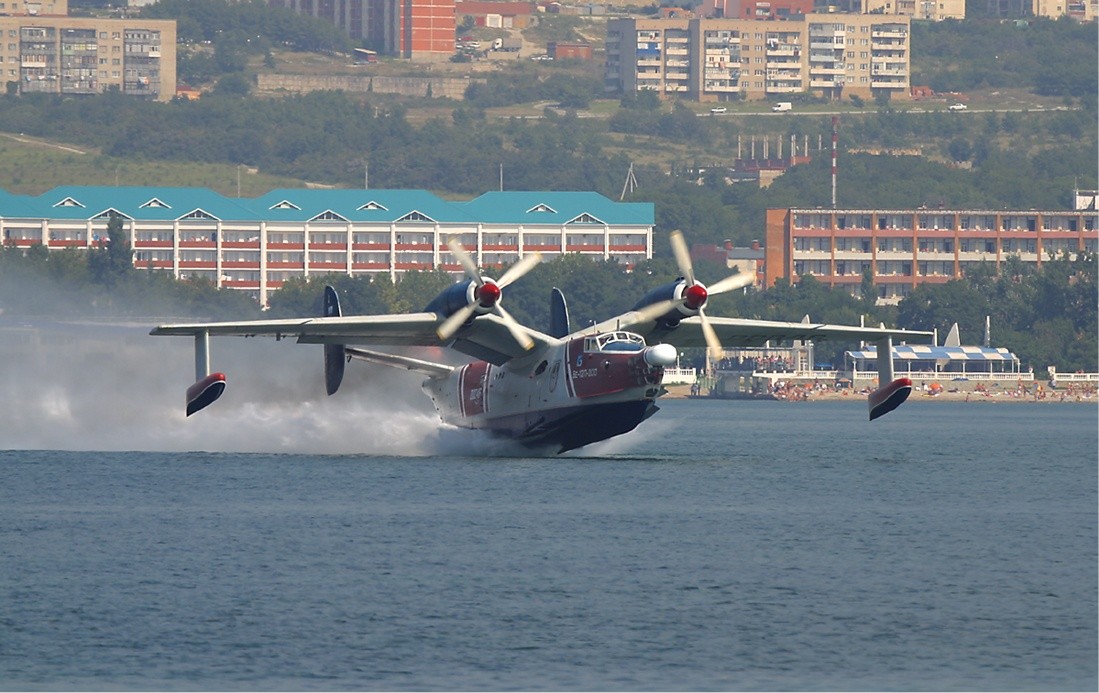
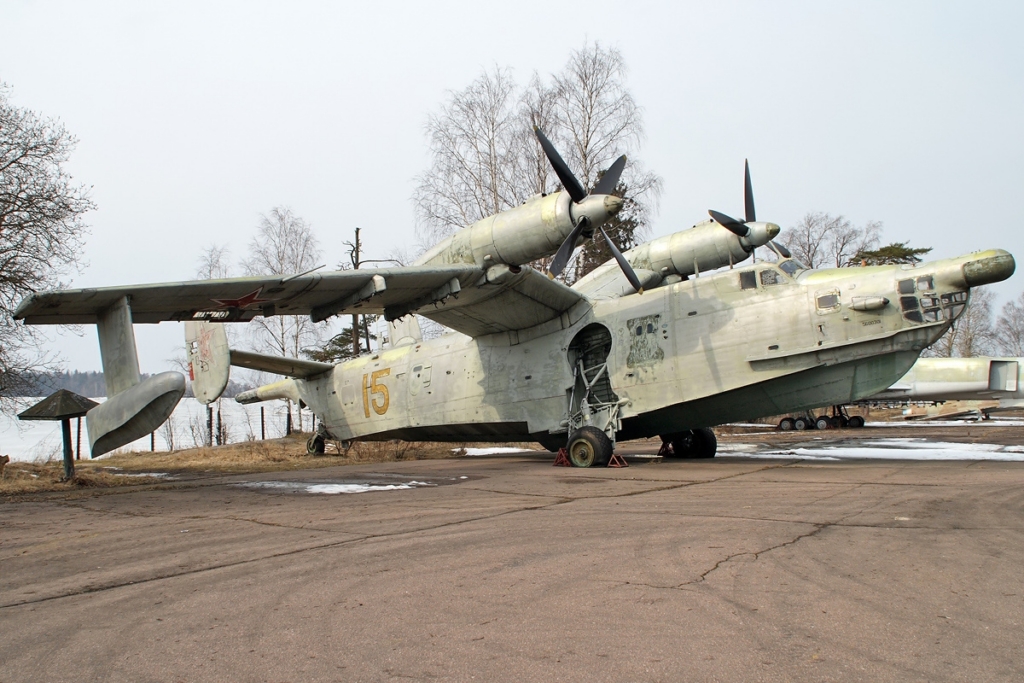
Five months after striking its first pair of Be-12 flying boats, Ukrainian FPV drones have struck another pair on the ground. It is unclear if these are flightworthy or if they represent some of the type’s last flying examples.
Ukraine strikes two rare Be-12 flying boats
The General Staff of the Ukrainian Armed Forces released footage on 21st February showing drone strikes on two rare Russian Beriev Be-12 (NATO “Gull”) flying boats.
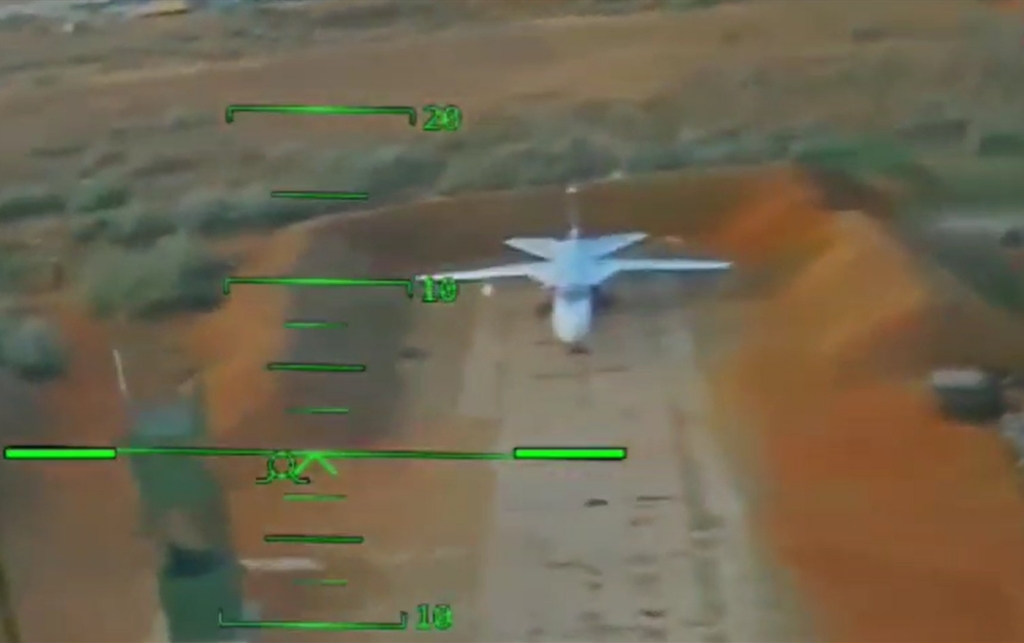
On 21 Feb 2026, the General Staff of AFU has released a frame form an UAV footage recorded during the attack on a parked Be-12 at the Aviation Repair Plant in Yevpatoriya, Crimea. They claim that two Be-12s were successfully struck. More evidence is needed for confirrmation. pic.twitter.com/c3k1l4Z7WG
— The Military Watch (@MarcinRogowsk14) February 21, 2026
The two aircraft were parked at the Aviation Repair Plant in Yevpatoriya, Crimea, although it is unclear if they were operational.
The OSINT account, The Military Watch, posted, “Note that three decommissioned Be-12s have been stored there for over 20 years.”
He added, “The three Be-12s stored at Yevpatoriya are 06 yellow (c/n 9601405), 30 yellow (c/n 9601502), and 50 yellow (c/n 3602705).”
It is unclear if the pair of Be-12s struck in the footage were these debilitated aircraft or operational aircraft cycled into the plant, perhaps for repairs.
For the first time in history 🔥
— Defense of Ukraine (@DefenceU) September 22, 2025
The warriors from the @DI_Ukraine destroyed two russian Be-12 Chayka amphibious aircraft. Be-12s amphibious aircraft are equipped with expensive equipment for detecting and combating submarines. This is the first ever strike on a Be-12.
The… pic.twitter.com/s8MskN8ZAo
In September 2025, Ukraine released footage showing it targeting Russian Navy Be-12s in what it said was the first-ever strike on that aircraft type.
Be-12s serving an important sea drone-hunting role
While the Be-12 is an old aircraft, Ukraine said it is equipped with expensive equipment for detecting and combating submarines.
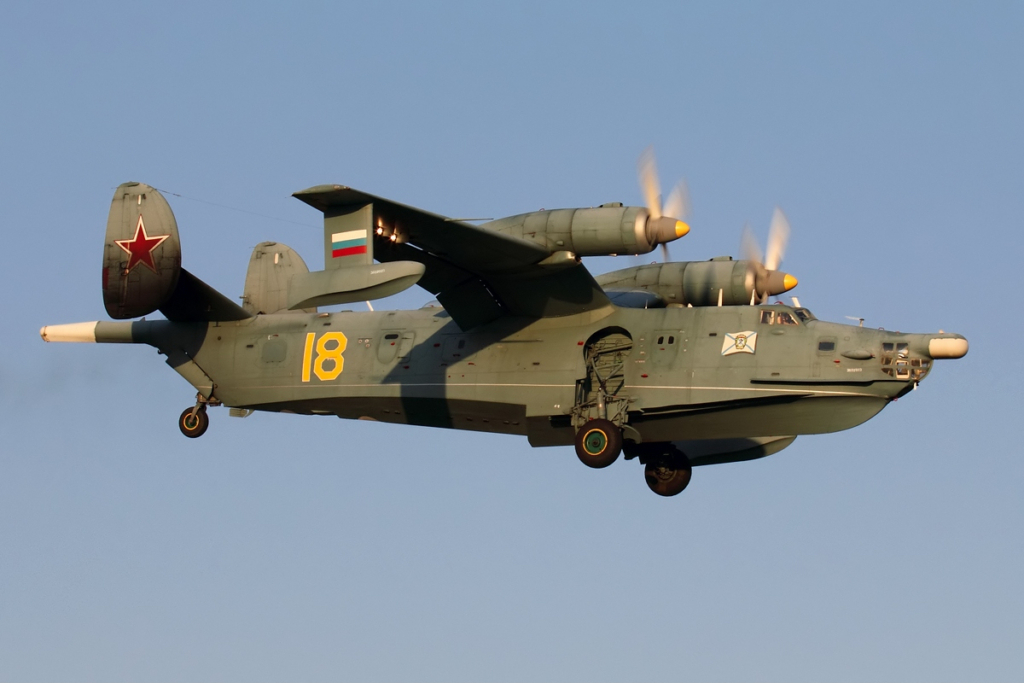
They have been playing a quiet but important role in Russia’s efforts to hunt down Ukrainian drone boats (uncrewed surface vessels or USVs) in the Black Sea.
At the time, The War Zone noted, “The raid appears to have targeted two of the extremely scarce seagoing planes, potentially halving the number of airframes available to Russia and leaving a question mark over the future service for the type.”
In its 2026 review of world air forces, FlightGlobal listed seven Be-12s in Russian Navy service, although it’s unclear to what extent they are operational. The think-tank, IISS, estimated Russia had six Be-12s in service in 2023. All were believed to be configured in the Be-12PS search-and-rescue configuration
Ukraine’s Channel 24 published satellite imagery of Kacha airfield in Crimea showing seven or eight Be-12s parked. Only four or five were thought to be airworthy.
If the strikes against two Be-12s in 2025 and these two new strikes were against airworthy Be-12s, it could have substantially reduced Russia’s available fleet.
Get the latest aerospace defence news here on AGN.
Most Russian aircraft now lost on the ground
In the early stages of the war, most Russian aircraft losses were shot down by Ukraine. At this stage of the war, the Russian Air Force has long given up contesting airspace and generally operates out of range of air defences.
At the same time, Ukraine has developed more capabilities to hunt Russian aircraft down and destroy them on the ground. Most Russian aircraft being lost now are lost on the ground.
This is tempered by the fact that trained pilots are often harder to replace than the aircraft themselves. Destroying aircraft on the ground doesn’t attrit Russia’s limited pool of trained pilots.
Another issue is that airfields are often full of delirect old airframes. The Russian Air Force does not have a single large park for its non-flying airframes, like the American Davis-Monthan boneyard.
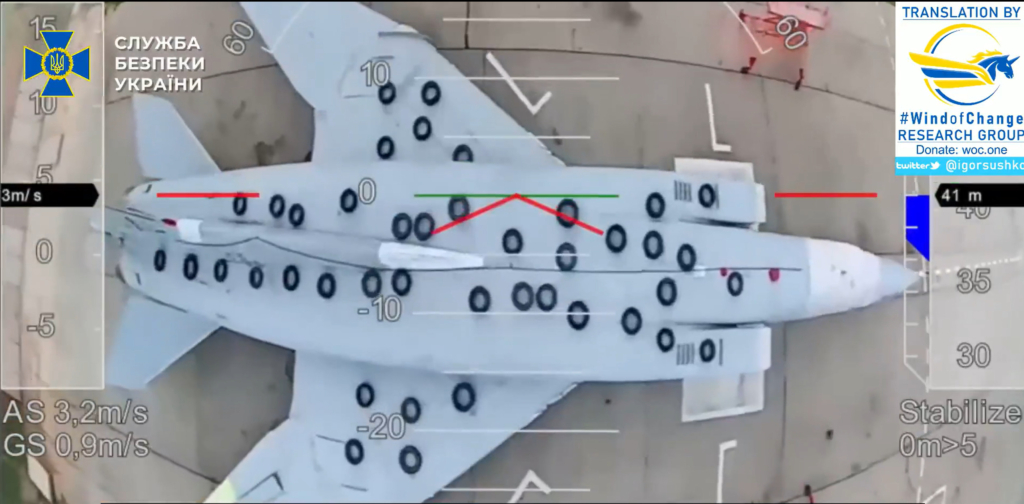
These are sometimes left sitting around the airbases to serve as decoys, soaking up threats that would otherwise have struck operational aircraft.