Ukraine’s FP-5 Flamingo cruise missile strikes key plant 800 miles inside Russia

February 23, 2026
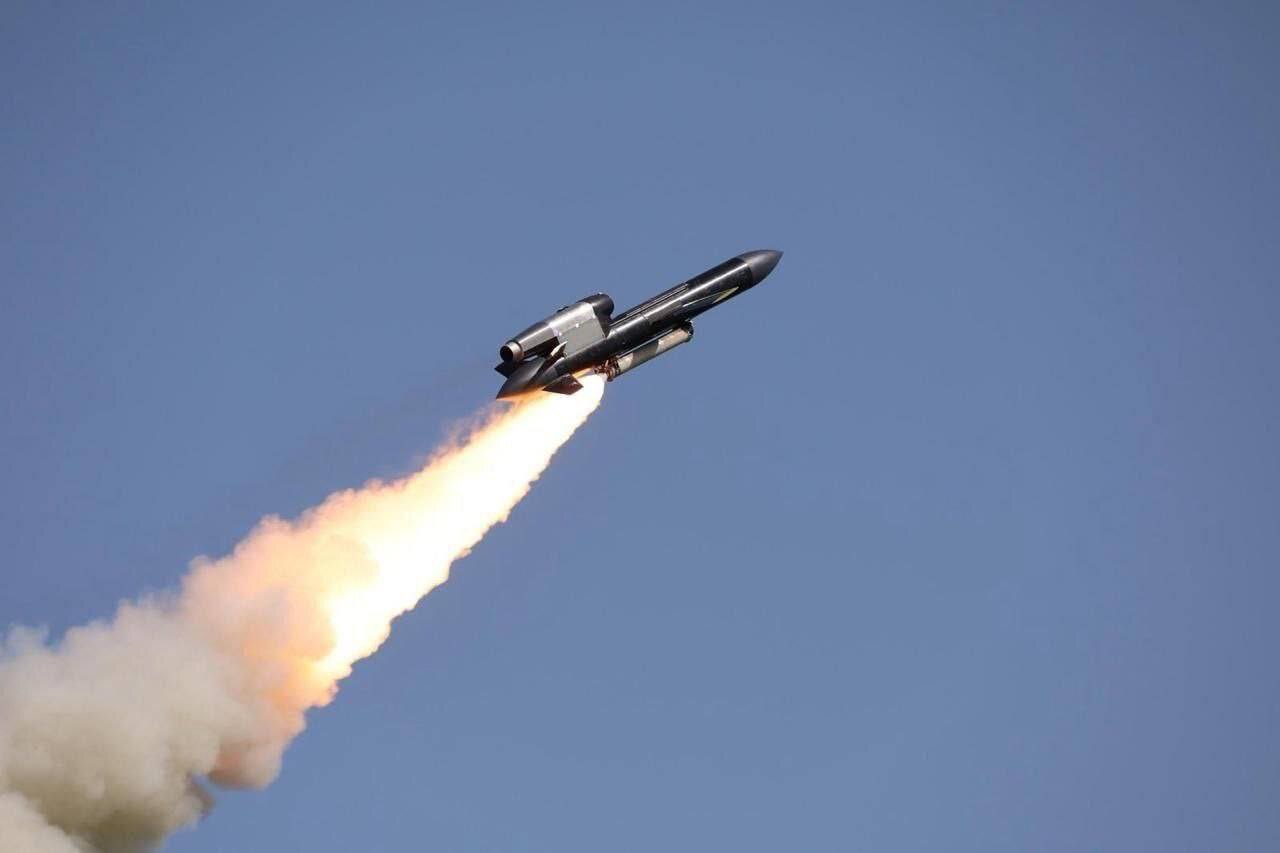
Ukraine has now seemingly conducted at least its second deep strike this month with the FP-5 Flamingo cruise missile, a development that may mark a turning point for the programme. Rather than a one-off showcase capability, the missile could be emerging as a repeatable, operational tool capable of holding targets deep inside Russian territory at risk.
Satellite imagery suggests Ukrainian FP-5 Flamingo hit Votkinsk missile plant
Ukraine has apparently struck Russia’s Votkinsk Rocket Plant with its new FP-5 Flamingo heavy cruise missile. The strike occurred last week, but now satellite imagery shows the aftermath.
Satellite images show the results of the FP-5 Flamingo missiles on a Russian Votkinsk plant in Udmurtia.
— Anton Gerashchenko (@Gerashchenko_en) February 22, 2026
Shop 19 was damaged, and a hole 30×24 meters is clearly visible.
It looks like the internal area burned out completely.
Shop 19 is the place where metal is stamped and… https://t.co/gIYNgFJVPs pic.twitter.com/JT7BjkIl7Q
Satellite imagery confirmed a large hole around 30×24 metres in the roof of Shop 19 in Russia’s Votkinsk Rocket Plant.
Anton Gerashchenko, a former adviser to Ukraine’s interior ministry, claimed that Shop 19 is responsible for stamping and forming metal components, including missile hull elements and electroplated parts. He further asserted that the interior of the building appears to have burned out and described the strike as potentially the deepest confirmed Flamingo attack to date.
Votkinsk, located in Russia’s Republic of Udmurtia, roughly 1,300 kilometres (800 miles) from the frontline, is a key facility within Russia’s missile-industrial base. The plant is known for producing the Iskander short-range ballistic missile system, among other strategic weapons.
🔥 The Votkinsk plant in Russia, where Iskander missiles are produced, has just been struck. 1300km from the frontline. https://t.co/hSD3cfyyKw pic.twitter.com/29LGG7Q042
— Special Kherson Cat 🐈🇺🇦 (@bayraktar_1love) February 20, 2026
Video circulating on social media also appeared to show an explosion at the site. However, as with much of the available material, independent verification remains limited.
The facility was previously associated with an explosion in February 2024, though the cause of that incident was never publicly clarified.
Ukraine’s February 2026 ammunition depot strike
Earlier in February, Ukrainian officials released footage that they said showed the launch of six FP-5 Flamingo missiles targeting a Russian ammunition depot near Kotluban in Volgograd Oblast. The site lies roughly 1,200 kilometres from the frontline, placing it firmly within Russia’s operational depth.
Separate reporting by Politico has previously described the Flamingo’s development timeline as unusually rapid, stating that the system progressed from concept to initial battlefield testing in under nine months. Ukrainian sources have also claimed the missile has entered serial production, with an aspirational output of up to 200 units per month, figures that have not been independently confirmed.
Politico has published another detailed video of a Flamingo FP-5 launch. According to the article, the system went from concept to its first successful battlefield tests in less than 9 months. The Flamingo is now in serial production, with a target output of about 200 per month pic.twitter.com/ToPAOjbslS
— Tatarigami_UA (@Tatarigami_UA) August 22, 2025
If the Kotluban strike did involve six missiles as claimed, it would suggest Ukraine is willing to expend the system in coordinated salvos rather than as isolated single-shot demonstrations. That in turn could indicate improving production capacity or growing confidence in the missile’s reliability.
Whether similar multi-missile tactics were employed in the reported strike on Votkinsk remains unclear. As with most long-range engagements, some missiles may have been intercepted, malfunctioned, or failed to reach their intended targets. Without official confirmation from either side, the precise effectiveness of the operation remains difficult to assess.
Is Ukraine’s FP-5 Flamingo cruise missile ramping up?
In 2025, AGN reported that Ukraine had unveiled a new ground-launched heavy cruise missile designated the FP-5 Flamingo. The system was reported to use refurbished Ivchenko AI-25 turbofan engines originally designed for Soviet-era aircraft, repurposed to power the missile for a single-use flight profile.

Early claims surrounding the programme were ambitious. Ukrainian sources suggested a potential range of up to 3,000 kilometres (1,800 miles), a warhead weighing approximately 2,500 pounds, and eventual production rates as high as 200 missiles per month. If accurate, such figures would represent a significant expansion of Ukraine’s indigenous long-range strike capability. However, none of these specifications have been independently verified.
Following its unveiling, the Flamingo largely disappeared from open reporting for much of 2025. The absence of clearly documented operational use led some observers to question whether the system was still in early development, being produced in limited numbers, or primarily intended as a strategic messaging tool. There were also reports that Russia had attempted to target suspected Ukrainian production sites linked to the programme.
Aftermath of 4 Flamingo missile strikes on the Russian factory in Belgorod in September 2025. https://t.co/BZBxvcHxsi pic.twitter.com/NTXITOwFc8
— Special Kherson Cat 🐈🇺🇦 (@bayraktar_1love) January 25, 2026
Confirmed strike evidence during 2025 remained sparse. Claims circulated that Flamingo missiles were used in attacks on a Russian industrial facility in the Belgorod region, reportedly associated with the manufacture of components for aircraft, including the Su-24, Su-35 and Su-57. As with other reported uses of the system, independent verification of missile type and extent of damage was limited.
If the recent February strikes are indeed attributable to the FP-5, they may signal a shift from sporadic or experimental use toward more regular operational employment. Multiple deep strikes within a short period would suggest increasing availability, improved reliability and potentially expanding production capacity, developments that would carry significant implications for Russia’s rear-area security calculations.
Featured Image: Fire Point