Türkiye flies Kizilelma drones in formation as collaborative combat aircraft vision takes shape

December 29, 2025
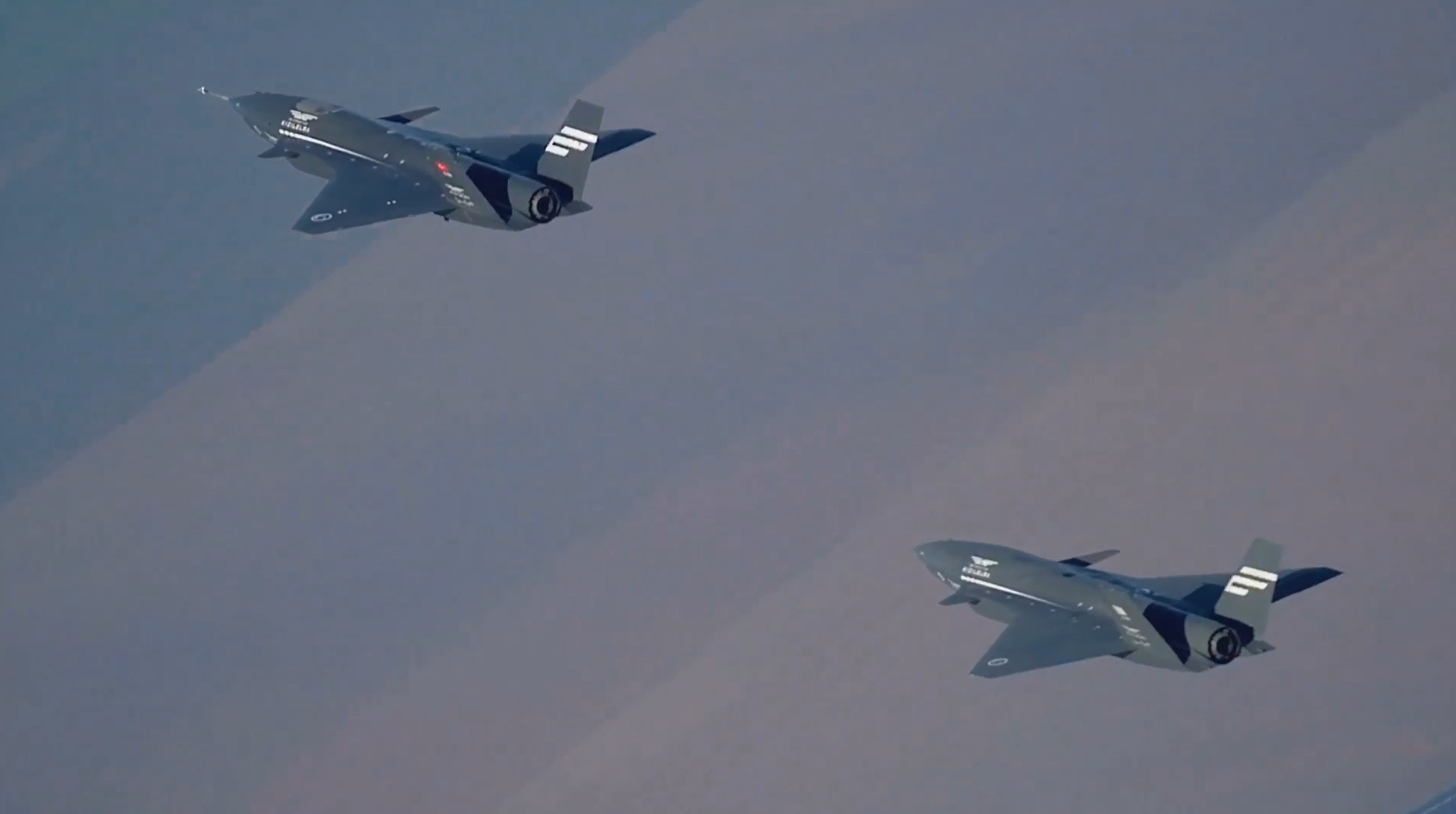
Türkiye is accelerating its push into unmanned air combat. Defence firm Baykar has flown two Kizilelma uncrewed fighter aircraft in close formation, just weeks after claiming the platform scored a first-ever air-to-air kill during live testing.
Baykar’s first Kizilelma close formation flight
Baykar posted, “World’s First: Autonomous Close-Formation Flight by Two Unmanned Fighter Aircraft.” Baykar considers the Kizilelma to be an unmanned fighter jet, not just a loyal wingman. The US and China have already flown their early UCAVs in formation with manned fighter jets.
Bayraktar #KIZILELMA ✈️🚀🍎
— BAYKAR (@BaykarTech) December 28, 2025
✅ World’s First: Autonomous Close-Formation Flight by Two Unmanned Fighter Aircraft#NationalTechnologyInitiative 🌍🇹🇷 pic.twitter.com/p8smO5gaM4
The video Baykar released shows two Kizilelma drones taking off from the airbase and then closing in on each other in close formation. The unmanned vehicles didn’t appear to carry out any complicated manoeuvres, except for flying near each other in a straight line.
The video then shows the drones returning to base. It should be stressed that a large aspect of designing the next generation of uncrewed combat air vehicles is autonomy. It is unclear what degree of autonomy these aircraft have, although TRT World reported it was “entirely autonomous, without any human intervention.”

The test took place at the AKINCI Flight Training and Test Centre in Corlu, northwestern Turkey. The aircraft used included PT3 and PT5, the third and fifth Kizilelma prototypes.
The Kizilelma uncrewed aerial vehicle is being developed by Baykar with its own resources. The company is quick to claim it is a “game-changer.”
Designed for air-to-air missions
Last month, Baykar wrote that the “vast majority of unmanned fighter jet projects worldwide are designed primarily for air-to-land missions.” It then said the Kizilelma was the first to demonstrate air-to-air combat capability.
Bayraktar #KIZILELMA ✈️🚀🍎
— BAYKAR (@BaykarTech) November 24, 2025
✅ Performance Test Flight#NationalTechnologyInitiative 🌍🇹🇷 pic.twitter.com/O82ENpcBmJ
The statement was a little confusing, given that the various loyal wingman drones being developed in the United States, China, and Germany are being developed with an air-to-air role in mind.
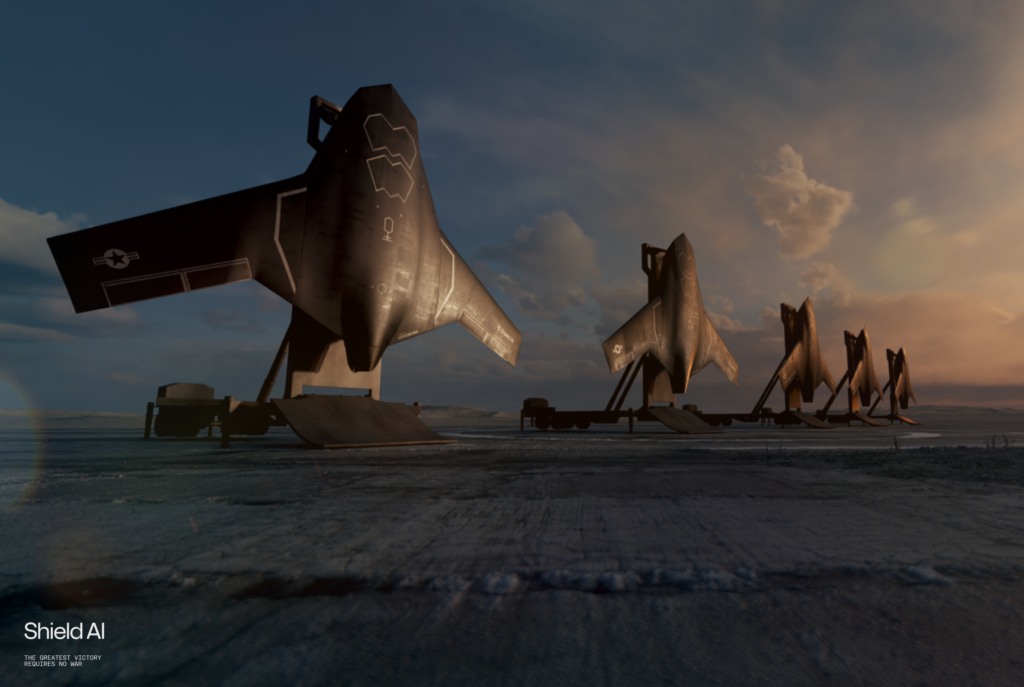
One of the most eye-catching US concepts is that of Shield-AI’s X-Bat, which has recently unveiled the concept for a vertical launch and land autonomous fighter jet.
Get the latest aerospace defence news here on AGN.
Turkey claims several world firsts in UCAV development
Turkey has emerged as a world leader in certain classes of unmanned aerial combat vehicles. In 2024, it claimed to be the first to conduct a barrel roll with a Bayraktar TB2 UCAV.
Turkey is also currently building the world’s first full-scale dedicated drone carrier called MUGEM. At 60,000 tonnes of displacement, the MUGEM is the size of a fairly typical non-American aircraft carrier.
Türkiye has officially begun construction of its National Aircraft Carrier, also known as MUGEM, a 285-meter, 60,000-ton vessel that will significantly surpass the capabilities of the TCG Anadolu and serve as a mobile base for Türkiye’s expanding fleet of unmanned aerial systems. pic.twitter.com/7lowxTSCdo
— Turkish Politics 🇹🇷 (@TurkishPolitics) August 26, 2025
In late November, the company stated for the first time in aviation history, “an unmanned fighter jet [the Kizilelma] successfully destroyed a jet-engine–powered aerial target using a BVR (Beyond Visual Range) air-to-air missile.”
This claim may be misleading. The US is known to have strapped infrared-guided AIM-92 Stinger air-to-air missiles on its MQ-1 Predators for decades. One even fired at an Iraqi MiG-25 Foxbat around 2002 before the jet shot the Predator down.
A US MQ-9 Reaper shot down a target drone using an AIM-9X Sidewinder air-to-air missile, and MQ-9s were seen firing at Houthi aerial targets in 2024.
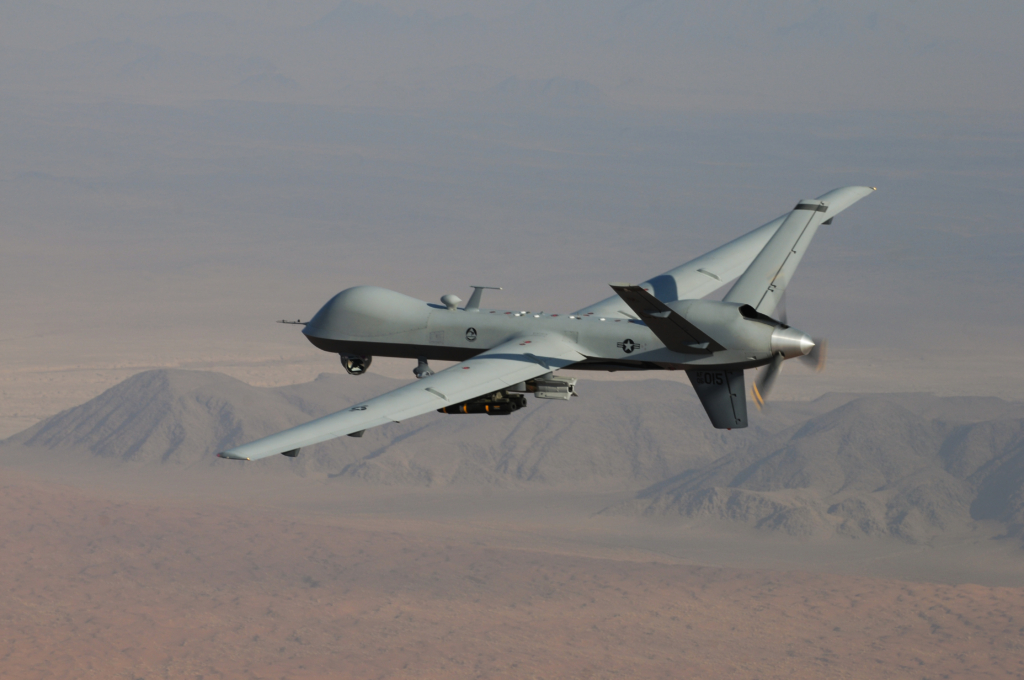
Perhaps the claim to be first comes down to whether the Kizilelma is considered an “unmanned fighter jet” and what other UCAVs count in that definition.
Featured image: Baykar