Sign of the times: TUI sends 1st Boeing 787-8 Dreamliner for scrapping

December 11, 2025

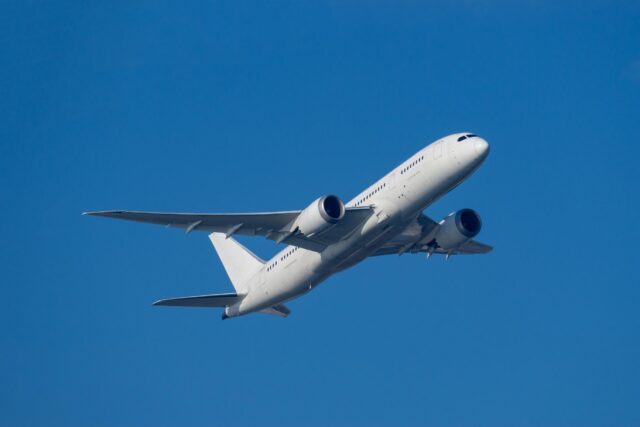
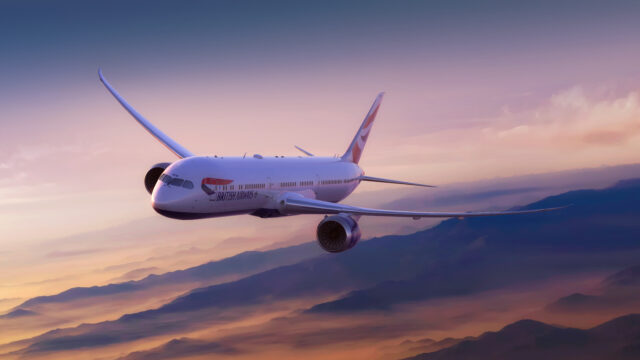
TUI has retired its first Boeing 787-8 Dreamliner, as G-TUID heads to Kemble in Gloucestershire for dismantling.
The airline flies a small but busy fleet of 787s, with seven 787-8s and five 787-9s remaining. TUI took over all 11 Boeing 787s from Thomson Airways when it ceased operating in 2017, and has since added more brand new aircraft.
TUI's B787 Dreamliner (G-TUID) at Cotswold Airport is set to be scrapped.
— Turbine Traveller (@Turbinetraveler) December 11, 2025
The 12-year-old airframe was recently returned by TUI, and the lessor has decided it's worth more in parts than as a complete aircraft. pic.twitter.com/9e5vCRlw99
G-TUID is one of the ex-Thomson Airways 787s, delivered new to the UK in August 2013. Named ‘Angel of the Sky’, its most recent rotations were from London to Bridgetown, Punta Cana and Melbourne, Florida.
It was moved from Manchester to Prestwick on 29 November, where it remained until yesterday, 10 December, when it took a short ferry flight down to Kemble (GBA).
TUI Boeing 787-8 to be scrapped, but it’s not the first
The Cotswold Airport near Kemble in Gloucestershire is home to Air Salvage International, who disassemble between 40-50 aircraft on the site every year.
Indeed, the facility has handled 787 scrappings before, most notably VP-BDA, a 10-year-old Boeing Business Jet (BBJ) 787-9. The aircraft had been delivered to Saudi Arabian VIP operator Kalair in 2015, but had sat in storage at Basel-Mulhouse-Freiburg airport for almost a decade.
It was never even fitted with a passenger cabin and, despite minimal flight hours on the airframe, was considered to be worth more in parts than as a whole jet.
In 2023, a pair of Norwegian Air 787-8s were dismantled for parts at Prestwick Airport in Scotland, becoming the first Dreamliners in the world to be retired and scrapped. Undertaking the dismantling was Dublin-based EirTrade Aviation, an aviation asset management and trading company.
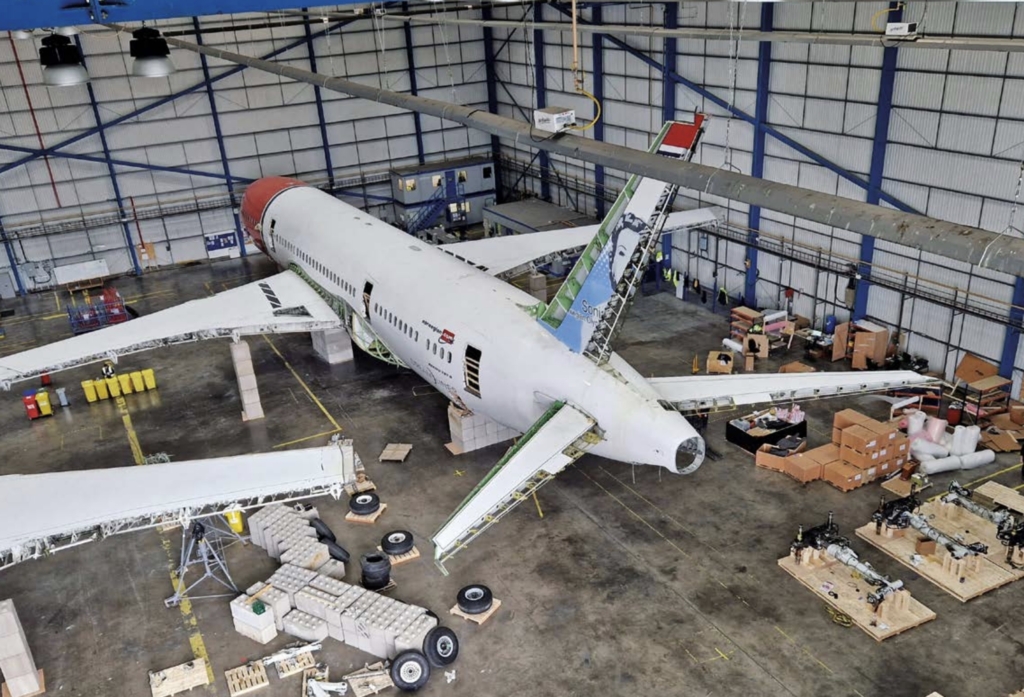
“As no B787s have been retired from commercial service to date, there is almost no USM market for this platform at the moment,” EirTrade CEO Ken Fitzgibbons told the BBC.
“We are entering into a specialist area and hope to become a market leader in the provision of USM for the platform, which will enable the reduction of the cost of maintenance events for B787 aircraft owners.”
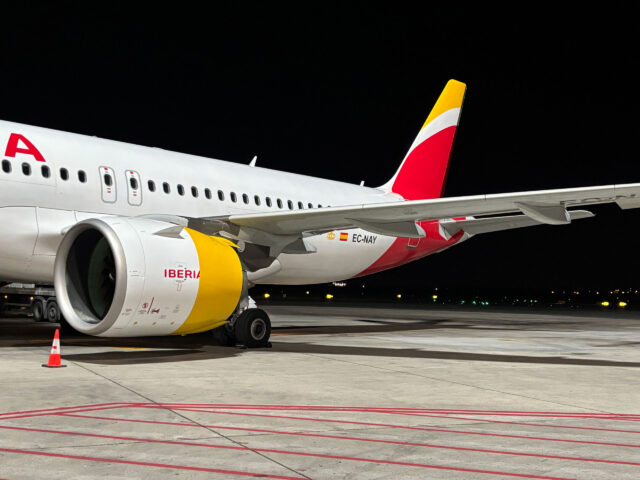
Over recent months, the industry has watched as young aircraft from Airbus A220s to modern A321neos have hit the scrap heap, marking a worrying trend in the world of new-generation aircraft.
Young aircraft being scrapped is a sign of the supply chain crisis in aviation
The scrapping of relatively new aircraft is becoming far less unusual in today’s aviation landscape. Demand for new aircraft and, crucially, for engines and spares to keep existing fleets flying is now significantly outweighing supply, a problem that IATA warns will persist well into the 2030s.
As airlines clamour to secure the parts they need, the spares market has exploded. Suppliers can command premium prices for used serviceable materials (USMs), with engines, avionics and landing gear fetching particularly high values.
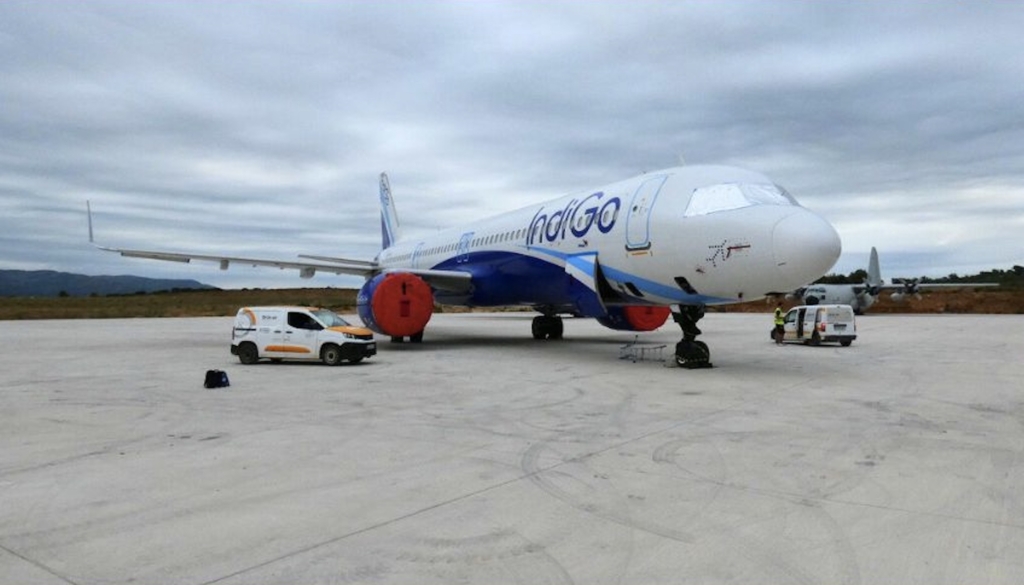
The crunch is especially acute in the new-generation aircraft segment. Issues such as the Pratt & Whitney engine recall, coupled with slower-than-promised deliveries of new jets, have forced airlines to hold on to older aircraft for longer. This, in turn, has driven extraordinary demand for used aircraft, even those approaching the end of their economic life.
While these strategies keep passengers moving in the short term, airlines are missing out on the environmental and economic benefits of new technology. An A321neo, for example, can cut CO2 emissions by around 20% compared with its predecessor, and offers lower fuel burn, reduced maintenance costs and quieter operations.
But until the supply chain stabilises, the industry will continue to see the paradox of modern aviation: the premature dismantling of young aircraft simply because their parts are worth more than the aircraft themselves.
Featured image: Paul / Stock.adobe.com