AGN’s top 10 defence aviation news stories of 2025

December 31, 2025
Defence aviation in 2025 was defined less by single blockbuster announcements and more by a steady accumulation of defence aviation news about where airpower is heading, and where it is struggling to keep up.
From sixth-generation fighter programmes and indigenous technology breakthroughs to accidents, sustainment headaches and procurement politics, these were the ten defence aviation news stories that shaped the year on Aerospace Global News.
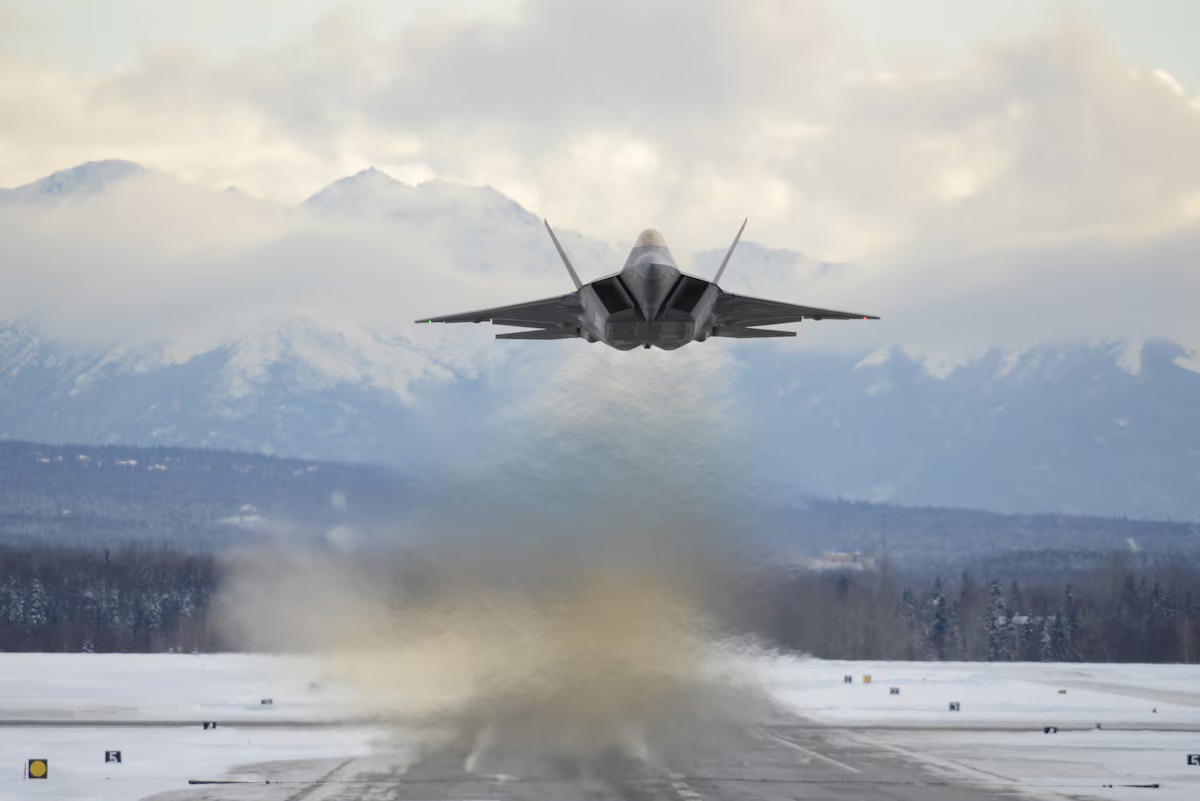
1: The F-47 – what we know so far about America’s sixth-generation fighter

Details surrounding the US Air Force’s Next Generation Air Dominance effort, widely referred to as the F-47, remained tightly controlled, but what did emerge painted a picture of a platform built around autonomy, networking and survivability rather than traditional performance metrics. The programme set the benchmark for how future combat aircraft will be designed, acquired and operated.
2: Still no announcement on US Navy F/A-XX, but key details emerge
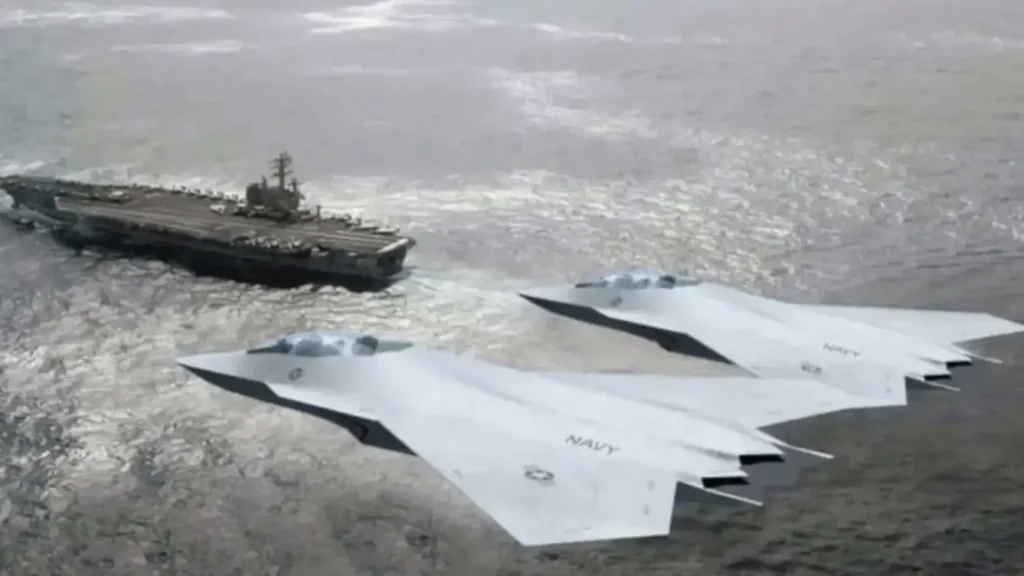
While the Navy stopped short of naming a winner for its F/A-XX programme, incremental disclosures throughout the year revealed a markedly different set of priorities from the USAF, with greater emphasis on range, carrier integration and uncrewed teaming. The absence of a decision became a story in itself.
3: Inside NDAA 2026, Congress blocks retirement of core USAF aircraft

The 2026 National Defense Authorization Act exposed deep friction between lawmakers and the Pentagon. Congressional moves to block the retirement of legacy aircraft highlighted anxiety over near-term capacity gaps and underscored how politically fraught force modernisation has become.
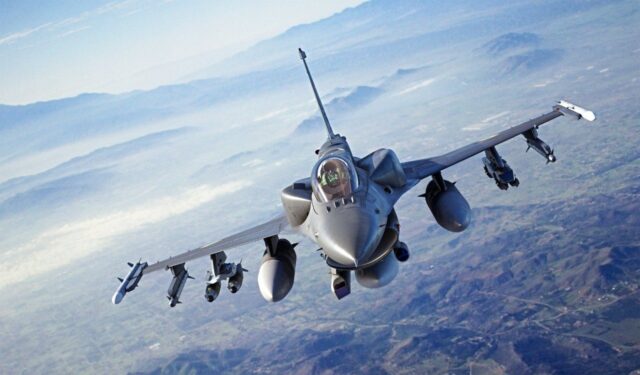
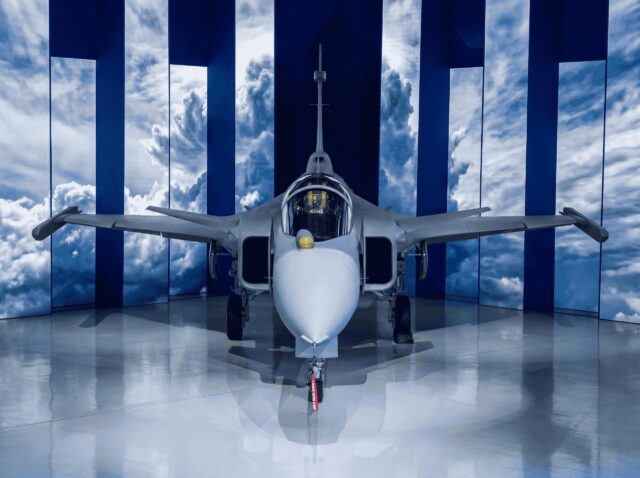
4: Gripen win, Thailand picks Swedish fighter jets over US F-16
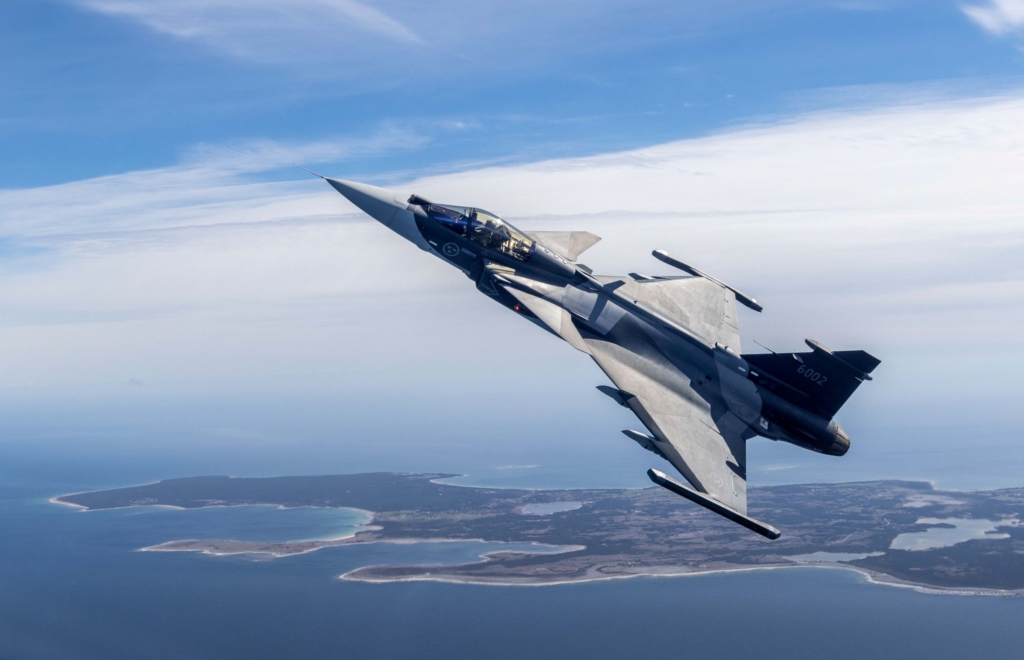
Thailand’s decision to select Saab’s JAS 39 Gripen over the F-16 was one of the year’s most consequential export outcomes. It reinforced the competitiveness of non-US fighters and showed how flexibility, sovereignty and lifecycle costs increasingly shape procurement decisions.
5: India tests morphing fighter wing technology in DRDO breakthrough
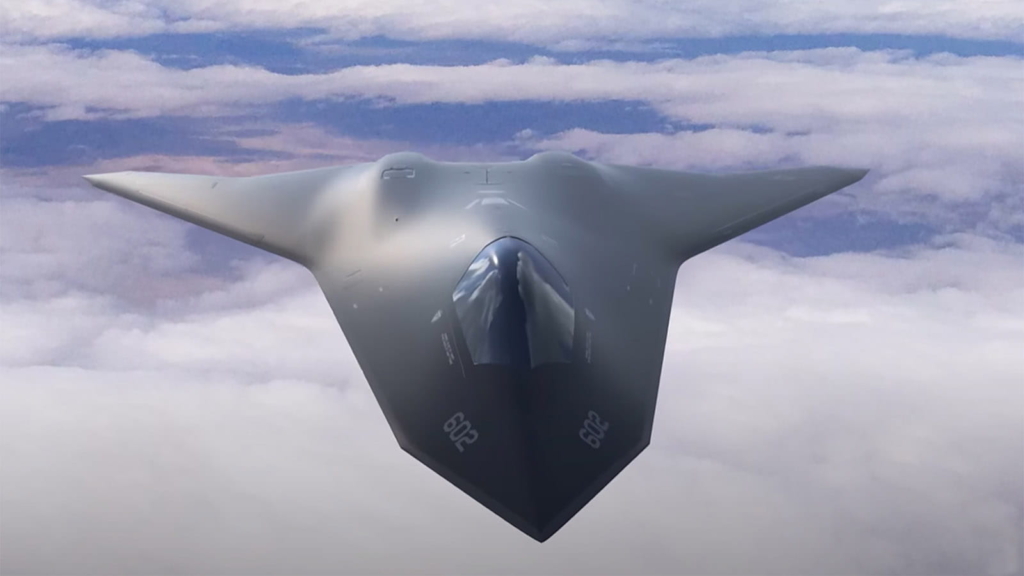
India’s Defence Research and Development Organisation achieved a notable milestone with successful morphing wing tests. The work highlighted growing confidence in indigenous aerospace R&D and fed into global interest in adaptive structures for future combat aircraft.
6: Russia today makes the Sukhoi Design Bureau look like a shadow of its former self

This AGN analysis examined how sanctions, supply-chain constraints and programme delays are eroding the standing of Russia’s once-dominant combat aircraft sector. The gap between rhetoric and reality became harder to ignore as the year progressed.
Read the full story
7: French Air Force A400M deployed to Greenland
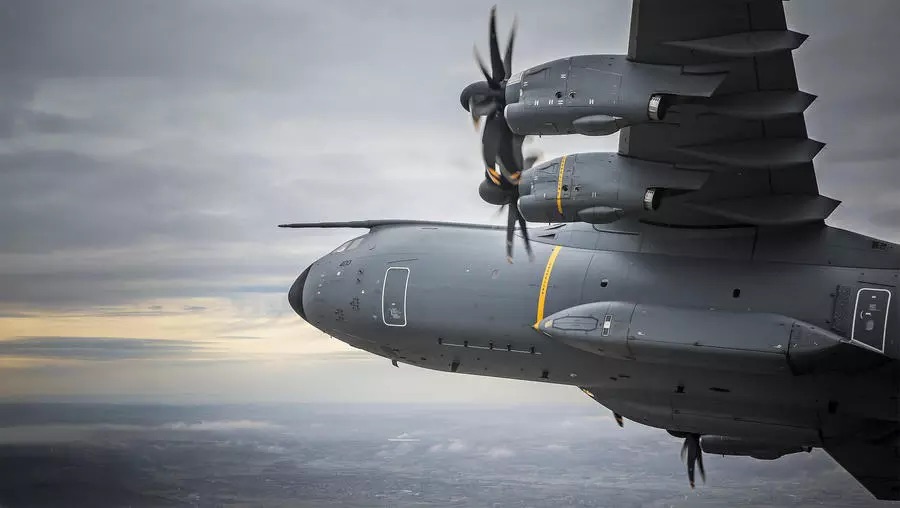
The deployment of a French Airbus A400M to Greenland highlighted NATO’s increasing focus on Arctic operations. Cold-weather logistics, long-range lift and resilience in austere environments emerged as growing priorities for European air forces.
8: British Royal Navy F-35Bs arrive in Florida for corrosion treatment
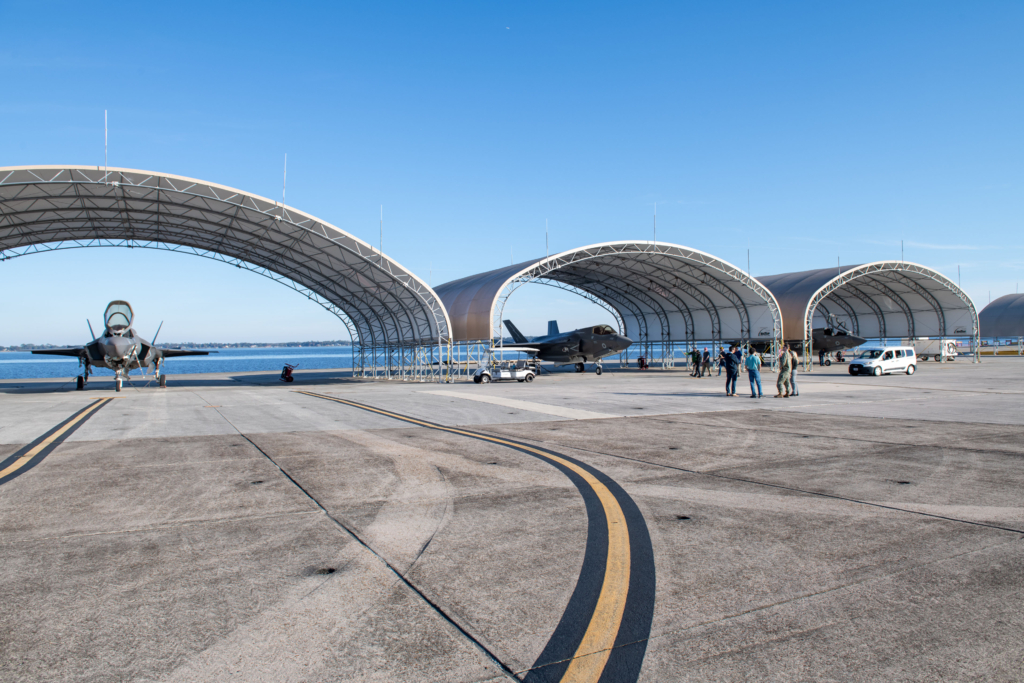
Royal Navy F-35B Lightning II aircraft undergoing corrosion treatment in the US offered a candid glimpse into the sustainment challenges of operating advanced stealth jets in harsh maritime conditions.
Turkish C-130 Hercules breaks apart mid-air before crash
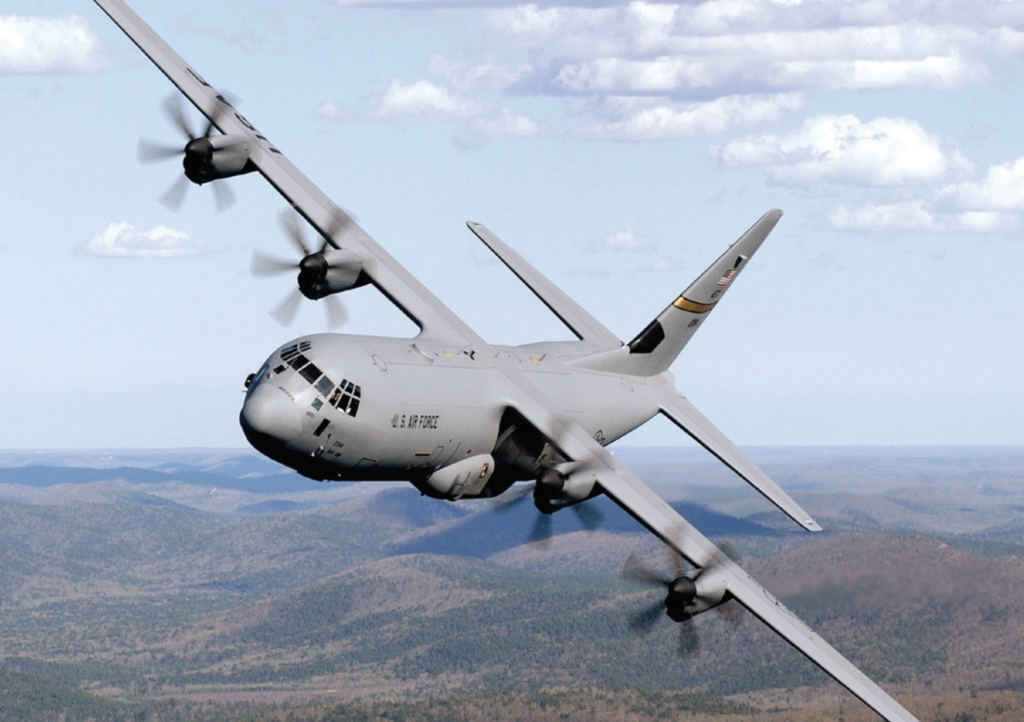
The loss of a Turkish C-130 Hercules raised renewed concerns about ageing airlift fleets, structural fatigue and the cost of keeping legacy platforms flying safely.
Russian Antonov An-22 crashes with seven crew onboard
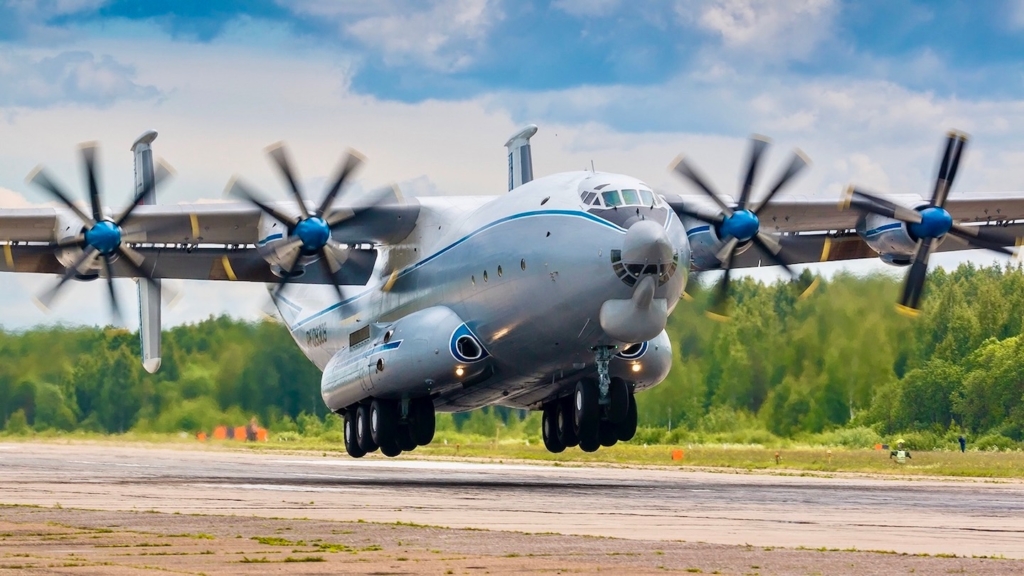
The crash of the Antonov An-22, one of the largest turboprop aircraft ever built, underlined the growing risks facing operators of Soviet-era heavy transports still in frontline service.
Taken together, these stories reveal an airpower landscape in transition. Ambitious next-generation programmes are advancing, but they are doing so alongside persistent questions about affordability, sustainment and readiness.
As AGN turns to 2026, many of these themes, from autonomy and AI to training, logistics and resilience, are set to intensify rather than fade.