Switzerland will not buy all its Lockheed Martin F-35s as costs for the fighter jet balloon

December 12, 2025
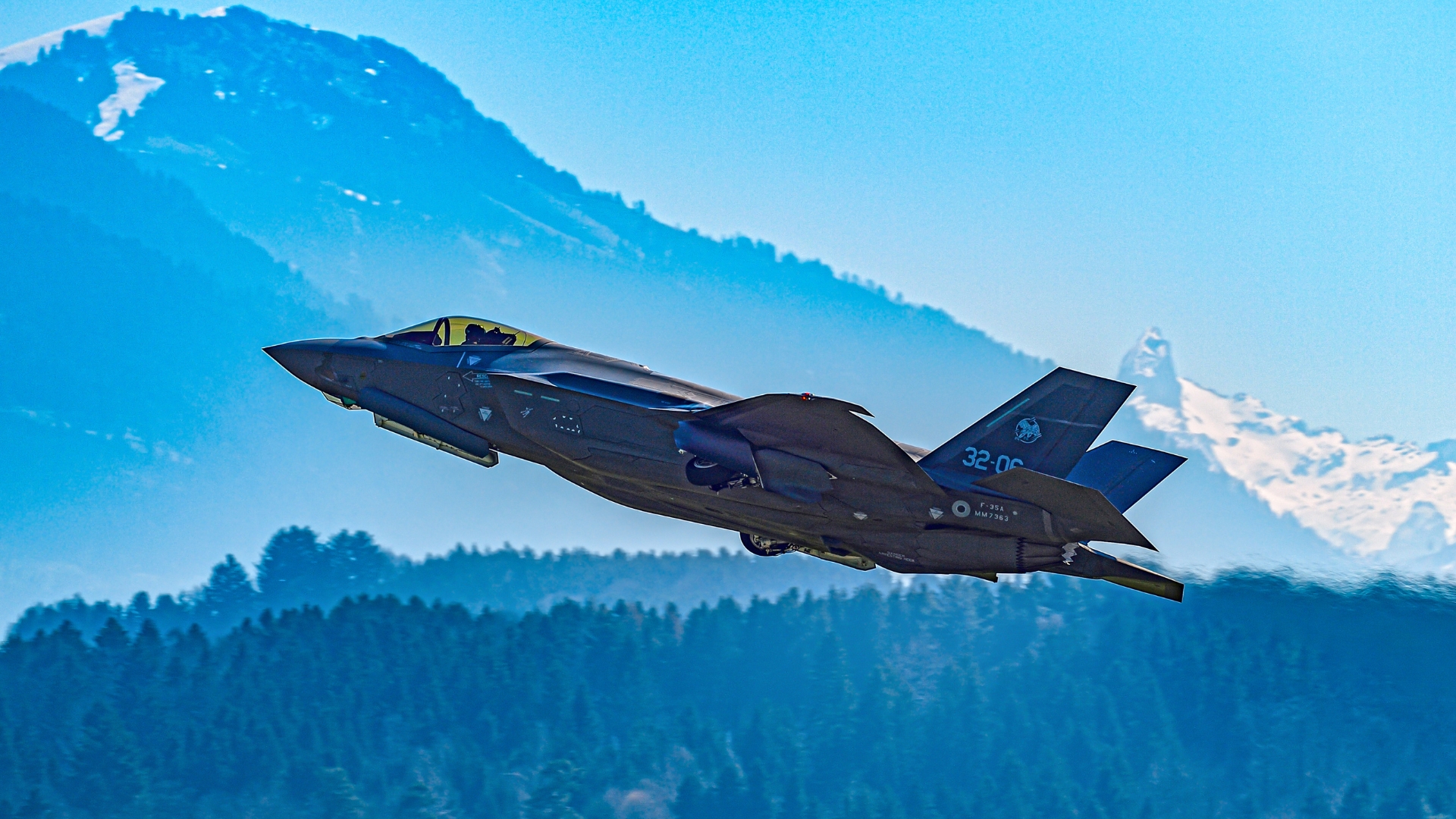
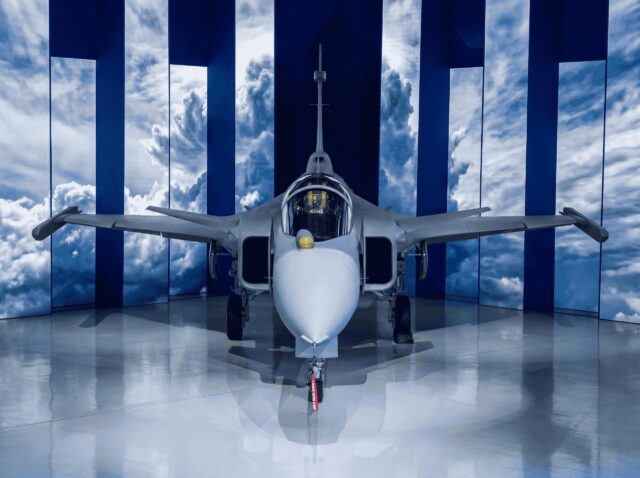
Switzerland’s fighter-jet modernisation programme has hit another political and financial snag, with Bern confirming that it will buy fewer F-35A Lightning IIs than originally planned after a steep rise in procurement costs.
The Swiss government said on Friday it could no longer guarantee the purchase of 36 aircraft within the 6 billion-franc (about $6.6 billion) spending cap approved by voters in 2020.
That ceiling was legally binding, and the unexpected 1.3 billion-franc (about $1.4 billion) increase has pushed the programme beyond what Bern can justify to the public.
Officials now intend to buy “as many aircraft as possible” within the fixed budget, a formulation that effectively means trimming the fleet.
Defence Minister Martin Pfister acknowledged that Switzerland “would require a larger fleet” to meet its stated air-defence requirements of 55 to 70 modern fighters, but said the government was constrained by the outcome of the referendum.
How Switzerland’s F-35 programme became a political flashpoint
Switzerland’s F-35 journey has been unusually fraught. In 2020, the acquisition passed a popular vote by barely 9,000 ballots, one of the tightest margins in modern Swiss defence history.
Opponents argued the aircraft was too expensive, too sophisticated for a neutral air force and too dependent on US export controls, while supporters saw it as essential for sovereignty in increasingly unstable airspace.
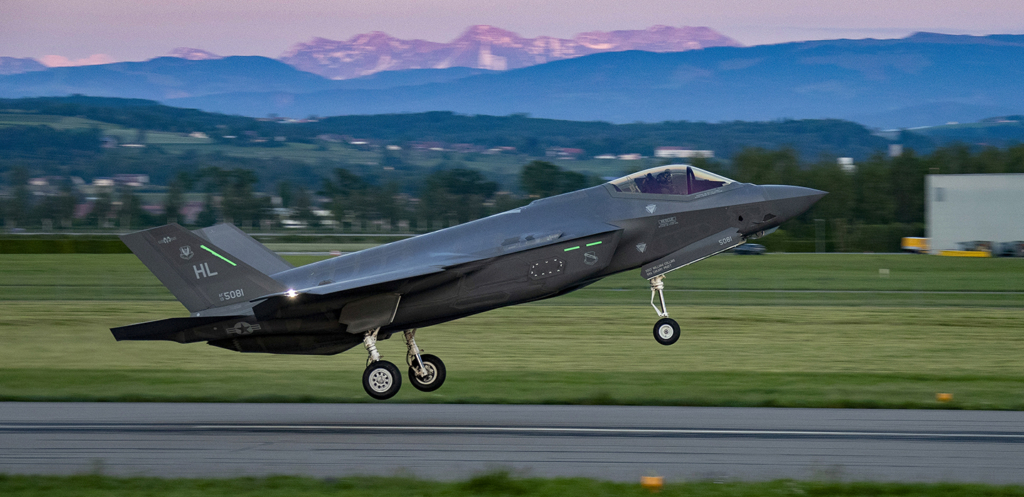
Subsequent polling has shown persistent scepticism. An October survey suggested a majority of Swiss voters would consider switching to a different aircraft or cancelling the project altogether.
The latest cost escalation has rekindled that debate, coming at a time when Bern is trying to finalise a tariff-reduction agreement with Washington and Swiss companies have committed to invest $200 billion in the US over five years.
Why is Lockheed Martin’s F-35 getting more expensive?
The sharp rise in Switzerland’s cost estimate reflects the wider state of the F-35 programme. The aircraft Bern intends to buy falls into production lots that include Technology Refresh 3 (TR-3), a major overhaul of the jet’s computing, displays and processing architecture.
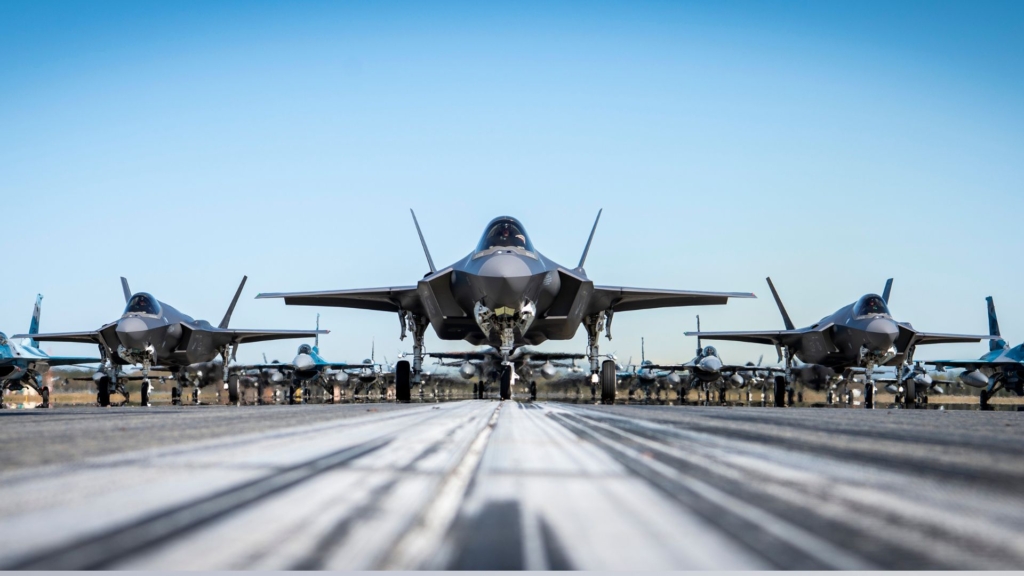
TR-3 is essential for unlocking future Block 4 capabilities, but it has become one of the programme’s most problematic upgrades. According to recent US oversight reports, TR-3 is years behind schedule and significantly over its planned budget, with the complexity of integrating new hardware and rewriting key systems driving up production costs across all new-build aircraft.
Inflation in the defence industrial base is also a major factor. Prices for titanium, composites, semiconductors and specialist labour have risen sharply since the pandemic, with U.S. energy and manufacturing costs climbing at the same time. Because the F-35 relies on an exceptionally complex global supply chain, these increases compound quickly across the aircraft, its support equipment and its training systems.
What’s next for Switzerland’s fighter jet ambitions?
Switzerland will still fly the F-35. Bern will complete negotiations with the US on a reduced batch, but this will likely still fall short of the 55 to 70 modern fighters the government was hoping for.
During its Air2030 evaluation programme, Switzerland had also considered the Eurofighter Typhoon, Dassault Rafale and the Boeing F/A-18 E/F Super Hornet. Aside from the Super Hornet, all these platforms are more expensive than the F-35; not ideal if budget is a concern.
Switzerland did signal that follow-on orders for the F-35 may be considered later, once funding and political support allow. It has already pledged to raise defence spending to 1% of GDP by 2032, still well below NATO’s 2% benchmark but a notable shift for a traditionally cautious nation.