SpaceX Falcon 9 puts UK-built ultraviolet telescope Mauve into orbit for subscription-based space science

December 1, 2025
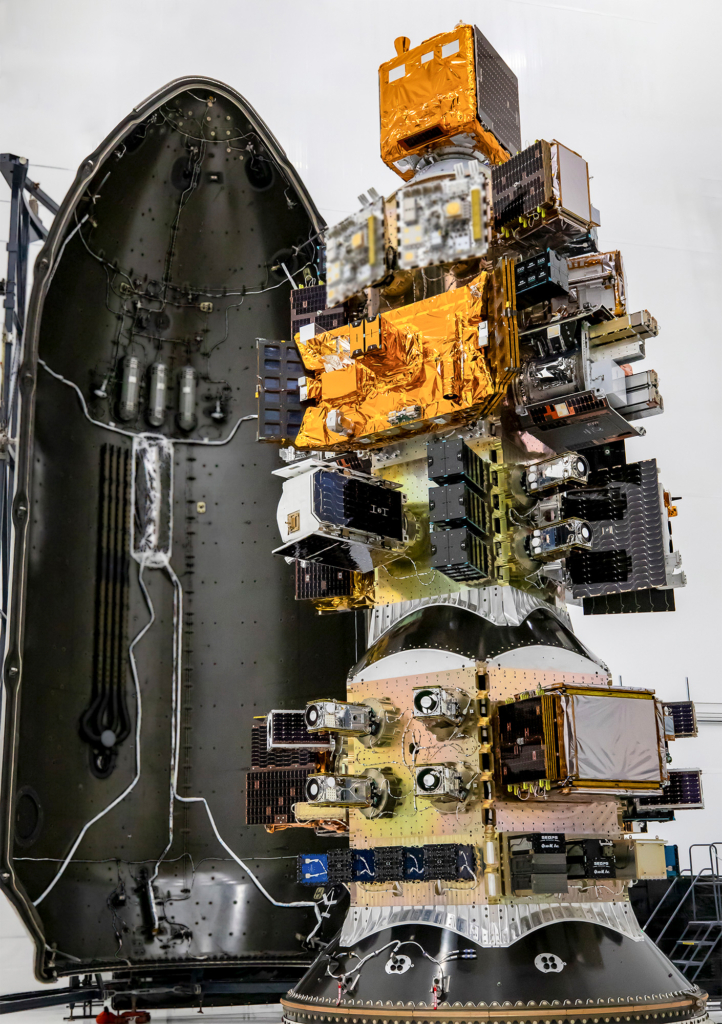
SpaceX’s Falcon 9 rocket lifted off from Vandenberg Space Force Base in California on 28 November as part of the Transporter-15 rideshare mission, carrying 140 satellites into orbit.
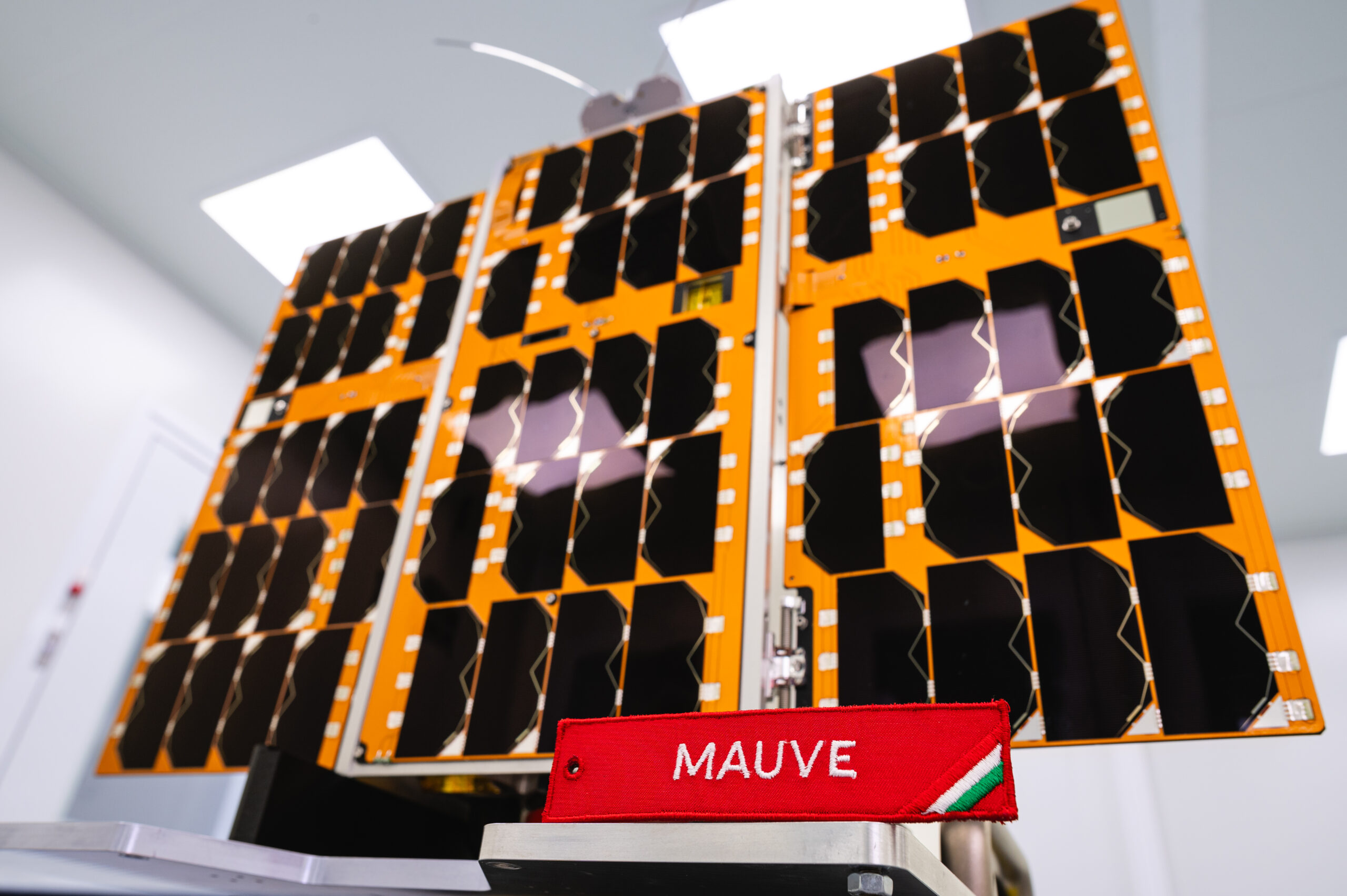
Among the mix of microsats, CubeSats, and hosted payloads was a spacecraft marking a milestone in how space science is funded and accessed: Mauve, a miniature ultraviolet and visible telescope developed by UK company Blue Skies Space.
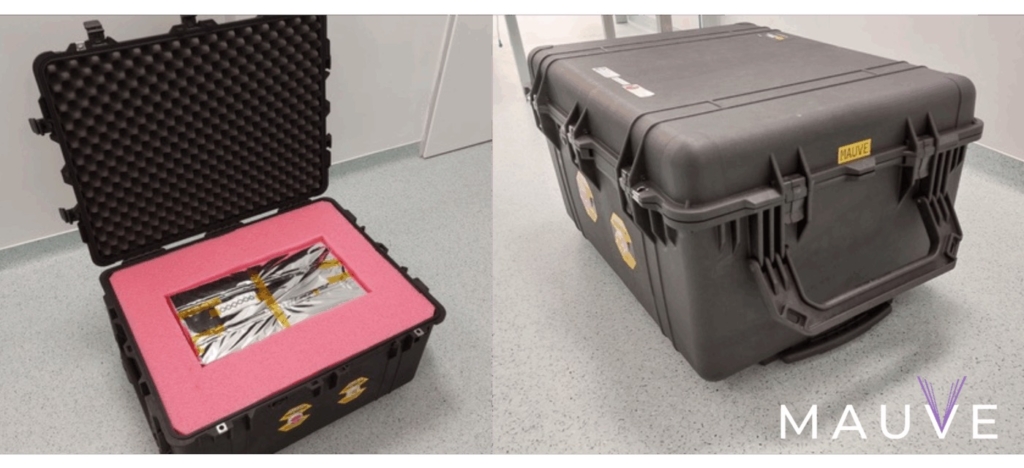
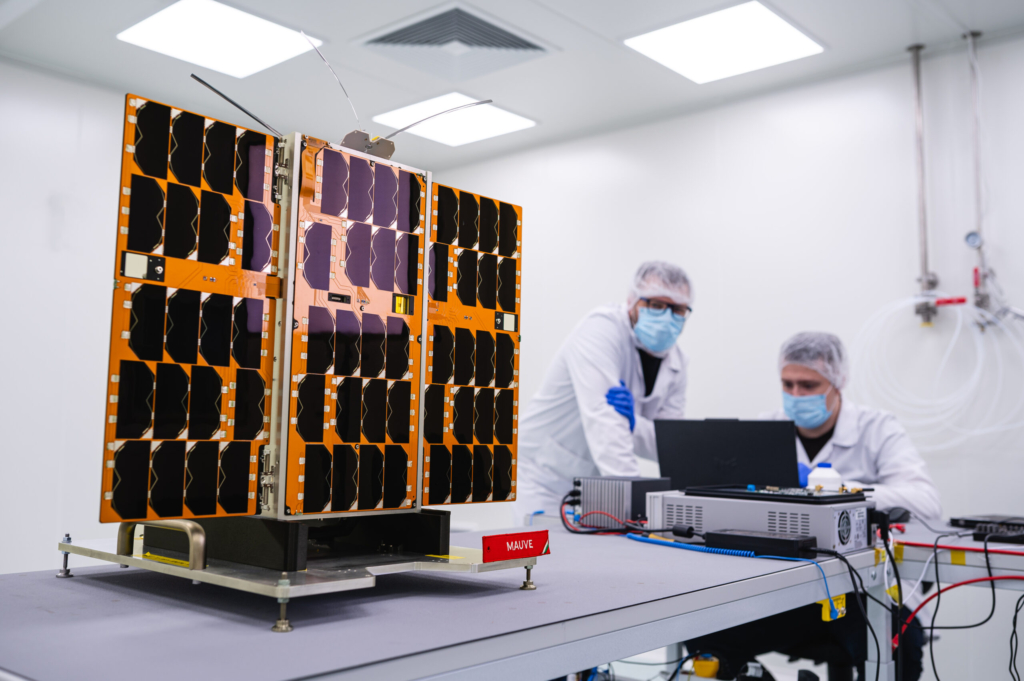
Mauve is a suitcase-sized observatory built to monitor the ultraviolet behaviour of stars. Its mission is to measure energetic stellar flares and radiation, the kind of activity that influences whether exoplanets can retain their atmospheres or potentially support life.
The spacecraft rides to orbit on a 16U CubeSat chassis and carries a 13 cm optical telescope capable of observing in ultraviolet and visible wavelengths from 200–700 nm. It will operate in a 500 km low-Earth orbit on an initial three-year mission.
Crucially, Mauve is also the first space telescope to launch under a fully commercial subscription model, with institutions paying for access to its science data.
“Mauve will open a new window on stellar activity that has previously been largely hidden from view,” said Professor Giovanna Tinetti, Chief Scientist and Co-founder of Blue Skies Space. “By observing stars in ultraviolet light — wavelengths that can’t be studied from Earth — we’ll gain a much deeper understanding of how stars behave and how their flares may impact the environment of orbiting exoplanets.”
How the Mauve UV telescope changes access to space science
Blue Skies CEO Dr Marcell Tessenyi told Aerospace Global News ahead of launch that Mauve’s model is deliberately designed to bypass the slow, competitive cycles of traditional government programmes.
“Blue Skies Space Ltd is pioneering a new approach to space science satellites, providing data to scientists via an annual subscription at a very accessible cost, open to any institution around the world. We reinvest that income to fund the next generation of satellites.”
| Mauve specifications | |
|---|---|
| Wavelength coverage | 200 – 700 nm (UV – Visible) |
| Telescope | 13 cm Cassegrain |
| Spectral resolution | 10.5 nm (max R=65) |
| Detector | CMOS linear array |
| Mass | 18.6 kg |
| Orbit | LEO, 10:30 LTAN, 500 km |
This approach means researchers no longer need to wait years for telescope time. Instead, they subscribe, help shape Mauve’s observing programme and analyse data as soon as it arrives.
Several institutions have already signed up, including Columbia University, Boston University, Kyoto University, Konkoly Observatory and the National Astronomical Observatory of Japan.
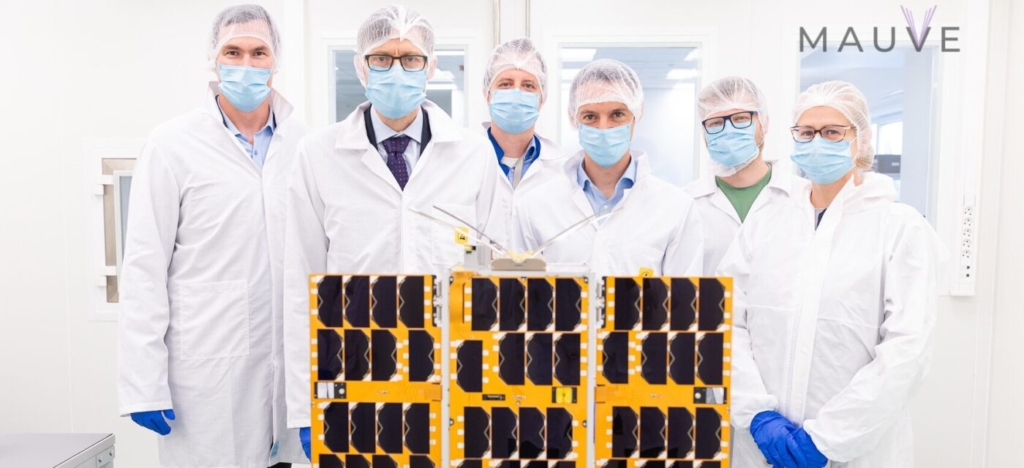
“Scientists and institutions can join Mauve’s collaborative science programme through a membership model,” Tessenyi added. “Members shape the observation programme and have access to the complete data from the mission.”
Discover more of our exclusive stories and interviews here
Why UV observations from space matter for exoplanet habitability
Because Earth’s atmosphere blocks most ultraviolet light, very few space telescopes currently observe in UV wavelengths, despite their importance for understanding stellar behaviour.
“Mauve will enable the study of transient, energetic phenomena from stars, typically emitted through powerful flares, that will affect the planets around them,” Tessenyi said.
These flares can strip atmospheres or transform planetary chemistry, key factors in assessing exoplanet habitability. Mauve will focus on stars known for this activity, including binaries, hot stars and young planetary systems.
Inside Mauve’s fast-build approach to commercial science satellites
One of Mauve’s standout traits is its rapid development timeline. The mission went from concept to launch in roughly three years — far quicker than typical space-science missions.
Tessenyi attributes this to a philosophy of simplicity and reuse.
“The approach taken by Blue Skies Space focuses on existing technology to implement the best possible science capabilities that can be achieved using existing equipment.”
Rather than reinventing the telescope for every mission, the company builds efficiently and flies frequently.
SpaceX Falcon 9 sends Mauve into orbit on Transporter-15 rideshare
Transporter-15 lifted off smoothly, with the Falcon 9 booster touching down on Of Course I Still Love You minutes later. Mauve was deployed soon after the rideshare payload separations.
Watch Falcon 9 launch the Transporter-15 mission to orbit https://t.co/Z5aXwR9Uao
— SpaceX (@SpaceX) November 28, 2025
Now in a 500 km orbit, the telescope begins a multi-year campaign observing stellar UV behaviour and distributing data to subscribed institutions. The affordability of rideshare launches was key to making the mission viable.
As Tessenyi noted, “The rise of commercial launch providers, including SpaceX, has drastically reduced the cost and increased the launch opportunities available for small satellites.”
Blue Skies Space plans a fleet of commercial science telescopes
Mauve is just the beginning. Blue Skies Space is preparing Twinkle, a larger infrared observatory set for launch in 2027, and is studying additional small missions, including concepts for lunar orbit.
“Blue Skies Space aims to launch and operate a fleet of satellites addressing different scientific topics with targeted satellite designs,” Tessenyi said.
This model is not meant to compete with major flagship missions like Hubble or JWST, but to complement them by offering faster, more agile access to specific scientific datasets.
“The motivation behind founding Blue Skies Space came directly from the experience of the co-founders who needed access to new scientific data not available at the time,” the CEO explained.
With Mauve now operational, the first data is expected to reach member institutions within months. If successful, the mission could reshape how the scientific community accesses space data, not through a handful of giant observatories, but through a fleet of small, specialised telescopes working in tandem.