The shortest widebody flights planned for 2026

3 min read

Throughout 2026, familiar ultra-short widebody routes will remain, alongside some new and interesting additions.
Sub-one-hour widebody flights still dominate the list
At the very shortest end of the spectrum are flights that barely have time to reach cruising altitude. Air Transat’s Montreal to Quebec City service remains the benchmark, with flight times often under 50 minutes on an A330-200.
It may be a brief flight, but strong domestic demand and the need to keep aircraft productive mean the widebody still earns its place.
Similarly short are several African sectors operated by Air France and Brussels Airlines. Routes such as Malabo to Douala and Lomé to Accra typically clock in at around 40 minutes, again on Airbus A330s.
These quick hops go to show how widebodies can be effective in regions where traffic volumes, infrastructure constraints and network connectivity favour larger aircraft on short sectors.

Europe’s shortest widebody routes in 2026
Into 2026, Europe continues to produce some of the most intriguing short widebody operations.
Air Europa’s Madrid to Barcelona service remains the shortest regular Boeing 787 flight in Europe. The Dreamliner is deployed less for local demand and more to connect easily with the airline’s Latin American network.
Aer Lingus also maintains its use of Airbus A330s on the Dublin to Madrid route in 2026. While relatively short by widebody standards, the flight benefits from strong demand and helps balance fleet utilisation across the carrier’s long-haul operation.
Heathrow summer 2026: widebodies on short European sectors
London Heathrow will once again be a focal point for short widebody flying during summer 2026.
British Airways plans to operate a Boeing 777-200ER daily between Heathrow and Madrid, from 29 March until 25 October 2026. This is alongside the Iberia A350s also running daily routes between the UK and Spanish capitals.
Turkish Airlines is also expected to operate Airbus A330s and Boeing 777s on dense European routes, while Finnair plans to deploy A350s on selected Heathrow/Helsinki services.
These flights are short, frequent and capacity-driven, designed to maximise slot value while catering for peak-season passenger volumes.
New aircraft types are blurring the widebody boundary
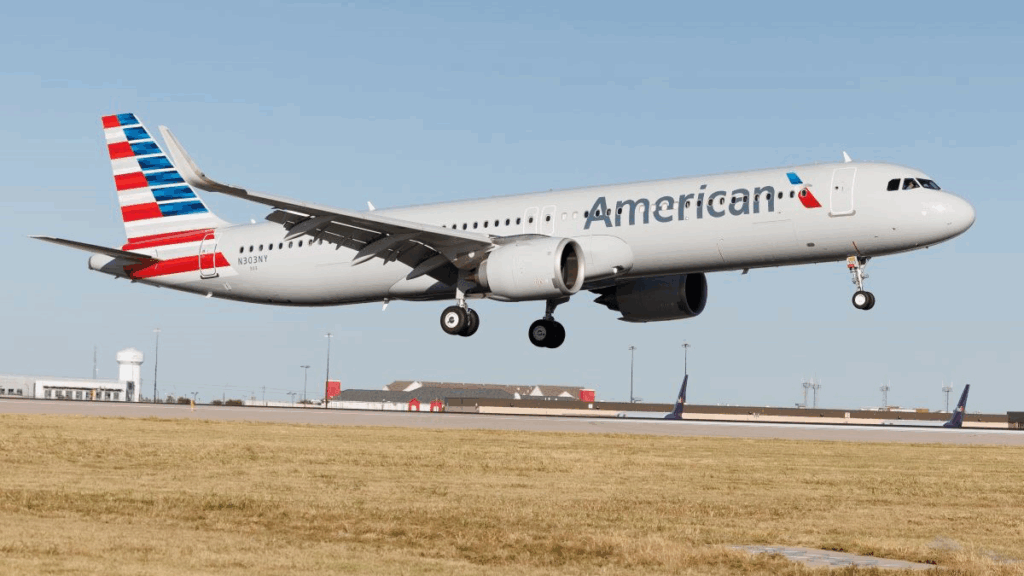
Not all notable developments involve traditional widebodies. American Airlines’ introduction of the Airbus A321XLR in 2026 will see the aircraft used on shorter transatlantic sectors such as New York to Edinburgh.
While technically a narrowbody, its range, payload and premium-heavy layout increasingly overlap with roles once reserved for smaller widebodies.
Efficiency, events and strategic upsizing in 2026
Efficiency remains a key driver. Air Europa plans to introduce Boeing 737 MAX 8s on short European routes, including Madrid to Gatwick, Frankfurt and Munich, replacing widebodies where passenger numbers are lower.
On the other end of the spectrum, Singapore Airlines will bring out its Airbus A380 on the Singapore to Shanghai route during peak or busy seasons. The superjumbo is ideal to handle the high demand on this popular regional corridor.
Big events also play a role. The 2026 World Cup is likely to mean increased widebody use on routes like Heathrow to Atlanta. Even relatively short sectors will need the extra capacity to cope with higher passenger and cargo demand.
Essentially, short widebody flights planned for 2026 highlight an industry built around flexibility, efficiency and sustainability. It’s really about clever capacity management, as airlines manage risk, not least in demand fluctuations.
Featured image: Air Europa