San Francisco Airport maps out Airbus A321XLR opportunities and global hub ambitions

December 21, 2025
In an interview with Aerospace Global News on the sidelines of the Global Airports Forum in Riyadh on Tuesday, San Francisco Airport’s Chief Commercial Officer – Kevin Bumen – spoke about the carrier’s recent and future growth.
Much of the attention on the Airbus A321XLR has focused on the transatlantic market. However, with American Airlines launching domestic transcontinental routes from New York JFK to Los Angeles and San Francisco, the A321XLR focus geography is shifting.
Opportunities in Latin America
San Francisco Airport (SFO) hopes to leverage the A321XLR for services to areas that are currently not served or underserved. In particular, Bumen pointed southwards.
“I think there’s certainly opportunities in Latin America for it. It’s well situated for several markets there. You know in the same way that the 787 has unlocked some unique access into Asia and the South Pacific.”
In a panel discussion on Wednesday, he reiterated the Latin American ambition. “We don’t have any flights today south of Panama. But when we model what the 321XLR can achieve in that market, it opens up at least four hubs that today are unserved.”
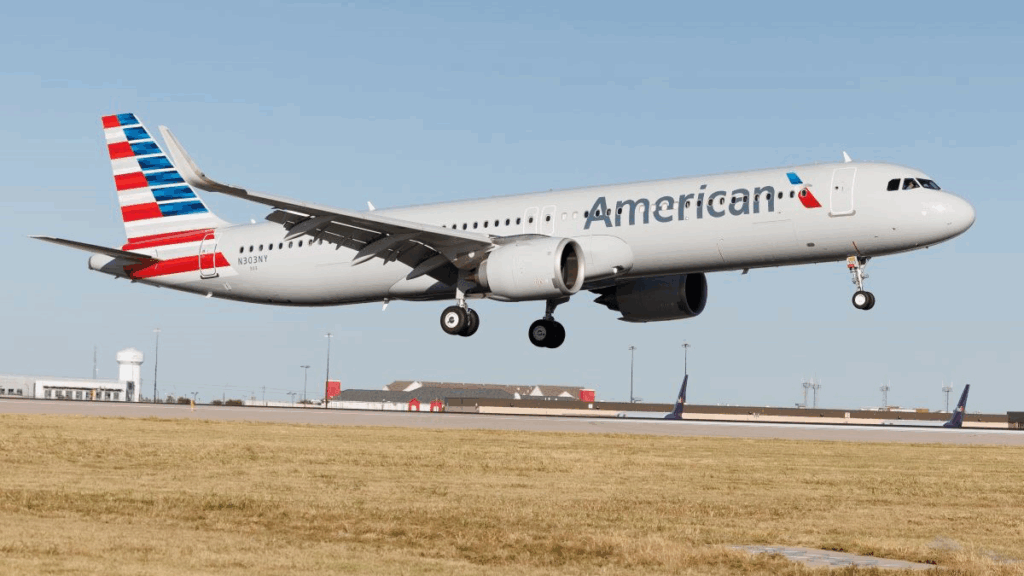
American Airlines will become the first carrier to fly the A321XLR to San Francisco early next year, when it deploys the type from its New York-JFK hub.
United, which is the airport’s largest operator, also has orders for 50 of the aircraft but has not yet said whether it plans to use them out of San Francisco. It is worth noting that its primary South American gateway is Houston, Texas.
Possible A321XLR routes
Currently, San Francisco has no flights to South America. Its southernmost destination (in the Americas) is Panama City, served daily by Copa and United Airlines.
Lima was previously served by LAN Perú (today known as LATAM Airlines Perú) with 3 flights per week on a Boeing 767, according to information from aviation analytics firm Cirium. The carrier does fly from Lima to Los Angeles.
San Francisco’s top destinations to South America by the number of (indirect) passengers include the likes of Lima, São Paulo and Buenos Aires.
Filtering the cities for those that meet Airbus’ advertised A321XLR range of 4,700nm, Lima (Perú), Bogotá (Colombia), Medellín (Colombia) and Quito (Ecuador) emerge as possibilities – and remain unserved nonstop.
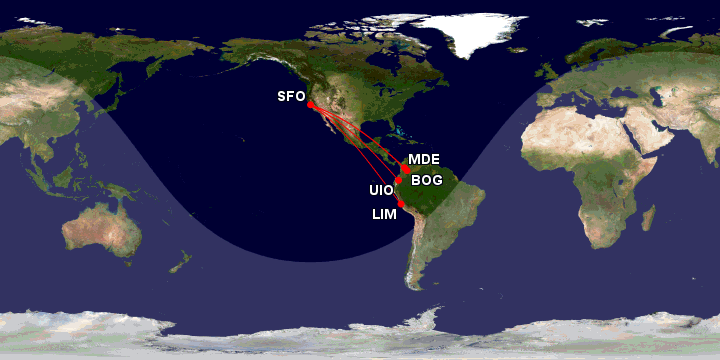
Speaking generally about network development, several of these countries came up. “When we look at markets in Peru, Brazil, Chile and Colombia, there’s opportunities in South America to be realized as well.”
Aircraft availability challenges
The main challenge facing airlines and ultimately hindering SFO’s network growth is aircraft availability, he said. Bumen argues that “some impressive opportunities […] remain off the table because of aircraft availability.”
“It doesn’t stop there. You have got to up the crew and all the other supporting parts of that to bring the operation forward,” he continued. “But you know, as aircraft deliveries have been challenged over the last several years, that is starting to have an accrued effect in the market.
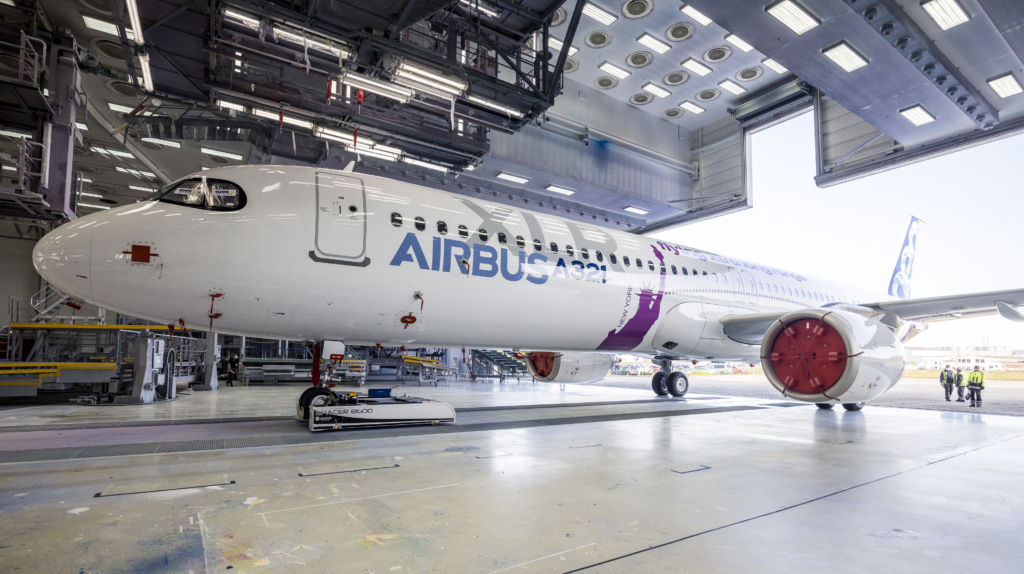
When asked whether the airport was in discussions with carriers regarding Airbus A321XLR opportunities, Bumen responded: “I would say we’re always in discussions with all the carriers about markets everywhere.”
Recovery of the long-haul network
United Airlines began America’s first ever connection to Adelaide on 11 December, with flights departing from its San Francisco hub. The launch was a testament to the airport’s growing Asia-Pacific network, driven largely by home-carrier United. Other notable recent entrants from the region include STARLUX, Air Premia and ZIPAIR.
SFO’s long-haul network has recovered to pre-COVID levels both by destinations served and number of flights, up approximately 7% according to Cirium.
However, one key region lags behind 2019 capacity: China. “We’re at about half of the amount of China flying we had pre pandemic. So, if you normalised our market today with our pre-covid China numbers, it would be extraordinary growth.”
Bumen cited “regulatory and diplomatic issues” for the hold-up but reiterated that airlines – particularly on the Chinese side – are eager to return.
“We’re hearing interest certainly from the China side. The demand from the US side would appear to support it as well. We’ll remain hopeful for that.”
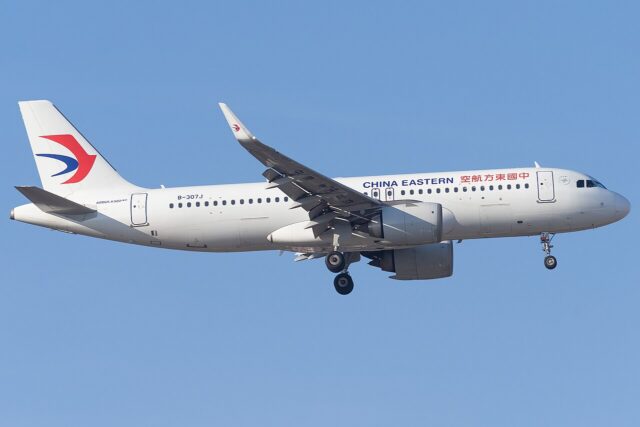
Only eight airports have not returned in 2025 of which Chengdu and Qingdao feature. Air China and China Eastern Airlines each deploy just 25% of their 2019 capacity today.
Global ambitions
Buman has global ambitions for SFO. Further down the line, he hopes the airport will reach destinations across the likes of Africa and elsewhere in the Middle East.
“I think there’s a future for us in Africa,” the executive admitted.
“You look at the project in Addis Ababa and what that could bring for connectivity,” he continued, referring to Ethiopia’s new gateway that will become the biggest airport in Africa once completed. The US-supported mega project costs some £7.5 billion ($10 billion).
Further Westwards, Bumen remarked on Royal Air Maroc’s return to Los Angeles. “You look at Northern Tier Africa, and there’s certainly some possibilities, perhaps a bit further out [in the future].”
As he prepared to return on stage at the event in Saudi Arabia to moderate another panel session, Bumen concluded: “We have flights into other cities in the Gulf. And frankly, Riyadh should be no different. I think when the time is right, it’d be exciting to be connected with Riyadh.”
SFO currently has flights to Dubai and Doha with Emirates and Qatar Airways respectively.
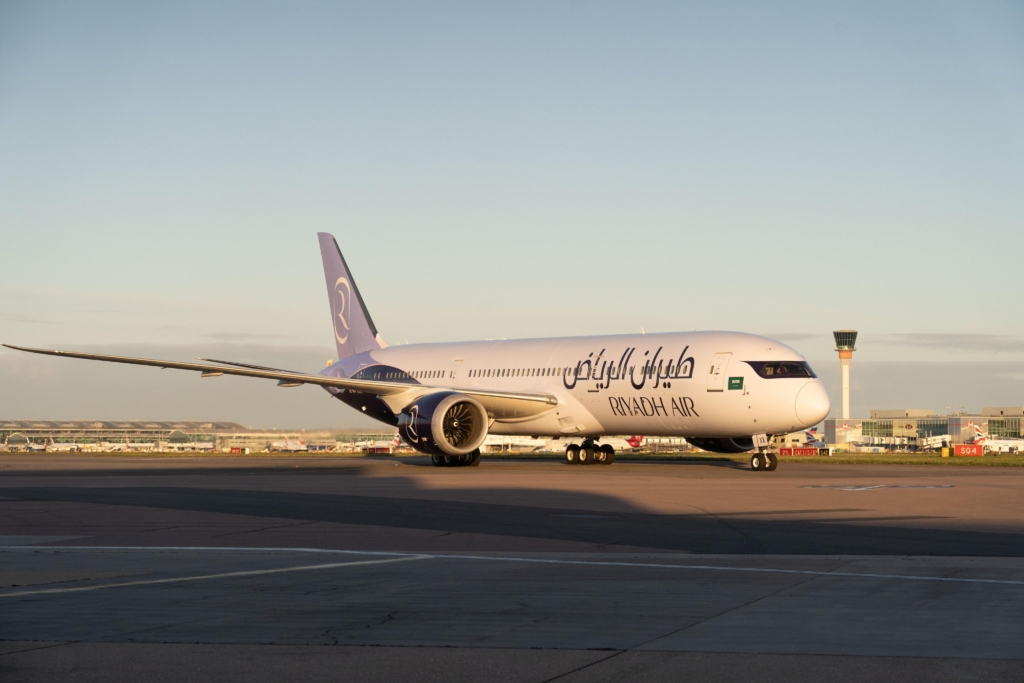
Riyadh Air has already confirmed it will be flying to the United States – but whether San Francisco is included in that plan is not immediately clear.
Incentives on domestic flights
Since COVID-19, the Chief Commercial Officer admitted that there has been an increased focus on the domestic network. The airport has seen a 16% decrease in domestic flights this year compared to 2019, driven by United Airlines, Alaska Airlines and Southwest.
Frontier Airlines meanwhile has more than doubled its SFO network, and the introduction of Breeze Airways flights also contributed to mitigate some of the downturn. “We developed an incentive program for domestic flights and sustain that today.”
The program, launched in 2021 as part of its COVID recovery, was extended in July 2024. It involves a 100% waiver on landing fees for new and previously unserved domestic destinations.
“I think that’s really a part of our work going forward, because as we’ve seen the growth in our international market, it’s the feed markets that certainly help support that both for people and belly cargo.”

Domestic routes served this year but not in 2019 include San Bernardino (Breeze), Provo (Breeze) and Bishop (United).
Featured image: Photofex | stock.adobe.com