ROTOR Act fails in House despite Senate approval and NTSB backing after 2025 Potomac crash

February 25, 2026
The US House of Representatives on February 24 failed to pass the Rotorcraft Operations Transparency and Oversight Reform (ROTOR) Act, an aviation safety bill designed to mandate enhanced aircraft tracking technology in the wake of the 2025 midair collision over the Potomac River that killed 67 people.
Despite clearing the Senate unanimously in December and securing 264 votes in favour in the House, the bill fell short of the two-thirds majority required under suspension of the rules. A total of 133 members voted against it, derailing what many had expected to be a swift passage to the President’s desk.
The legislation would have required most aircraft operating in controlled airspace to be equipped with Automatic Dependent Surveillance-Broadcast In (ADS-B In) technology, allowing pilots to see the precise location of other aircraft in real time.
Investigators have said such equipment could have provided critical warning ahead of the mid-air collision.

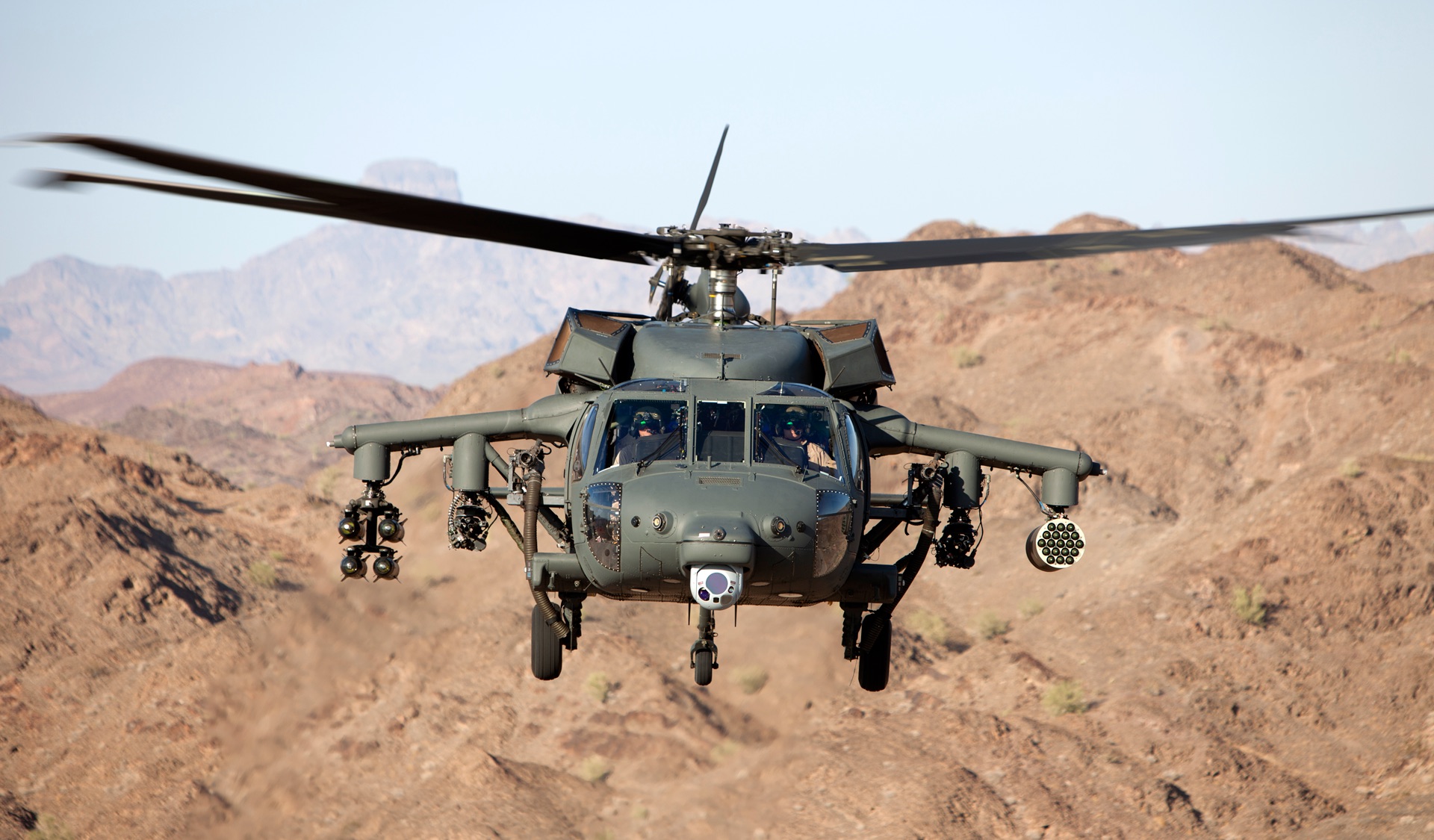
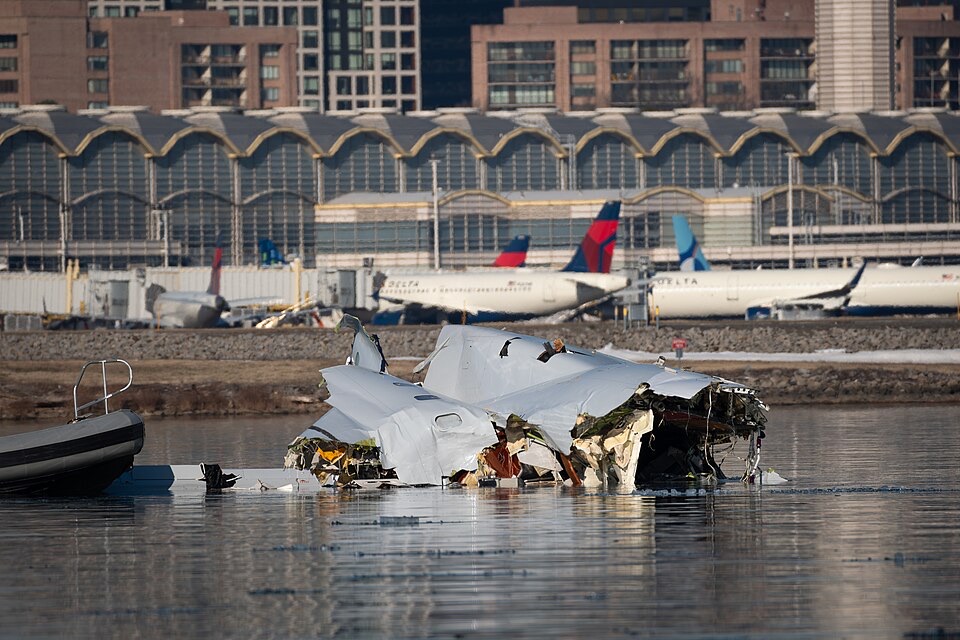
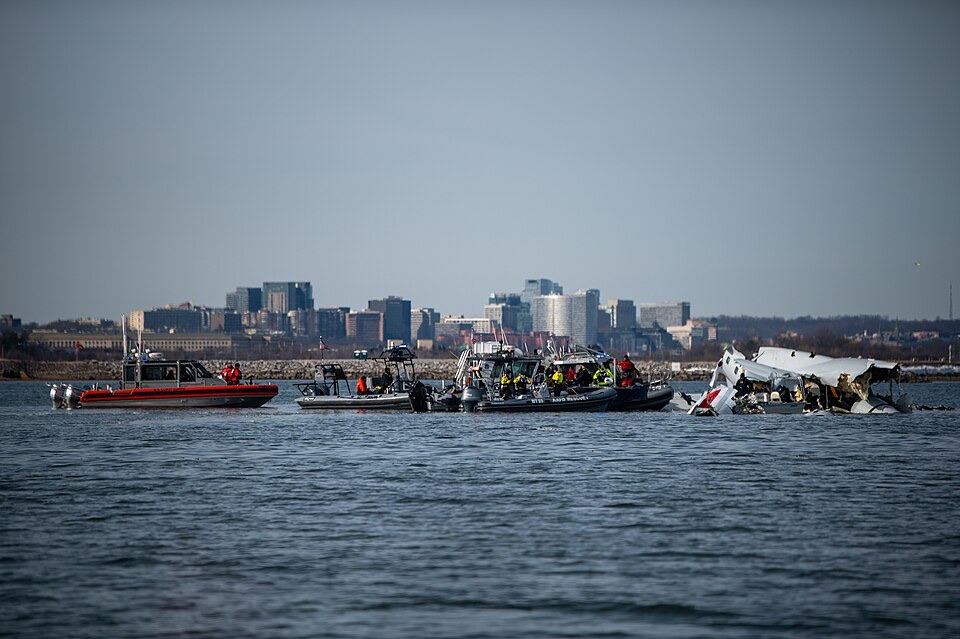
On the evening of January 29, 2025, a Bombardier CRJ-700 aircraft operating as PSA Airlines Flight 5342, carrying 60 passengers and 4 crewmembers, collided in flight with a US Army Sikorsky UH-60L Black Hawk helicopter (callsign Priority Air Transport 25) over the Potomac River just southeast of Ronald Reagan Washington National Airport (DCA) in Arlington, Virginia. All 67 people aboard both aircraft were killed, and both aircraft were destroyed on impact.
What the ROTOR Act would have required: ADS-B In mandate explained
Automatic Dependent Surveillance-Broadcast (ADS-B) is an advanced surveillance technology that combines an aircraft’s positioning source, aircraft avionics, and a ground infrastructure to create an accurate surveillance interface between aircraft and ATC.
ADS-B is a performance-based surveillance technology that is more precise than radar and consists of two different services: ADS-B Out and ADS-B In.
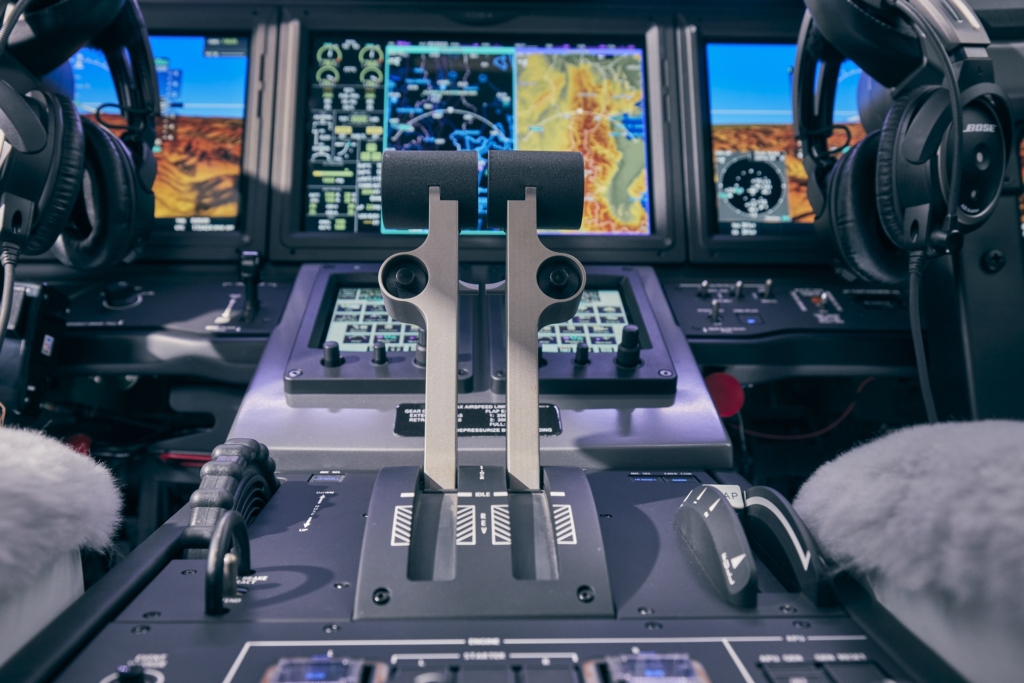
ADS-B Out
ADS-B Out refers to an aircraft’s ability to broadcast its position and other information to receivers, either on the ground or in other aircraft.
Aircraft operating with ADS-B Out require a Mode S transponder and Extended Squitter to be enabled. At the other end, for the data to be received by air traffic controllers, ground receivers require an antenna with a receiver and an adapted surveillance processor.
ADS-B In
ADS-B In allows the receiving of broadcasts from other aircraft, which helps to give pilots better situational awareness and enables self-separation of aircraft. Unlike ADS-B Out, ADS-B In is not mandatory – it depends on the categories of aircraft and also on airspaces.
It also enables aircraft to receive broadcasts and data from the ground network, such as information about traffic (TIS-B) and weather (FIS-B). It also allows the reception of broadcasts from other aircraft.
From the 2025 Potomac crash to the ROTOR Act
The ROTOR Act was introduced on July 29, 2025, by Sen. Ted Cruz, Chairman of the Senate Commerce Committee, exactly six months after the crash. The bill was co-sponsored by several Republican senators and later passed the Senate unanimously on December 17, 2025.
Formally titled the Rotorcraft Operations Transparency and Oversight Reform Act (S.2503), the measure required all aircraft already mandated to carry ADS-B Out under existing FAA rules to also install and operate ADS-B In equipment.
ADS-B Out broadcasts an aircraft’s position; ADS-B In allows pilots to receive and display nearby traffic information.
The legislation also sought to close what lawmakers described as a loophole permitting certain Department of War aircraft to fly domestically without transmitting ADS-B Out during routine operations.
It directed the FAA to narrow the definition of “sensitive government mission,” excluding routine, non-classified and proficiency flights from exemption eligibility.
Additional provisions mandated FAA safety reviews of helicopter routes near major airports, required Army Inspector General audits of aviation safety practices, and ordered regular reporting to Congress on ADS-B compliance and exemptions.
“The ROTOR Act represents a common-sense step forward in aviation safety reform,” Cruz said at the time. “One of the most important parts of this bill is the requirement that all aircraft, military and civilian, use both ADS-B Out and ADS-B In. We will not wait for another accident to happen before we finally protect American skies.”
NTSB findings on the Potomac collision
The National Transportation Safety Board concluded in January 2026, after a yearlong investigation, that the collision was the result of multiple systemwide breakdowns.
“Deep, underlying systemic failures – system flaws – aligned to create the conditions that led to the devastating tragedy,” NTSB Chair Jennifer Homendy said in her opening remarks at the agency’s headquarters.

Investigators did not cite a single cause but pointed to overlapping issues, including congested airspace design, equipment failures and human error. The NTSB had first recommended requiring ADS-B In in 2008.
Ahead of the House vote, Homendy posted on social media: “The ROTOR Act would’ve saved lives. How many more people need to die before we act?”
As a safety leader, my job is not to "play it safe." My job is to speak up and speak out when something isn't right. My job is to give voice to those who no longer have one. My job, my passion is to push for safety. My job is to save lives.
— Jennifer Homendy (@JenniferHomendy) February 24, 2026
I have stood by families over the… https://t.co/PeRh6NEYxf pic.twitter.com/F2pVsyVxmm
On the morning of February 24, she rejected claims that ADS-B In remains immature technology. “It isn’t an emerging technology…This is technology that people use all the time. It implements life-saving technology that we have recommended over and over and over again for over 20 years.”
Why the Pentagon opposed the ADS-B mandate
Although the Pentagon had worked with Senate lawmakers during drafting, it withdrew support ahead of the House vote.
In a February 23 statement, Assistant to the Secretary of War for Public Affairs Sean Parnell said the department “shares [Congress’s] commitment to improving aviation safety and accountability” but added that the Senate-passed version “does not reflect several of the mutually discussed updates.”
“As currently drafted, enactment would create significant unresolved budgetary burdens and operational security risks affecting national defence activities,” the statement read.
On the House floor, Rep. Mike Rogers, Chairman of the House Armed Services Committee, warned: “This bill will undermine our national security. Requiring our fighters and bombers and highly classified assets to regularly broadcast their location puts our men and women in uniform at risk.”
House Republicans push alternative ALERT Act
Rep. Sam Graves, Chairman of the House Transportation and Infrastructure Committee, described the bill as “an unworkable government mandate.”
“Too often I have seen Congress react prematurely in a way that fails to address the multilayered causes of accidents in a comprehensive and consensus-driven manner,” Graves said. “[The ROTOR Act] provides an overly proscriptive approach to mandating a specific technology which is still largely under development in a manner that can prove burdensome to some operators and create burdens to its adoption.”
Graves instead promoted an alternative measure, the ALERT Act, which he said addresses all 50 NTSB safety recommendations arising from the crash, not just those tied to ADS-B technology.
“The ALERT Act is a comprehensive package of improvements that addresses all 50 safety recommendations issued by the NTSB. Unlike the bill before us today, the ALERT Act tackles all the identified root causes that led to this deadly crash,” he noted.
Senate response to Pentagon security concerns
Cruz and Sen. Maria Cantwell issued a joint response to the Pentagon’s concerns, arguing the bill already included safeguards for classified operations.
“Proficiency flights – like the one that killed 67 people last January – should have to broadcast their position using ADS-B Out in busy airspace like every other military and civilian flight,” they said. “We appreciate the dialogue with the Pentagon and look forward to the ROTOR Act’s passage so that our skies are made safer immediately.”
🚨 JOINT STATEMENT from Chairman @SenTedCruz and Ranking Member @SenatorCantwell:
— Senate Commerce Republicans (@SenateCommerce) February 23, 2026
“The ROTOR Act includes specific language at the Pentagon’s behest to best protect classified flights. Proficiency flights — like the one that killed 67 people last January — should have to…
Under the Senate text, exemptions were limited to narrowly defined “sensitive government missions,” with mandatory reporting to Congress for each use of such exceptions.
Families of Flight 5342 and pilot unions react to House vote
Hours before the vote, families of the victims of Flight 5342 joined members of Congress at a press conference on Capitol Hill.
“If you ask any of us what single thing could have changed that night – what one variable, one moment, where the outcome could have been different – it’s pilots being able to see each other,” said Rachel Feres, who lost four relatives in the crash.
The Air Line Pilots Association backed the bill. ALPA President Jason Ambrosi said: “If you want to operate in that airspace, you need to be telling us your position so that I don’t lose crew members, and these folks don’t lose family members.”

The Association of Flight Attendants-CWA also criticised the outcome. President Sara Nelson said, “It is unconscionable that the House failed to pass the ROTOR Act today. This legislation was the clearest and most direct way to avoid midair collisions.”
After the vote, the Families of Flight 5342 said in a statement: “We are devastated. Today, a majority of the House voted to pass the ROTOR Act. It was not enough. We call on House leadership to bring the ROTOR Act back for a vote that lets the majority pass it.”
Rep. Suhas Subramanyam, a co-sponsor, said: “The ROTOR Act was a crucial first step. But this is not the end of this fight, and I will not stop pushing until it becomes law.”
Cruz echoed that determination: “Today’s result was just a temporary delay. We will succeed, and [the] ROTOR Act will become the law of the land. The families and the flying public deserve nothing less.”
With the Senate and House now split over the appropriate legislative path – the ROTOR Act versus the House-backed ALERT Act – the future of ADS-B In mandates remains uncertain.
What is clear is that the political battle over aviation safety reform has moved from bipartisan consensus to an open contest between national security caution and the demand for technological transparency in some of the world’s busiest airspace.
Featured image: Lockheed Martin