Could electric Seagliders replace ferries in Scotland? REGENT launches feasibility study

September 24, 2025
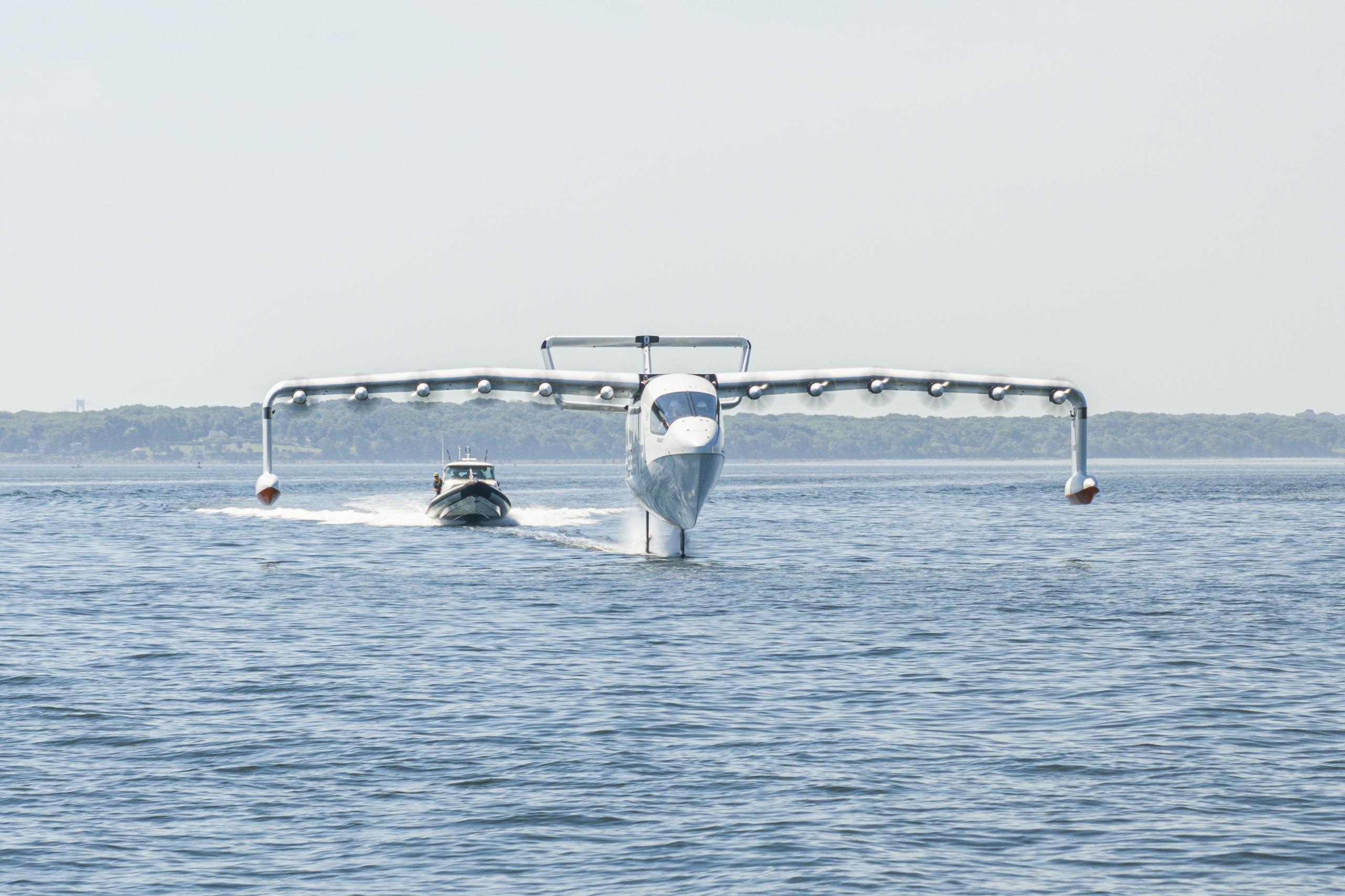
A new partnership between US maritime mobility innovator REGENT Craft and the Highlands and Islands Transport Partnership (HITRANS) will explore the potential of introducing all-electric Seaglider vessels to northern Scotland.
The collaboration begins with a feasibility study to assess how Seagliders could integrate into the region’s complex, weather-dependent transport network.
It aims to evaluate whether the craft could offer a faster, greener alternative for island and coastal connections while helping to cut carbon emissions in a part of the UK that does not have reliable and frequent transport options.
REGENT said the initiative will progress in phases, starting with data-sharing on route planning, infrastructure needs and regulatory considerations. Later stages will involve engagement with local authorities and stakeholders to build wider support for deployment.
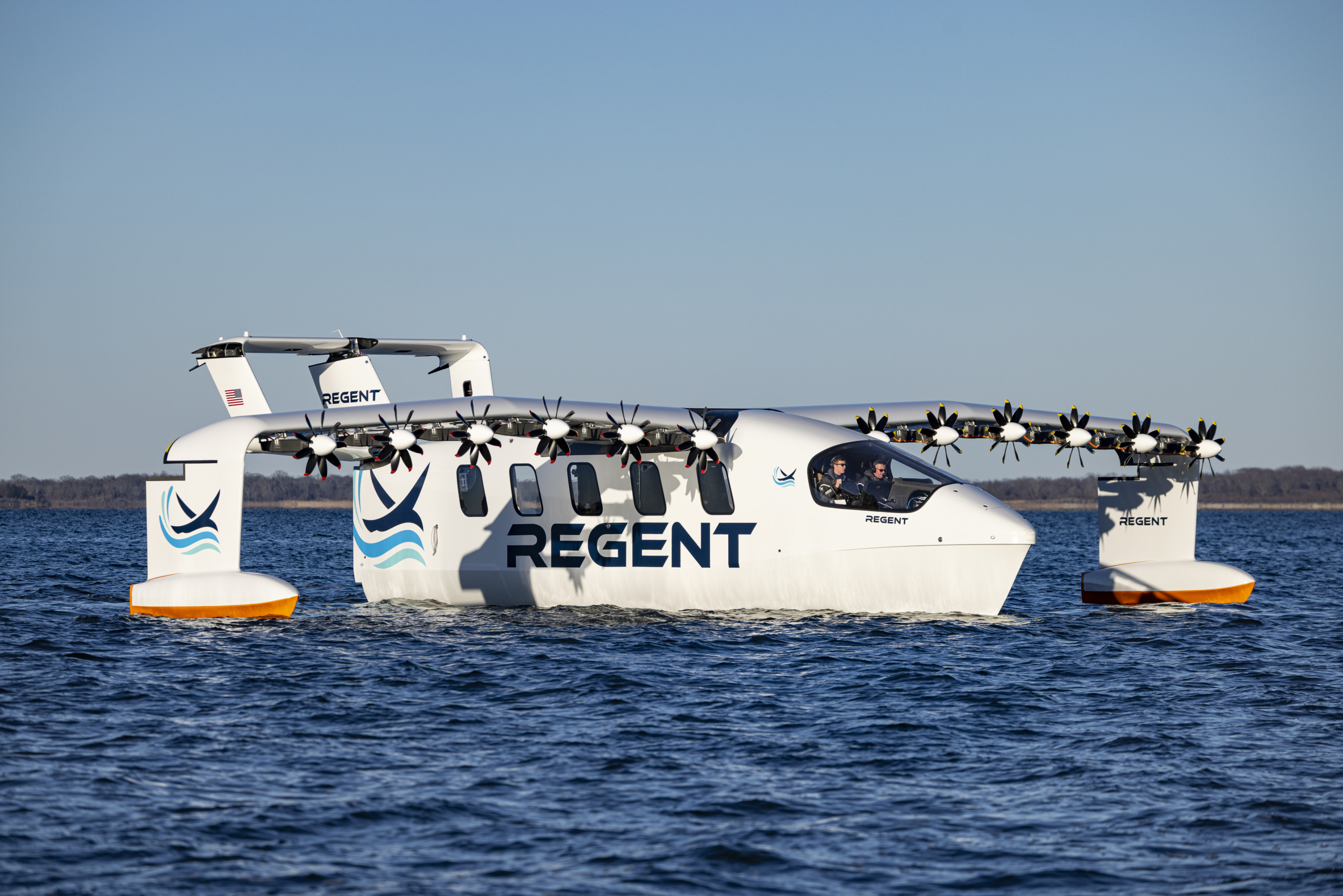
The technology under consideration is the Viceroy Seaglider, a wing-in-ground-effect craft designed to carry 12 passengers and two crew. At 55 feet long with a 65-foot wingspan, REGENT says it will be the largest all-electric flying machine of its kind, offering lower costs and shorter journey times than ferries or aircraft.
From dockside, the craft operates like a boat, before rising on hydrofoils for a smooth ride through harbour areas. Once in open water, it retracts the foils and cruises just above the waves, combining advanced digital flight software with simple boat-style controls.
REGENT recently completed its first crewed hydrofoil test, marking progress towards full wing-in-ground-effect flight.
Bringing REGENT seagliders to Scotland
REGENT’s Seagliders could be particularly well suited to Scotland because they are designed for short overwater hops, linking remote islands and coastal communities more quickly and sustainably than ferries, while avoiding the high costs and weather sensitivities of regional air travel. Their all-electric design also aligns with Scotland’s net-zero transport ambitions.
“Our work with HITRANS is an exciting opportunity to showcase to Scotland and the highlands communities the potential human and environmental benefits Seaglider vessels could have on coastal transportation,” says Adam Triolo, Vice President of Commercial Business Development at REGENT.
“REGENT’s Seaglider technology is an all-electric sustainable solution that could transform the way people transit this area of natural beauty. The HITRANS team are leading an important and innovative mission in the region, and we look forward to growing this partnership together.”

Headquartered in Rhode Island, REGENT describes Seagliders as a new category of high-speed maritime transport that merges the convenience of a boat with the speed and efficiency of an aircraft. The company has more than $10 billion in commercial orders from ferry operators and airlines, alongside contracts with the US Marine Corps. Investors include Founders Fund, Japan Airlines and Lockheed Martin, with over $100 million raised to date.
“This is a hugely exciting prospect for transport in the Highlands and Islands,” says David Holden, Regional Sustainable Aviation Manager at HITRANS. “REGENT are bringing much-needed innovation to coastal transportation, which has the potential to transform how people travel across the Highlands and Islands in the future.”.
REGENT seeks starring role in new era of defence capability
Elsewhere in the REGENT stable, the seaglider team has launched a new military-focused division as it expands efforts to develop sea-skimming ground-effect vehicles for the US Marine Corps and other defence customers.
REGENT Defence, launched in July 2025, is a new business unit tasked with adapting the company’s civilian technology for military use.
The company has already been working with the US Marine Corps Warfighting Lab under an expanded R&D contract awarded earlier this year, exploring applications of its electric Viceroy seaglider for amphibious operations.
The military-configured Viceroy is designed to carry 3,500 lbs of payload or up to 12 Marines, and can operate either crewed or autonomously. REGENT is also developing a smaller craft called Squire, an Unmanned Surface & Air Vehicle (USA-V) designed to carry up to 50 lbs of supplies over 100 nautical miles at speeds of 70 knots.
In addition to the Marines, REGENT is also working with the US Special Operations Command (USSOCOM) and the US Coast Guard Research and Development Centre to develop sea-skimming craft.