Explained: Ramjets, scramjets, and the race to hypersonic speeds

December 25, 2025
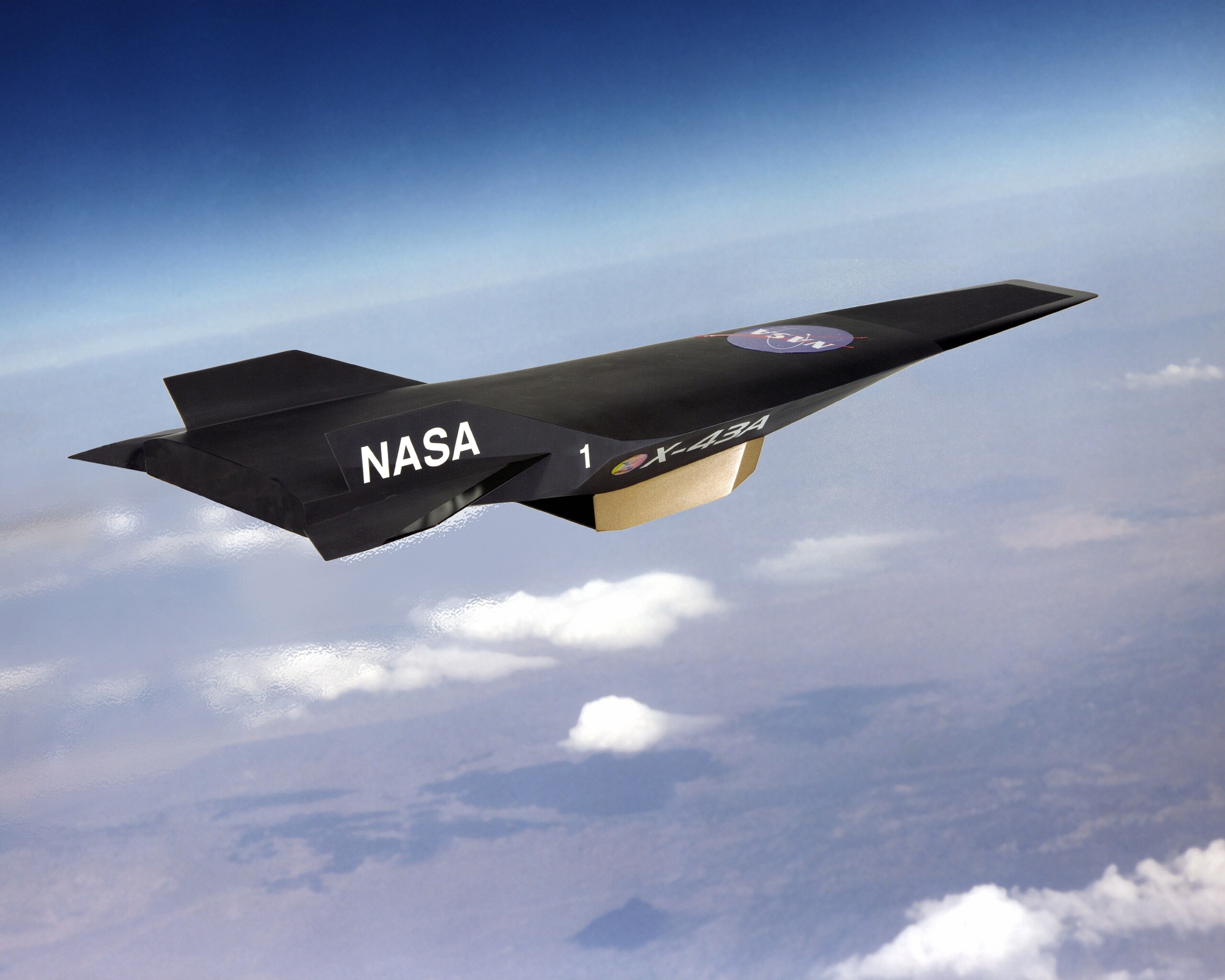
Nations worldwide are investing heavily in hypersonic technologies to secure strategic advantages in an increasingly competitive defense landscape. The race to develop hypersonic technology has led to breakthroughs in the development and testing of high-speed systems.
While the US is investing heavily in the development and testing of hypersonic systems, its contenders, China and Russia, are already ahead in the game. With the help of advanced jet engines like ramjets and scramjets, hypersonic systems achieve Mach 5+ speeds and efficiency. In the modern arms competition, global nations try to gain a strategic advantage over existing missile defense systems.
Air-breathing jet engines offer the speed
Ramjets and scramjets are air-breathing jet engines that allow high-speed airflow without the use of moving parts. Unlike typical turbine engines that ingest air from a rotating propeller or fan, hypersonic propulsion systems require forward motion of the engine to achieve combustible air. The vehicle on which the air-breathing engine is installed must be traveling through the air at high speeds before the engine is operated.
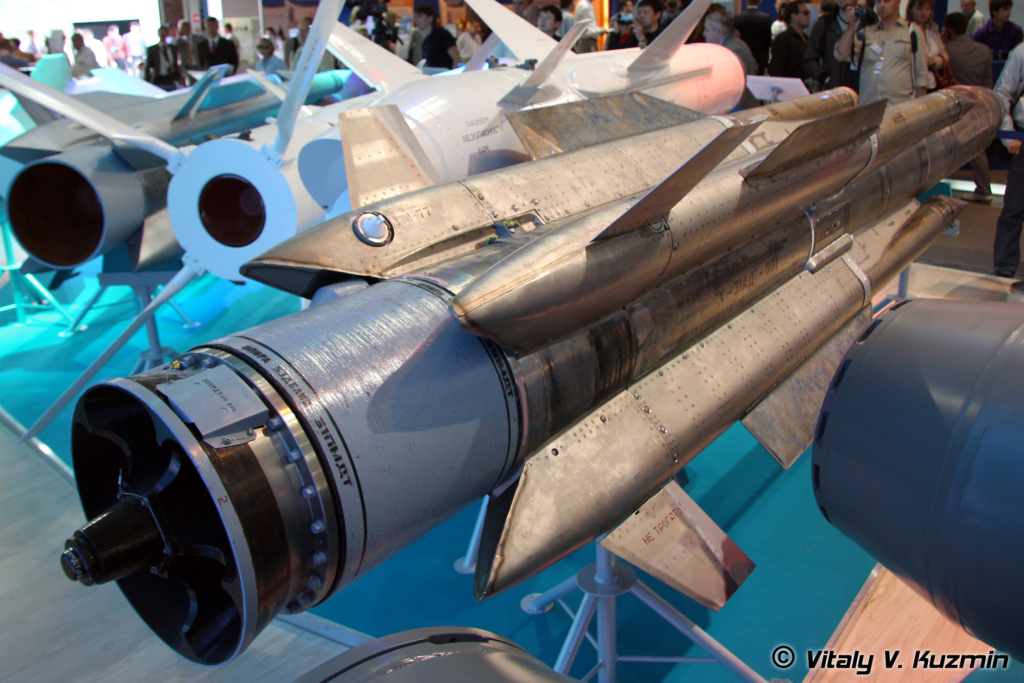
High-pressure fuel is mixed in the airstream before it is ignited for combustion. Ramjets use subsonic airflow for combustion, offering Mach 1-5 speeds. The engine intake slows the air to the subsonic region, reducing fuel efficiency as some energy is released as a shock wave. Ramjets are highly efficient above Mach 3 (4,600 mph) speeds.
A scramjet (supersonic combustion ramjet) utilizes supersonic airflow for combustion, enabling hypersonic speeds of Mach 5+. Without shock cones, the scramjet slows the airflow using shockwaves produced by the ignition source. Although the ignition process is more complex, the system can achieve much higher speeds and efficiency.
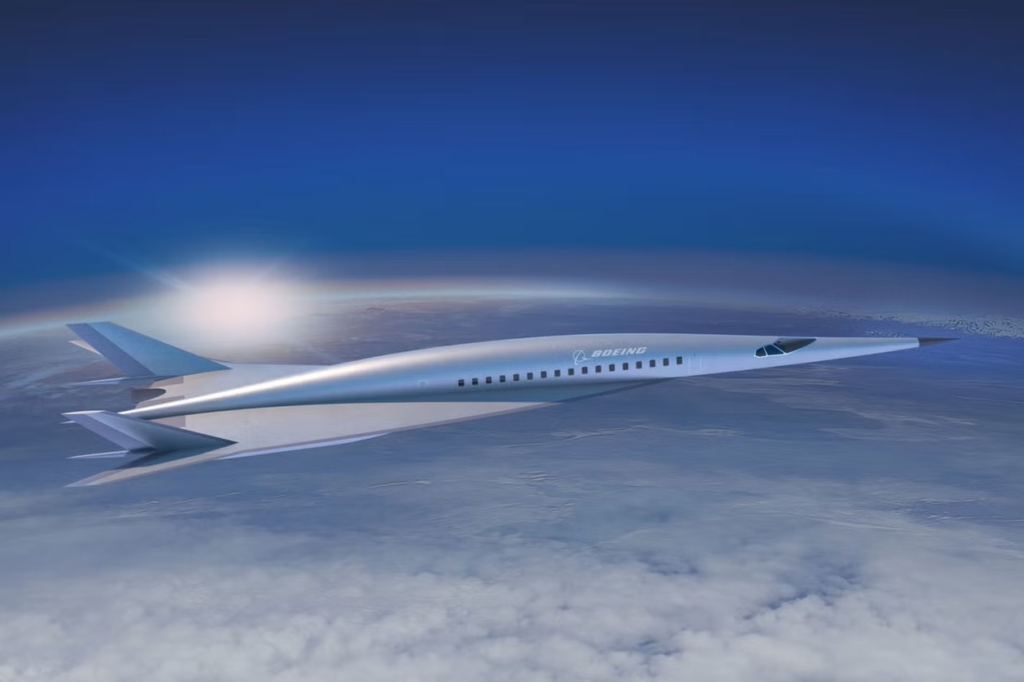
Unlike air-breathing engines, rocket propulsion systems carry fuel and oxidisers, such as liquid oxygen, to function. Rocket engines can operate in the vacuum of atmosphere and space, offering brute force for orbit.
The mixture of fuel and oxidiser is ignited in a combustion chamber, creating hot gases. The high-velocity gases are expelled through a specially shaped nozzle, accelerating the vehicle in the opposite direction at extreme speeds.
The global race to achieve hypersonic competency
China and Russia have made significant strides in hypersonic technology, building massive investments in the development and testing of systems. China is developing a hypersonic passenger aircraft, Nanqiang No. 1, capable of reducing global travel times to under two hours through Mach 6+ speeds. Moreover, the country’s sixth-generation stealth fighter is rumoured to feature hypersonic technologies.
Russia is another global leader in hypersonic technology, developing hypersonic aircraft programs, including Ayaks, as reported by WIONews. Aiming for sustained hypersonic flight, the program will see aircraft capable of strike and reconnaissance missions.
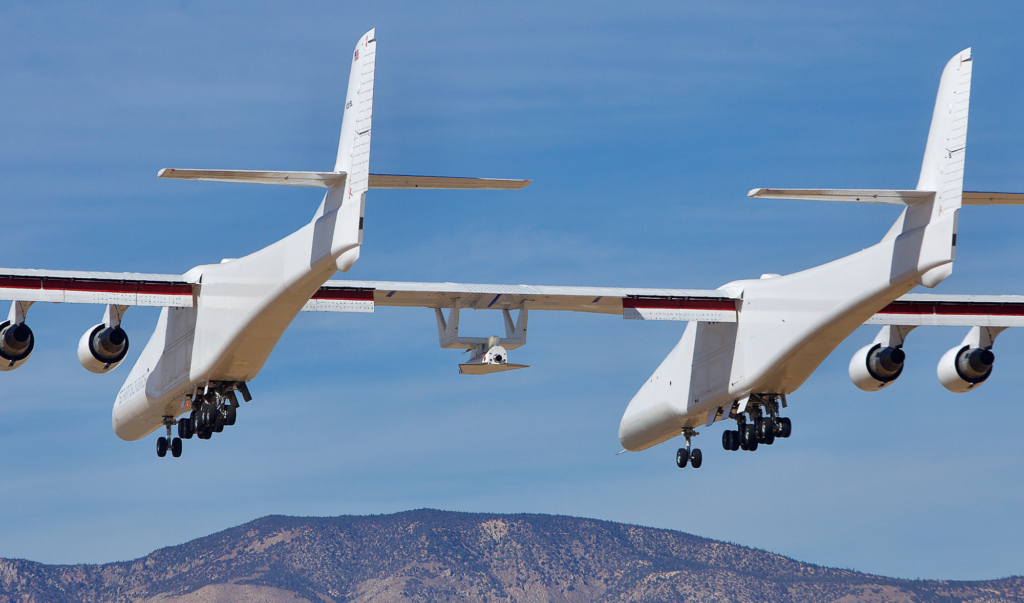
The United States continues to invest in hypersonic research and development. The US Department of Defense is demonstrating the reusability of hypersonic test vehicles. In March, the DoD’s Test Resource Management Center (TRMC) conducted a second test on the Stratolauch Talon-A hypersonic vehicle.
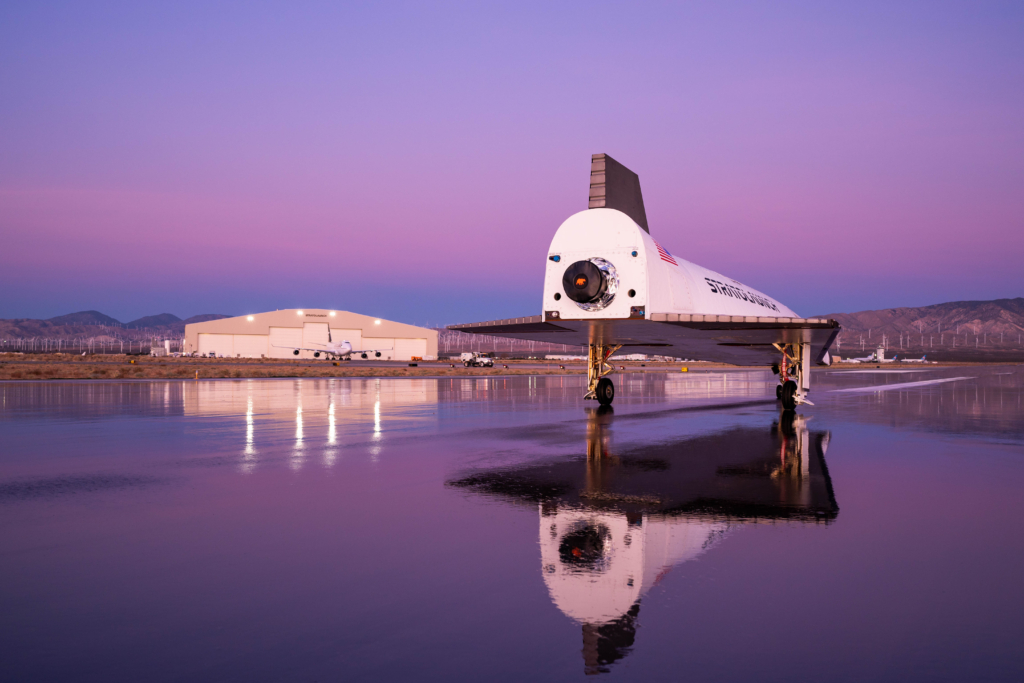
The fully recoverable unmanned test aircraft was launched from the Roc carrier aircraft and flew over the Pacific Ocean. The aircraft, part of the Multi-Service Advanced Capability Hypersonics Test Bed (MACH-TB) program, achieved speeds greater than Mach 5. The director of the TRMC, George Rumford, stated,
“Demonstrating the reuse of fully recoverable hypersonic test vehicles is an important milestone for MACH-TB. Lessons learned from this test campaign will help us reduce vehicle turnaround time from months down to weeks.”
The MACH-TB program is designed to achieve unmatched warfare capabilities through a range of hypersonic systems, including air vehicles and weapons. With advanced ramjets, scramjets, and boosters, global manufacturers are aiming for faster and more survivable hypersonic systems.
Featured Image: NASA