Can a historic RAF Nimrod fly again? UK volunteers have 4 months to find out

January 26, 2026
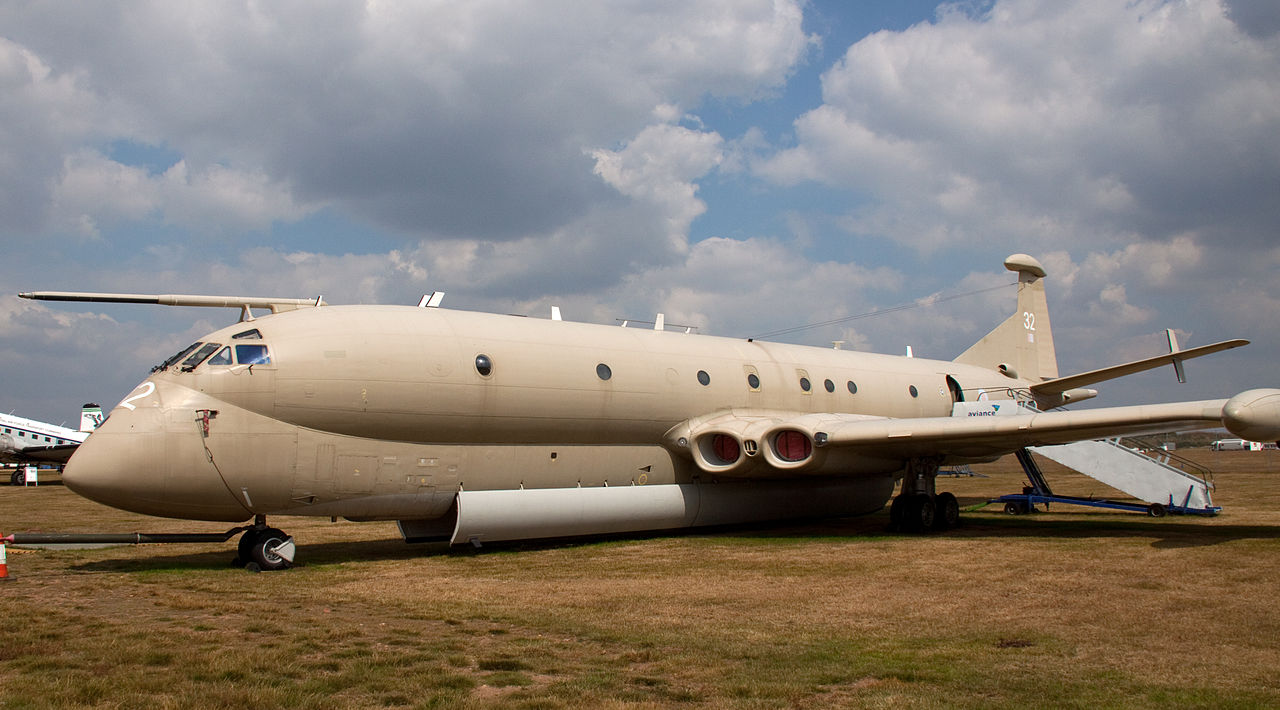
A team of supporters and volunteers working to preserve a historic former RAF Nimrod maritime patrol aircraft are racing to return it to the air, 17 years after it last flew.
However, this would not be a celebratory flight. The aircraft faces eviction from its current home at Coventry Airport (CVT) by June, as the site is set to be redeveloped.
Without a viable plan to remove it, either by air or by road, the aircraft risks being stranded and ultimately broken up and removed in pieces.
The project to save RAF Nimrod XV232
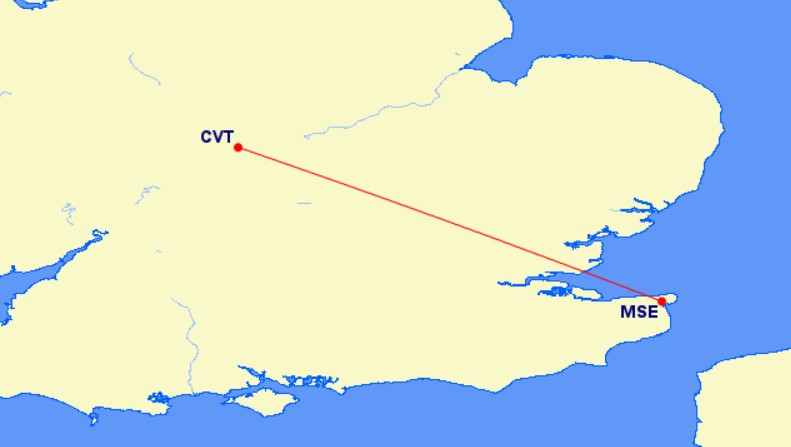
The Nimrod Preservation Group XV232 hopes that, through campaigning and technical work over the coming months, the aircraft can be made airworthy and flown to a new home at the RAF Manston History Museum at Manston Airport (MSE) in Kent, formerly Kent International Airport.
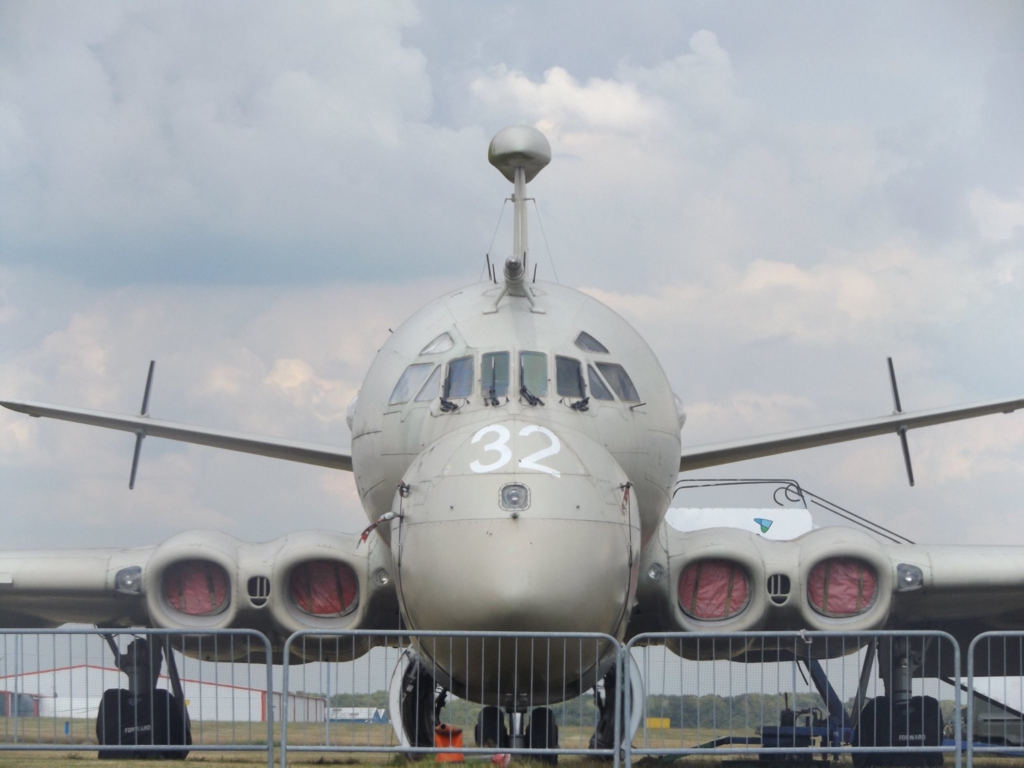
With Coventry Airport’s owners, Rigby Group, confirming in December 2025 that the site is to be sold for redevelopment as the proposed Greenpower Park battery gigafactory, the volunteers responsible for XV232 are now facing a race against time.
According to the Nimrod Preservation Group XV232 website, three options are currently being explored.
- A one-off ferry flight – a one-time flight from Coventry Airport to Manston International Airport is being explored. This option would require extensive safety, engineering, and regulatory approvals to determine whether a ferry flight is technically and legally feasible.
- Relocation by land transport – the aircraft may be dismantled and transported by road from Coventry Airport to the RAF Manston History Museum, where it would undergo restoration and be preserved for public display.
- Scrapping – if neither relocation nor a ferry flight is deemed achievable within safety, financial, or regulatory constraints, the final option under consideration
Graham Morgan, chair of the preservation group, told the BBC that the ferry flight option is being examined first. “We’re currently reviewing three possible options for the future of our historic aircraft,” he said.
The challenge of returning RAF Nimrod XV232 to flight
While XV232 has been carefully maintained by volunteers since it arrived at Coventry from RAF Kinloss in 2010, returning a 58-year-old aircraft to flight would be a formidable task.
Although regular engine runs have taken place, most recently in October 2025, the aircraft has not flown since 2008. The preservation group nonetheless describes it as being in “a good state of repair”.
In recent days, specialist equipment has arrived from Birmingham Airport (BHX) to allow the aircraft to be moved from its current grass location onto hardstanding, or potentially into a hangar. This will enable a detailed inspection and full technical assessment to determine whether a ferry flight is even possible.
However, the engineering work is only one part of the challenge. The project would require suitably qualified engineers with Nimrod experience, as well as a Civil Aviation Authority-licensed chief engineer to oversee and formally sign off on the work.
Recently went to Coventry to see the Nimord last engine run. We now wait to find out her fate. The preservation group are hoping to fly her out to Kent if not then by road. Right now she is in the hanger for assessment. pic.twitter.com/JZEi0XoJPs
— Ryan Kirkpatrick (@DeadliestT76489) January 25, 2026
Spare parts availability also remains an open question, alongside the need for fuel, oil and other consumables.
The proposed ferry flight from Coventry to Manston
If the aircraft can be made airworthy within the next four months, the Civil Aviation Authority would still need to approve a one-off ferry flight between Coventry and Manston.
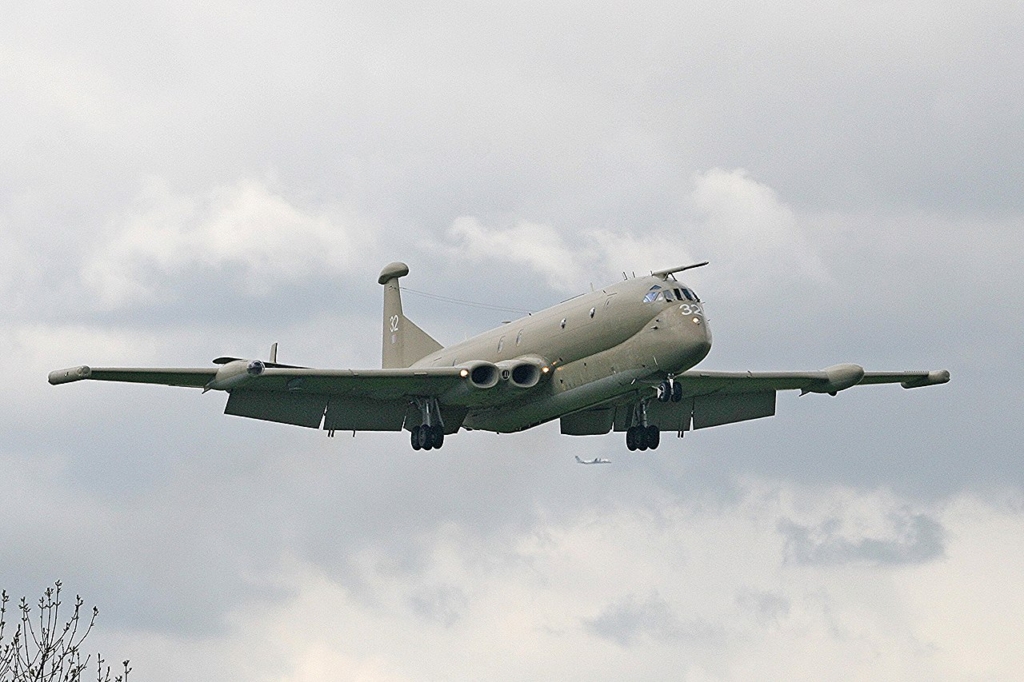
Although the distance involved is relatively short, around 180 miles (288km), the regulatory scrutiny would be no less rigorous than for a much longer flight.
Time is a critical factor. Coventry Airport’s operating licence, along with the insurance policy covering aviation operations on the site, is due to expire in June. Any approval would therefore need to be secured well before that deadline.
Even if clearance is granted, the group would still need to find a suitably qualified flight crew. At least two pilots and a flight engineer would be required, and while former RAF Nimrod pilots do exist, none would hold a current Nimrod type rating following the aircraft’s retirement in 2011.
Despite these obstacles, the Nimrod Preservation Group XV232 says it will explore every viable option to ensure the aircraft’s survival.
The RAF Nimrod and its military role
The RAF Nimrod was a British long-range maritime patrol aircraft that served the Royal Air Force from the late Cold War into the early 21st century. Developed from the de Havilland Comet, the world’s first jet airliner, it first flew in 1967 and entered service in 1969.
The Nimrod’s primary role was anti-submarine warfare, particularly tracking Soviet submarines in the North Atlantic during the Cold War. It was equipped with advanced radar systems, sonobuoys, torpedoes and depth charges, and later took on additional missions including search and rescue, surface surveillance and intelligence gathering.
Several variants were produced, most notably the MR2 maritime patrol aircraft, including XV232, and the R1 signals intelligence variant. Nimrods saw operational service during the Falklands War, the Gulf War, and later operations over Bosnia, Iraq and Afghanistan.

Despite multiple upgrades, the fleet aged poorly. In 1995, a Nimrod was lost in the Moray Firth following a double engine fire. In 2006, another aircraft was destroyed by a catastrophic mid-air fire over Afghanistan, killing all 14 crew members. Both incidents raised serious safety concerns.
The type was finally retired in 2011, ending more than four decades of service and leaving a capability gap until the arrival of the Boeing P-8 Poseidon.
XV232 itself is a veteran of the Falklands War. In 1982, it set a reconnaissance distance record that remains unbeaten, flying 8,453 miles (13,609km) in 18 hours and 50 minutes while monitoring Argentine naval activity in the South Atlantic, supported by in-flight refuelling.
Featured image: Tony Hisgett / Wikimedia Commons