UK Eurofighter Typhoons and US F-15Es deploy amid heightened tensions with Iran

January 23, 2026
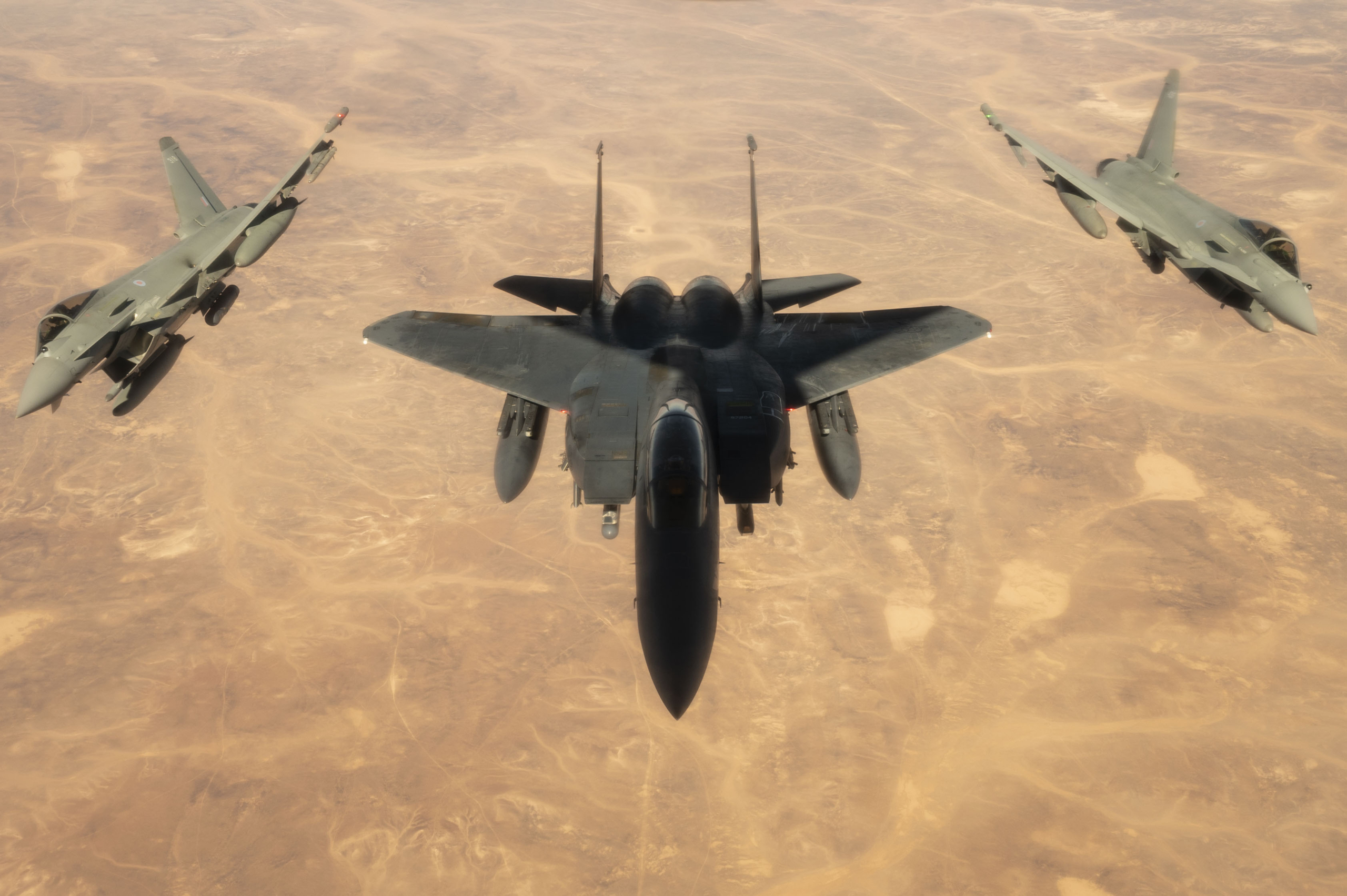
UK and US combat aircraft have begun deploying to the Middle East as a US carrier strike group approaches the region, underscoring a widening allied military buildup against the backdrop of rising tensions with Iran.
Royal Air Force Eurofighter Typhoon jets from the UK–Qatar joint No. 12 Squadron have deployed to the Gulf, while US Air Force F-15E Strike Eagle aircraft have flown east from the UK to Jordan. Their arrival coincides with the redeployment of the US Navy’s USS Abraham Lincoln Carrier Strike Group from the Pacific towards the Middle East.
The near-simultaneous movements point to a coordinated reinforcement of allied air and naval power across the region, even as officials stop short of confirming any imminent military action.
RAF Eurofighter Typhoons deploy to Qatar for regional defence
The UK Ministry of Defence confirmed on 22 January that 12 Squadron, the joint RAF–Qatar Typhoon unit, had deployed to the Gulf in a defensive capacity under the UK–Qatar Defence Assurance Agreement.
According to the MoD, the deployment reflects “regional tensions” and builds on longstanding cooperation between the two countries, including shared flying training on Hawk and Typhoon aircraft in the UK. The squadron has previously deployed to Qatar for joint training and exercises such as EPIC SKIES and SOARING FALCON, aimed at strengthening interoperability and regional security.
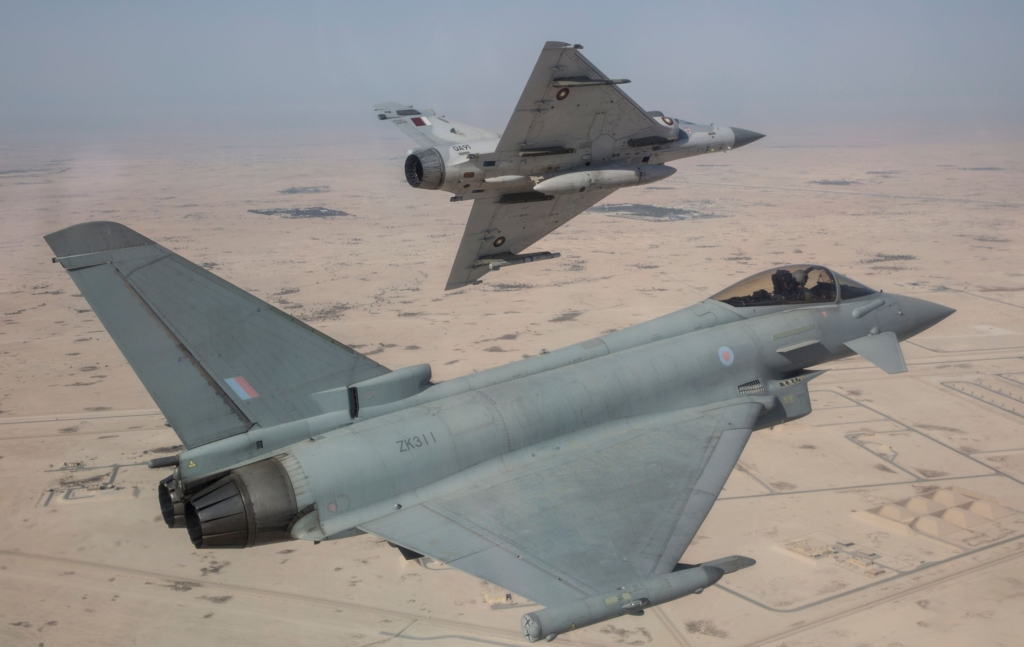
“Qatar and the UK are close partners with historic defence ties going back decades. This partnership bolsters the national security of both our nations and supports stability in the Gulf region,” says Defence Secretary John Healey MP. “Today’s deployment builds on those shared aims as Typhoon jets from our joint squadron deploy to support its defence.”
The deployment also comes alongside the UK government’s recently announced £500m investment to upgrade the RAF’s Typhoon fleet, reinforcing the aircraft’s role as a core element of the UK’s combat air capability.
US F-15E Strike Eagles deploy to Jordan
In parallel, a dozen US Air Force F-15E Strike Eagles, backed by spare aircraft and tanker support, departed RAF Lakenheath in mid-January, with their arrival in the Middle East confirmed by US Central Command imagery.
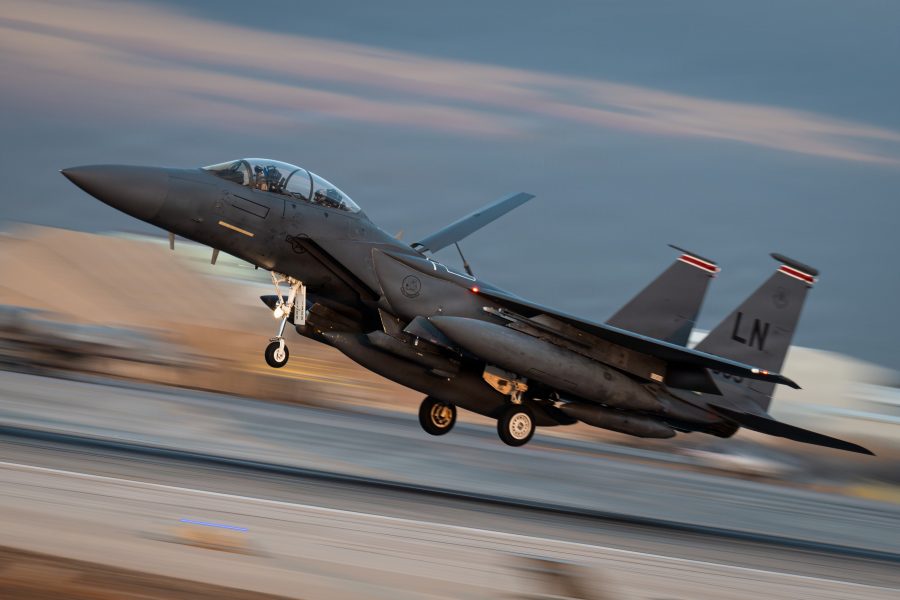
Open-source analysis and supporting airlift activity strongly indicate that the aircraft were deployed to Muwaffaq Salti Air Base, a long-standing hub for US combat operations. The base is known to host a mix of US tactical aircraft and ISR assets and is currently assessed to include a detachment of A-10C Thunderbolt II aircraft.
While F-15Es have maintained a steady presence in Jordan for years, the scale and timing of the latest movements, alongside increased tanker and C-17 strategic airlift activity, point to a broader reinforcement rather than a routine rotation.
US carrier strike group moves toward the Middle East
Adding weight to the air deployments, the USS Abraham Lincoln Carrier Strike Group has been ordered to redeploy west from the South China Sea and is now moving towards the Indian Ocean and Arabian Sea.
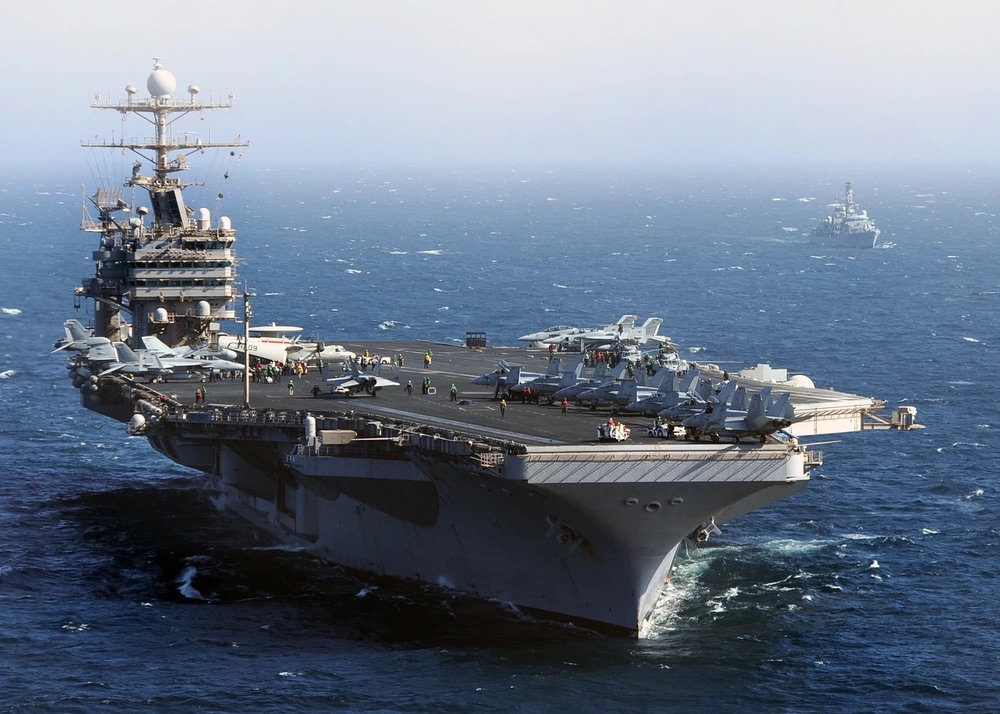
The carrier brings with it a full embarked air wing, including F-35C Lightning II, F/A-18E/F Super Hornets, EA-18G Growlers and E-2D Hawkeyes, significantly expanding US strike, electronic warfare and air defence options in the region. Its escorting cruisers and destroyers add substantial missile defence and strike capacity.
So far, there has been no clear evidence of a major US bomber deployment to Diego Garcia, suggesting the current posture is focused on flexibility and deterrence rather than signalling imminent offensive action.
What Trump has said about Iran and the risk of escalation
Speaking aboard Air Force One this week, President Donald Trump said the United States was “watching Iran very closely” as a “big force” moved into the region, describing a “massive fleet” heading towards the Gulf.
While Trump said he would “rather not see anything happen”, his comments explicitly linked the redeployment of US naval and air assets to Iran, underlining Washington’s intent to maintain military pressure while keeping its options open.
For now, the movements appear designed to create options, bolster regional defences and deter escalation. Whether the buildup stabilises or expands further is likely to depend on developments inside Iran and the calculations made in Washington and allied capitals in the days ahead.
Featured image: RAF