Russian airline introduces a humanoid robot cabin crew on flights

November 17, 2025
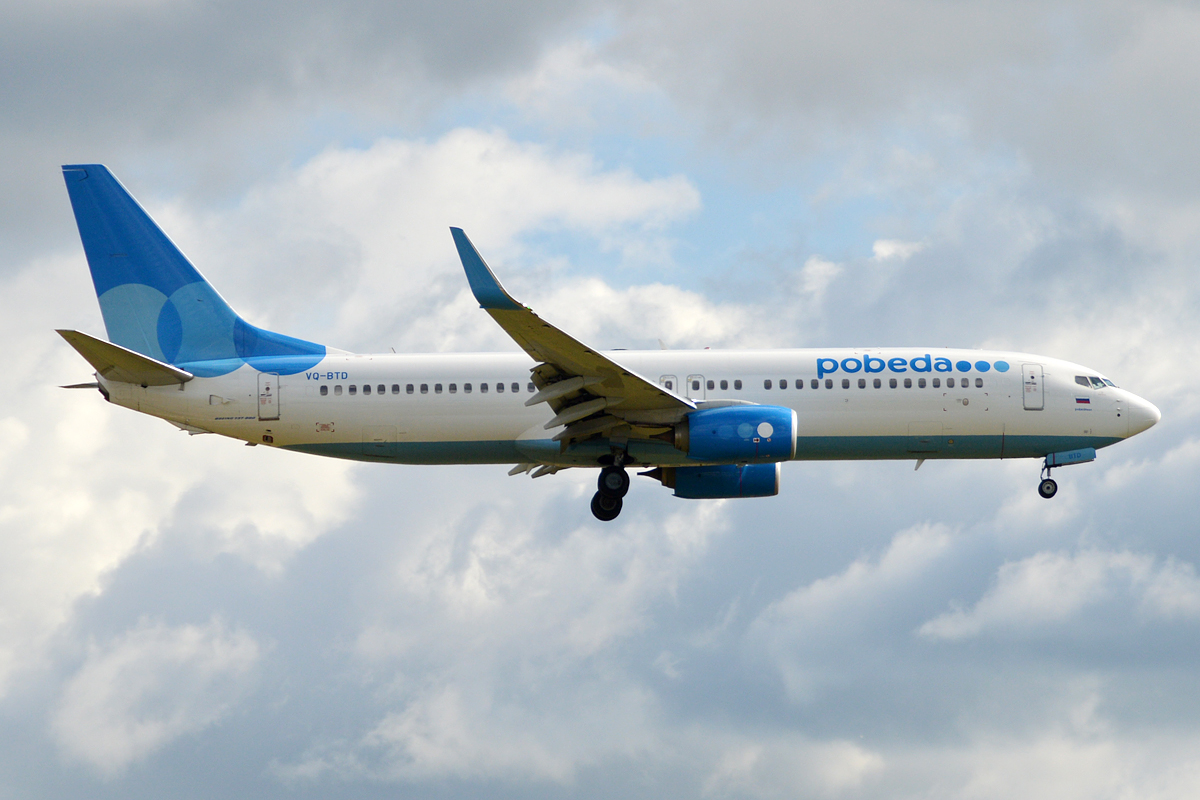
Russia’s Pobeda Airlines has conducted one of the industry’s first live tests of a humanoid robot serving as an onboard cabin crew assistant. The low-cost carrier flew the humanoid robot — named Volodya — on a recent Ulyanovsk–Moscow flight, where it delivered the pre-flight safety briefing and interacted with passengers.
A curious application of robotics in the air
While the sight of a humanoid robot in a uniform (in this case, an airline t-shirt) may spark speculation about cabin crew losing their jobs, there is no suggestion that Pobeda intends to reduce the number of human crew. Volodya accompanied flight attendants in giving pre-flight emergency instructions, but mainly demonstrated that it is not quite ready to replace the crew.
Human flight attendants were responsible for all safety-critical and service tasks during the flight, including securing the cabin, managing passenger questions, and providing food and beverage sales. Volodya performed scripted movements during announcements, greeted passengers, and did a fine job as a promotional showcase for robotics in aviation.
For Pobeda, a low-cost operator wholly owned by Russia’s flagship carrier, Aeroflot, the robot trial showed it is also a technology-forward carrier.
Qatar Airways’ world-first AI flight attendant
Volodya is not the first automated flight attendant that airlines have recently introduced. This January, Qatar Airways announced the launch of Sama, the world’s first AI-powered digital human cabin crew.
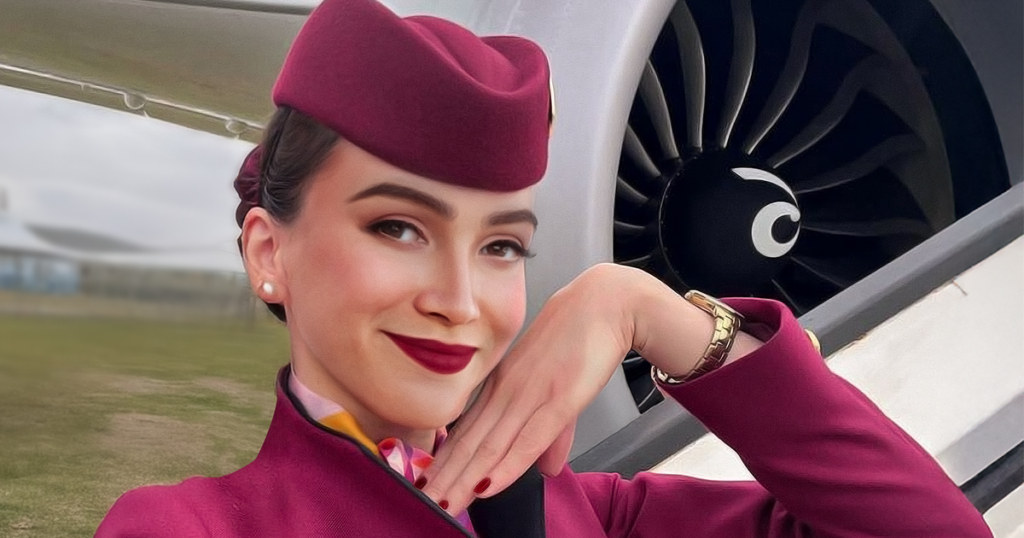
Sama doesn’t actually fly on aircraft. Instead, she works for the airline as a destination inspiration virtual influencer through her Instagram account @SamaOnTheMove and has so far amassed 300,000 followers. Her account shares eerily realistic AI-generated images of her ‘flight attendant lifestyle’, sharing travel tips, promotions and stories from her ‘layovers.’
Steep technical and regulatory challenges for automated flight attendants
Airline regulations require a minimum number of human crew members based on the aircraft’s certified seat count, and airlines cannot relegate emergency-response responsibilities to machines.
However, Pobeda’s demonstration aligns with other aviation industry experiments in automation. Airlines and airports have already integrated robotics into ground operations — including security support, customer service kiosks, and autonomous cleaning — though deployments inside the passenger cabin are rare.

Integrating humanoid robots into aircraft cabins presents considerable hurdles. Movement along narrow aisles is constrained, turbulence could render autonomous motion unsafe, and aviation authorities must first define certification pathways for robotic devices interacting with passengers.
Emergency scenarios would pose an even larger barrier. Flight attendants manage evacuations, respond to onboard medical situations and de-escalate disruptive behaviour — tasks far beyond current robotics capabilities.
But automated service could be a starting point, with “smart” galley carts, automated trash-compaction systems and AI-enhanced cabin monitoring.
For now, humanoid robots, while eye-catching, remain experimental and primarily promotional.
While Volodya had one fun flight, it’s unclear whether Pobeda will bring the robot onboard again. Still, Pobeda is “victory” in Russian and Volodya represents a small victory for aviation’s adoption of robotics, making robots on aircraft less ‘uncanny valley’ and more approachable. As the industry adopts more digital systems, the possibilities are certainly open for machines to do more onboard.
Love innovation and technology? Discover more of our stories here.
Featured Image: Anna Zvereva | Wikimedia Commons