What is the oldest air force in the world? The answer isn’t simple

February 15, 2026
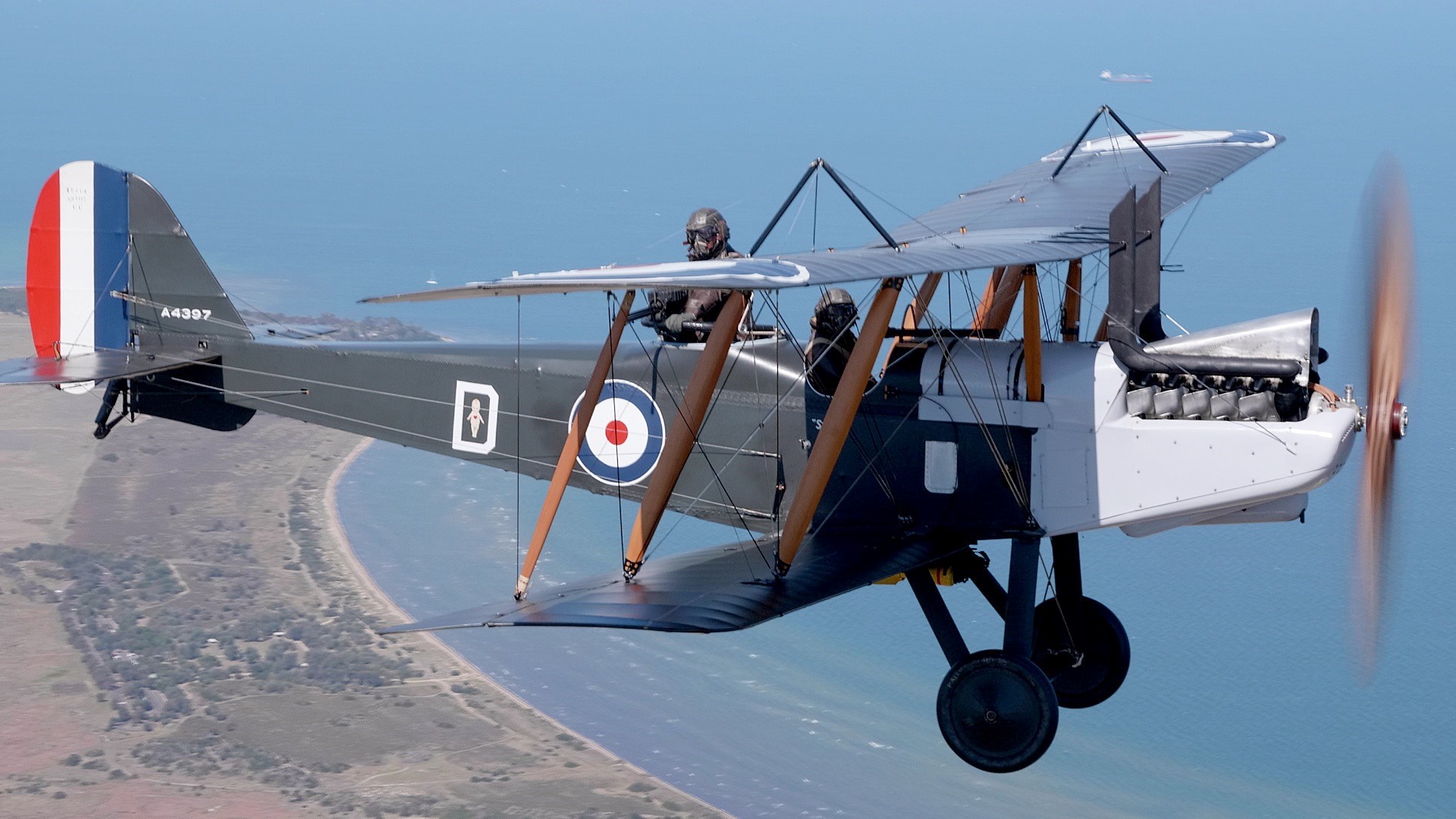
The oldest air forces are the French, British (and select colonies), American, Italian, Japanese, and German air forces, but it really depends on definitions.
France was the first to experiment with military aviation, Italy was the first to use aeroplanes in combat, and the RAF was the first full-sized independent air force.
Air forces predated being formally established
What are the oldest air forces in the world? That is a surprisingly difficult question to answer. If it refers to being established as an independent service branch, then Great Britain’s Royal Air Force is often cited as the oldest, having been established on the 1st of April, 1918.
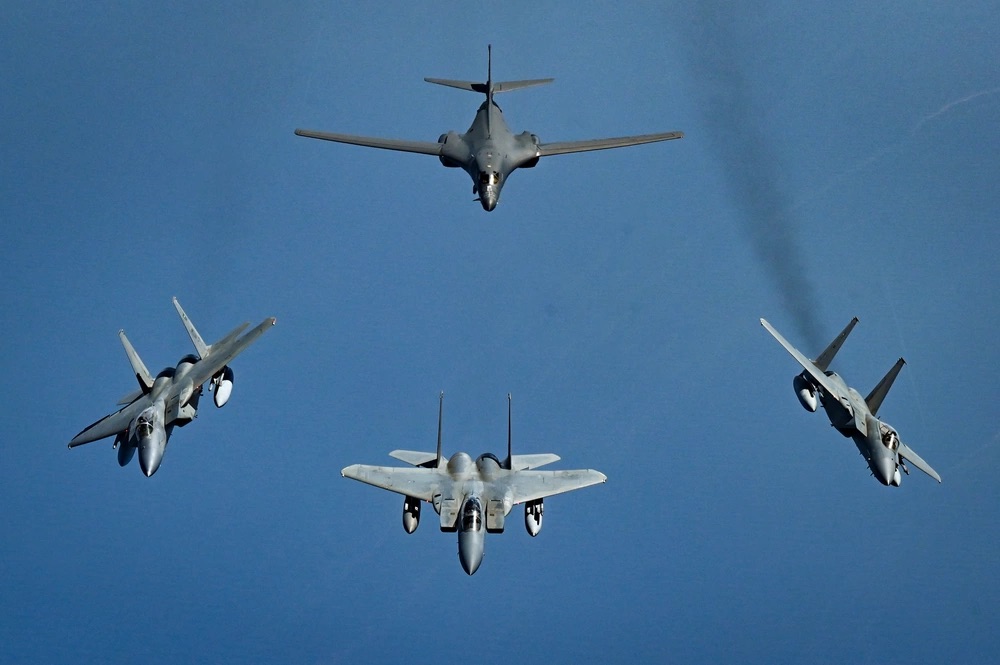
But aerial units existed before 1918. Additionally, the US Air Force was not formally established until 1947, having been the US Army Air Forces during WWII.
Even more absurd, by the definition of being an independent service branch in the Western sense, China still doesn’t have an air force or navy.
Favorite historical balloon facts from a random dissertation research tangent:
— Elena Wicker (@ElenaWicker) February 5, 2023
During the Civil War, the Union Army Ballon Corps put huge portraits of generals on their balloons to intimidate the Confederates and make them feel watched. #psyops pic.twitter.com/DBx7rJescD
China has the People’s Liberation Army (PLA), which has the People’s Liberation Army Air Force (PLAAF) and the People’s Liberation Army Navy (PLAN). The PLAN, in turn, has the People’s Liberation Army Navy Air Force (PLANAF).
The French have the oldest claim
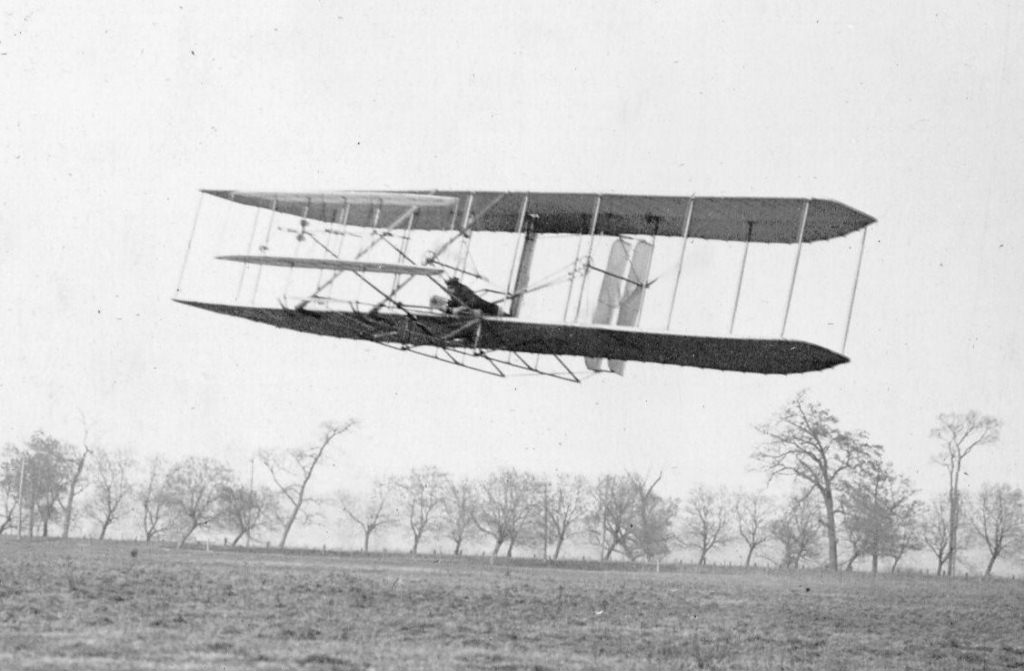
In 1903, the Wright brothers achieved the first manned, heavier-than-air, powered, and controlled aircraft. It was not the first human flight, the first glider, or the first powered flight.
Human glider flights had been recorded happening since 1853 (George Cayley). The first powered flight took place in 1852 by the Giffard dirigible over Paris.
The first army in the world to use flying machines was the French army, with a first branch in 1794, with the "Compagnie d'Aérostiers" using balloons, and then, between 1909 and 1912, the French army formed its first squadron of aircraft. pic.twitter.com/Hlx7yHizYC
— Marlène Aviation (@AviationMarlene) March 3, 2025
The first recorded untethered human balloon flight was by the Frenchmen Jean-François Pilâtre de Rozier and François Laurent on November 21, 1783. They had conducted tethered flights earlier.
So aviation, in the form of balloons, was already of cursory military interest by the Napoleonic wars.
Earliest Claims To Military Aviation:
- France: 1794 French Aerostatic Corps (compagnie d’aérostiers)
- United States (North): 1861 Union Army Balloon Corps
- United States (South): 1860 Confederate Army counter to the Union Army
- United Kingdom: Around 1876, Balloon Equipment Store (Royal Engineers)
- Germany (Prussia): 1884 Balloon Detachment (used in 1870 siege of Paris)
Arguably, the first proto-air force was the French Aerostatic Corps (compagnie d’aérostiers), formed in 1794 using balloons for reconnaissance. The unit remained active from 1794 to 1799 and even saw action against the British during the Battle of the Nile in Egypt.
Today, we remember the 16th president, Abraham Lincoln, born #OTD in 1809. After seeing Thaddeus Lowe demo the power of aerial reconnaissance collected from a hot air balloon in July 1861, Lincoln established the Union Army Balloon Corps. #NGAinHistory pic.twitter.com/AMPmzh2jrw
— NGA (@NGA_GEOINT) February 13, 2020
During the American Civil War, the Union Army established the Union Army Balloon Corps using tethered balloons for artillery spotting; the Confederate Army responded in kind, developing its own balloon units.
Both the British and Germans (Prussians) operated balloon units during the 19th century.
Get the latest aerospace defence news here on AGN.
Early modern air forces
After heavier-than-air powered flights were developed, they soon caught the notice of armies and navies. While the use of airplanes in war exploded in World War I, there was a pre-war prelude.

In fact, the Wright brothers built and sold aircraft for the US Army. The first aeroplane purchased by the US Army was the 1909 Wright Military Flyer, purchased by the Army’s Signal Corps. It was designated the “Signal Corps Airplane No. 1”.
First Heavier-Than-Air Aeroplanes Purchased:
- 1907: British Army Aeroplane No. 1 (first flight 1908)
- 1909: US Army Signal Corps Airplane No. 1
- 1909: French War Minister Wright Biplane
- 1910: German Army (type unclear)
- 1910: Italian Army (type unclear)
- 1910: Japan (purchased by Captain Yoshitoshi Tokugawa during training in France, shipped to Japan)
The Signal Corps Airplane No. 1 was a two-seat biplane designed by Wilbur and Orville Wright and was able to reach speeds of over 40 mph. It cost $30,000.
The US Navy purchased its first naval aircraft in 1911. Most notably, Italy, during the Italo-Turkish War (1911-12), is credited as being the first to use aeroplanes in bombing.
In November 1911, Italian Army Lieutenant Giulio Gavotti dropped Cipelli grenades from his Etrich Taube monoplane as he flew over Turkish positions in Libya.
First independent air forces established
Similar to how both Ukraine and Russia have established their Unmanned Systems Forces (drone forces) during the Ukrainian war, the first true air forces were established during World War I.
Ironically, it was the US that had invented the modern aeroplane in 1903, but by its entry into the war in 1917, it was far behind the British, French, and Germans. American servicemen were forced to heavily rely on more capable French aircraft.
This was partly due to the relentless lawsuits brought by the Wright brothers after they patented the aeroplane. They sued other US companies building aeroplanes, and this stymied US aviation innovation until the issue was hurriedly settled in WWI.
Oldest Air Forces By Establishment:
- Finnish Air Force: 6th March 1918 (disputed)
- Royal Air Force: 1 April 1918
- Soviet Air Forces (VVS): 24th May, 1818 (disputed)
- South African Air Force (SAAF): 1920
- Royal Australian Air Force (RAAF): 31 March, 1921
- Italian Air Force (Regia Aeronautica): 28 March 1923
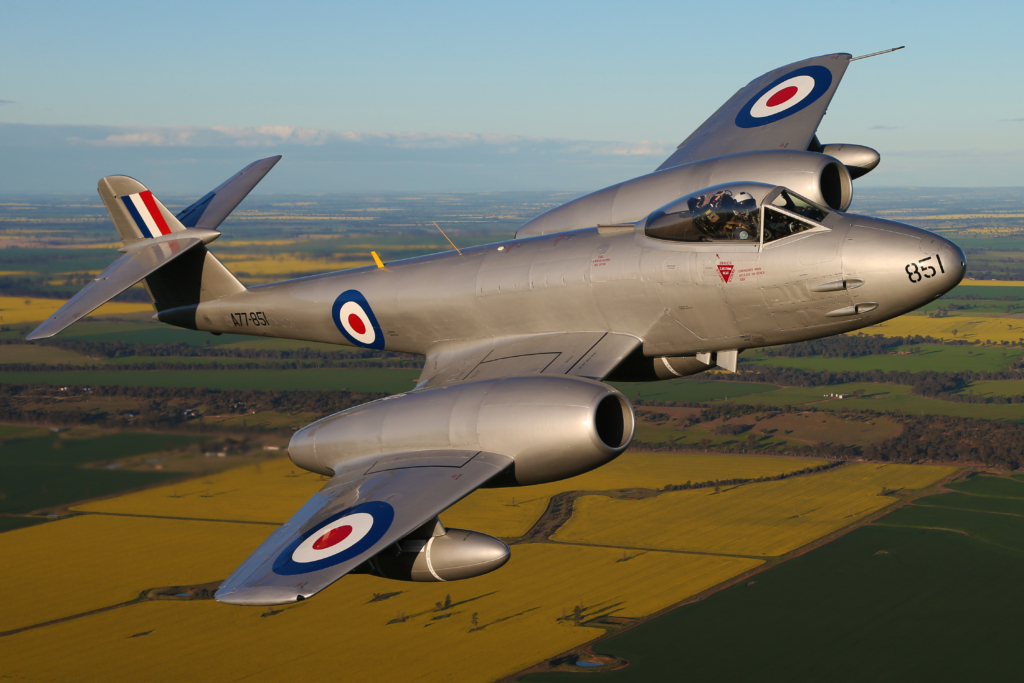
The first independent air force service branch is typically credited to the Royal Air Force in April 1918. It is widely recognised as the first fully independent air force in the modern sense and was formed by merging the British Army’s Royal Flying Corps and the Royal Navy’s Royal Naval Air Service.
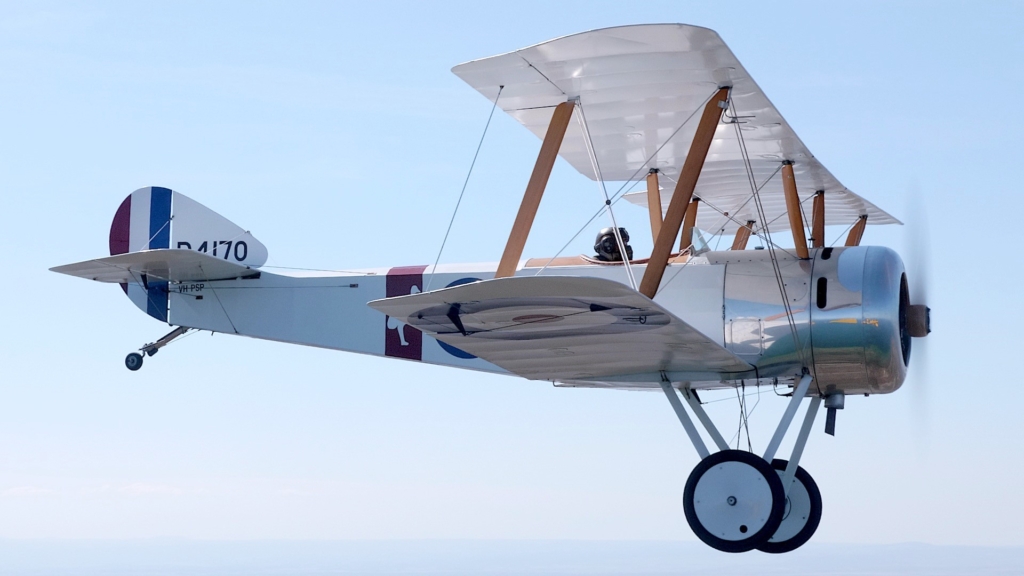
The Russian Empire collapsed in 1917, with Finland declaring independence on 6th December 1917.
On 6th March, 1918, the fledgling nation announced the creation of the Finnish Air Force with a single aeroplane. Initially, Finland used seized Russian aircraft and relied on foreign pilots.
The establishment of the Soviet Air Forces in 1918 is also debatable, as it was a revolutionary period with militaries in a state of flux, without the clean divisions seen in established militaries.
While the French are unique in having a claim that their air force traces back to the 1700s, the independent French Air Force (Armée de l’Air) was not fully established until 1934.
Onto space forces & unmanned forces
In recent years, more aerospace service branches have emerged. Most famously, the US Space Force was split off from the US Air Force in 2019 as an independent service branch.
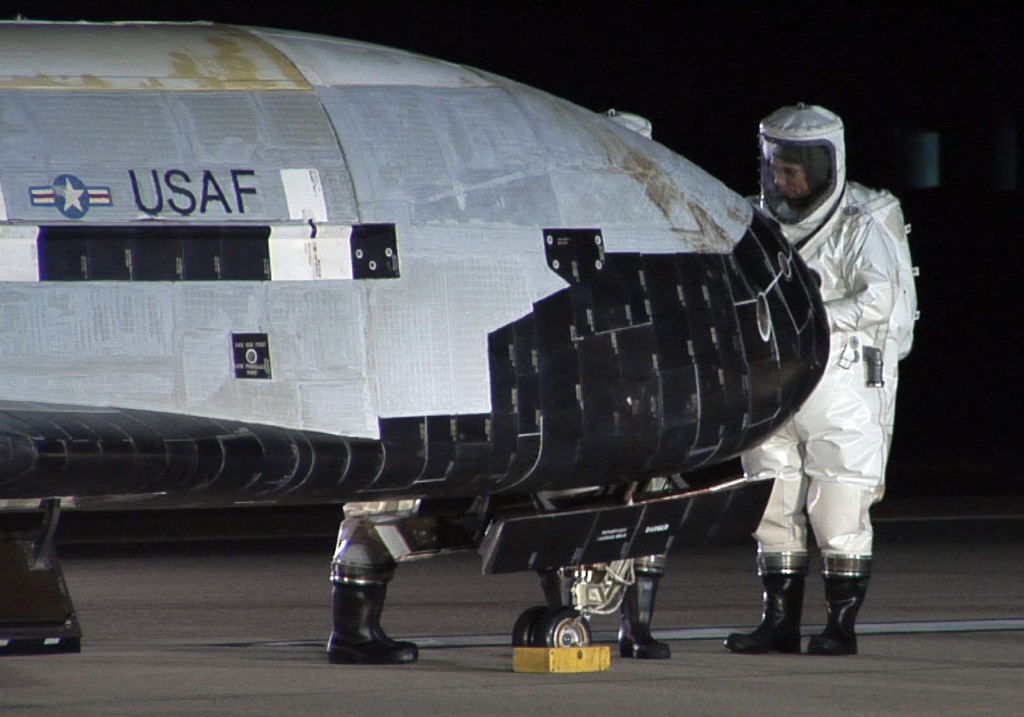
But this hasn’t been a one-way street; Russia had a standalone Space Forces branch from 2001 to 2011, and was merged into the Russian Aerospace Forces. Russia is also notable for having the Strategic Rocket Forces as an independent branch since 1959.
China does have a space force branch, but as stated, this is all structurally part of the People’s Liberation Army.
France and Spain renamed their air forces as the French Air and Space Force and the Spanish Air and Space Force in 2020 and 2022, respectively.

The Netherlands was the most recent to rename its air force to the Royal Netherlands Air and Space Force in 2025. Columbia and Iran also have “aerospace” forces.
Ukraine was the first country to establish an Unmanned Systems Forces in 2024, and it was followed by Russia in 2025.
Featured Image: RAAF