Norse Atlantic slowly fades as IndiGo takes 75% of its Boeing 787 Dreamliners for London Heathrow expansion

August 6, 2025

India’s largest airline, IndiGo, is poised to launch daily nonstop flights to London Heathrow this October using Boeing 787‑9 aircraft wet-leased from Norse Atlantic Airways.
The airline has not clarified which Indian city it will fly from to Heathrow. IndiGo is expected to confirm the final schedule and open bookings in the coming weeks.
While this move marks a major milestone for IndiGo’s ambitious international expansion, it also underscores a quieter but significant shift in the aviation landscape: Norse Atlantic Airways is steadily retreating from its transatlantic ambitions, leasing out 75% of its fleet and shrinking its own network.
Norse Atlantic goes from transatlantic disruptor to aircraft supplier
Once positioned as a bold disruptor of transatlantic air travel, Norse Atlantic has been steadily scaling back its US routes.
For summer and winter 2025 schedules, the airline has cut several key services, including London Gatwick to Las Vegas, Oslo to Miami, and Berlin to Miami.
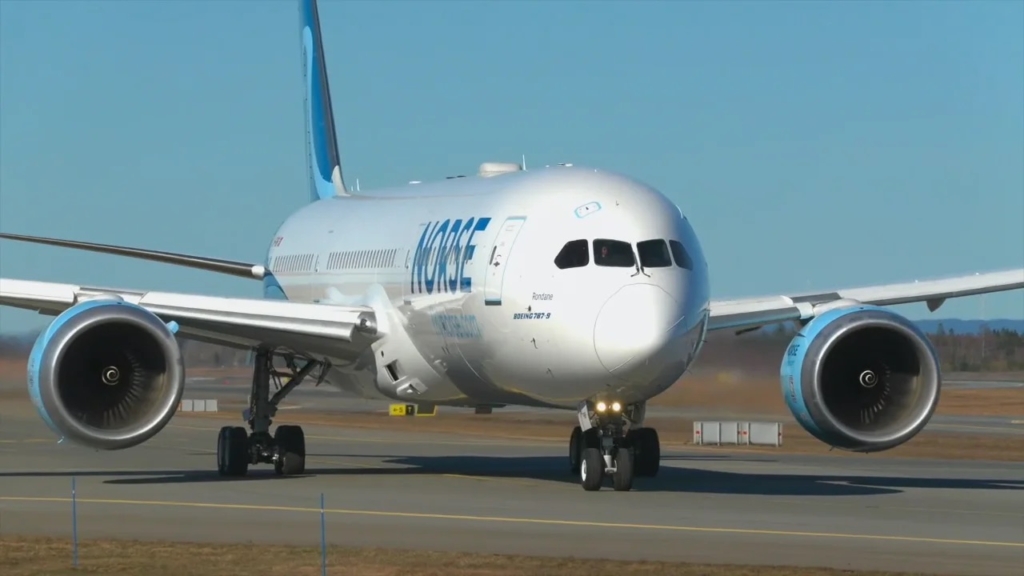
These cuts come on top of earlier suspensions, such as Berlin to New York JFK and Paris to Los Angeles. By winter 2025, Norse will operate only five direct routes to the US, a sharp decline from a peak of 14 in 2023.
Despite reported load factors exceeding 90% in some months, Norse faces ongoing challenges from falling yields and seasonal demand volatility, pressures that have eroded the low-cost long-haul business model it once championed.
What began as a way to keep idle aircraft productive has evolved into a critical part of Norse Atlantic’s business model. Currently, four of its 12 Dreamliners are on lease to IndiGo. By the end of 2025, this will rise to nine, 75% of the entire Norse fleet.
Beyond IndiGo, Norse has leased aircraft to other airlines, including Air Europa and is increasingly focusing on ACMI (Aircraft, Crew, Maintenance, and Insurance) and charter markets, a pivot from its original scheduled carrier ambitions.
IndiGo’s London Heathrow launch supported by 5 more 787s from Norse
For IndiGo, acquiring these aircraft is a stepping stone to establishing Delhi as its primary long-haul hub, a shift from earlier plans that favoured Mumbai. Delhi’s larger capacity and growing infrastructure make it ideal for IndiGo’s international ambitions, despite challenges like longer flight routes due to airspace restrictions.
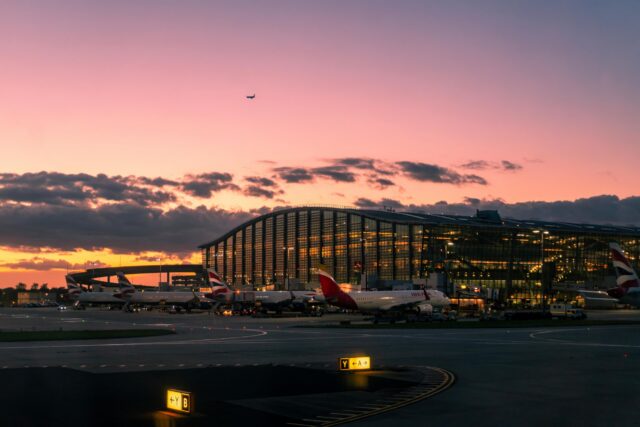
IndiGo’s London Heathrow entry, which the airline says will offer daily flights, will begin on 26 October. The airline has said it will receive an additional five Boeing 787s under a damp-lease arrangement with Norse before the end of this year, facilitating the new flights and bolstering the rest of its international network.

Pieter Elbers, CEO at IndiGo, said the airline decided to lease aircraft from Norse Atlantic as part of a broader strategy to significantly expand its international network. “Our vision is to transform into a global player by 2030 while having strong roots and continuous expansion in India, and we are strategically moving ahead in that direction.“
IndiGo’s first Norse-operated 787 was launched on the Bangkok–Delhi route in March 2025.
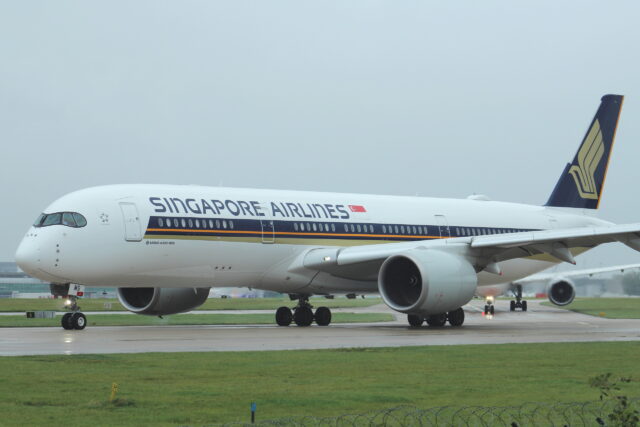
IndiGo aims for international flights to make up 40% of its capacity by fiscal year 2030 and has ordered Airbus A350s for long-term growth.
London will be the 3rd European destination for the airline after Amsterdam and Manchester. It recently began direct flights from Mumbai to Manchester and Amsterdam. IndiGo also signed a memorandum of understanding with Delta Air Lines, Air France-KLM, and Virgin Atlantic to enhance connectivity between India, Europe, and North America.
Looking ahead, IndiGo plans to launch services to Copenhagen, Athens, Siem Reap (Cambodia) and four additional Central Asian destinations by the end of FY26, further expanding its global footprint.
Norse Atlantic’s strategic pivot away from low-cost long-haul
The irony is clear: as Norse Atlantic retreats from prized long-haul markets, its aircraft are now helping India’s largest airline, by passengers carried and fleet size, expand into exactly the destinations Norse once targeted.
Norse insists its strategy is evolving rather than collapsing. The airline is diversifying into charters and ACMI services, and developing new Asia-focused routes, including a planned UK–Bangkok service.
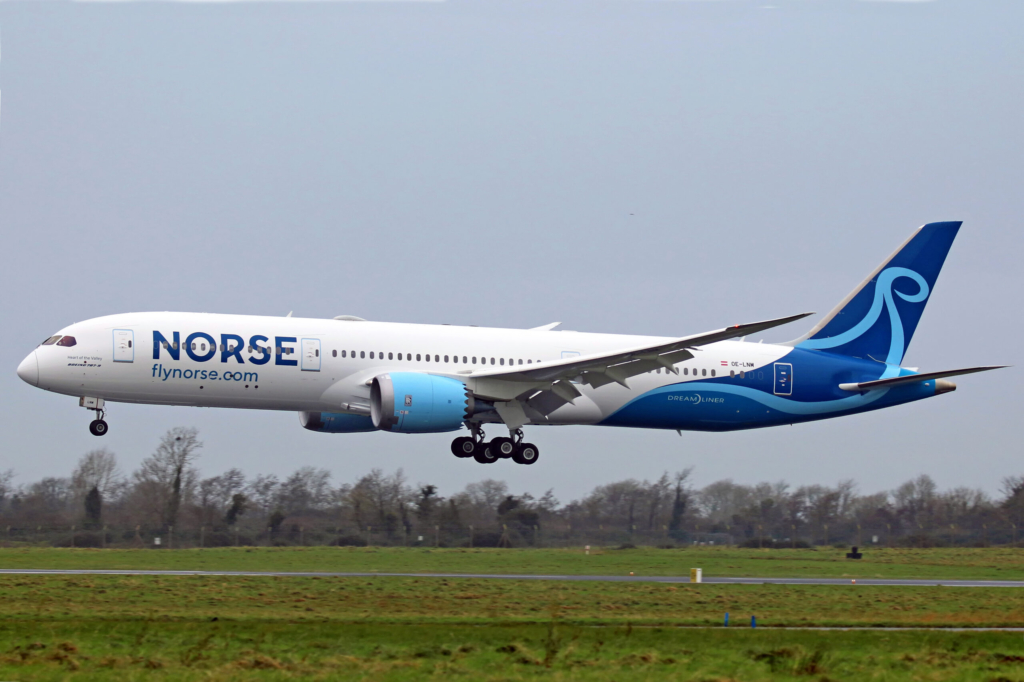
“Transporting cargo is an important element of the Norse revenue mix. Norse also offers aircraft maintenance services to other airlines at Oslo Gardermoen,” the airline said.
However, as it cedes market presence in the US and shifts capacity to Asia, industry watchers increasingly see Norse as an aircraft lessor with a brand, rather than a traditional scheduled airline.
With volatile fuel prices, softening seasonal demand, and intense competition from legacy and low-cost rivals alike, Norse Atlantic’s future as a scheduled carrier remains uncertain, even as its Dreamliners find new life with expanding airlines like IndiGo.