Artemis II completes historic lunar flyby and captures rare views of Moon’s far side

April 8, 2026
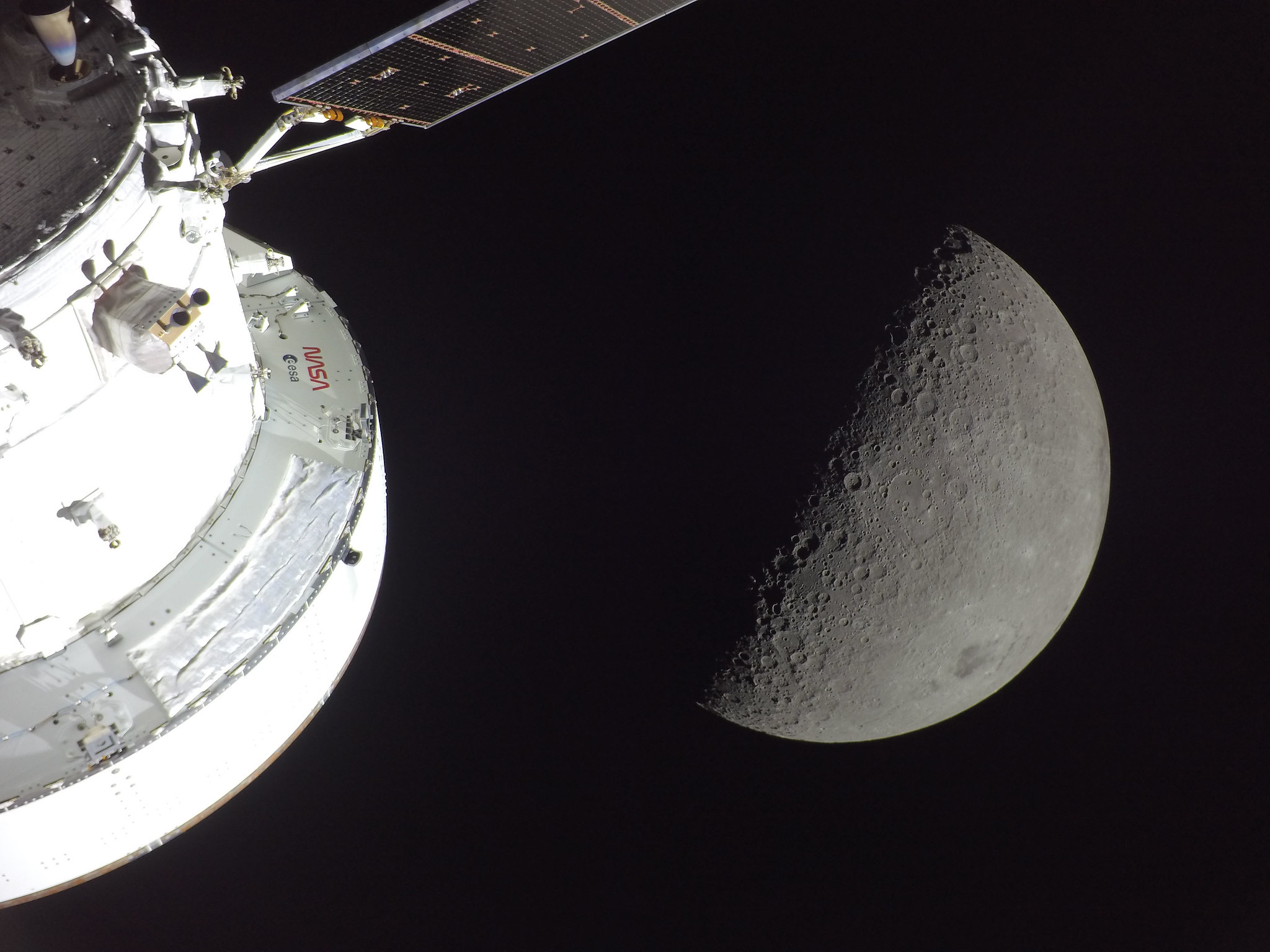
NASA’s Artemis II crew has completed a sweeping pass around the Moon, marking the most critical phase of the mission so far and the first human journey to the lunar far side since the Apollo era.
The flyby, which unfolded over several hours, combined precise navigation, live scientific observation and a series of striking visual moments, culminating in a new record for the farthest distance ever travelled by humans in space.
Artemis II sets distance record during historic return to the Moon
As Orion approached the Moon, the four astronauts-Reid Wiseman, Victor Glover, Christina Koch and Canada’s Jeremy Hansen-surpassed the long-standing Apollo 13 record for distance from Earth.
By the time the spacecraft reached its peak, it had travelled 252,756 miles from Earth, placing the crew farther away than any humans before them. Reflecting on the milestone, Hansen noted the moment was as much about continuity as it was about achievement.
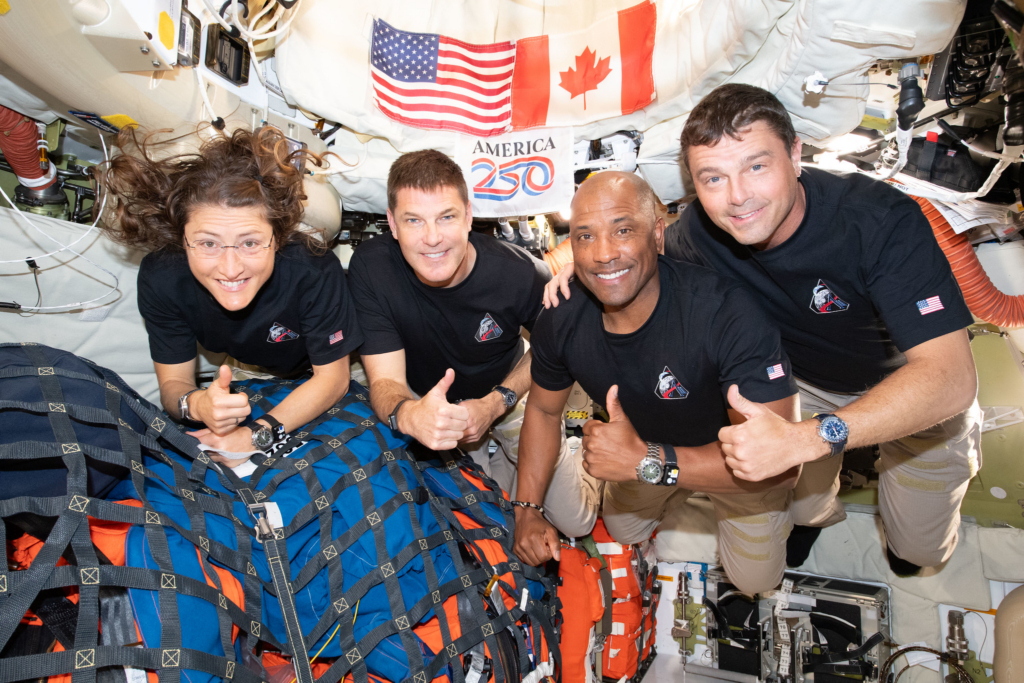
“As we surpass the furthest distance humans have ever travelled from planet Earth, we do so in honouring the extraordinary efforts and feats of our predecessors,” he said.
The record was set just after Orion passed its closest point to the Moon, at roughly 4,000 miles above the surface.
Artemis II crew observes Moon’s far side in seven-hour flyby window
The flyby itself was designed to maximise scientific return.
For around seven hours, Orion was oriented so that its windows faced the Moon, allowing the crew to observe and document the surface as they crossed from the near side to the far side.
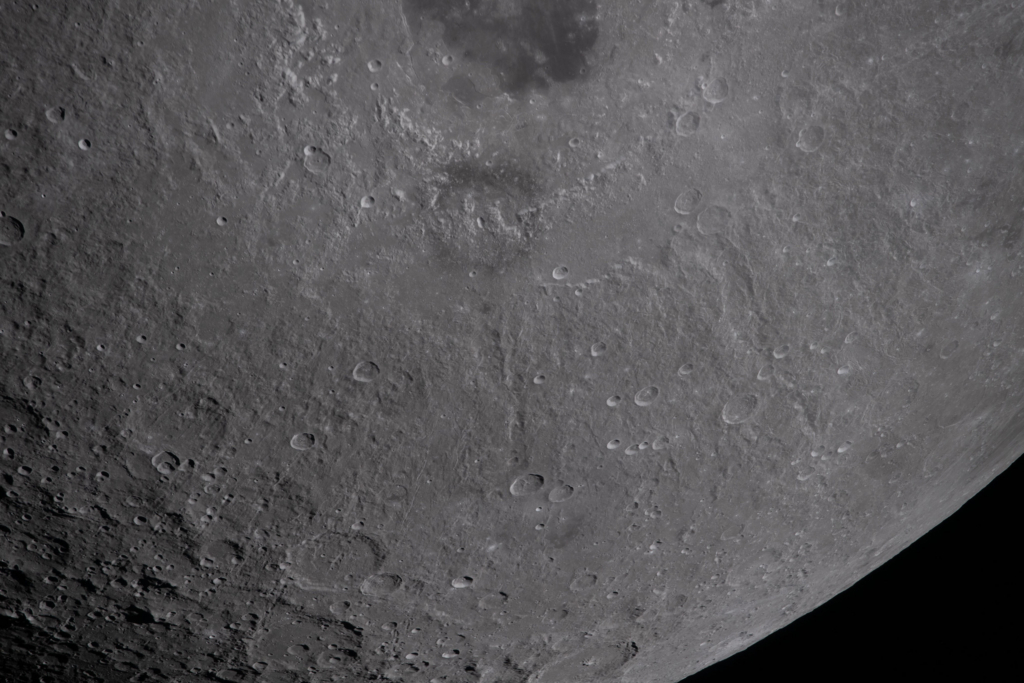
During that time, the astronauts reported seeing impact craters, ancient lava plains, fractures and ridges, features that tell the story of how the Moon has changed over billions of years.
Subtle variations in colour and brightness were also noted, with scientists on the ground treating these observations as valuable clues to the Moon’s composition and age.
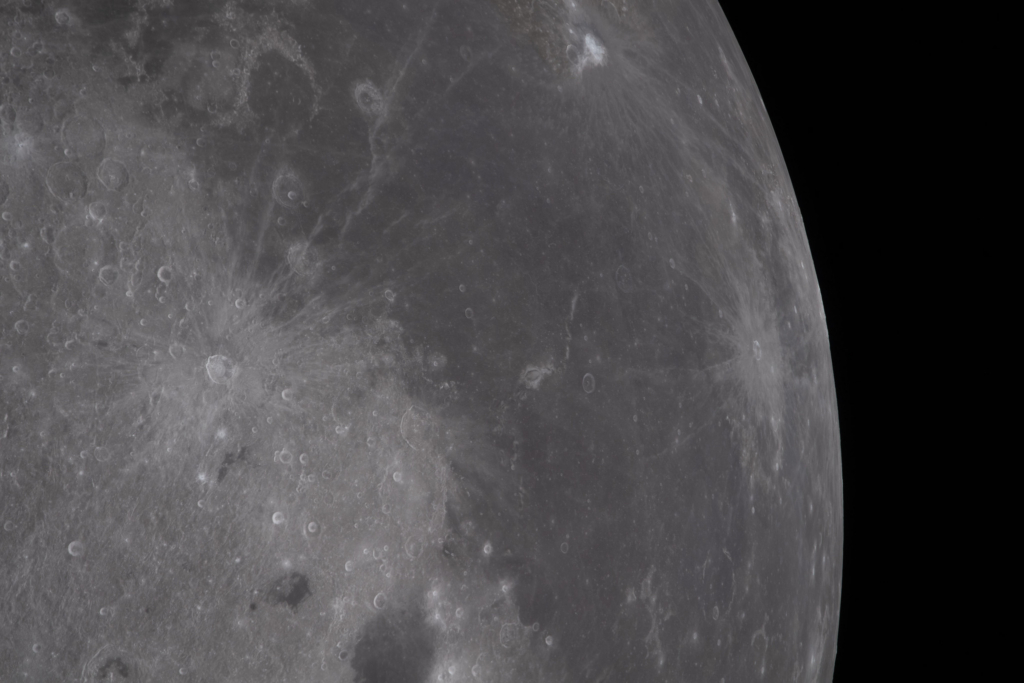
Mission control responded in real time, adjusting observation targets and sending follow-up instructions as new details emerged from the crew’s reports.
Artemis II flyby captures Earthrise and blackout behind the Moon
As Orion moved behind the Moon, the crew witnessed one of the mission’s defining moments of Earth disappearing below the lunar horizon.
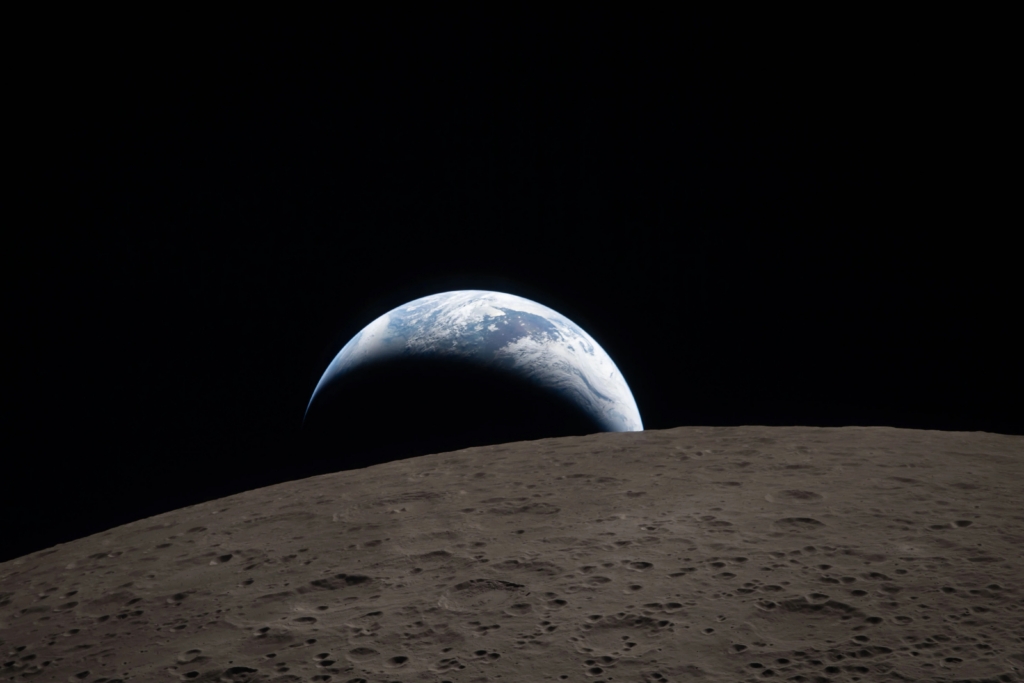
Shortly afterwards, the spacecraft entered a planned communications blackout lasting about 40 minutes, as the Moon blocked signals between Orion and NASA’s Deep Space Network.
Just before contact was lost, pilot Victor Glover addressed Earth: “As we prepare to go out of radio communication, we’re still going to feel your love from Earth. And to all of you down there on Earth and around Earth, we love you, from the Moon. We will see you on the other side.”
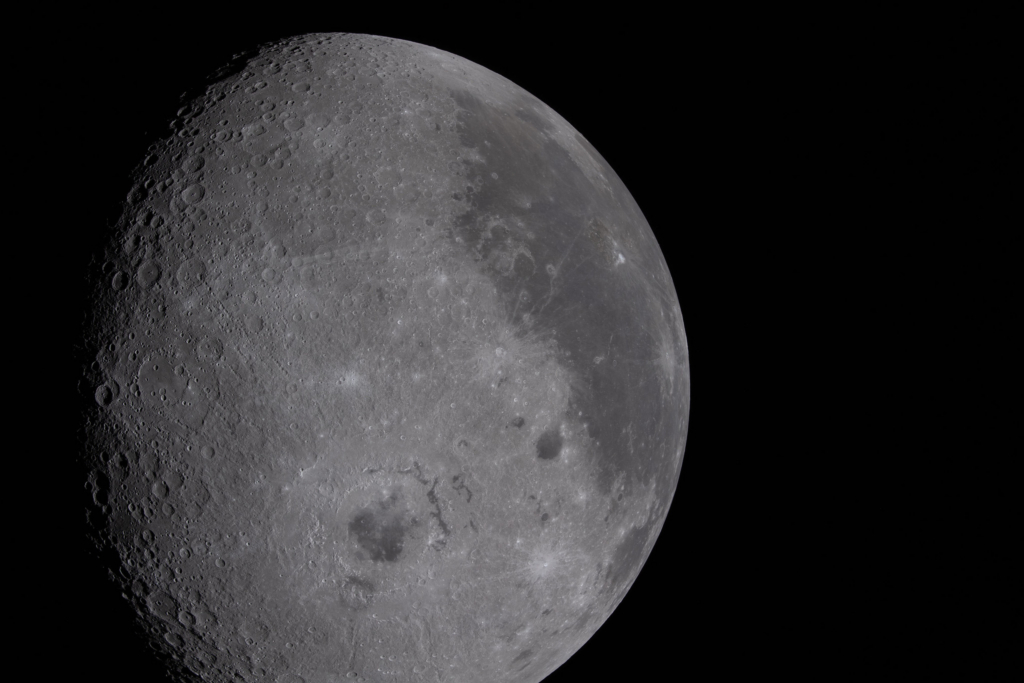
When the spacecraft emerged from behind the Moon, communications were restored, and the crew watched as Earth rose once again into view, an “Earthrise” that echoed images captured during Apollo missions more than 50 years ago.
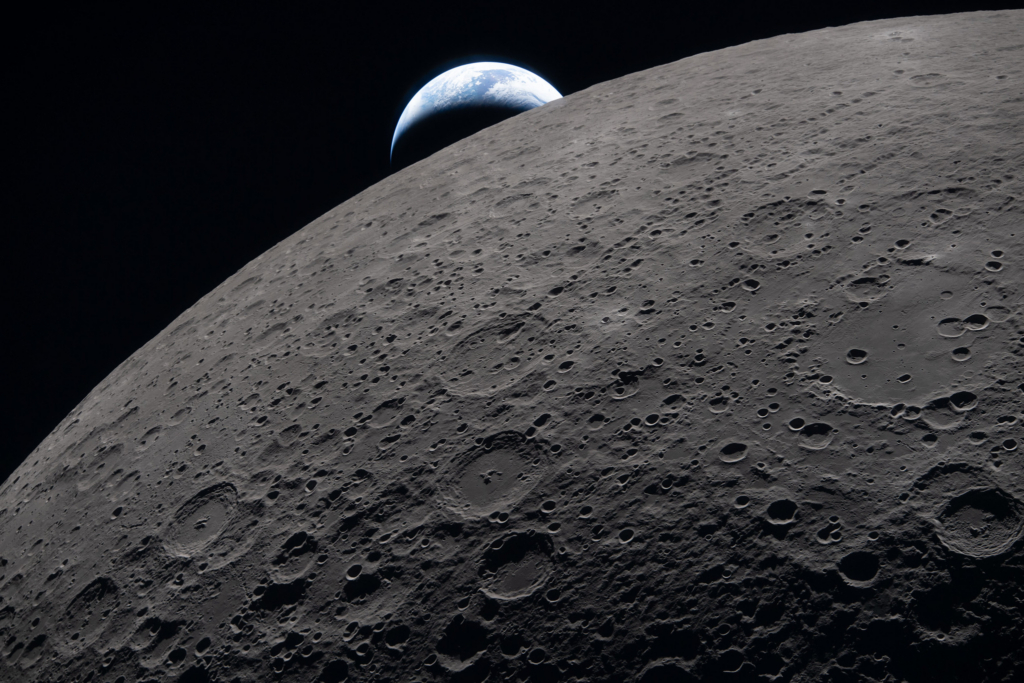
Artemis II crew witnesses rare solar eclipse from lunar far side
As the flyby continued, Orion, the Moon and the Sun aligned to produce a prolonged solar eclipse, lasting close to an hour.
From their position, the astronauts saw the Sun disappear behind the Moon, allowing them to observe the solar corona, the outer atmosphere, normally obscured by intense light.
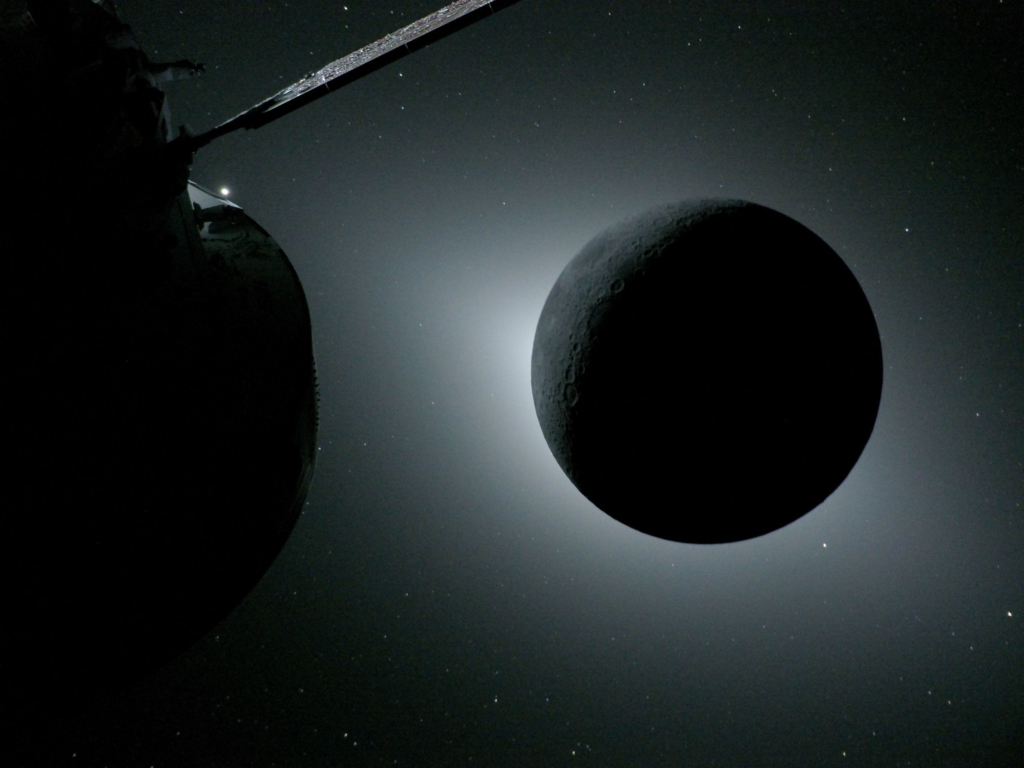
The moment left a strong impression on the crew.
“After all of the things we saw earlier, we just went sci-fi,” Glover said. “It just looks unreal … the Earthshine.”
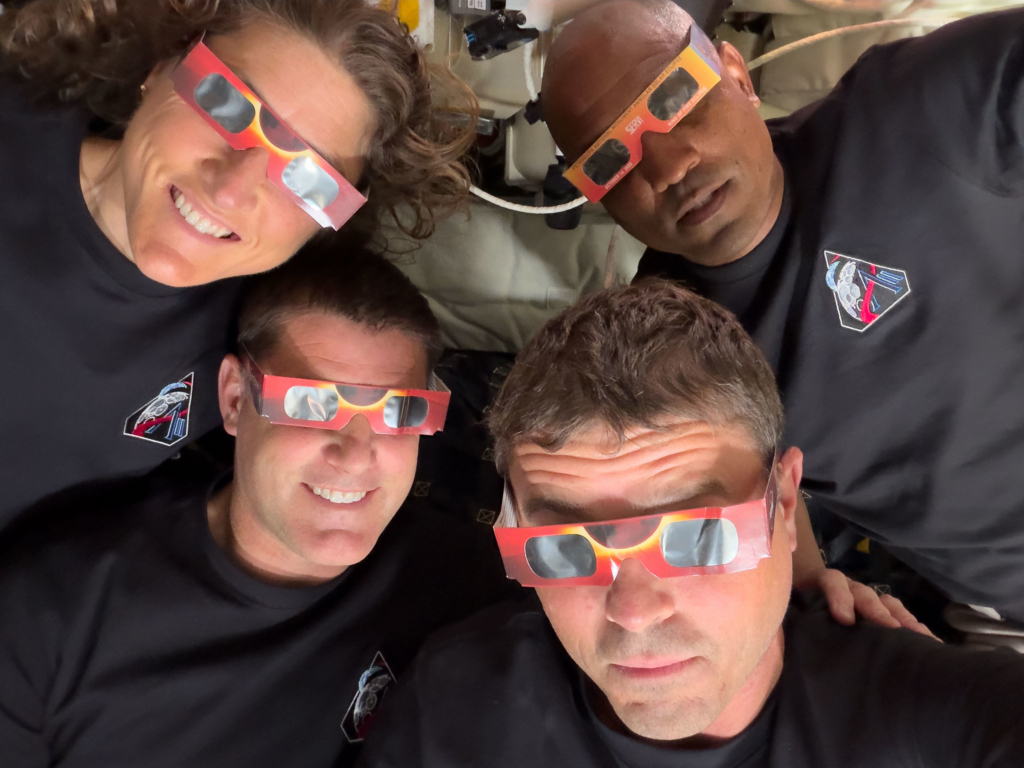
During the eclipse, the astronauts also reported flashes of light on the Moon’s dark surface, believed to be meteoroids striking at high speed. Scientists plan to analyse these observations alongside imagery captured during the flyby.
Real-time science and crew observations shape Artemis II mission
Beyond the headline milestones, the flyby highlighted how Artemis II is blending exploration with real-time science.
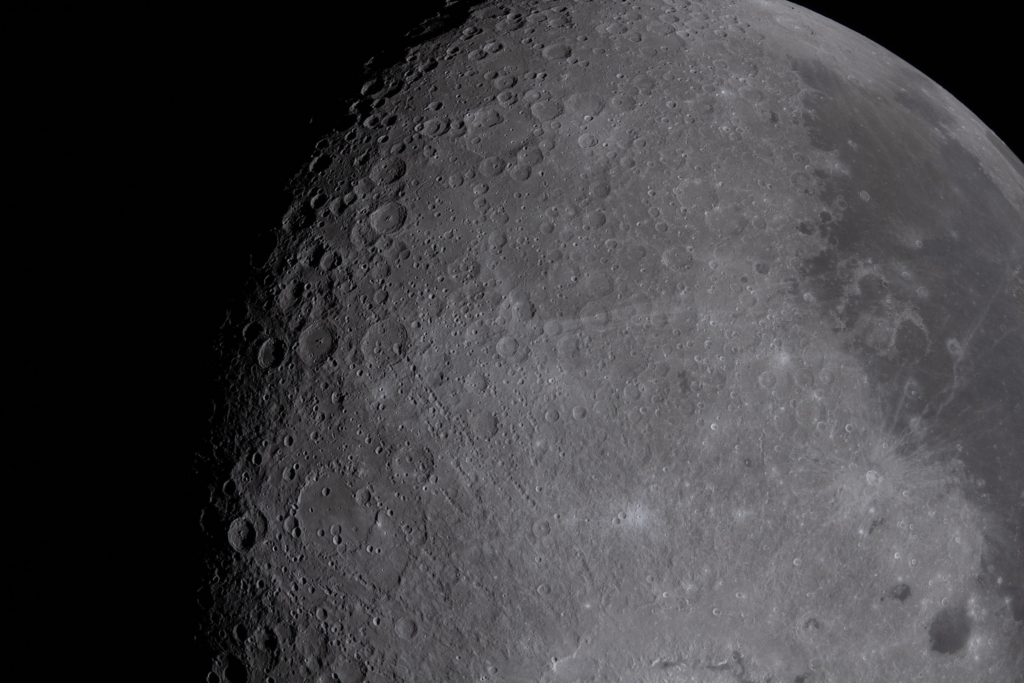
Crew observations were continuously relayed to scientists, who refined the mission plan as new features came into view. Even subtle details such as colour differences across the lunar surface were used to guide further study.
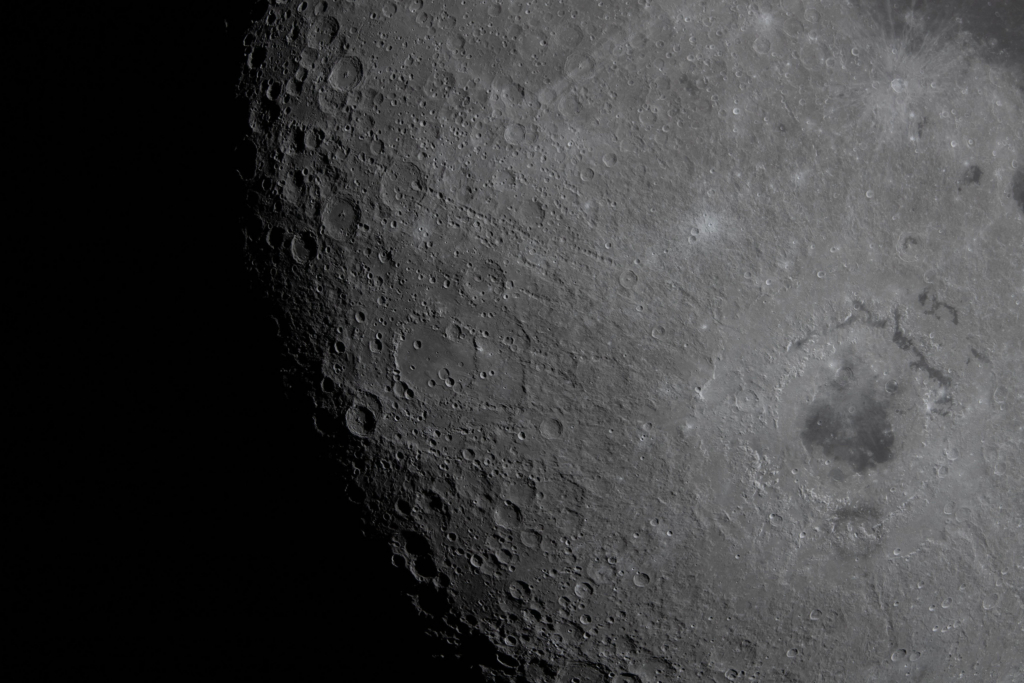
The astronauts also proposed names for two previously unnamed craters, suggesting “Integrity” after their spacecraft and “Carroll” in memory of Wiseman’s late wife. The proposals will be submitted for formal review after the mission.
Artemis II begins return to Earth
With the lunar observation phase complete, Artemis II has begun its return journey to Earth aboard the Orion spacecraft.
Orion is expected to exit the Moon’s gravitational sphere of influence on 7 April 7, marking the transition into the final phase of the mission. From there, the spacecraft will follow a controlled trajectory back toward Earth, with splashdown currently targeted for the Pacific Ocean off the coast of California on 10 April.
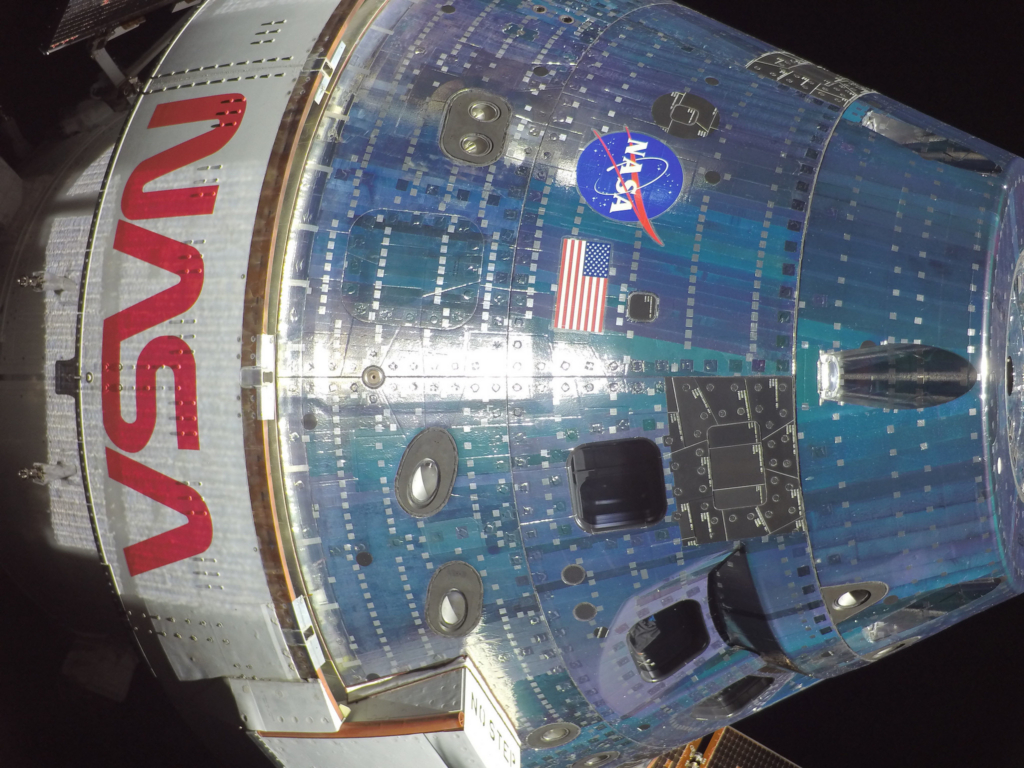
Recovery operations will be led by NASA and the U.S. Navy, with teams positioned to secure the capsule shortly after landing and assist the crew following their multi-day journey through deep space.
As outlined in earlier mission briefings, Artemis II is a critical test flight designed to validate Orion’s life support systems, navigation, and re-entry performance ahead of future crewed lunar landings. These systems will underpin Artemis III, which aims to return humans to the lunar surface later this decade.
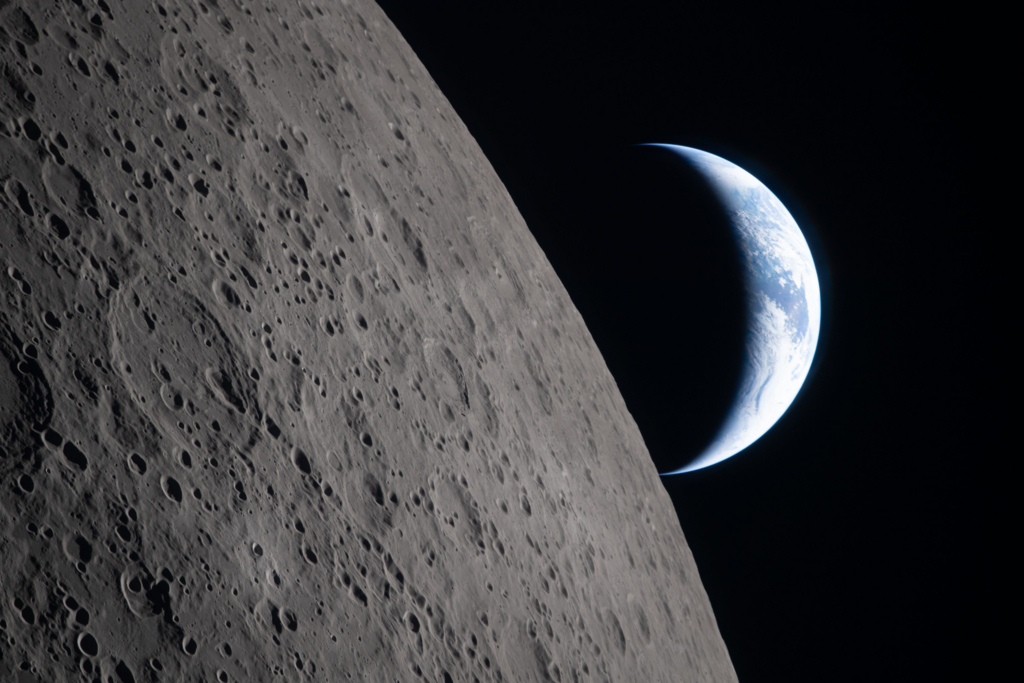
The mission also marks the first time since Apollo 17 in 1972 that humans have travelled to the Moon and around its far side, reconnecting modern spaceflight with a legacy that continues to shape exploration today.
Featured image: NASA