All in: Munich Airport and Lufthansa commit to each other until 2056

March 26, 2026
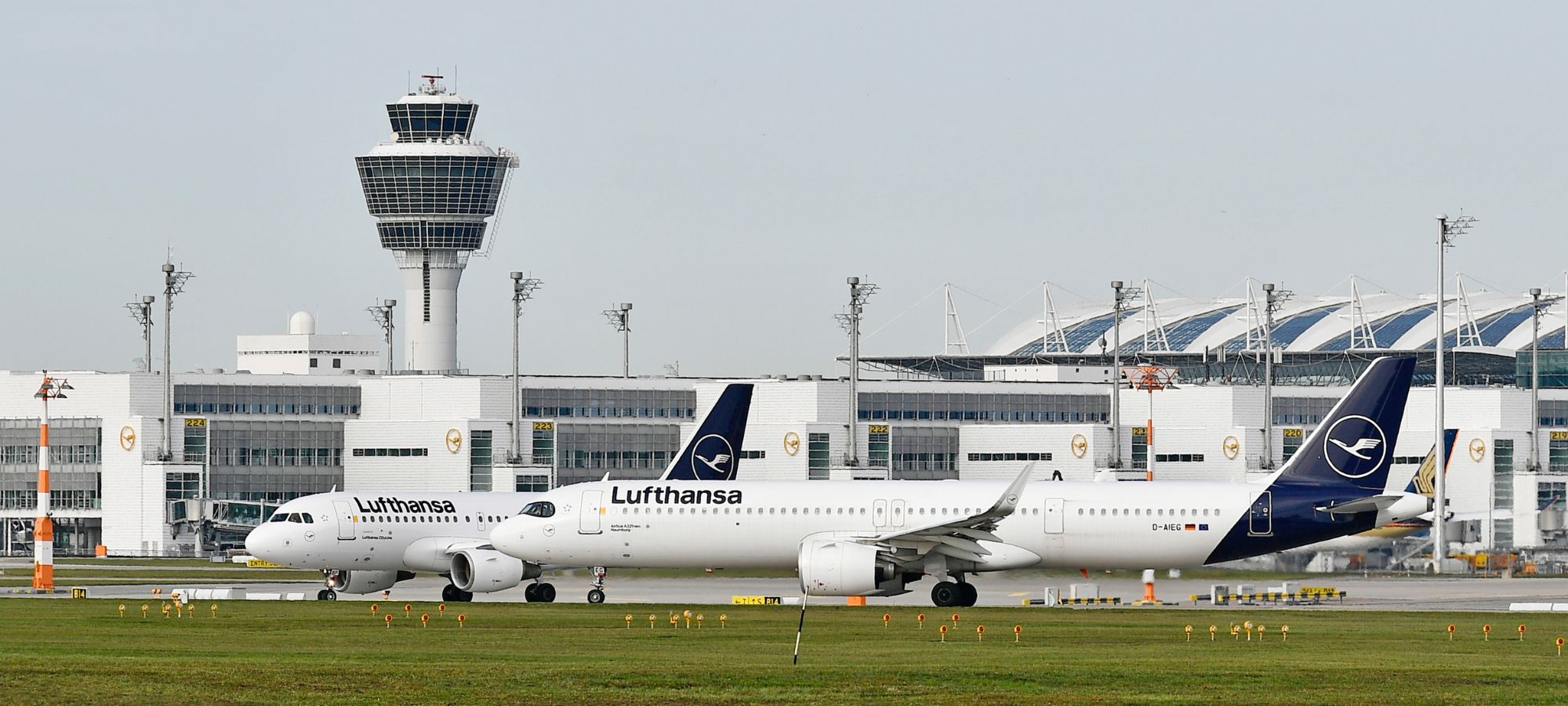
An extended partnership between the Munich Airport and German carrier Lufthansa mirrors airport-airline collaborations seen elsewhere worldwide and sets the stage for meaningful long-term growth.
Describing Bavaria as a “hub for aviation,” State Prime Minister Markus Söder added that “Munich Airport is its gateway to the world.” The airport, he revealed, has enjoyed a globally unique and successful partnership with the German national carrier Lufthansa for more than two decades.
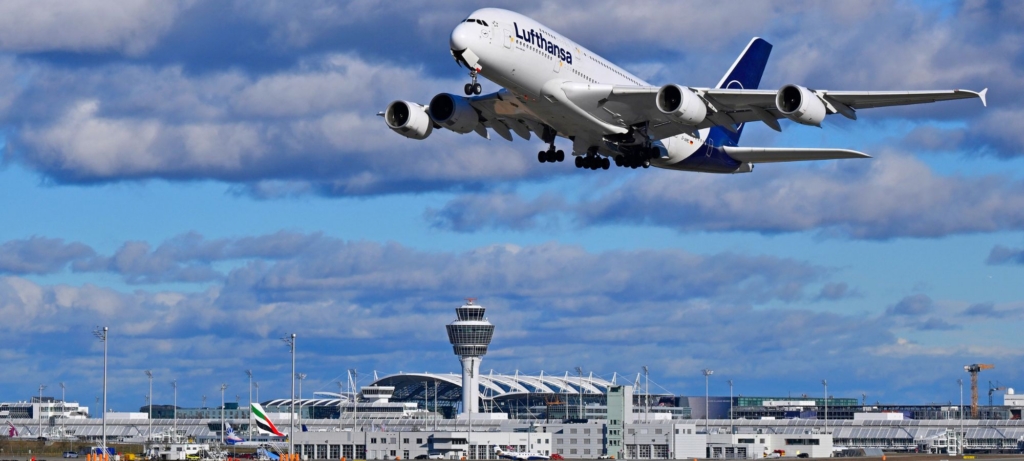
Munich Airport and Lufthansa’s deep-rooted collaboration
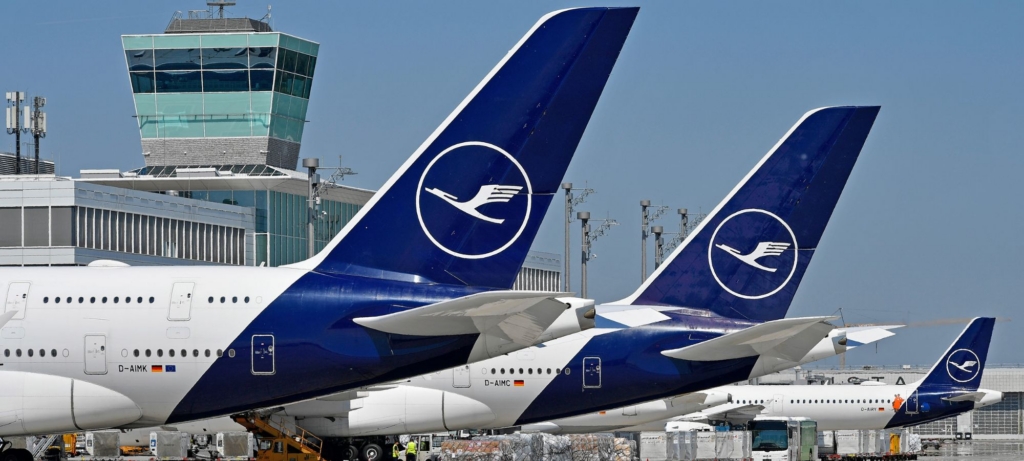
The two companies launched their joint venture in 2003 with the opening of Terminal 2 at the airport. Both Lufthansa and Munich Airport share operational responsibility for the terminal, with the airport holding a 60% stake and Lufthansa the remaining 40%.
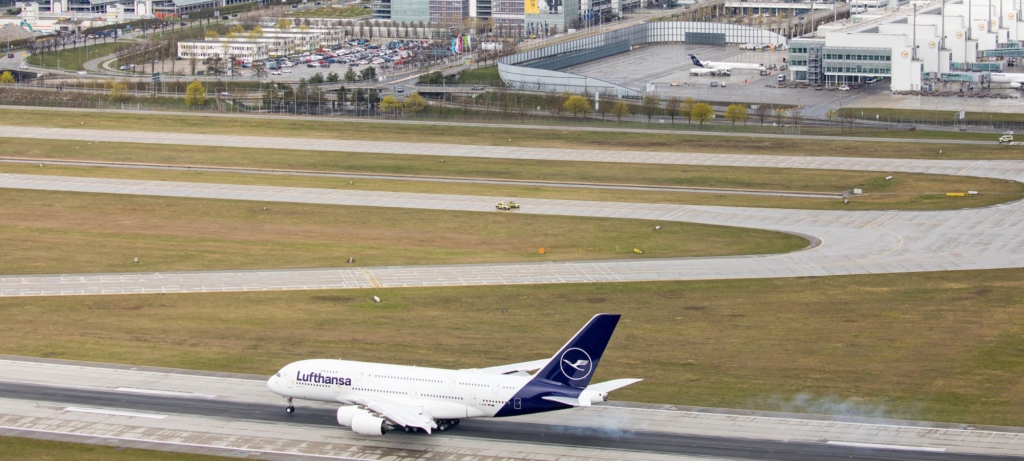
That original joint venture has now been extended through 2056 under a new agreement. This new agreement includes expanding terminal infrastructure and growing Lufthansa’s long-haul fleet in Munich.
Commenting on the airport’s strengthened partnership with the German carrier, Jost Lammers, CEO of Munich Airport, said, “It is a milestone in the development of the airport hub. For our guests, it means a significantly better offering and even greater comfort.”
What’s in the pipeline for the expansion of Munich’s Terminal 2
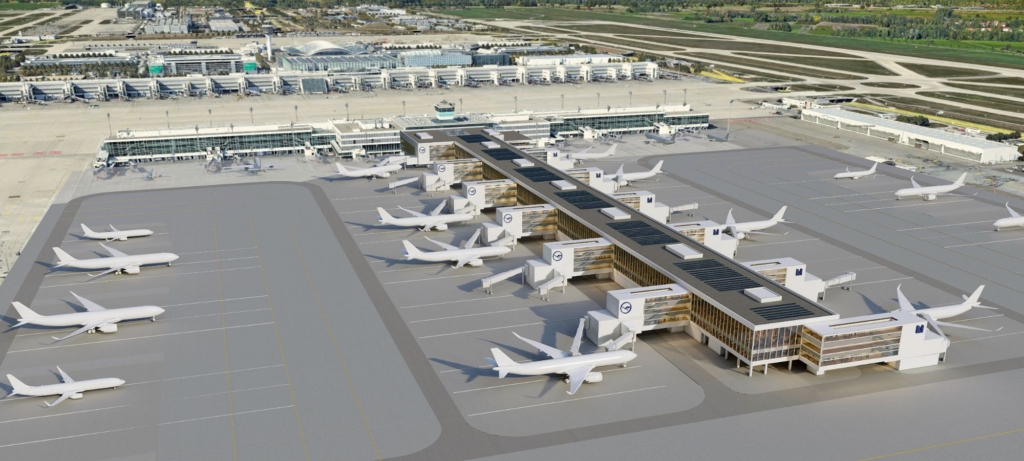
Under the agreement, plans include expanding the satellite building at Terminal 2 to accommodate an additional 10 million passengers per year. Together, the satellite building and terminal currently have a capacity of 36 million passengers annually. Lufthansa will also expand its operational network from Munich, adding additional long-haul aircraft and enhanced services.
“This is a landmark deal and a milestone for the aviation hub,” said Söder, underlining the state government’s support for aviation as a mechanism for socio-economic growth. “We will continue to expand our hubs, further develop our expertise and capacity, and advocate for a reduction in air traffic tax.”
He also noted that as an export nation, Germany “needs the aviation industry”.
The new joint agreement paves the way for the planning phase of the terminal’s construction project, which will see a pier connected at a right angle to the existing satellite building on the east side. With a planned completion date of 2035, this will increase the airport’s capacity in line with projected passenger growth. The additional passengers will be handled by the existing two-runway system and will not be affected by the existing moratorium on the third runway.
Power in pairs: airport-airline relationships driving aviation’s next chapter
Munich and Lufthansa are not alone in their approach to ensuring close collaboration benefits both their organisations and the wider region’s growth.
In the US, Pittsburgh International Airport and low-cost carrier (LCC) Southwest Airlines have enjoyed a long-term partnership that has transformed the airport into a key hub, with passenger traffic growing. In 2025, the airline celebrated 20 years since launching services from the Pennsylvania hub.
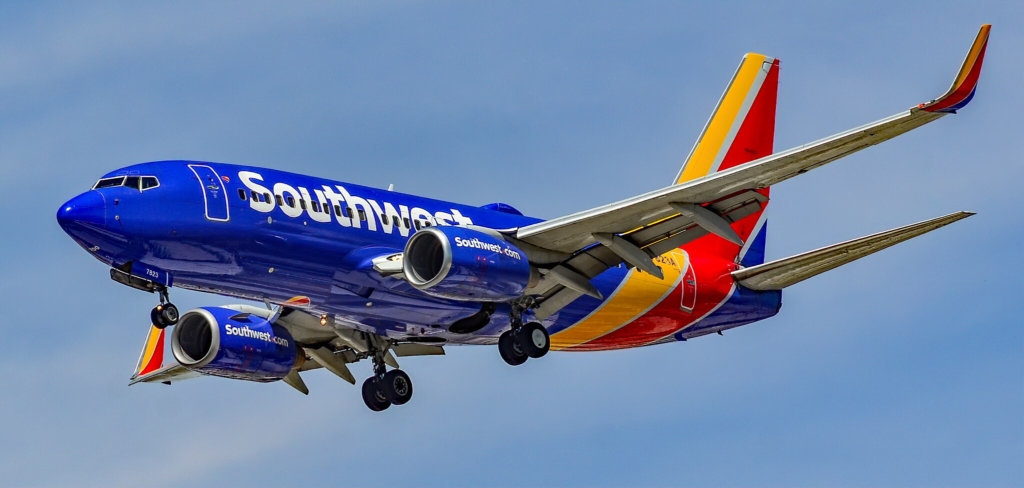
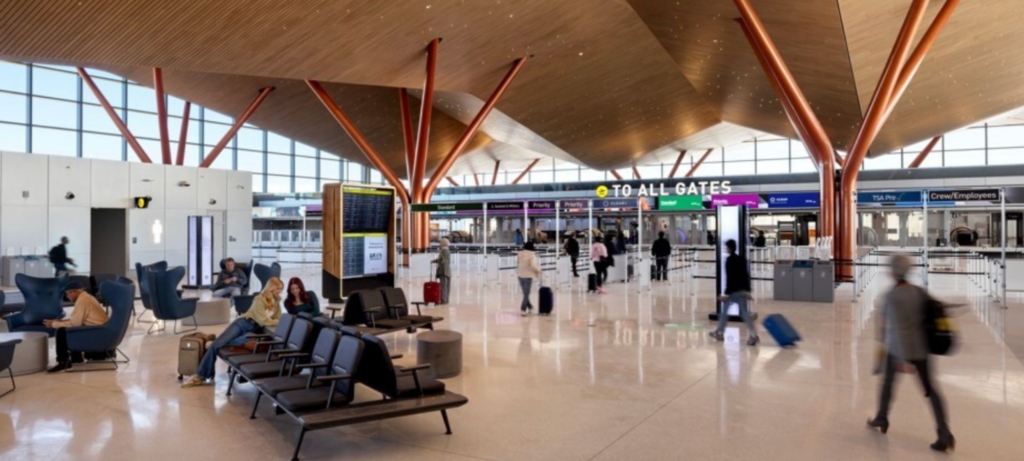
The LCC remains the airport’s busiest carrier, connecting travellers from Pittsburgh to more than 20 nonstop destinations across the US and taking a 25.5% passenger share of traffic at the airport as of April 2025. The airport recently completed its new landside terminal, which cost US$1.7 billion. As the first airline to depart the new terminal in November 2025, Southwest’s continued support is essential to the airport’s ongoing modernisation.
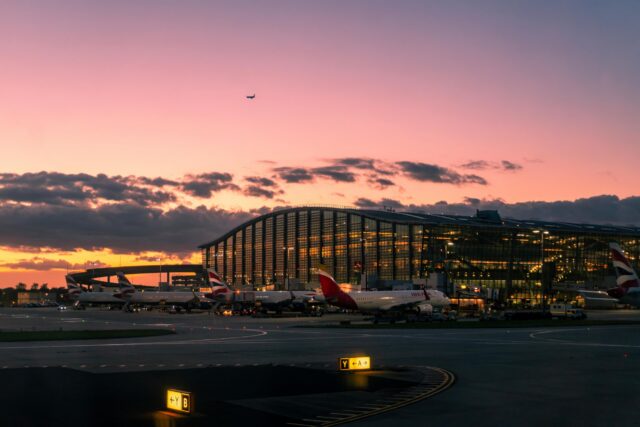
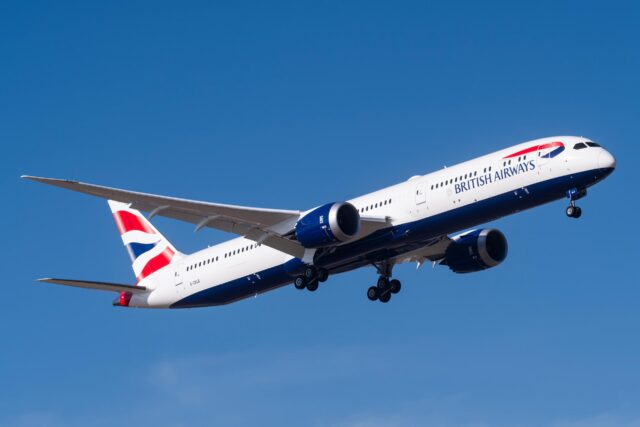
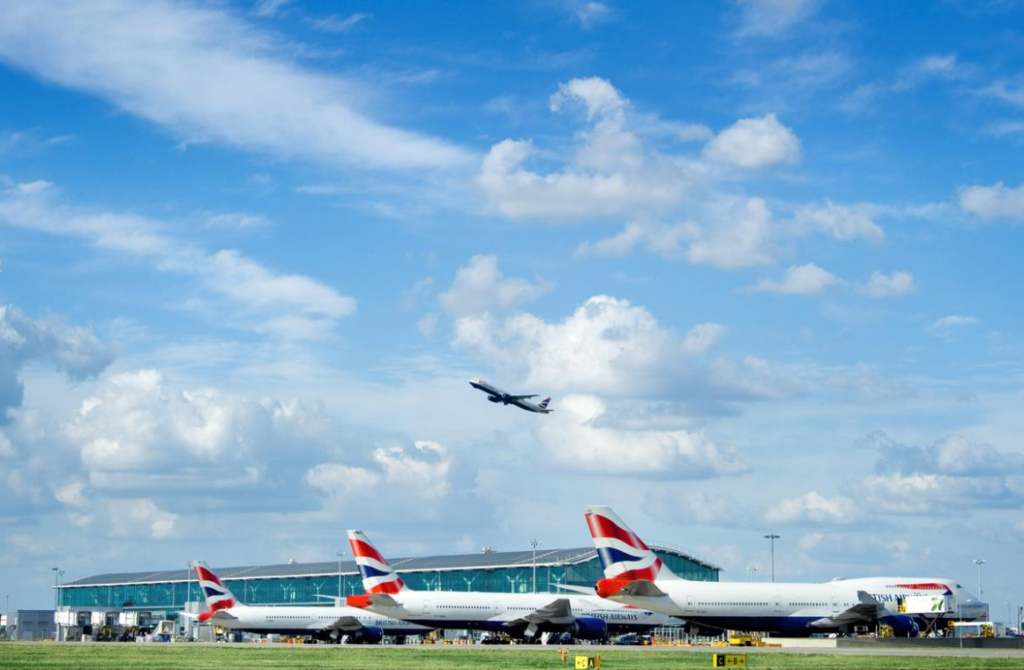
Similarly, the UK’s flag carrier, British Airways, enjoys a deep strategic partnership with its main global gateway, London Heathrow. With a focus on sustainability, the two have collaborated on various projects ranging from financial support for a conservation and outreach project to protect and enhance five nature reserves and two country parks in close proximity to the airport.
The two have also collaborated on deploying the AI platform ApronAI to reduce aircraft idle time and increase efficiency, as part of a major, multi-year transformation aimed at improving operational resilience, digitalising baggage services, and achieving net-zero targets. Meanwhile, on the ground, more than 90% of BA’s vehicles and ground equipment at Heathrow are either zero-emissions electrical equipment or operating on hydrotreated vegetable oil fuels.
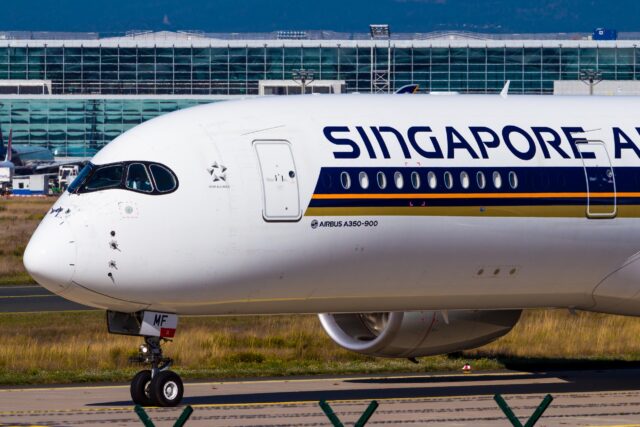
Arguably, two of the most symbiotic airport-airline relationships globally are those of Dubai Airports with Emirates and Singapore Airlines with Changi Airport Group.

In the latter case, both are government-linked entities, and their shared success is a matter of national strategy. With the airport breaking ground on Terminal 5 in May 2025 and preparing to accommodate an additional 50 million passengers per year by the mid-2030s, Singapore Airlines will play a key role in boosting that traffic. The airline has already committed to investing US$45 million in the airport amid plans to renovate its SilverKris and KrisFlyer Gold lounges
Meanwhile, in Dubai, in a move that underscores the region’s long-term aviation ambitions, Emirates has committed to investing US$10-12 billion in developing its infrastructure at Al Maktoum International Airport (DWC).
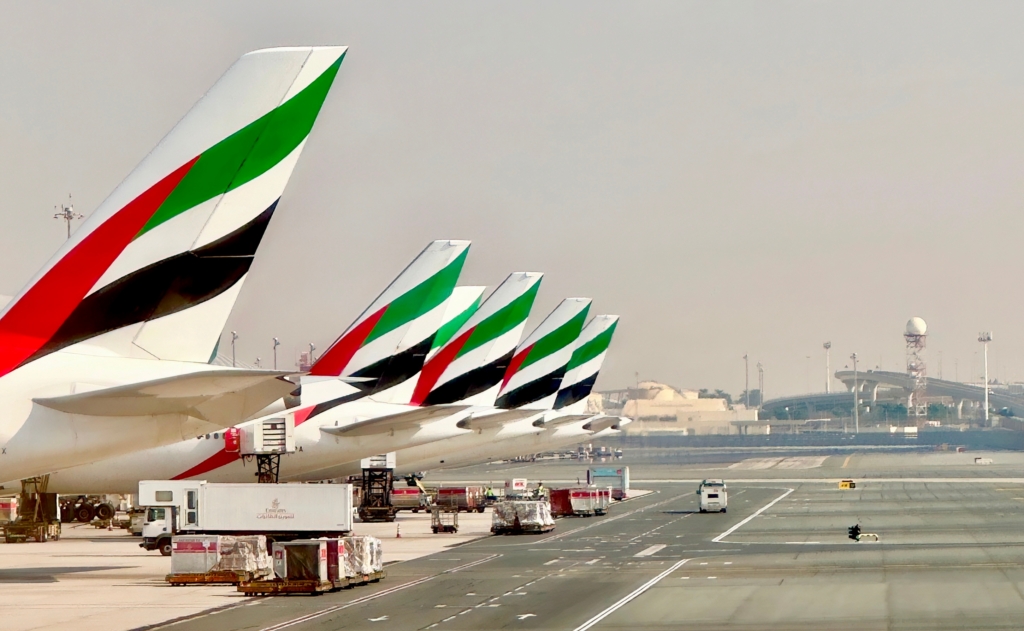
During an announcement at the Dubai Airshow 2025, the airline’s chairman and CEO, Sheikh Ahmed bin Saaed Al Maktoum, said the investment will cover dedicated infrastructure for the airline, beyond what the state-funded $35 billion financing will provide to develop the new terminal and ground infrastructure.
Header image: Munich Airport