Flat-pack fighter? Boeing’s MQ-28 Ghost Bat can be packed, moved and reassembled in hours

December 4, 2025
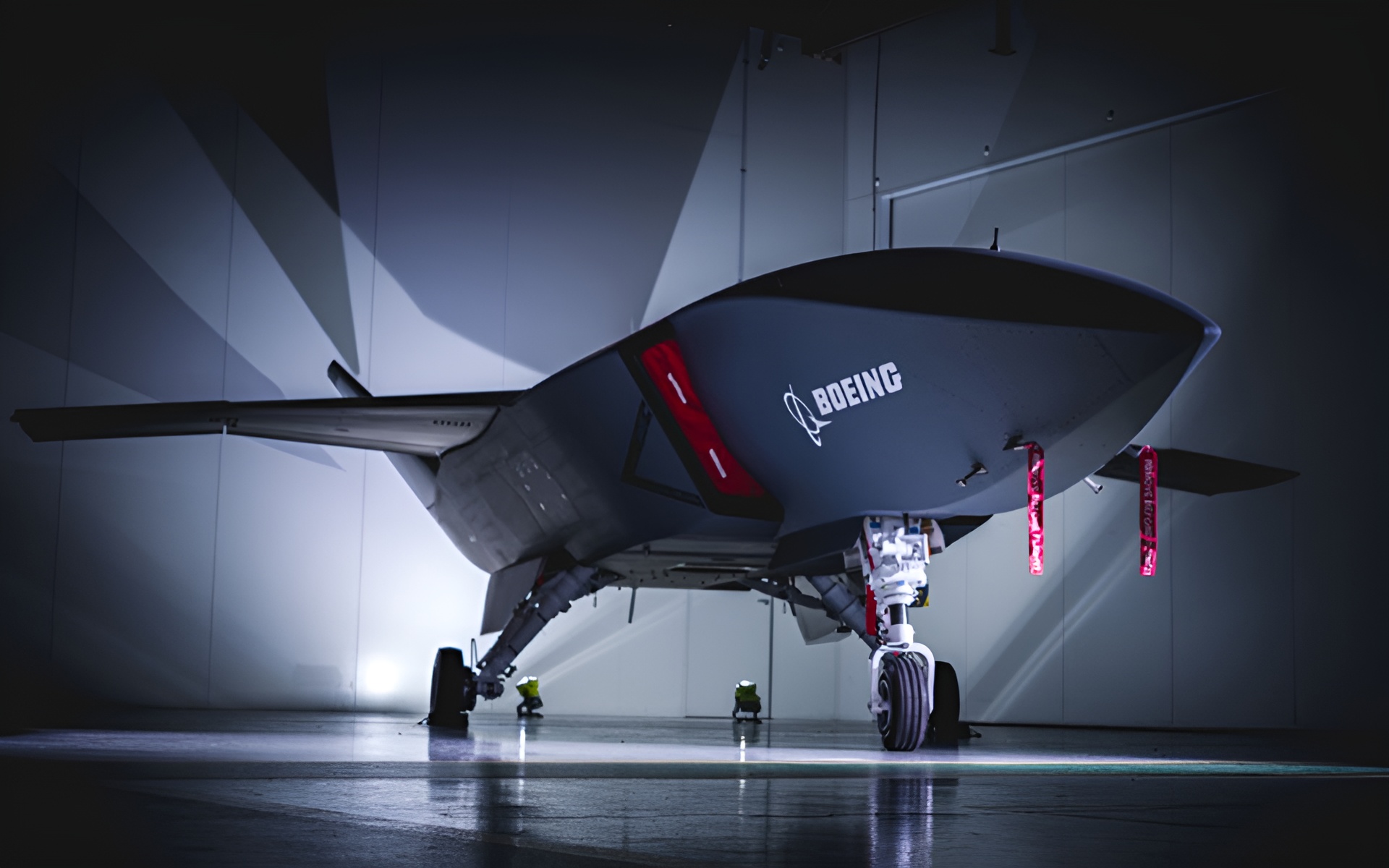
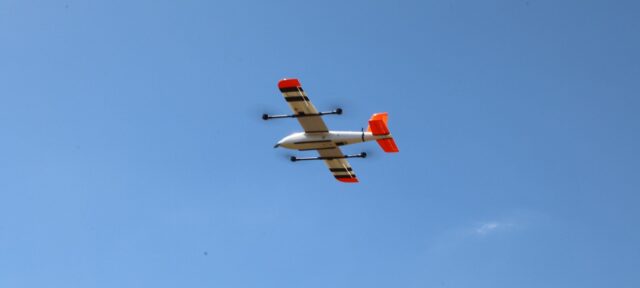
Boeing has confirmed that its MQ-28 Ghost Bat is being engineered to pack down, move and reassemble in hours, as the company prepares its collaborative combat aircraft (CCA) for the kind of dispersed, unpredictable operations modern air forces increasingly expect.
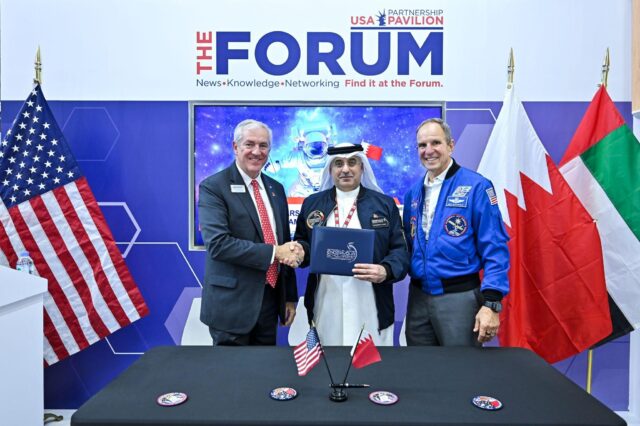
The comments came during a detailed conversation at Dubai Airshow, where Boeing Defence Australia outlined how the platform is being purpose-built for flat-pack deployment, rapid reconstruction, and low-footprint operations far from established bases.
Speaking to AGN at the show, Garth Haselden, Executive Director of Business Development, Boeing Defence Australia, said the company had deliberately designed the MQ-28 for extremely fast teardown and regeneration. “We’re working in the hours time frame at this stage,” he said. “But this is part of prototyping and testing the process in the field, and from that, we’ll take learnings forward into future variants.”
When pressed on just how rapid reassembly in the field could be, Haselden was reluctant to share a number. AGN presented scenarios to him. Would reassembly be under 12 hours? “I would say shorter,” he replied. Could it be under six? “Yes.”
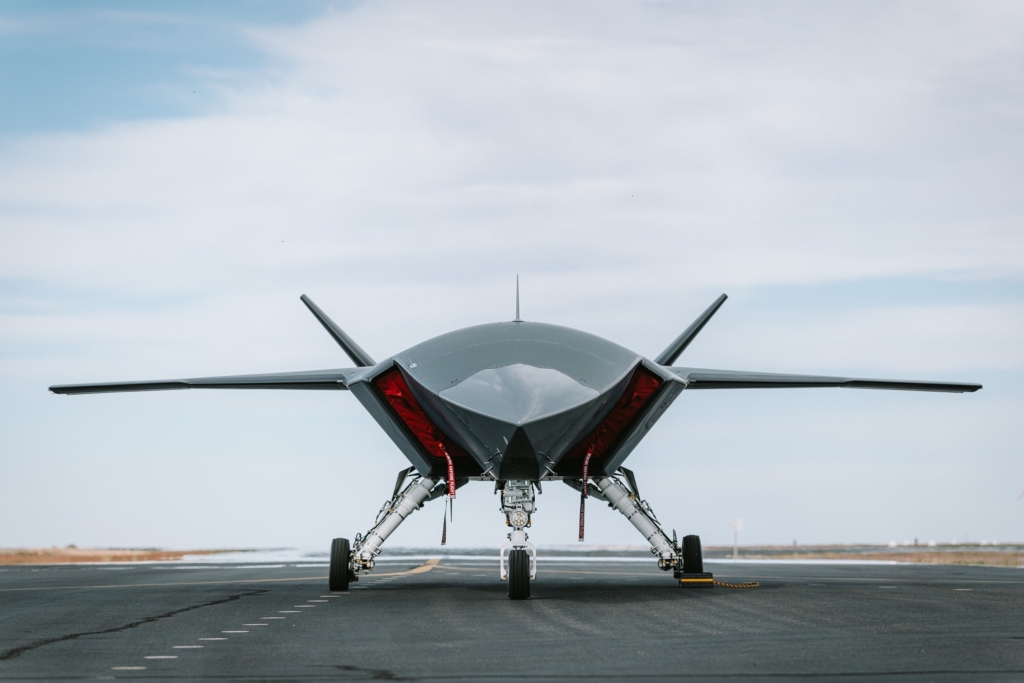
These are the clearest figures Boeing has offered to date, and they underline the company’s push to make Ghost Bat a platform that can be moved, hidden, generated and regenerated faster than an adversary can target it.
That model of “agile combat employment” was highlighted during Boeing’s briefing, where the company described a recent forward-deployed trial with the Royal Australian Air Force (RAAF) that was the MQ-28’s first real-world test of that concept.
Exercise Carlsbad: Boeing’s test for MQ-28 Ghost Bat rapid teardown and reassembly
Earlier this year, the RAAF ran Exercise Carlsbad in northern Australia, a multi-week trial designed to validate whether the MQ-28 could be moved to an austere base, reassembled, tested and flown with only a small footprint. Boeing referenced the exercise in the Dubai briefing and the RAAF has since released a short video summarising the deployment.
“We have been here… for the last couple of weeks. We’re here for Exercise Carlsbad,” Wing Commander Phillip Parson explained in the official recording. “The main intent of Exercise Carlsbad was to understand all the fundamental inputs to capability. So, how to deploy, how to operate in a different location with the MQ-28 Ghost Bat.”
The aircraft was taken from its usual test location, sent north, rebuilt, and put through a series of checks. The RAAF tech described the sequence: “We’ve done a bunch of ground events – engine runs, ground runs, some high-speed taxis on the airfield just to confirm all our systems are in good working order. And then today, we went flying, flew a circuit, and landed.”
Critically, Carlsbad did not end with the flight. The teardown was just as important. “Now we’re back here… we still haven’t finished yet. So we need to pack the aircraft up, the people up, and get everyone home safely.”
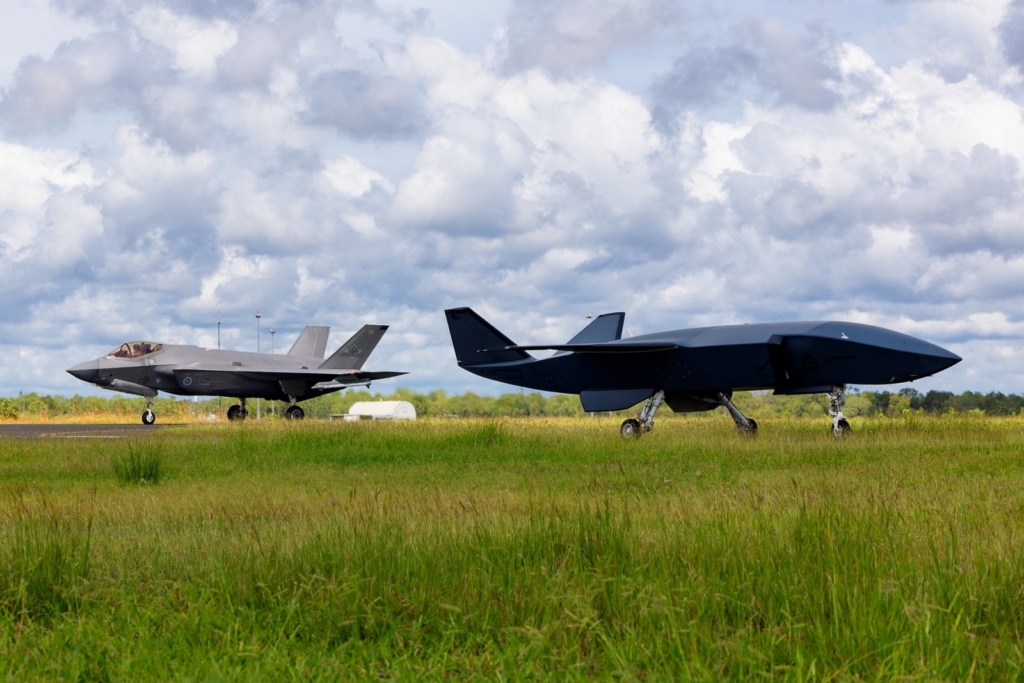
During Boeing’s Dubai briefing, Haselden highlighted Carlsbad as the moment the team proved that forward movement, quick regeneration and extraction are not merely theoretical.
“We took an MQ-28, deployed it to a northern Australia base. So forward deployed, unpacked, flew a sortie, packed up and returned home,” he said. “It really demonstrated agile combat operations.”
AGN asked whether the exercise had revealed any bottlenecks. Haselden suggested the cycle could already be accelerated. “Could we have been quicker? Yes,” he said. “But that’s why we did it.”
The RAAF frames the capability in blunt terms. “Capabilities like the MQ-28 are important because they will save Australian lives and give us combat mass to defend Australia,” the Carlsbad team said in the video.
The MQ-28 is built for containerisation: C-17 today, road-mobile tomorrow
Boeing confirmed to AGN that during Exercise Carlsbad, the MQ-28 was transported in a RAAF C-17, using a standard rapid-load configuration. But the company is already looking well beyond heavy airlift.
Haselden said that the goal is not to rely on strategic cargo aircraft at all. Future variants are expected to support road-based mobility and even containerised storage, allowing air forces to disperse, hide or reposition Ghost Bats quickly across civilian road networks or small forward strips.
Boeing touched on this publicly during the Dubai briefing. The MQ-28, they said, had been engineered from the outset for a footprint far smaller than a crewed aircraft.
“They are absolutely designed to operate with a smaller footprint… and in some cases, maybe air forces want to have these things sitting in shipping containers ready for rapid deployment,” Haselden said.
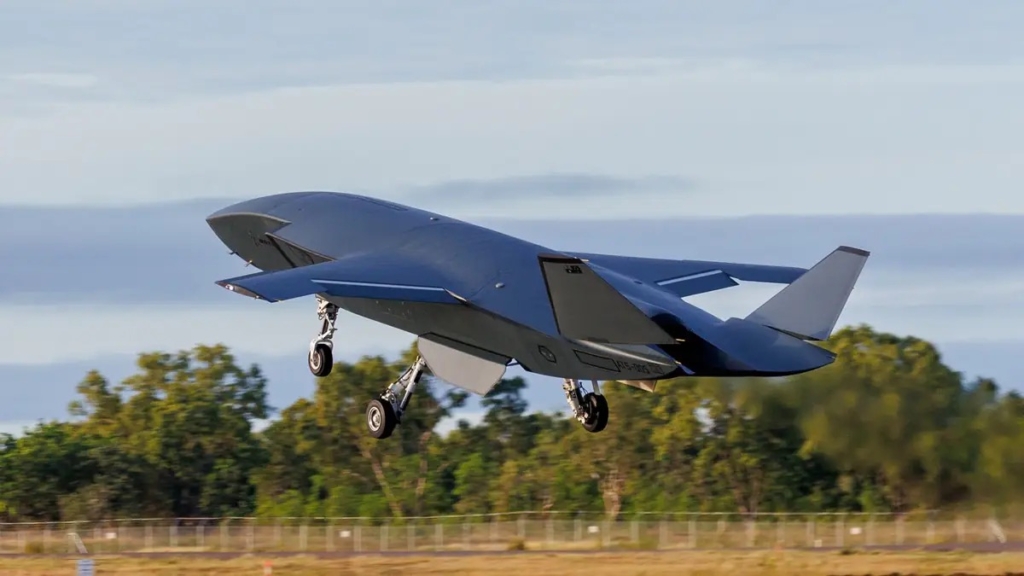
The airframe’s hot-swappable nose section, designed for sovereign payloads and rapid missionisation, is central to this approach. By swapping a missionised nose on the ground rather than reconfiguring the entire aircraft, operators can turn an MQ-28 from ISR to EW to strike support in minutes rather than hours, reducing hangar time and increasing survivability.
Few CCA designs revealed to date include this level of physical modularity, and Boeing sees it as essential for sovereign customisation by different operators.
Haselden said that design philosophy applies to the entire aircraft. “We built automation into the production system so that it’s rapidly scalable, and it’s designed to make the platform cheaper to field,” he said. “We build that affordability in because otherwise the business case doesn’t make sense.”
A CCA that behaves like a field asset, not a hangar queen
As CCAs evolve, many air forces remain uncertain about how “attritable” these systems should really be. Boeing’s answer is becoming clearer: the MQ-28’s value is not just its autonomy or teaming logic, but its ability to survive through mobility rather than just armour.
Carlsbad showed the concept at work: flightline assembly, one flight, flightline disassembly, done. For a first-generation CCA, that is unusual. For a future force operating under threats to runways, fuel infrastructure, satellites and fixed bases, it is essential.
As Haselden put it: Boeing’s priority is enabling air forces to “decide how far they want to take autonomy” — but first and foremost, to ensure the MQ-28 can be positioned, repositioned and regenerated faster than an adversary can react.
Ghost Bat is becoming something rare in modern airpower: a combat aircraft you can pack, move and rebuild before lunchtime.
Featured image: Boeing