Counting military pilots, not fighter jets: The hidden metric behind US air power dominance

February 14, 2026

Few air forces list their military pilot strengths, so estimating the number is difficult and requires estimates, sometimes broad estimates. But when doing so, an unmistakable picture of the US dominance emerges.
Why pilot numbers matter more than fighter jet counts
Many pillars influence a country’s air force strength. One of the most common ways to compare air forces is to list the total number of fighter jets one country has and compare the total with another.

Comparing fighter jet numbers can result in some bizarre rankings. A country like North Korea, with what is essentially the world’s largest museum of historic aircraft, is ranked above well-funded, modernised, capable, and highly active air forces like the Royal Air Force.
Another way to explore the state of the air forces and their depth and resilience is to examine how many pilots they have. One of the biggest issues Ukraine faces right now is not the number of fighter jets it has, but the number of qualified pilots to fly them.
In the opening year of the Russian invasion of Ukraine, what damaged the Russian Air Force more was not the loss of dozens of aircraft, but the loss of a significant percentage of its experienced fast jet pilots, which it couldn’t replace quickly.
The US has 37,000 military pilots
The US Army Aviation has a strength of around 30,000, according to Defense Post writing in 2025 about plans to cut it by 20%. Of these, around 14,000 are often estimated online to be pilots.
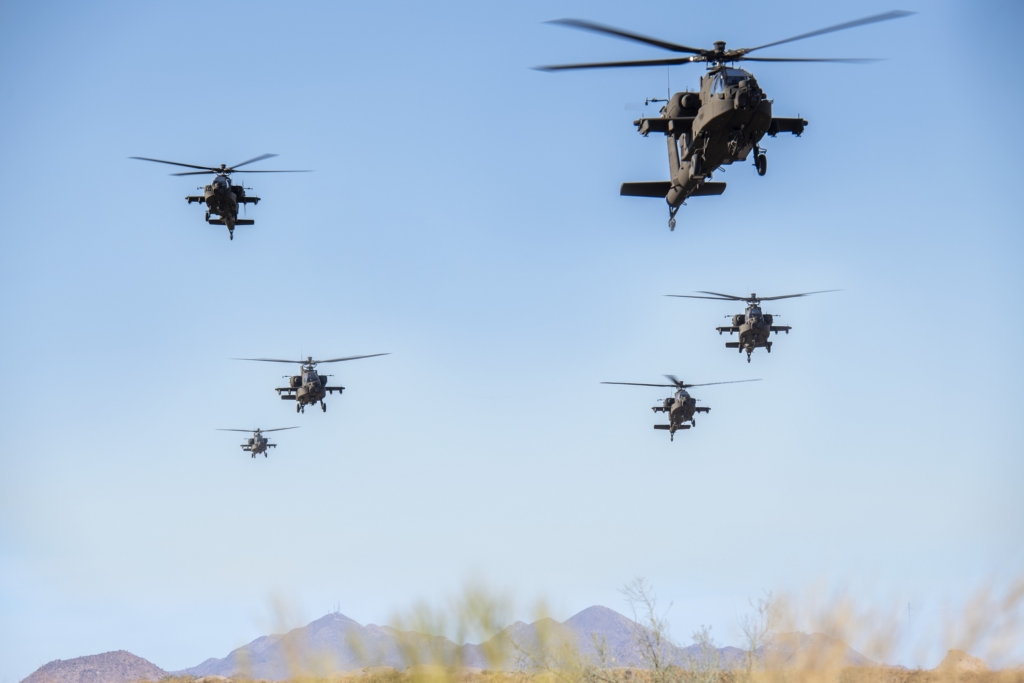
But this could be a large overcount, as Task and Purpose reported in 2025, “According to Army officials, there are currently 7,300 active duty pilots, including warrant officers and officers.” These are overwhelmingly helicopter pilots, but pilots nonetheless.
Select estimates of military pilots:
- US Air Force: 13,000
- US Navy/Marine Corps: 10,000
- US Army: 7,300 (sometimes reported 14,000)
- Russian Air Force: 4,000-5,000 (very rough, plus Navy, Army)
- Indian Air Force: 3,834 (in 2021, plus 1,200+ Navy, Army)
- Royal Air Force: Approx. 1,500 (plus 1,000 Royal Navy + Army)
- Canadian Air Force: 1,300
- Irish Air Corps: 96
The US Air Force has a total active personnel count of over 300,000, rising to around 680,000 once the Air National Guard, reserves, and civilian personnel are added in. However, only around 13,000 of these are pilots.
In 2019, the Federal News Network reported the US Navy had around 7,000 pilots, although that’s estimated to be around 6,500, plus another 3,500 US Marine Corps pilots.

A commonly quoted number is that the US military has a total of 37,000 military pilots. While the devil is in the details, the US is clearly in a league of its own. US pilots are also typically better trained than many of the world’s underfunded air forces.
Get the latest aerospace defence news here on AGN.
MIlitary pilot numbers in other air forces
Every now and again, numbers are reported in the media, providing a snapshot of the pilot count. These provide one basis for starting to build a picture.
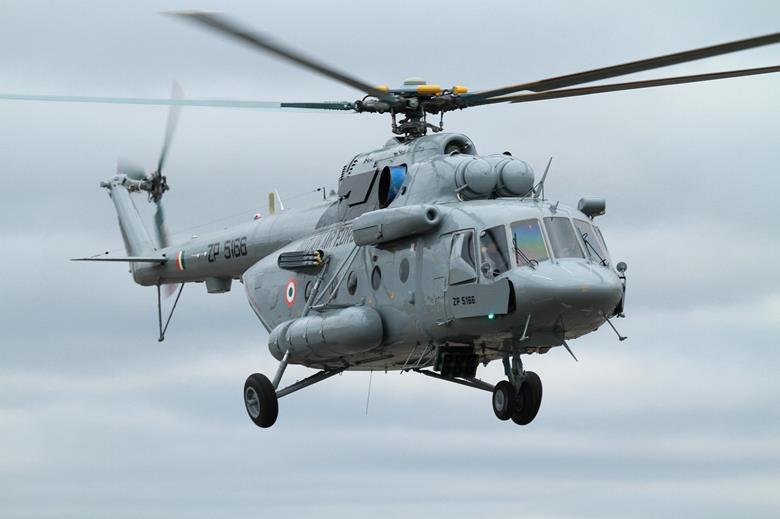
In 2021, The Hindustan Times reported that India’s Minister of State for Defence Shripad Naik stated the force is short 405 pilots. The Indian Air Force had a sanctioned strength of 4,239, but only had a then-current strength of 3,834.
To this, it would be reasonable to add another 600-700 Indian Navy pilots and 600-700 Indian Army pilots.
In 2023, Ireland gave a very precise breakdown of 96 qualified pilots, 14 cadets currently completing military training, and eight young officers in pilot training. Ireland doesn’t have fighter jets.
Unfortunately, available RAF numbers are outdated, though still insightful. The UK Government reported in 2014 that there were 1,760 trained regular pilots in the RAF, 550 trained pilots in the British Army (2015), and 530 pilots in the Royal Navy.

That is a total of 2,840 pilots over a decade ago, and it is likely lower now. In 2025, the UK Defence Journal reported the RAF has a 30% shortfall in pilots at the Flight Lieutenant and Squadron Leader ranks, without providing numbers.
In 2018, it was reported by CBC Radio-Canada that the Canadian Air Force had an authorized strength of 1,580 pilots, but was under strength by around 17%.
How many pilots per aircraft does an air force need?
One way to estimate the number of pilots in an air force is to count the number of aircraft it has in service and then multiply that by how many pilots that air force could expect to have for each aircraft.
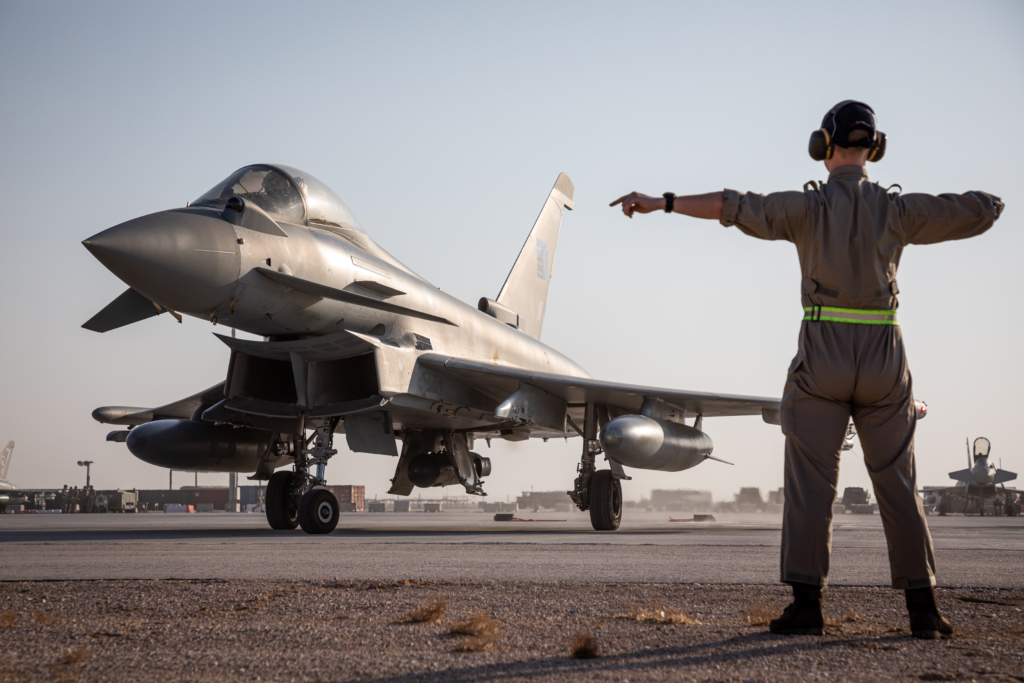
It’s considered typical for a developed nation with robust training and reserve systems to have around two pilots for every aircraft. Underdeveloped nations are often estimated to have 1.0-1.5 pilots per aircraft.
Based on this, ballpark pilot air force numbers should be around 2,000 for France, 1,500 for the RAF, 1,500 for Italy, 1,200 for Germany, and 1,000 for Spain. This excludes army and navy pilots.
After that, in Europe, it falls to the low to mid hundreds for countries like Poland, the Netherlands, and Ukraine. Only a few of these are fighter pilots.
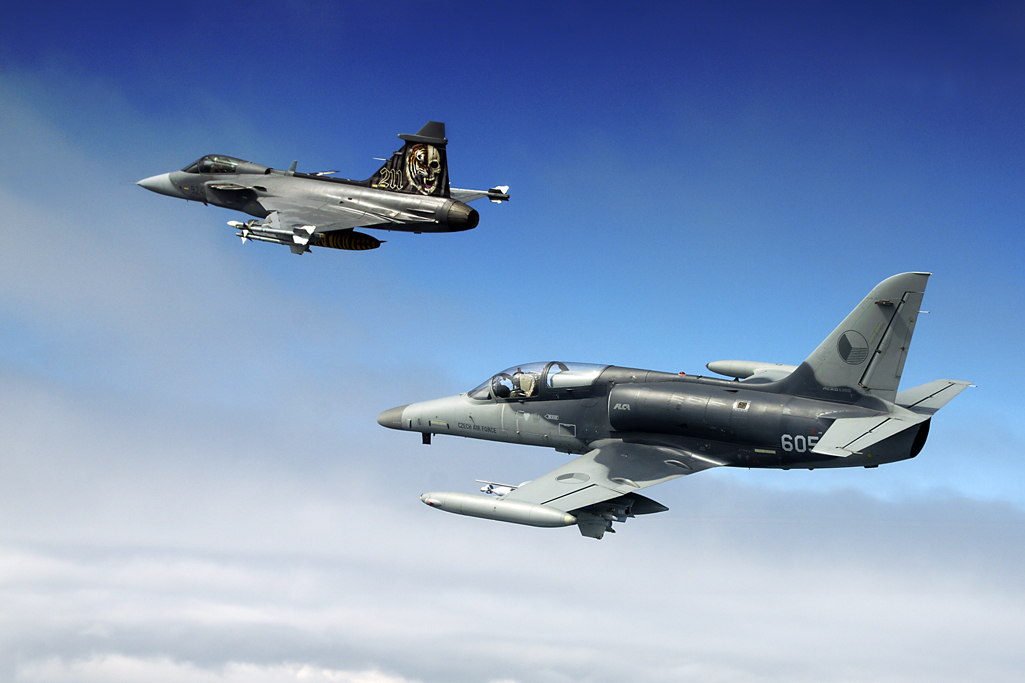
AGN recently reported that the Czech Republic only has the pilots to keep four of its L-159 Aero subsonic light fighters operational.
Applying the lower pilot ratio for Russia, it’s reasonable that its Air Force has around 4,000 to 5,000 pilots, plus its naval and army pilots. While this is reasonable, it’s also a little more than an educated guess.
Even more of a guess is China, which is incredibly opaque on this type of information. Some estimates point to around 4,000 pilots for its PLAAF, but it’s a guess. Add to this the PLA and PLANAF.
Why pilot training matters more than fleet size
Training is one area where funding really matters. A large air force with many fighter jets and pilots, without sufficient funding, is typically a grossly undertrained one. Training is expensive.
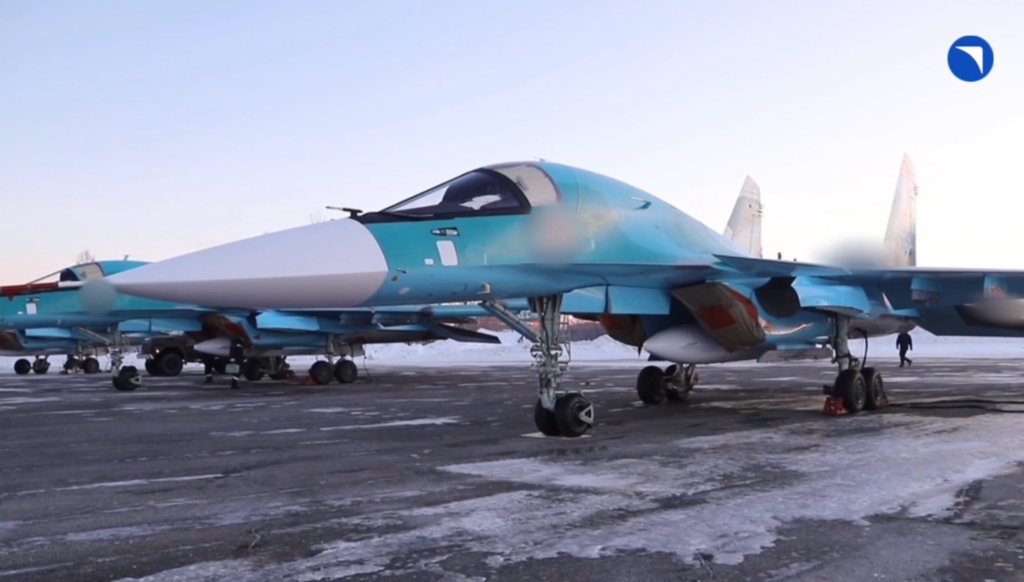
Alex Hollings from Sandboxx News analysed the relative lack of training for Russian pilots compared to their much better-funded American counterparts. This is something backed up by think-tank Rusi.
Reports, like that of Business Insider supposedly quoting Rusi in 2022, that Russia had “entered the conflict with fewer than 100 fully trained and current pilots,” are likely exaggerated or misrepresented.
Even so, in January 2025, the Voice of Ukraine reported, “Russia has lost at least 267 elite military pilots.” It is reasonable to estimate that about 35% of the Russian Air Force pilots are fast jet pilots.
Russia is reported to be training new pilots at a rate of 100-150 graduates a year, but it takes years to gain experience as a fast jet pilot.
Military trainer aircraft by country
As a very rough proxy for the structural ability of a country to train pilots, one can look at the number of trainers in service.

According to FlightGlobal, the US has 2,610 trainers, Pakistan has 563, Russia has 530, China has 401, Japan has 399, Egypt has 344, South Korea has 335, India has 334, Turkey has 301, and Taiwan has 215, with the UK following at just over 200.
While this is another indication, the type of trainers is important. Additionally, NATO air forces are heavily integrated with some fast jet training for European pilots (e.g., transitioning to the F-35) taking place in the US.
If the trainer fleet were refined to just advanced trainers, then the US has over 1,200, Pakistan 300, Russia over 300, China 250-300, Japan over 250, and India and South Korea over 200.
Featured Image: US Air Force