Which airlines have cancelled Middle East flights? The latest updates

March 6, 2026
Large parts of Middle Eastern airspace remain closed or heavily restricted, triggering widespread cancellations across the region’s major hubs. With US and Israeli military action against Iran ongoing, airlines warn schedules could remain heavily disrupted for days, even as limited operations begin to resume.
Updated analysis from aviation analytics firm Cirium suggests the scale of disruption remains severe, although there are signs that the worst of the shutdown may now be passing.
Since 28 February, more than 51,000 flights were scheduled to operate to and from the Middle East, with more than 29,000 cancellations recorded across inbound and outbound services.
Cirium estimates that, across departing flights alone, 14,555 of 25,815 scheduled services were cancelled between 28 February and 6 March, a disruption rate of 56.38%. Including both departures and arrivals, Cirium estimates more than 51,000 flights were scheduled across the region, with over 29,000 cancelled so far.
On 6 March, 3,623 flights were scheduled to depart the Middle East, with 1,567 cancelled or not operating, giving a cancellation rate of 43.25% as of 17:30 Dubai time.
Middle East flight disruption appears to be easing
There are now clearer signs that the disruption may have peaked earlier in the crisis. Cirium’s figures show cancellations were at their highest between 1 and 4 March, when around six in ten or more departing flights across the region were cancelled.
While disruption remains extensive, the 6 March figures mark a notable improvement on previous days.
| Date | Flights scheduled | Cancelled / no fly | Cancellation rate |
|---|---|---|---|
| 28 February | 3,759 | 1,395 | 37.11% |
| 1 March | 3,830 | 2,504 | 65.38% |
| 2 March | 3,584 | 2,330 | 65.01% |
| 3 March | 3,560 | 2,341 | 65.76% |
| 4 March | 3,663 | 2,238 | 61.10% |
| 5 March | 3,796 | 2,180 | 57.43% |
| 6 March | 3,623 | 1,567 | 43.25% |
Cirium notes that data coverage from Iran and the UAE remains limited, meaning some disruption may be understated. Some smaller airlines have also not formally updated their schedules, or simply did not operate flights, meaning not every affected service is immediately reflected in the published data.
Flight cancellation hotspots
The most severely affected arrival markets on 6 March were:
- Bahrain: 96.97%
- Qatar: 96.42%
- Israel: 64.84%
- Kuwait: 63.97%
- Lebanon: 62.96%
- Iraq: 55.32%
By contrast, some countries saw lower, though still notable, disruption levels:
- Saudi Arabia: 14.46%
- Oman: 10.74%
- Egypt: 9.90%
- Turkiye: 3.27%
Most disrupted airports today
The most severely disrupted airports are:
| Departure airport | Flights scheduled | Cancelled / no fly | Cancellation rate |
|---|---|---|---|
| Doha (DOH) | 335 | 334 | 99.70% |
| Bahrain (BAH) | 102 | 101 | 99.02% |
| Abu Dhabi (AUH) | 249 | 193 | 77.51% |
| Tel Aviv (TLV) | 114 | 84 | 73.68% |
| Kuwait (KWI) | 139 | 95 | 68.35% |
| Dubai (DXB) | 604 | 282 | 46.69% |
| Sharjah (SHJ) | 167 | 70 | 41.92% |
| Muscat (MCT) | 109 | 15 | 13.76% |
| Jeddah (JED) | 430 | 48 | 11.16% |
| Riyadh (RUH) | 326 | 64 | 19.63% |
Even so, some operations are beginning to return. Cirium recorded 118 departures from Dubai, 56 from Muscat and 16 from Abu Dhabi on 6 March, while Doha and Bahrain saw no outbound flights at all.
Middle East flight cancellations at a glance
| Airline | Hub / route impact | Current status | Suspension window / latest guidance |
|---|---|---|---|
| Air Canada | Dubai, Tel Aviv | Suspended | Both routes currently suspended, restart date listed as 23 March |
| Air France | Tel Aviv, Beirut, Dubai, Riyadh | Selected routes suspended | Dubai and Riyadh suspended until 10 March, Tel Aviv and Beirut until 11 March |
| Air India | Middle East network, especially UAE, Saudi Arabia, Israel, Qatar | Limited resumption underway | Some flights now resuming selectively, with operations still under daily review |
| American Airlines | Philadelphia – Doha | Temporarily suspended | No firm public restart date, airline says it is monitoring the situation |
| British Airways | Abu Dhabi, Amman, Bahrain, Doha, Dubai, Tel Aviv | Unable to operate those routes | Still not operating those services, while running extra Muscat flights where possible |
| Cathay Pacific | Dubai | Suspended | Dubai flights cancelled through 14 March |
| Delta Air Lines | Tel Aviv | Travel impacted / effectively suspended | Advisory covers travel to, from or through Tel Aviv through 31 March |
| Emirates | Dubai (DXB) | Limited flights operating | Carrier says customers should check status before travel, with advisory flexibility in place through 31 March; reports say more routes are being restored |
| Etihad Airways | Abu Dhabi (AUH) | Limited commercial schedule resumed | Resumed limited scheduled flights from 6 March to key destinations |
| Finnair | Doha, Dubai | Suspended | All Doha and Dubai flights cancelled through 29 March |
| flydubai | Dubai (DXB / DWC) | Reduced schedule in operation | Carrier says scheduled operations have resumed across the network with a reduced timetable |
| Garuda Indonesia | Doha | Suspended | Doha flights remain suspended until further notice |
| Gulf Air | Bahrain (BAH) | Flights remain suspended | Operations remain paused while Bahrain airspace stays closed, restart pending authority approval |
| Japan Airlines | Tokyo – Doha | Suspended | Tokyo–Doha flights suspended through 7 March |
| KLM | Tel Aviv, Dubai, Riyadh, Dammam | Suspensions and routing changes | Tel Aviv suspended for the rest of the winter season, Dubai, Riyadh and Dammam suspended until 8 March |
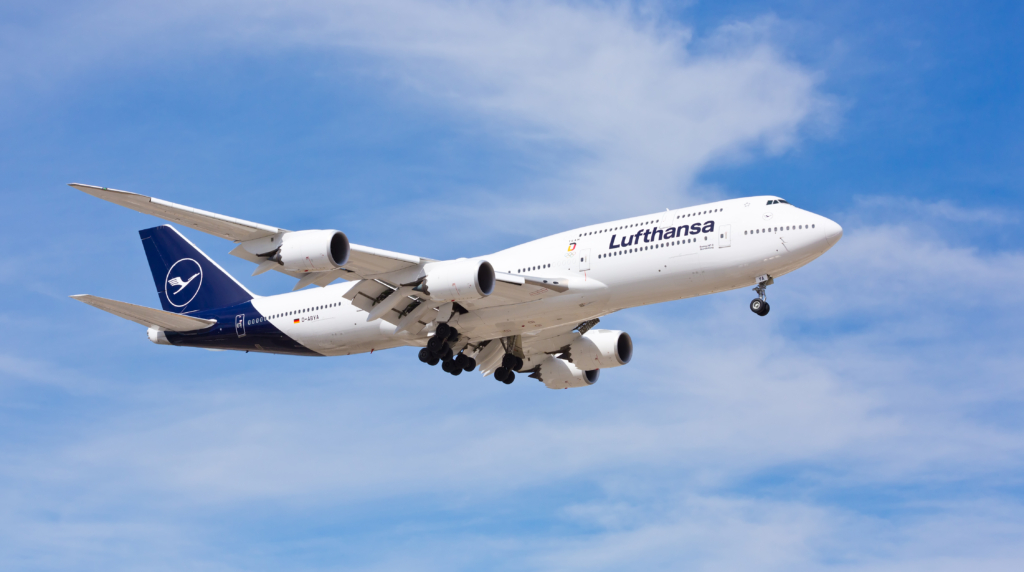
| Lufthansa Group | Dubai, Abu Dhabi, Dammam, Amman, Erbil, Tel Aviv, Beirut, Tehran | Suspended on multiple routes | Dubai, Abu Dhabi and Dammam through 10 March, Amman and Erbil through 15 March, Tel Aviv through 22 March, Beirut through 28 March, Tehran through 30 April |
| Malaysia Airlines | Doha, Jeddah, Madinah | Partial restart | Jeddah and Madinah resumed on a limited basis for 4–8 March, Doha remains suspended until 7 March |
| Norwegian | Dubai | Suspended | Dubai flights cancelled up to and including 12 March |
| Oman Air | Regional Gulf routes | Some flights operating, some cancelled | No broad new airline restart notice publicly surfaced, operations appear route dependent |
| Qatar Airways | Doha (DOH) | Scheduled operations remain suspended | Will resume only once Qatari airspace is declared safe to reopen |
| Singapore Airlines | Dubai | Suspended | Dubai flights cancelled until 15 March |
| Scoot | Regional Middle East services | Some disruption remains | Latest clear carrier-wide update was not easy to verify publicly today, check route status individually |
| Turkish Airlines | Multiple Middle East destinations | Extensive cancellations continue | Turkey has extended cancellations to several Middle East markets, with some suspensions now running to 9 March and Iran flights longer |
Middle East airline cancellations
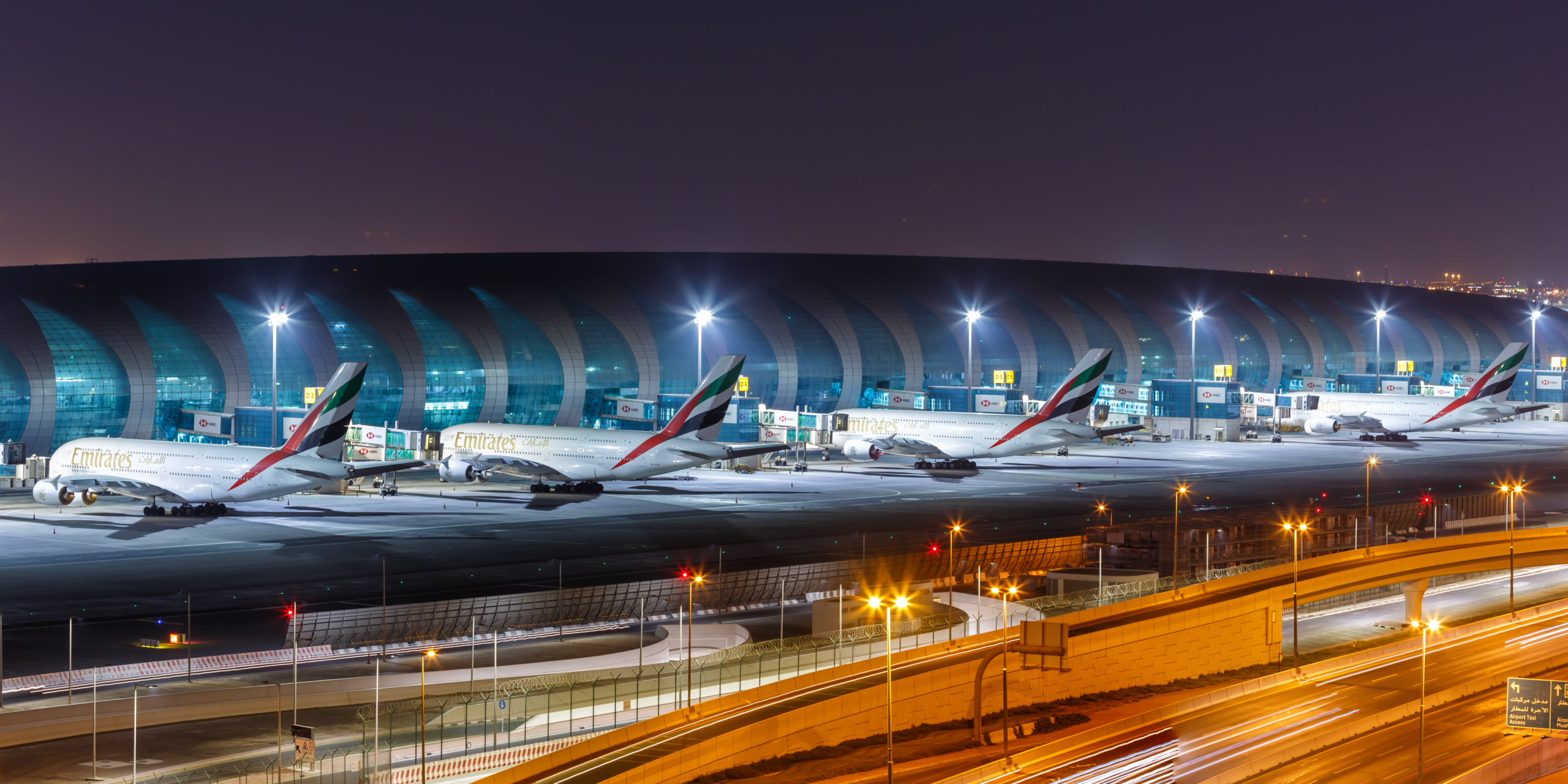
Large sections of Middle Eastern airspace remain either closed or subject to tight military restrictions following weekend strikes on Iran, forcing Gulf hubs including Dubai, Doha and Abu Dhabi to suspend or drastically reduce operations for a fourth consecutive day.
Here is how the region’s main carriers are responding.
Emirates
Emirates is now operating a reduced flight schedule from Dubai rather than only ad hoc or repatriation flights. The airline says customers should check flight status before travelling, while broader reporting indicates it is aiming to restore its full Dubai network within days if conditions continue to improve.
flydubai
flydubai has resumed operations across its network with a reduced schedule. The airline says it is continuously updating its timetable and adding flights as airspace restrictions are lifted.
Qatar Airways
Qatar Airways says its scheduled flight operations remain temporarily suspended because of the closure of Qatari airspace. The airline says it will resume operations only once the Qatar Civil Aviation Authority announces that the airspace can safely reopen.

Etihad Airways
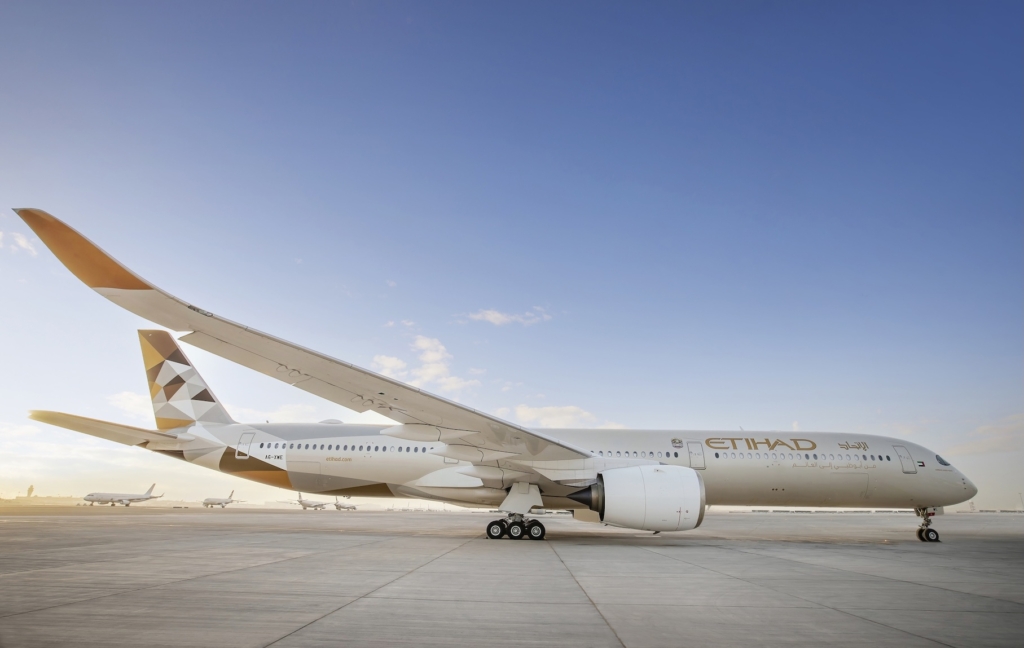
Etihad said it would resume a limited commercial flight schedule from 6 March, operating between Abu Dhabi and a number of key destinations, while all other scheduled commercial services remain suspended for now.
Gulf Air
Gulf Air has confirmed that all flights remain temporarily suspended due to regional airspace closures, pending clearance from Bahraini authorities.
In a statement, the airline said, “Gulf Air continues to monitor developments in coordination with the relevant authorities. Safety is always our highest priority and we will only operate flights through approved airspace when it is safe to do so.”
Oman Air
Oman Air has cancelled several regional routes in the coming days, although some services continue to operate as scheduled.
International airlines cancelling flights to the Middle East
With large sections of Middle Eastern airspace either closed or heavily restricted, overseas airlines have moved quickly to suspend services across the region, affecting hundreds of thousands of passengers and severing key long-haul connections via Gulf hubs.
European airline cancellations
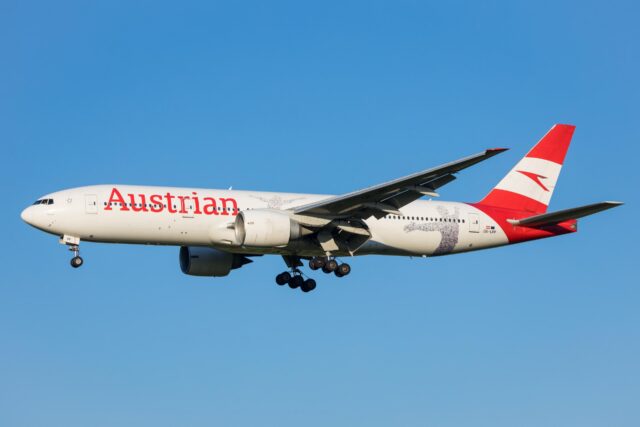
Air France – KLM Group: Air France has extended suspensions on Dubai and Riyadh until 10 March, and Tel Aviv and Beirut until 11 March. KLM has suspended Tel Aviv for the rest of the winter season, while Dubai, Riyadh and Dammam remain suspended until 8 March.
British Airways: BA says it remains unable to operate flights from Abu Dhabi, Amman, Bahrain, Doha, Dubai and Tel Aviv. At the same time, it has added extra Muscat flights to help disrupted passengers leave the region
Wizz Air: Wizz Air has extended suspensions to Israel, the UAE and Jordan until 15 March, while Saudi Arabia flights are currently due to resume from 8 March.
Finnair: Finnair says all flights to and from Doha and Dubai are cancelled through 29 March 2026.
Norwegian: Norwegian says it has temporarily cancelled all flights to and from Dubai up to and including 12 March 2026.
North American airline cancellations
Delta Air Lines has cancelled New York–Tel Aviv services through 31 March.
American Airlines‘ Doha–Philadelphia route remains ‘temporarily suspended’ with no fixed restart date indicated.
Air Canada has extended its cancellations through to 23 March for both its Tel Aviv and Dubai services.
Asia-Pacific airline cancellations
Air India has started to resume some flights selectively, but operations remain under daily review.
Garuda Indonesia has temporarily suspended Doha services until further notice.
Singapore Airlines has cancelled Dubai flights through 15 March. Its subsidiary Scoot has suspended Jeddah flights on 7, 9 and 10 March.

Malaysia Airlines has suspended Doha until 7 March, but has resumed limited flights to Jeddah and Madinah.
Japan Airlines has suspended Tokyo–Doha services with no restart date.
Cathay Pacific said it had cancelled all of its flights to and from Dubai and Riyadh through to 14 March.
When will Middle East flights return to normal?
For now, there is still no firm timeline for a full return to normal operations across the Middle East aviation network.
Airspace closures across parts of the Gulf and wider region remain under constant review, and any broader reopening will depend on security assessments and assurances that commercial flights can operate safely. Even once authorities give the green light, insurers may take a more cautious stance, potentially slowing the resumption of some routes, particularly into higher-risk areas.
However, there are early signs that the region’s aviation system is beginning to stabilise.
Several Gulf carriers have already started cautiously rebuilding operations. Etihad Airways has resumed a limited commercial schedule from Abu Dhabi, while Emirates and flydubai are operating reduced networks from Dubai. At the same time, some airports, including Muscat and Dubai, have begun seeing a steady flow of departures again, even though other hubs such as Doha and Bahrain remain largely shut.
This uneven restart reflects the complexity of restoring a tightly interconnected hub network.
Restarting services will not be immediate. Aircraft are currently out of position across multiple continents, crews are displaced, and carefully coordinated hub schedules have been broken. Major connecting carriers such as Emirates, Qatar Airways and Etihad Airways rely on tightly timed banks of arrivals and departures to move passengers between long-haul flights. Rebuilding those rotations, repositioning aircraft and clearing the backlog of stranded travellers will take time.
As a result, even where airspace restrictions begin to ease, normal schedules are unlikely to return overnight. Airlines may first restore key intercontinental routes and cargo services before gradually rebuilding their wider regional and connecting networks.
While region-wide airspace shutdowns are rare, they are not without precedent. In April 2010, the eruption of Iceland’s Eyjafjallajökull volcano closed UK and European airspace for eight days, grounding thousands of flights. As it was then, the lifting of restrictions will mark the start of recovery, not the end of disruption.
Featured image: Nigel Harris / stock.adobe.com