500 Lufthansa passengers forced to sleep on aircraft overnight amid heavy snow in Munich

February 23, 2026
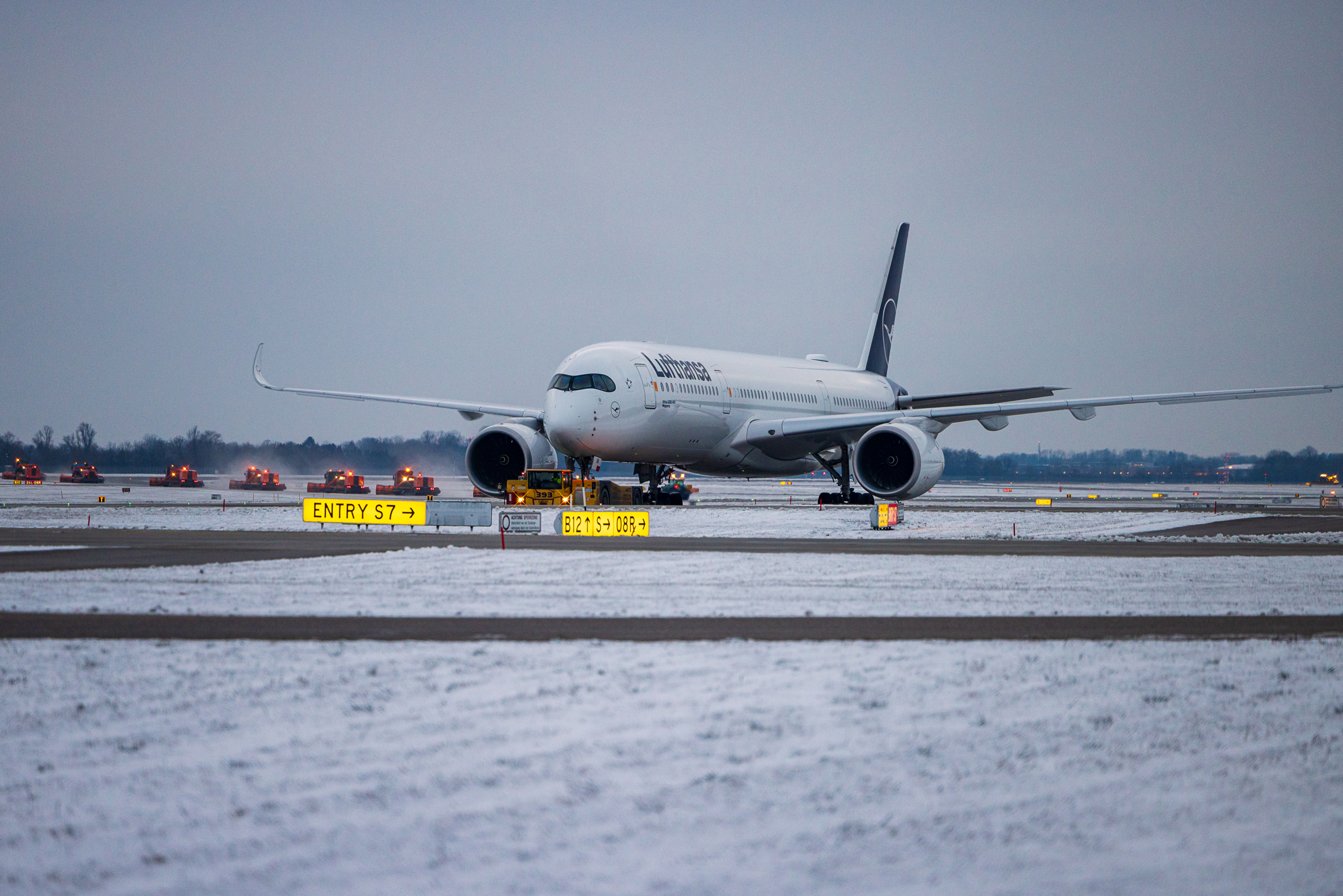
Enquiries have begun after it was reported that around 500 Lufthansa Group passengers were left to sleep on aircraft overnight at Munich Airport (MUC). The travellers were left stranded on their aircraft after their flights were heavily delayed by snow, and the airport was later closed, leaving them to spend several uncomfortable hours on their aircraft until they could be released the following morning.
Lufthansa passengers spend the night on aircraft at Munich Airport
The incident began to unfold on the morning of 19 February as Munich Airport was blanketed in heavy snow. With snowfall continuing throughout the day, airport authorities battled to get as many flights away as possible, despite the adverse conditions. However, multiple delays occurred, with over 100 departing flights being cancelled altogether.
By late evening, there were still five flights to depart – three operated by Lufthansa, and two by Air Dolomiti, a Lufthansa Group subsidiary.
Normally, Munich Airport operates a nighttime curfew from midnight, but it had allowed these five services special dispensation so that they could depart. The curfew was extended to 01:00 in an attempt to clear the final departures of the day.
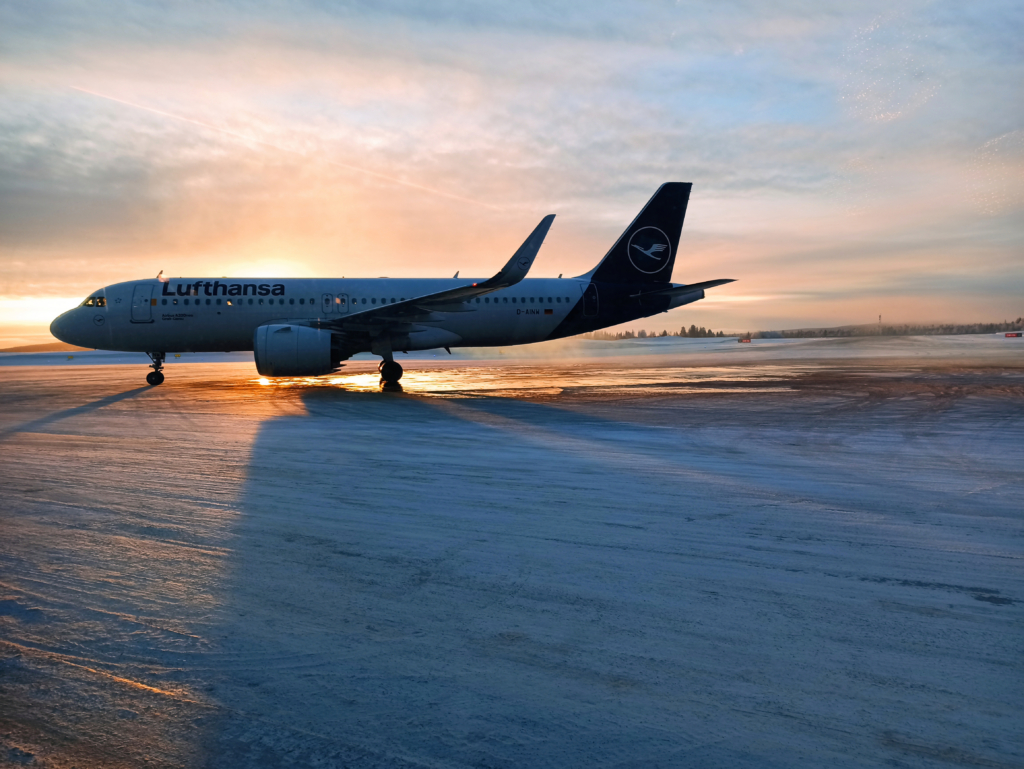
With the extended curfew, passengers boarded the five affected flights, while the crews prepared for departure. The flights were all parked on remote stands at the airport, away from the main terminal building, with the passengers transferred to the aircraft by bus.
However, the deteriorating weather meant the airport was unable to allow the flights to take off, despite around 500 passengers already loaded.
The aircraft involved in the chaos were :
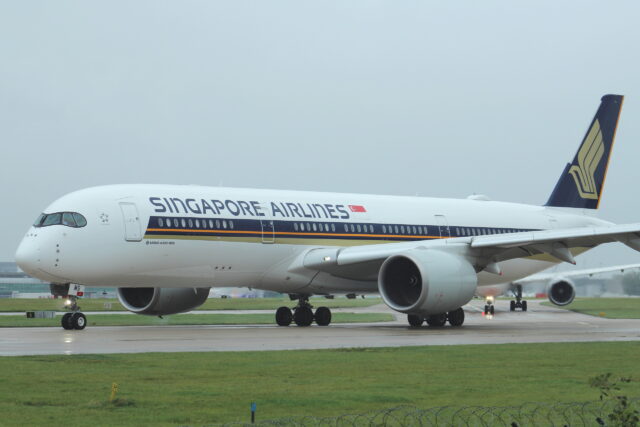
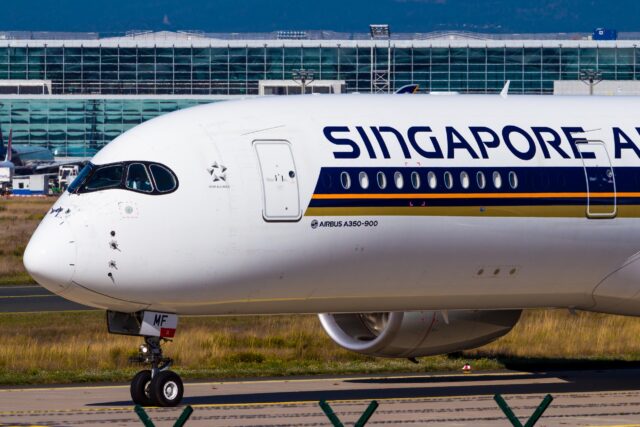
- LH768 Munich to Singapore (Airbus A350-900)
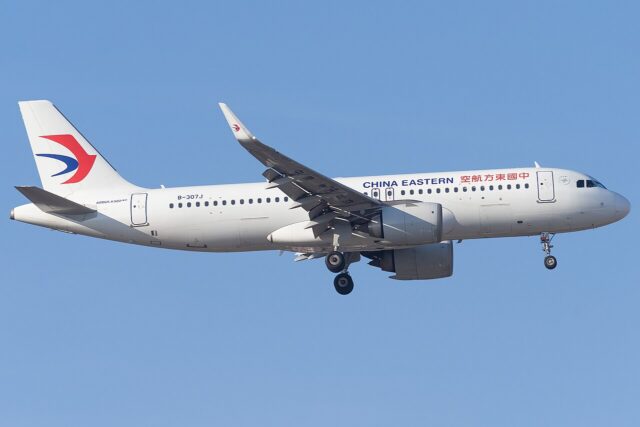
- LH2446 Munich to Copenhagen (Airbus A320neo)
- LH1646 Munich to Gdansk (Airbus A320ceo)
- EN8016 Munich to Graz (Embraer ERJ-195 operated by Air Dolomiti)
- EN8206 Munich to Venice (Embraer ERJ-195 operated by Air Dolomiti)
Lufthansa’s passengers could not return to the airport terminal
According to Munich Airport, the five aircraft were unable to access the terminal due to a lack of available parking stands and a further lack of available buses to transport the passengers back to the terminal building.
As reported by One Mile at a Time, at around 02:00, the passengers were told that the airport bus drivers had all left for the night and that there were no other ways available to return them to the terminal. As a result, they would all have to remain on the aircraft until the bus drivers returned on duty the following morning.
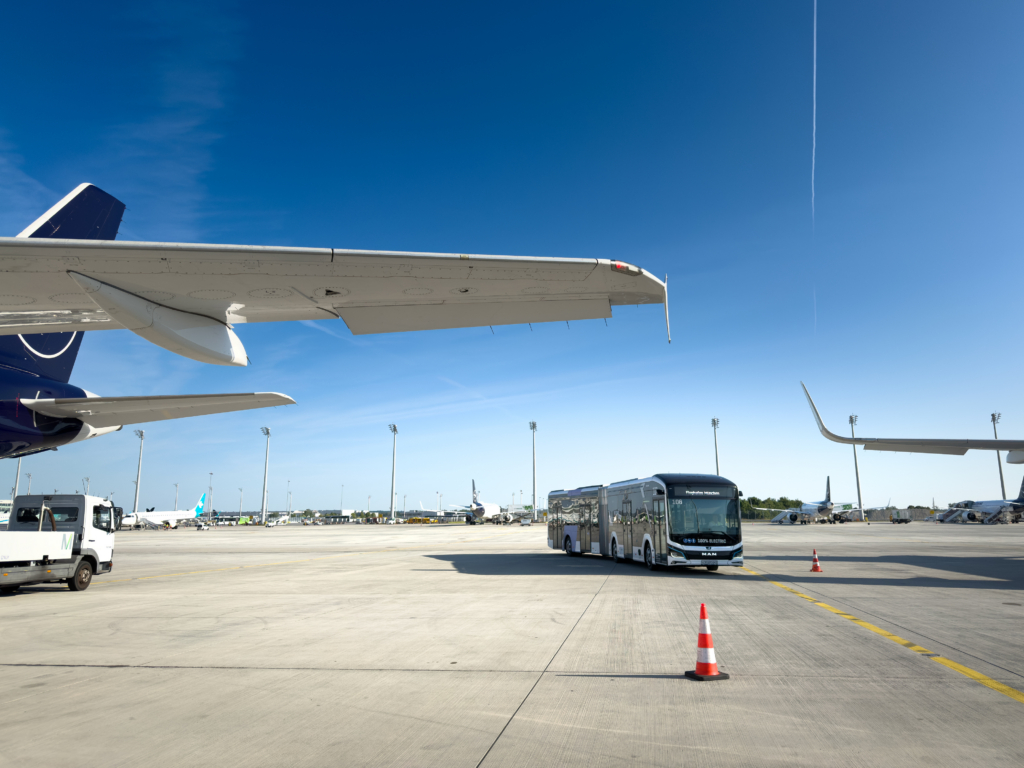
A Lufthansa spokesperson told RTL.de, “According to airport regulations, the aircraft had to return to an off-airport parking position. Parking at the terminal building was not possible. Due to an insufficient number of apron buses provided by FMG (Munich Airport), the passengers were initially unable to disembark.”
“The crews kept the passengers informed and provided them with drinks and food that were available on board as best they could,” Lufthansa added. “Only after several hours were the passengers able to be picked up by the buses and thus leave the aircraft. ”
Passengers finally allowed off the planes the next morning
At some point early the following morning (the exact timings remaining unclear), passengers were driven back to the terminal and were rebooked onto other flights to their destinations.
Lufthansa added that buses to pick up passengers only started running again in the early morning, adding that the airport itself was responsible for organising the buses. “We deeply regret any inconvenience caused,” a spokesperson for Munich Airport added.
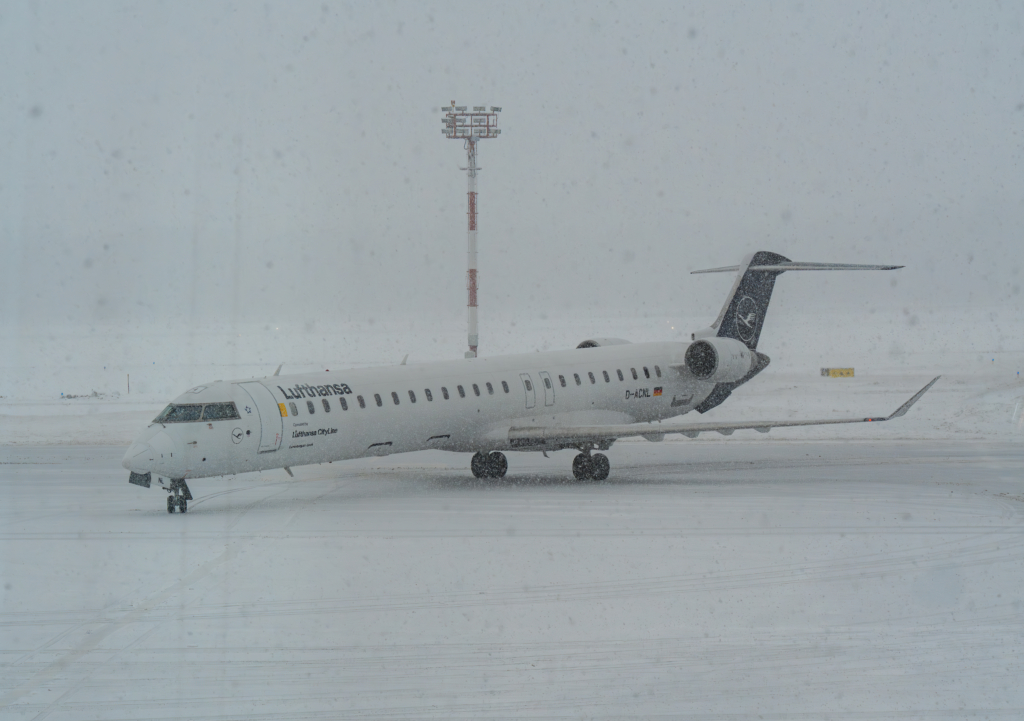
With Lufthansa and Munich Airport under scrutiny for forcing passengers to spend several hours overnight on aircraft, questions will be raised as to how this situation could transpire on one of the coldest, snowiest nights of the year at Europe’s leading airports.
While the curfew did not help, the communications between the airport and the airlines will be key to understanding why passengers were allowed to board the five flights late at night, albeit with the worsening weather conditions.
European airports are struggling with snow this winter
While European airports are generally well-versed at dealing with adverse weather conditions, particularly in the winter months, this latest incident is not the first time that a European airport has been caught out by snow this winter.
During the first week of January, Amsterdam Schiphol Airport, the Netherlands’ main airport and one of Europe’s busiest hubs, was engulfed in severe travel disruption for six straight days. Heavy snowfall, strong winds, and freezing conditions disrupted airport operations, resulting in thousands of flight cancellations and delays.
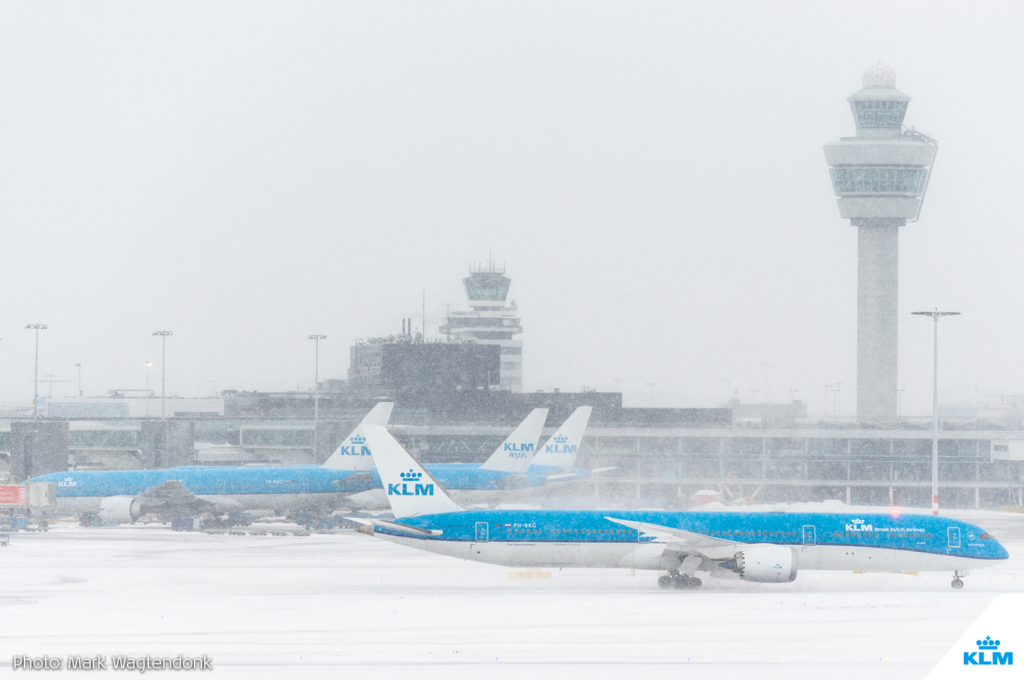
Over the affected week, airlines including Dutch flag carrier KLM, which is based at Schiphol, were forced to cancel hundreds of flights daily, with more than 700 flights being cancelled on the worst-affected day.
As Reuters reported, severe weather also strained deicing operations at the airport. At the peak of the disruption, KLM was deicing aircraft continuously, using approximately 85,000 litres of fluid per day, leading to supplies running critically low. While the airline refused to state whether its current stock would run out, it sent staff to its German supplier to procure additional deicing fluid.
Featured image: Ardan Fuessmann / stock.adobe.com