Low-cost vs full-service? On short-haul, airlines say the divide is ‘disappearing’

September 26, 2025
The distinction between low-cost carriers and full-service airlines is blurring in the short-haul market, airline executives told Routes World 2025 in Hong Kong this week.
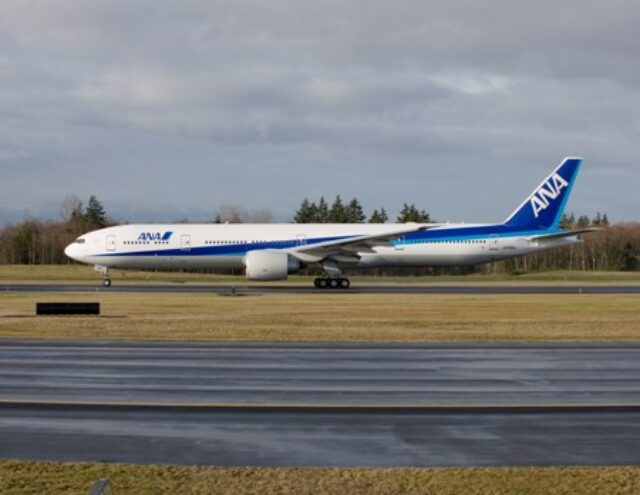
Shinji Nishio, senior director of airline corporate strategy at Japan Airlines, said the economics of short flights and fierce competition in the sector are forcing traditional airlines to look more like their low-cost rivals.
“In the short haul market for Japan Airlines, it is very difficult to make a route profitable with lower density aeroplanes. That is why I think the line between full service carriers and low cost carriers will be very vague in the future,” he said.
Fierce rivalry between LCCs and full service carriers
The admission reflects a broader trend in the airline industry. Many full-service carriers now unbundle fares on regional routes, charging separately for meals, baggage and seat selection.
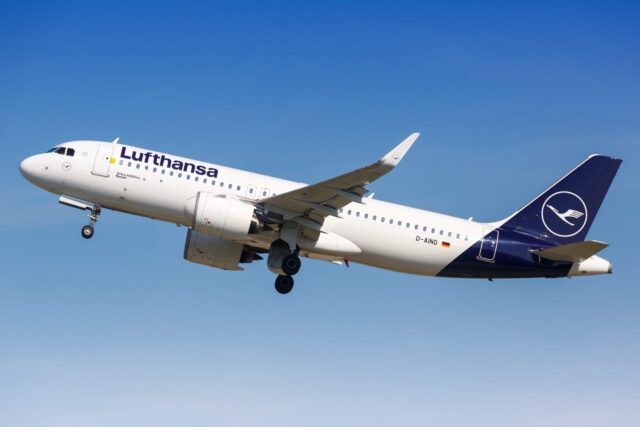
Lufthansa, British Airways and Air France-KLM have all introduced stripped-down economy fares in Europe.
The end result is a short-haul product that often looks almost identical to that offered by low-cost competitors.
JAL itself offers its own Economy Special, Economy Semi-Flex and Economy Flex fares providing different options and levels of service.

Valeria Rebasti, international market director at European low cost operator Volotea, said the shift has already happened.
“The line between LCC and full service carriers has become very thin,” she said at the Routes World event.
Economics forcing a changing business model
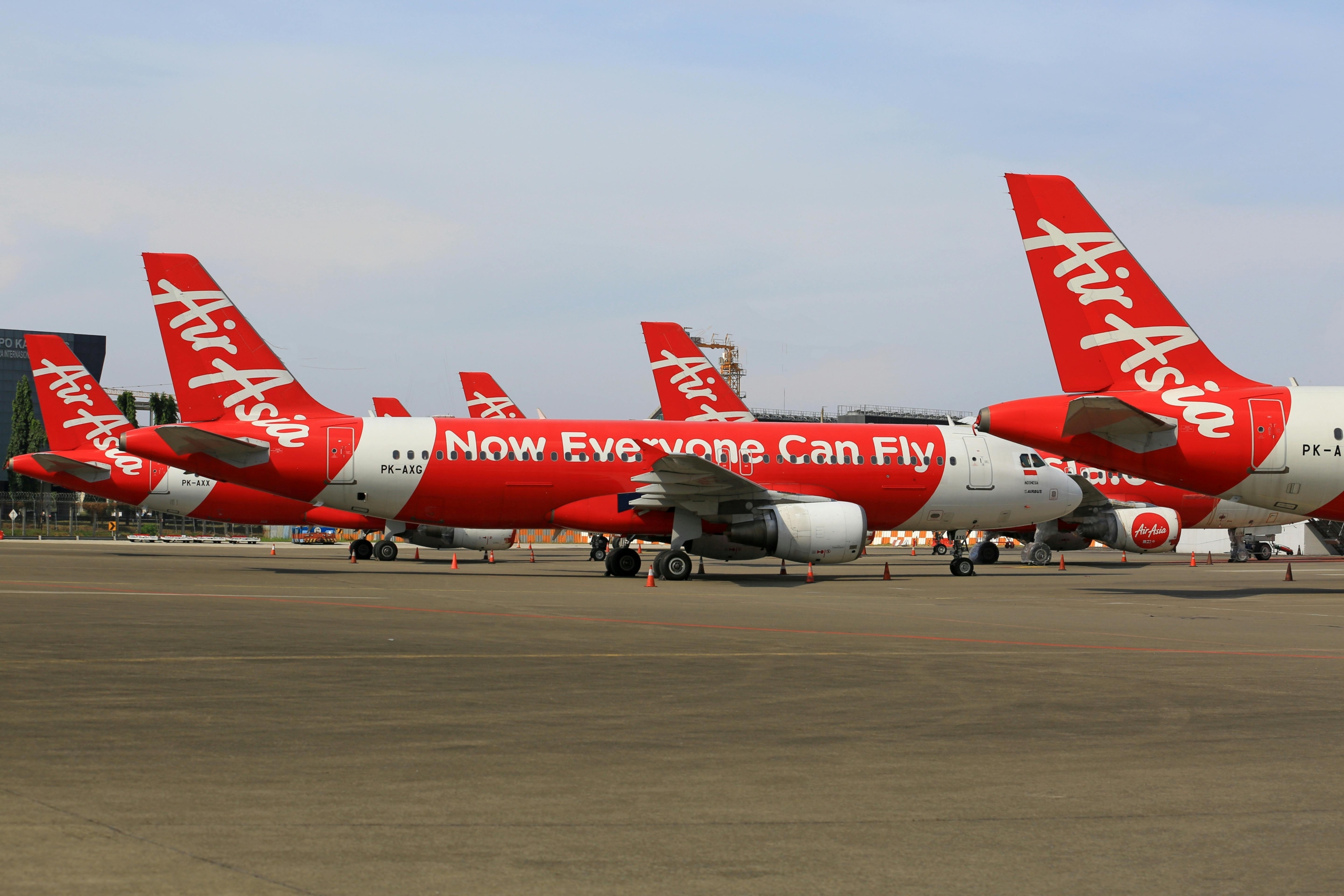
Meanwhile, low-cost carriers are moving the other way to capture a new passenger segment. Ryanair, easyJet and AirAsia now target business passengers with flexible fares, bundled ancillaries and corporate partnerships.
The move toward convergence has been driven by economics as much as customer demand to only pay for the services used.
Margins on short-haul routes are tight, leaving airlines dependent on ancillary revenue.
In the battle for bookings, full service airlines are often competing with very low fares on the same or similar routes.
According to industry data, fees for baggage, food and seat selection now make up a significant share of income even for traditional flag-carriers.
IAG, for example, generates hundreds of millions of pounds a year from ancillary revenues.
Nishio said the problem was relevant to Japan, where short domestic flights are hard to sustain with larger, less dense aircraft.
That reality is pushing carriers like JAL to acknowledge the challenges of competing directly with low-cost rivals on price, and how they must instead must adopt a hybrid approach to address the new reality.
“The line between full service carriers and low cost carriers will almost disappear, especially in the short haul market,” he said.