Inside London Heathrow Airport’s £1.3bn upgrade: Terminals, baggage and AI

December 25, 2025

London Heathrow Airport has unveiled plans to invest £1.3 billion in a major infrastructure upgrade in 2026, aiming to enhance everything from parking to baggage handling.
The investment, part of the airport’s ongoing multi-year capital plan, will focus on terminal modernisation, baggage handling, ground operations technology, and passenger accessibility. The work will not expand Heathrow’s footprint or capacity.
Where the money goes: Modernising Heathrow’s Terminal 4
The programme’s centrepiece is a modernisation of Terminal 4.
While the terminal itself will continue to operate during construction, work will focus on reconfiguring check-in areas and providing a new multi-storey car park adjacent to the terminal.
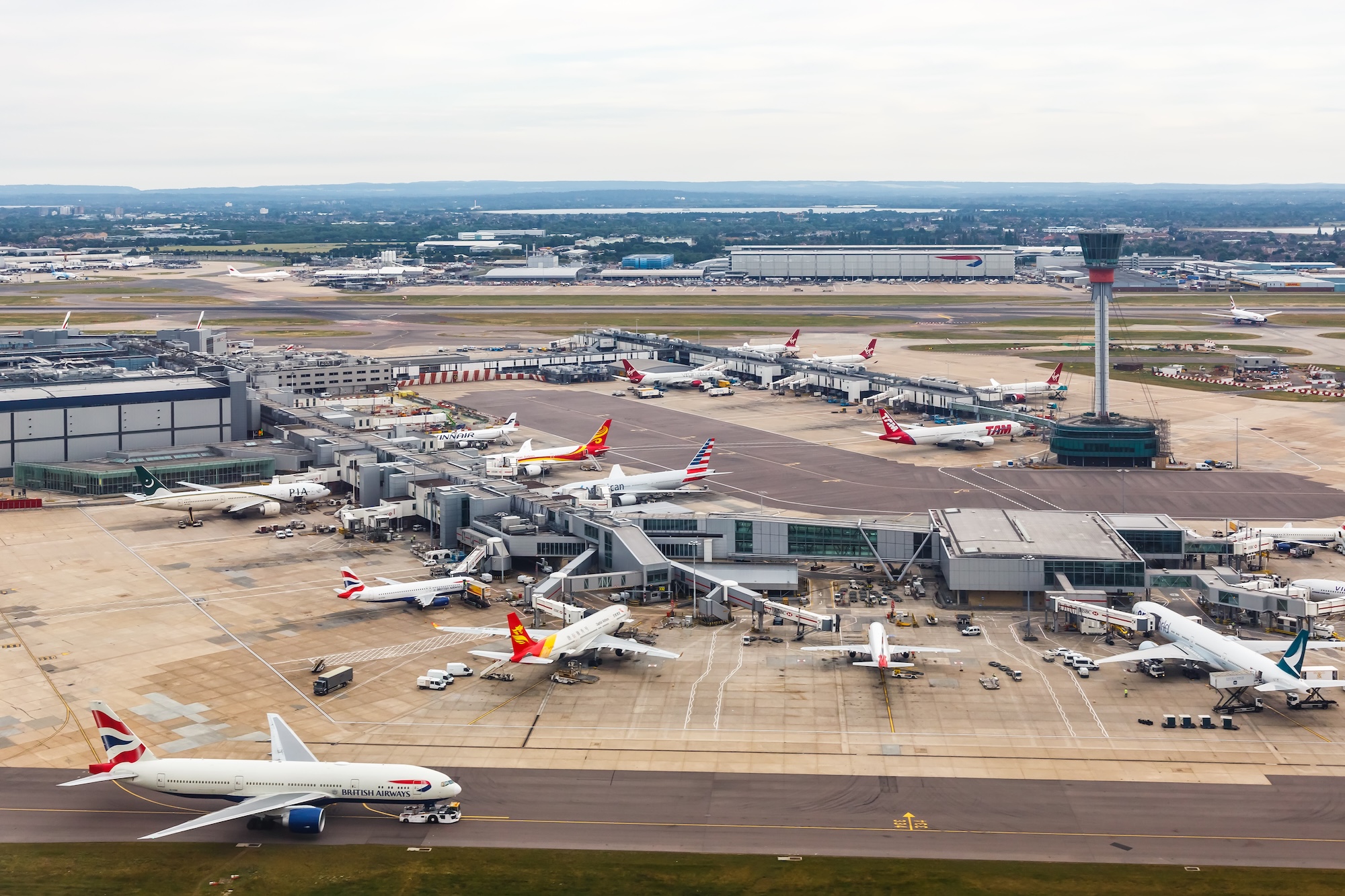
Heathrow says the revised layout is intended to streamline the passenger journey from arrival through check-in to security, and to better accommodate the mix of self-service kiosks, bag-drop points and staffed counters.
The car park, built to current travel patterns, will increase capacity and improve landside access for passengers and airport users.
Fixing baggage bottlenecks in Terminal 2
Behind the scenes, Terminal 2 is also set for transformative change with the construction of a dedicated baggage handling system capable of processing up to 31,000 bags per day.
Heathrow has cited mishandled baggage and inefficient connections as persistent problem areas, and the new system is intended to tackle this by more effectively sorting and routing luggage.
By centralising and automating these functions, the airport expects to improve reliability on flight connections for passengers changing between terminals.
Heathrow plans to use AI to speed up aircraft turnarounds
Alongside these upgrades, Heathrow is investing in technology that promises to streamline ground operations, with a network of cameras and artificial intelligence-driven monitoring tools on aircraft stands.
The system will be deployed across all terminal stands by late 2026, Heathrow has pledged, and is designed to capture real-time data on aircraft turnarounds.
This will allow airlines, handlers and airport operators to track progress and identify delays or bottlenecks as they happen.
The camera network builds on existing work between Heathrow and specialist technology providers that use computer vision and AI to improve ground processes.
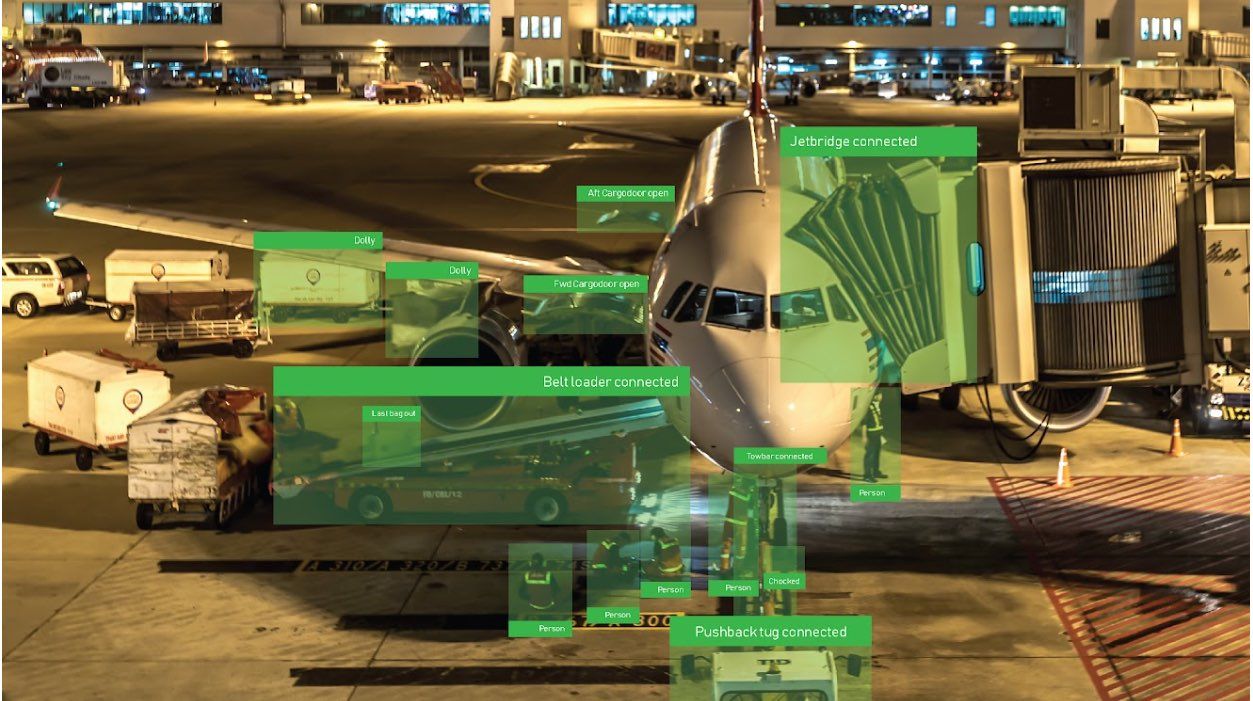
The technology is understood to be Assaia, a Swiss-based specialist in AI and computer-vision systems for airports, which has developed an ApronAI platform to bring real-time transparency to the turnaround process.
Using cameras positioned around the stand, aerobridge and apron, the software analyses live video and operational data to track every milestone, from chocks on to pushback, and predict the exact moment an aircraft will be ready to depart.
The platform also supports alerts when tasks slip, visual dashboards for ground handlers and airlines, and integration into collaborative decision-making (A-CDM) workflows.
At Munich Airport, for example, the system is tasked with predicting milestone delays and helping operations teams intervene proactively.
Employing technology to enhance the Heathrow experience
Proponents argue that this kind of real-time data is especially valuable at busy hubs like Heathrow, where ground movements are among the most complex elements of the entire airport operation.
By capturing and analysing detailed turnaround metrics, the technology helps airlines and handlers coordinate tasks more precisely.
The 2026 investment unveiled by Heathrow also encompasses enhancements for passengers with accessibility needs, including a purpose-built assistance area in Terminal 2 that offers dedicated access to security screening – an initiative Heathrow says will improve flow and comfort for travellers who require additional support.
Additional mobility equipment and upgrades across assistance zones aim to make the airport environment more inclusive, while the introduction of a personalised travel guide tool will allow users to receive step-by-step navigation guidance tailored to their individual itinerary and requirements.
A new Heathrow: More user-friendly, more efficient and more resilient
Heathrow CEO Thomas Woldbye said the investment is intended to deliver tangible improvements for passengers, building on what the airport describes as a stronger operational performance in 2025.
According to Heathrow, the airport has been Europe’s most punctual hub this year, with almost 99% of bags travelling on their intended flights and 97% of security queue times kept below five minutes. From January, all passengers across Heathrow’s four terminals are also set to benefit from next-generation security screening.
Woldbye said the 2026 programme would make Heathrow “more user-friendly, more efficient and more resilient”, adding that the investment would also support the airport’s nationwide supply chain and contribute to economic growth.
The announcement is part of Heathrow’s current five-year investment programme, known as H7.
It is separate from moves to build a third runway at Heathrow, which the airport hopes will be operational in a decade.

Plans for that project and for investment during the next five-year investment period from 2027-31 (H8) depend on the government and CAA putting in place the necessary policy and regulatory frameworks to deliver them successfully, Heathrow has said.
Featured image: Heathrow