London City Airport seeks CAA approval for Airbus A320neo flights

March 3, 2026
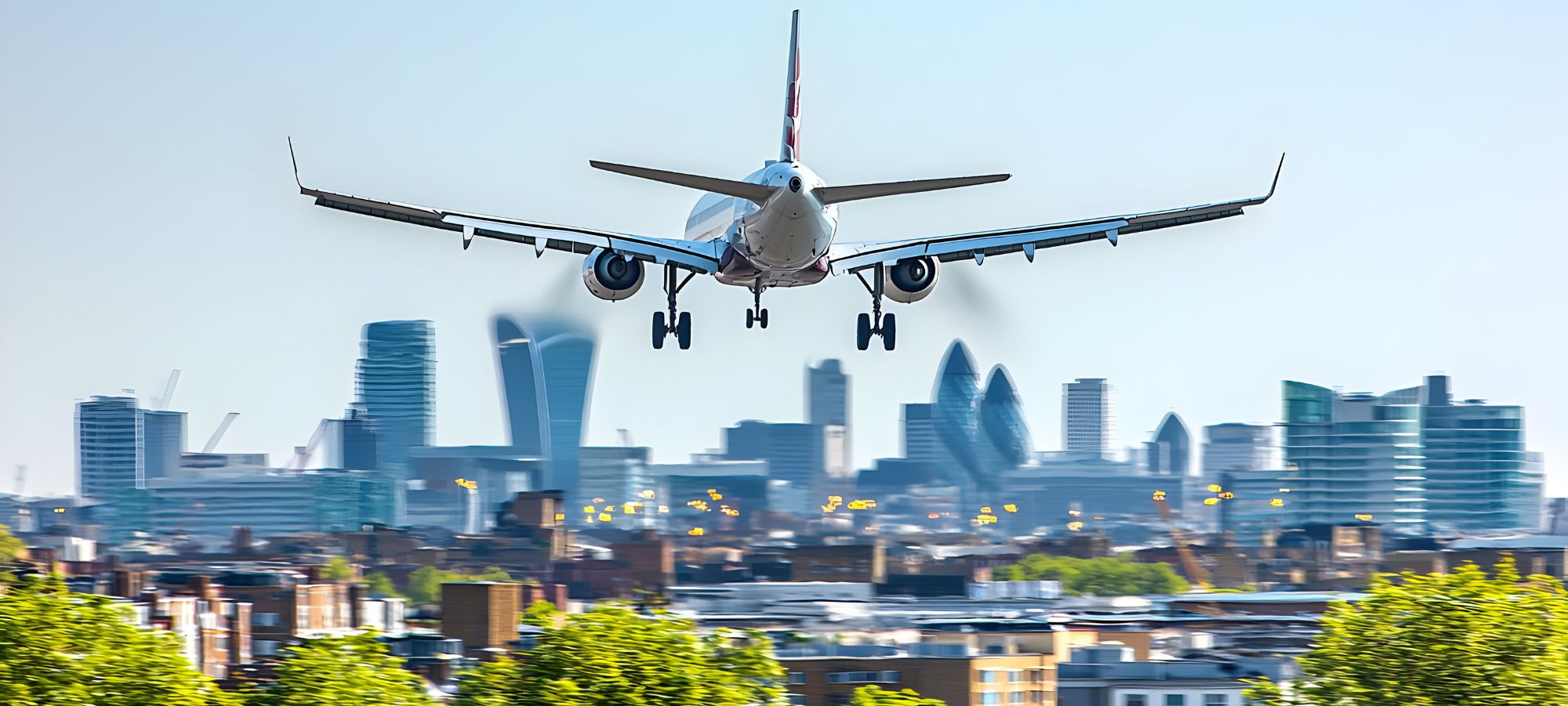
London City Airport (LCY) has officially launched a consultation process which could see the Airbus A320neo being added to the list of aircraft certified to use the facility.
The process seeks approval from the United Kingdom’s Civil Aviation Authority (CAA) for changes by January 2027, which would allow longer routes with larger passenger loads to be operated from the airport.
London City Airport seeks CAA approval for Airbus A320neo flights
In the consultation process that London City Airport launched on 2 March, the airport outlined its aim to achieve approval for a shallower descent profile on both runways, which could permit the commencement of Airbus A320neo operations at the airport.
According to the airport, the current airspace design surrounding London City is characterised by steep Instrument Landing System (ILS) approach and departure procedures due to its built-up urban location, its proximity to restricted airspace and to London Heathrow Airport (LHR).
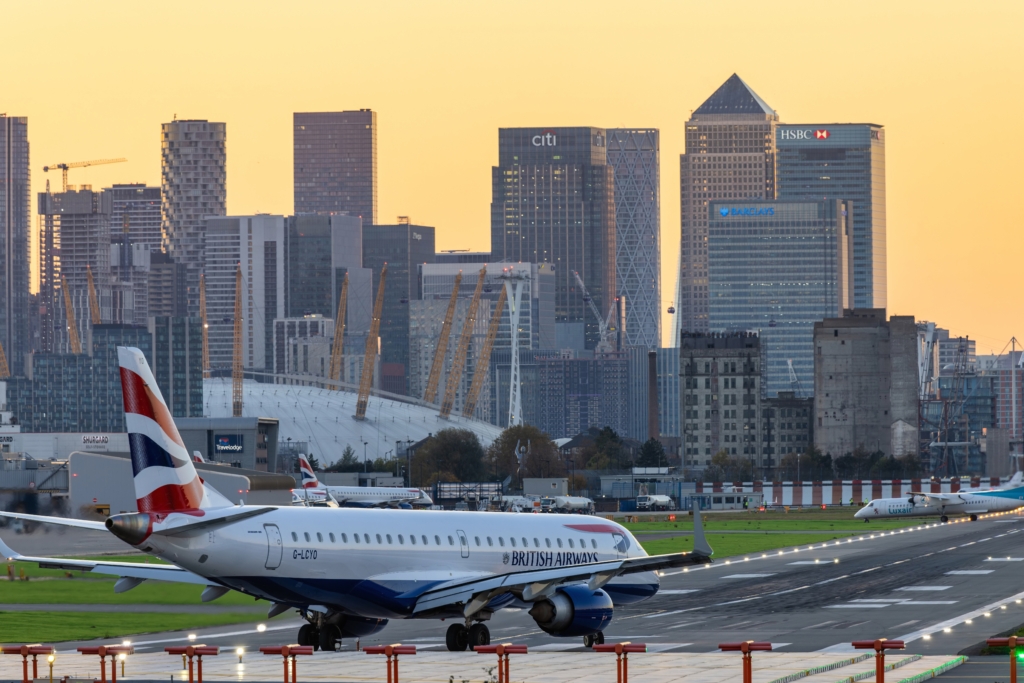
Because of this steeper-than-normal approach profile, set at a 5.5-degree angle, any aircraft operating at the airport has to be specially certified as being permitted to operate safely using such angles. This 5.5-degree angle is significantly steeper than the standard 3-degree approaches at most airports, due to the obstacle-rich environment and tall buildings, particularly to the west of the airport.
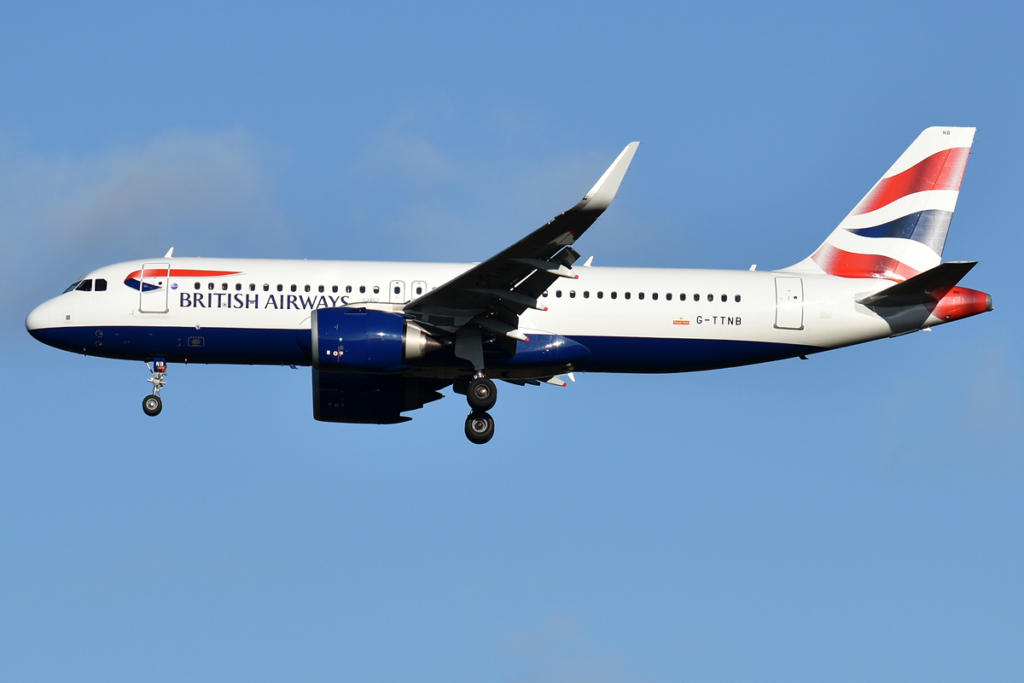
As the certification process to permit a 5-5 degree approach angle is stringent, many modern aircraft types, including the Airbus A320neo, are currently prohibited from operating to and from the airfield.
While the smaller A318 has operated into London City previously (by British Airways), its larger stablemate does not currently meet the certification requirements due to its inability to operate using the 5-5 degree approach angle.
How RNP-AR procedures could allow A320neo operations at London City Airport
As per a statement issued by London City Airport on 2 March, the objective of the consultation is to introduce Required Navigation Performance-Authorisation Required (RNP-AR) approach procedures.
These involve a high-precision, GPS-based instrument approach procedure, which allows aircraft to fly complex, curved paths into challenging airports (such as LCY) or those in mountainous regions.
It requires both the specialised training of air crews and stringent operational authorisation due to tighter accuracy standards (0.3 nautical mile to 0.1 nautical mile) compared to standard RNP procedures.
The use of an even higher standard of satellite-based navigational accuracy than the current procedures means that less stringent obstacle clearance requirements prevail. This allows for shallower approaches (such as 3-degree approaches) to be introduced for authorised aircraft while still maintaining safe distances above obstacles on the designated approach paths.
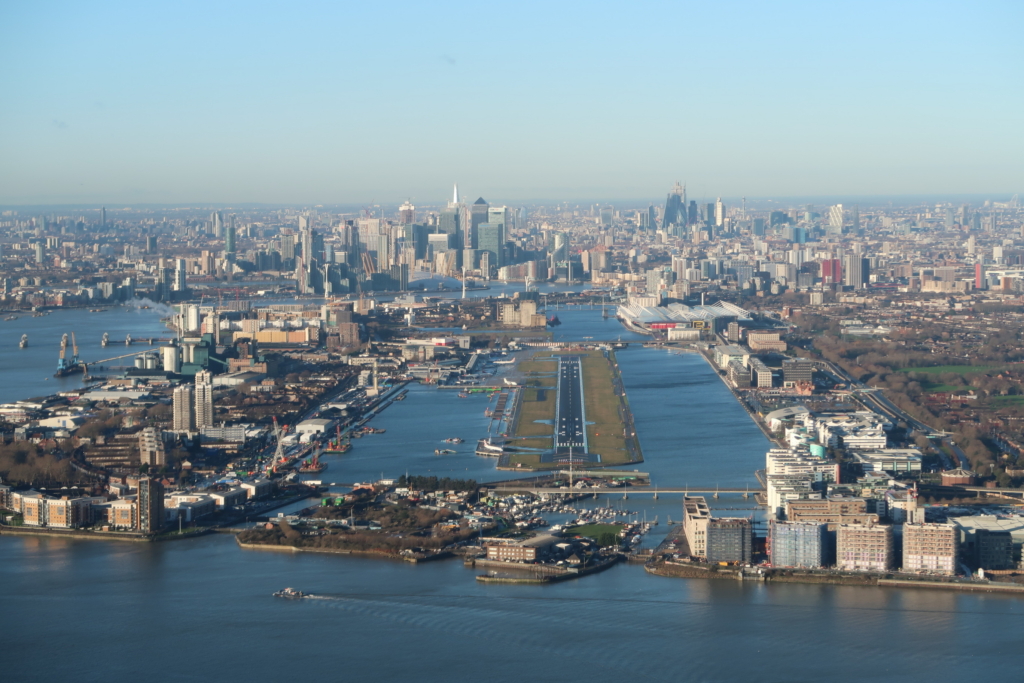
It should be noted that the only change relates to the vertical profile in the final few kilometres before landing, and no lateral changes.
According to the airport, these approach paths will closely match the current tracks over the ground flown by arriving aircraft to not expand the airport’s current noise footprint. However, they would allow for standard approach angles below 5.5 degrees to be used, which do not require steep-approach certifications.
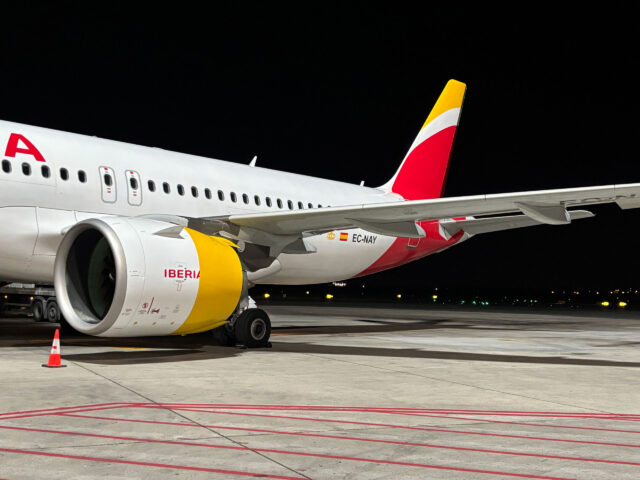
“This will enable the introduction of cleaner, quieter, new-generation aircraft at the airport, with a shallower descent profile on final approach,” said an airport statement. “We expect the Airbus A320neo to be the main user of these additional instrument flight procedures. It is of similar length and wingspan as the Embraer E195-E2s which use LCY daily; it has a wider fuselage and can carry more passengers.”
What Airbus A320neo flights would mean for London City Airport
The airport wishes to see larger aircraft using its facilities, as these equate to higher revenues for an airport owner. Larger aircraft and more passengers can mean higher landing, parking and passenger fees, while more passengers passing through the terminal increase revenue-earning opportunities for food/beverage outlets and shopping facilities.
Another advantage is that, as larger aircraft still only use one landing slot and parking stand, the incremental cost to an airport of larger aircraft is minimal.
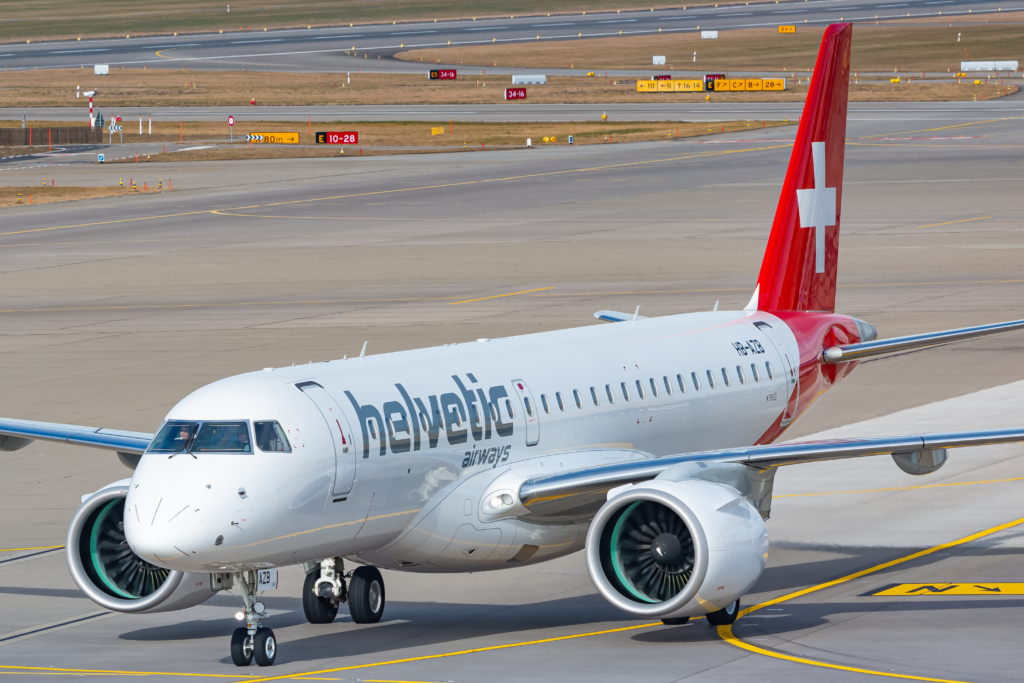
Currently, the largest aircraft that uses the airport is Helvetic Airways’ Embraer E195-E2 aircraft that flies daily to both Geneva and Zurich in Switzerland. These aircraft seat 134 passengers in a single-class configuration. Although an Airbus A320neo can accommodate up to 180 passengers in a single-class layout, the type may suffer from weight penalties, given the runway length at London City is just 1,508 metres (4,948 ft).
Notwithstanding this, if certified, the A320neo would be the largest aircraft to ever operate at the airport since its opening in 1987.
The airport said that its existing steep approach limits the types of aircraft able to serve the airport. Allowing new‑generation aircraft with greater capacity and improved fuel efficiency to operate at London City would enable the airport to accommodate passenger growth with slower growth in the overall number of flights.
Environmental and noise impact of Airbus A320neo at London City Airport
According to an airport statement, if use of the A320neo is approved, the airport could potentially have 76,500 fewer flights over the next 12 years but could handle 14 million additional passengers due to the A320neo’s larger capacity.
The airport argues that the approval would allow the airport to “move faster towards our planning limit of nine million passengers per year, increasing the business and leisure opportunities for the city and benefiting economic growth.”
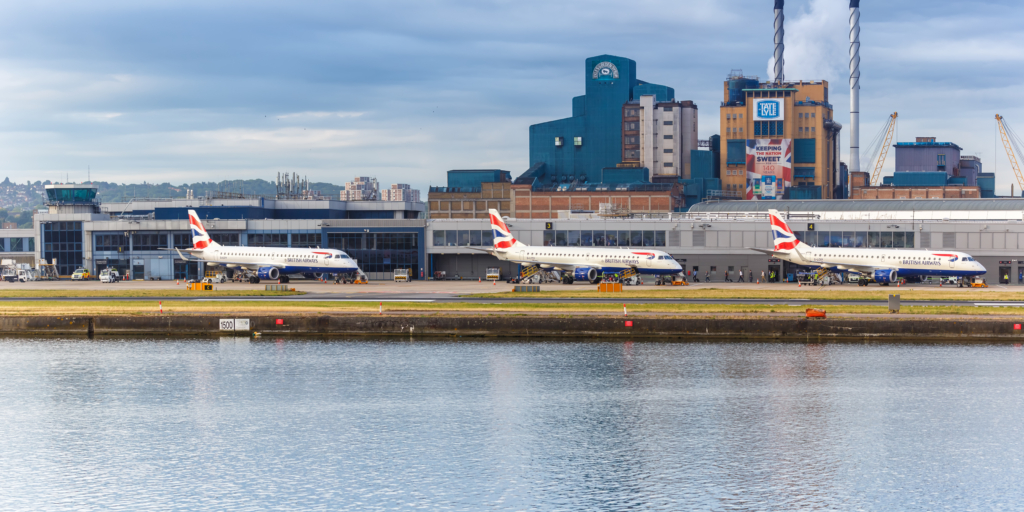
Additionally, the airport said that independent assessments have shown that the proposed change would deliver significant environmental, noise and operational benefits over the next 12 years compared to just maintaining the current procedures. These include:
- An estimated saving of 18,380 tonnes of CO₂ and 5,780 tonnes of fuel.
- A net economic benefit of between £38.4 million and £97.4 million.
- Reduced overall noise exposure for more than 110,000 people compared to the current scenario, including around 10,000 who would experience reduced early‑morning noise.
The consultation runs from Monday, 2 March to Sunday, 17 May 2026 and is open to anyone with an interest in the proposal.
“If the project proceeds as planned, our application is successful, and the airspace regulator (CAA) decides to approve, the change would take place in January 2027 at the earliest,” concluded Andy Cliffe, CEO of London City Airport.
Featured image: Wirestock / stock.adobe.com