Turboprops return: JSX welcomes the ATR 42-600 to the US as it targets airports regional jets left behind

November 14, 2025
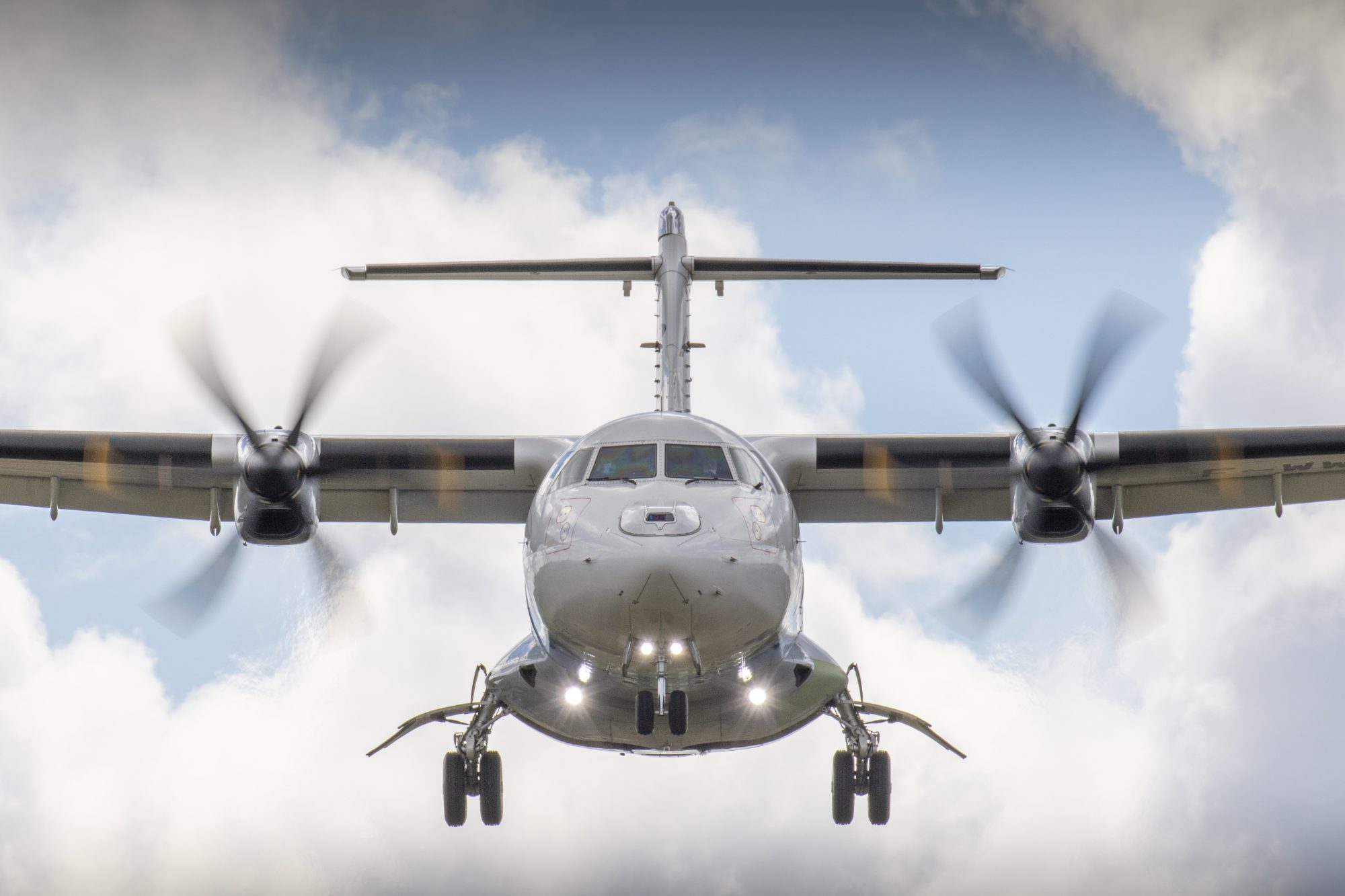
The first ATR 42-600 for JSX touched down at the company’s Dallas headquarters on 13 November, closing a ferry flight from Sault Ste. Marie in Canada, as reported by Airline Geeks.
The ATR arrival marks the beginning of a slow but deliberate shift in how the operator intends to reach places that jets simply cannot.
JSX is taking two ATR-42s on lease to begin with, and signed a letter of intent at the Paris Airshow to buy up to 25 more of the type.
The ATR’s arrival is not a fleet footnote. It is the first turboprop JSX has ever brought into service and the first of two that will form the backbone of its non-jet programme.
For a company that built its entire identity around quiet, fast, lightly loaded regional jets, the decision to introduce a propeller-driven aircraft is a clear signal: it wants access to airports the regional jet boom left behind.
A turboprop that opens more than 1,000 new airports
Once the new aircraft completes its induction, JSX will be able to operate from more than 1,000 additional airports across the country, according to ATR’s own performance data.
Many of these airfields have been out of reach for years because their runways or layouts suit turboprops better than jets. Others are private terminals and FBOs where the ATR’s short-field capability gives JSX room to manoeuvre.
Alex Wilcox, JSX’s chief executive, says the change is not simply operational, but strategic. “Many of these airports were, until now, reserved only for people who could afford to fly private,” he said.

“The ATR opens a very different network for us. It means quieter cabins, comfortable seating and a kind of access we haven’t had before.”
JSX will introduce the ATR-42s with a 30-seat, all-business-class interior from ATR’s HighLine collection. The company already flies around 50 Embraer E135 and E145 aircraft, but those jets, even in a premium configuration, cannot use many of the airfields JSX wants to reach.
Why turboprops vanished from the US — and why they may return
The arrival of an ATR would have been unremarkable 20 years ago. Since then, the US has effectively walked away from turboprops.
American Eagle retired its last Dash 8 in 2018. United and Delta had already phased theirs out. Horizon Air, once a major Dash 8 operator for Alaska Airlines, withdrew its final aircraft in 2023. Only a handful of carriers in Alaska and remote areas still fly them.
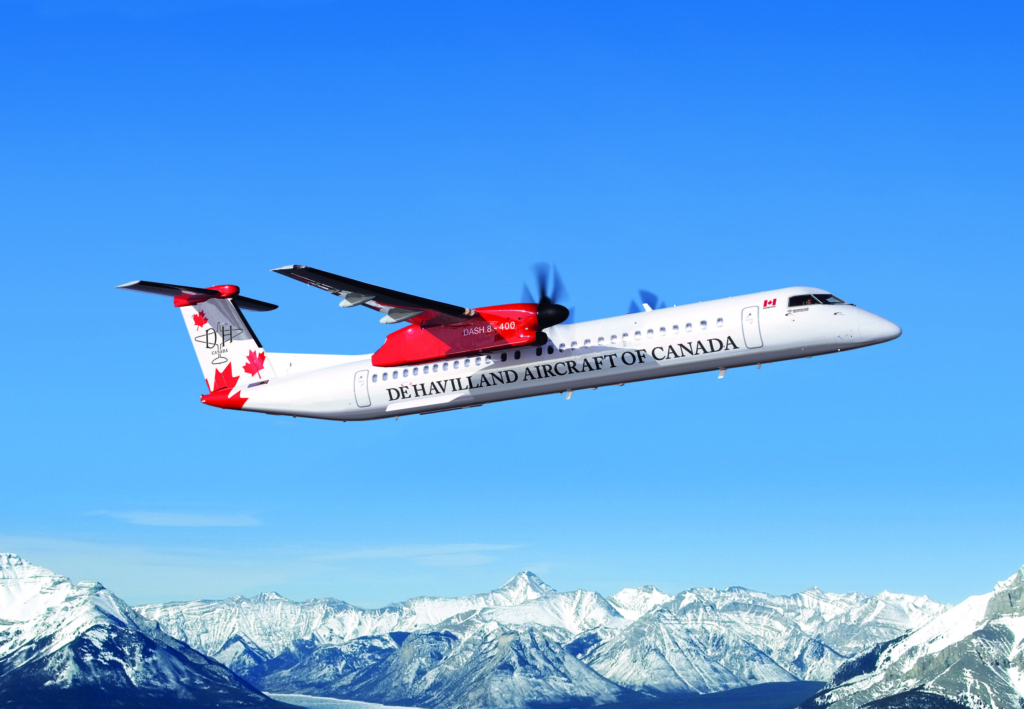
Elsewhere in the world, turboprops remain a staple. They burn less fuel, handle short runways well and are cost-efficient on sectors under two hours. Geography explains some of the differences, but the economics of US regional flying are shifting: almost 800 US regional routes have disappeared because they are too expensive to serve with jets.
JSX’s decision runs against that long trend. It suggests a belief that a smaller, premium-configured turboprop could make certain routes viable again — routes abandoned not for lack of demand, but because 50-seat jets could no longer make them work.
A turboprop strategy that fits JSX’s premium model
JSX operates in a narrow niche between commercial aviation and private flying. It flies as a public charter, not a scheduled airline, and most of its flights depart from private terminals where check-in is measured in minutes. The turboprops do not change this model; they extend it.
Shorter runways, smaller airfields and mountain airports are environments where a lightly loaded turboprop thrives. They are also destinations attractive to JSX’s core customer base: travellers seeking convenience without the cost of a private charter.

The first aircraft has come from the fleet of defunct regional airline Silver Airways. Cabin expectations will remain the same: 30 seats, generous legroom, complimentary cocktails, snacks and, once certified, Starlink connectivity.
Up to 25 ATR turboprops could reshape JSX’s fleet
The two ATR-42s arriving in 2025 are only the beginning. JSX has agreed to acquire up to 25 turboprops — a mix of ATR-42-600s and ATR-72-600s, with options for ten more.
Aircraft size will depend on the routes selected, but both would carry just 30 passengers in JSX’s layout. ATR will support the introduction through a global maintenance agreement designed to ensure reliable availability.
It is ATR’s first major move into the US charter and semi-private market, and the manufacturer has highlighted the environmental and performance benefits of turboprops for short-haul flying.
How JSX could reshape the US regional map
If JSX follows through on the full order, it will become the largest turboprop operator in the continental US outside Alaska — a remarkable reversal in a country that long dismissed turboprops as slow, noisy or old-fashioned.
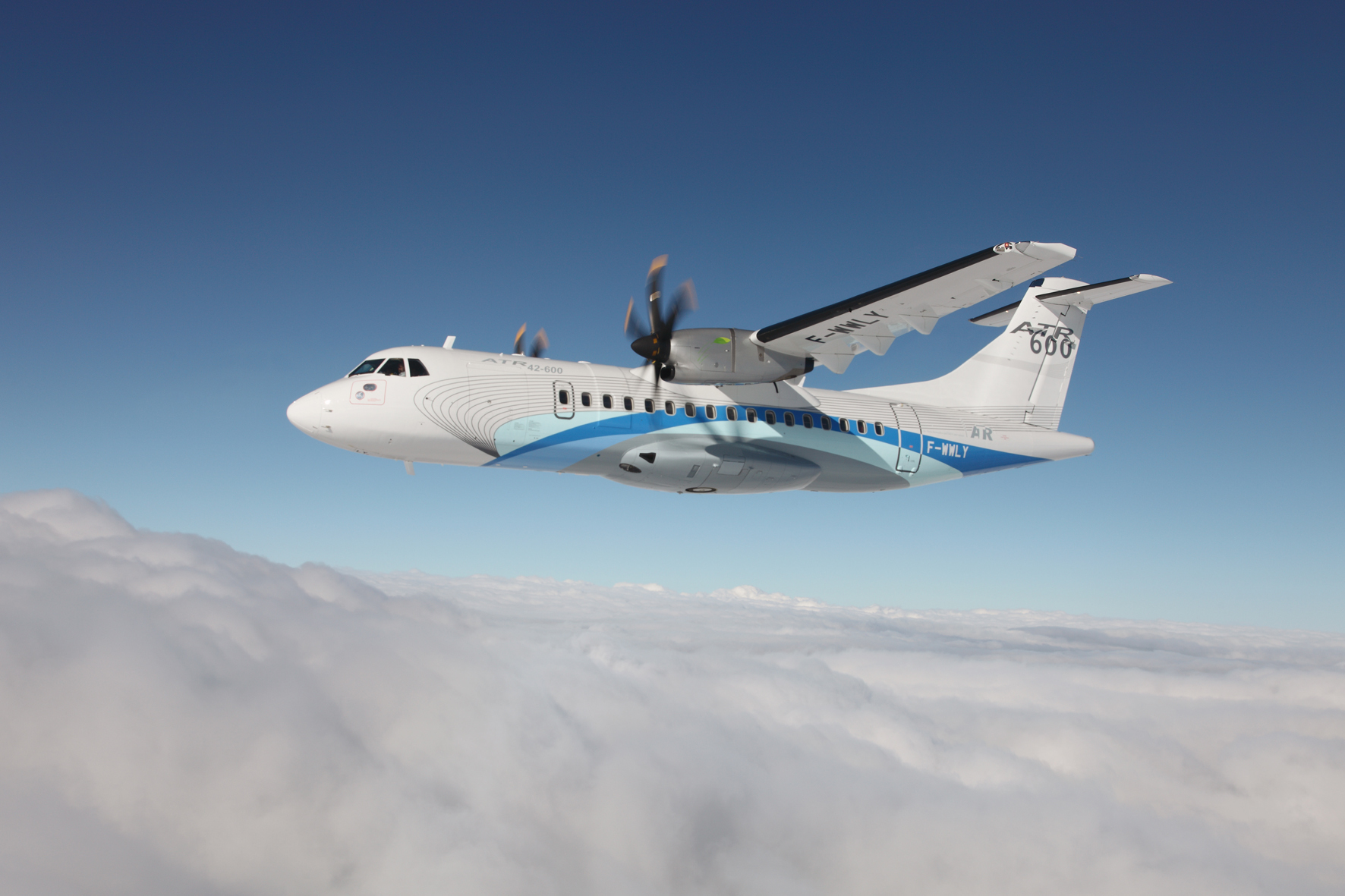
Much of that perception was shaped by older types. The modern ATR-600 series is quieter than many small jets and is well-suited to airports with noise or runway constraints.
At a time when regional jet pilot shortages, higher costs and scope-clause rules have forced larger airlines to shrink their networks, JSX is positioning itself to fill the gaps. Short, thin routes that cannot support a 50-seat jet may be viable with a 30-seat cabin, especially when paired with JSX’s streamlined ground experience.
A small aircraft that could have a big impact
By the end of next year, JSX expects both turboprops to be in service. Early missions will be modest — short California hops, tests into mountain airports and gradual expansion into smaller terminals — but the broader ambition is clear: to restore access to parts of the United States that slipped off the commercial map.
For an operator built on the idea that travel can be simple and civilised again, the return of the turboprop is not a throwback. It is a deliberate attempt to reconnect places that jets passed over, and to make those places accessible to people who never imagined flying from a private terminal.
A single aircraft may have taxied into Dallas this week, but in practical terms, JSX has just reopened a door the industry quietly closed.