Italy considers highway operations for F-35 fighter jets as drone threats reshape air base strategy

February 16, 2026
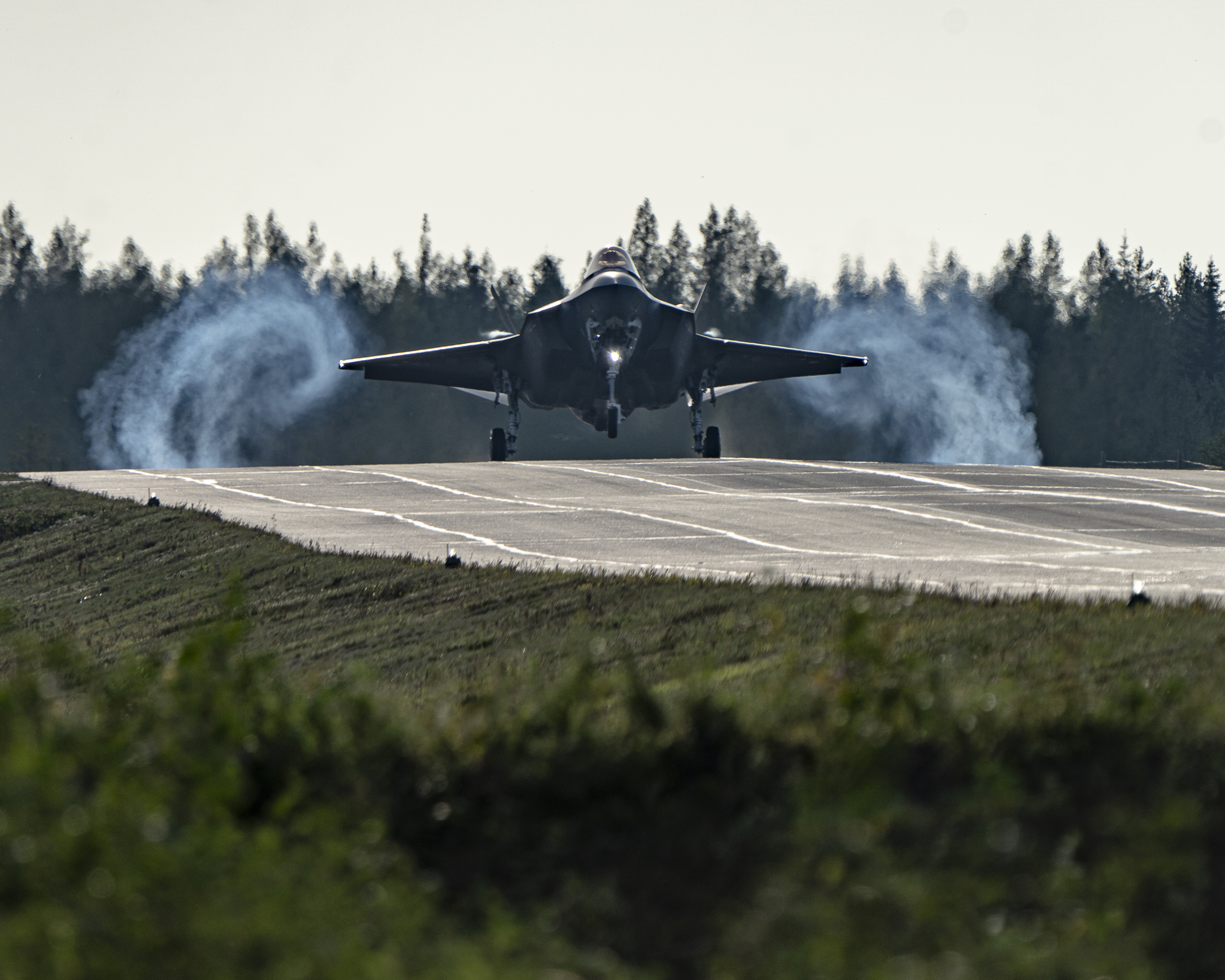
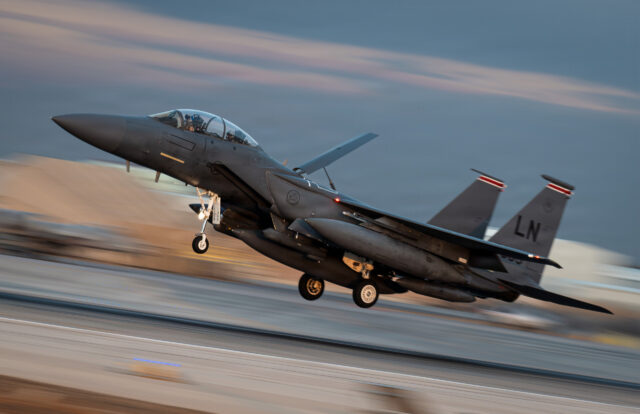
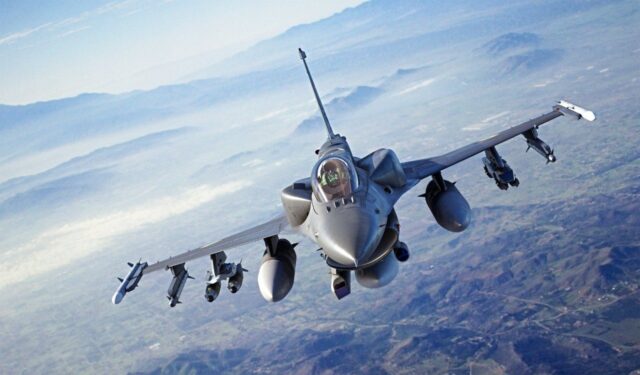
Italy is examining whether its fighter jets, including the Lockheed Martin F-35 Lightning II, could one day operate from stretches of motorway as European air forces confront an uncomfortable reality: in the drone era, air bases are no longer sanctuaries.
For decades, hardened shelters, layered air defences and geographic distance from front lines offered Western European air arms a degree of protection. That assumption is eroding. Cheap, mass-produced unmanned aerial vehicles have demonstrated an ability to penetrate sophisticated defences and strike high-value aircraft on the ground, often at a fraction of the cost of the jets they target.
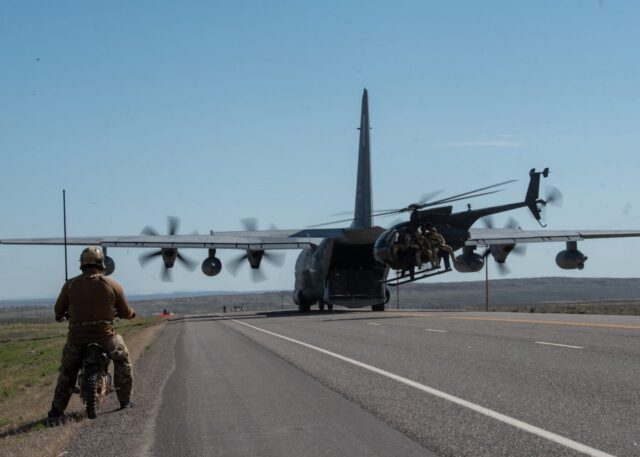
Against that backdrop, Rome is quietly exploring contingency options that would have once seemed extreme, dispersing fast jets away from fixed bases and, if necessary, onto public highway infrastructure.
Drone threat forcing European rethink of fighter jet basing
Italy’s Il Sole 24 Ore news outlet has reported that Italy is considering following Finland and Sweden’s lead and preparing for contingencies, operating F-35s from highways.
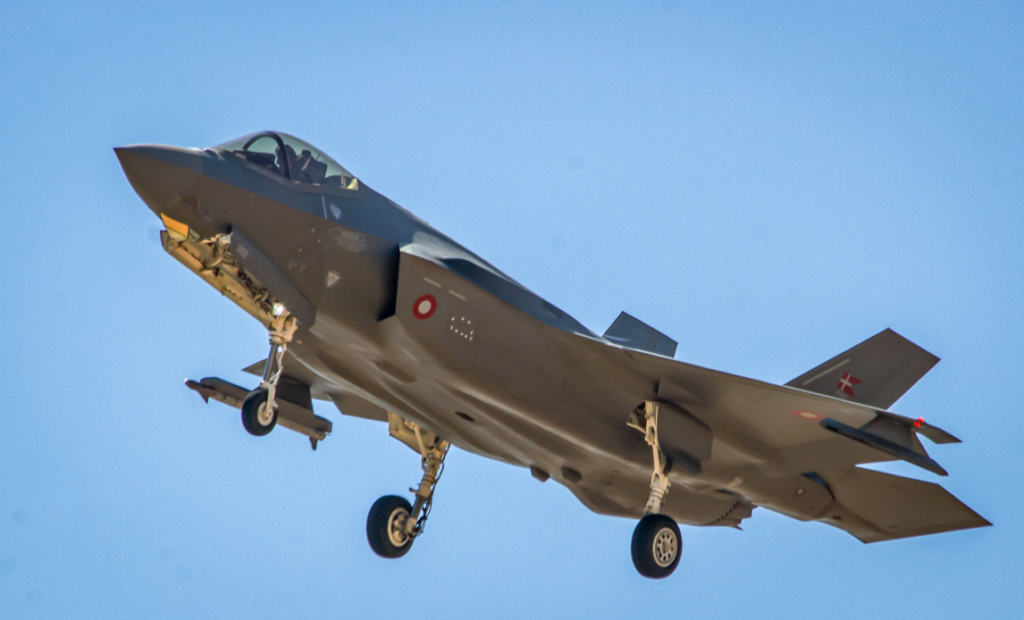
Finland and Sweden were historically concerned with Russia’s air raids and missile attacks on their airbases, but drones have emerged as a new threat.
Italian Air Division General Silvano Frigerio, commander of the Air Fleet Command and First Air Region of the Italian Air Force, spoke to the news outlet earlier in February about the threats drones pose to Italian fighter jets.
Frigerio said the threat of low-cost drones is being discussed with allied air forces. They are evaluating how to effectively counter massed cheap drones and protect high-end assets like the F-35.

Even limited damage to an F-35 can take it out of action and require expensive repairs. Europeans are working on various affordable and scalable solutions to counter cheap drones, but the risk of some getting through will remain.
Italy considers highways as emergency landing strips for F-35 and other fighter jets
The publication stated, “The possibility also emerged of using motorway stretches, under certain circumstances, as alternative landing options… the logic of rapid dispersion of assets in the presence of threats to main bases.”
Firigerio said that the idea of using highways is not “a defined plan but merely one of several hypotheses under consideration.” He pointed out that using highways in Italy is more complicated. Finland and Sweden have built highways with this in mind for years; Italy hasn’t, so power networks, etc., are complications.
It’s unclear if this will mark the beginning of multiple European countries, or Europe at large start to convert highway stretches into emergency landing strips. Until recently, Western European air forces felt secure in their airbases far from the potential front. But that is eroding.
AGN reported last week that Indonesia landed combat aircraft on highways as it announced plans to use highway stretches across its archipelago as emergency landing strips.
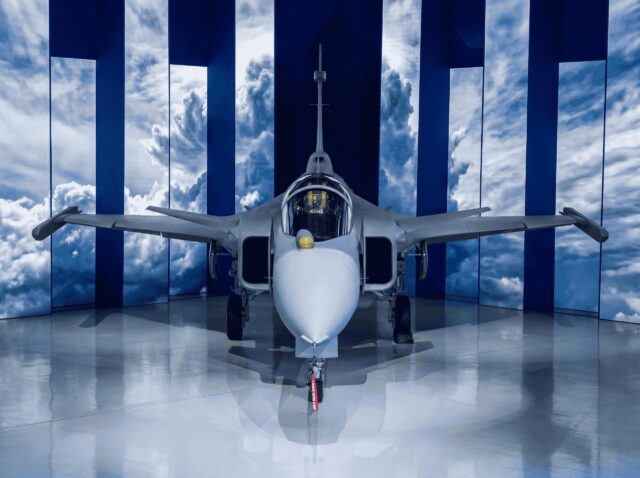
Saab advertises the Gripen as optimised for operating from unprepared landing strips. While the Gripen has some adaptations, it is something all modern Western fighter jets can do.
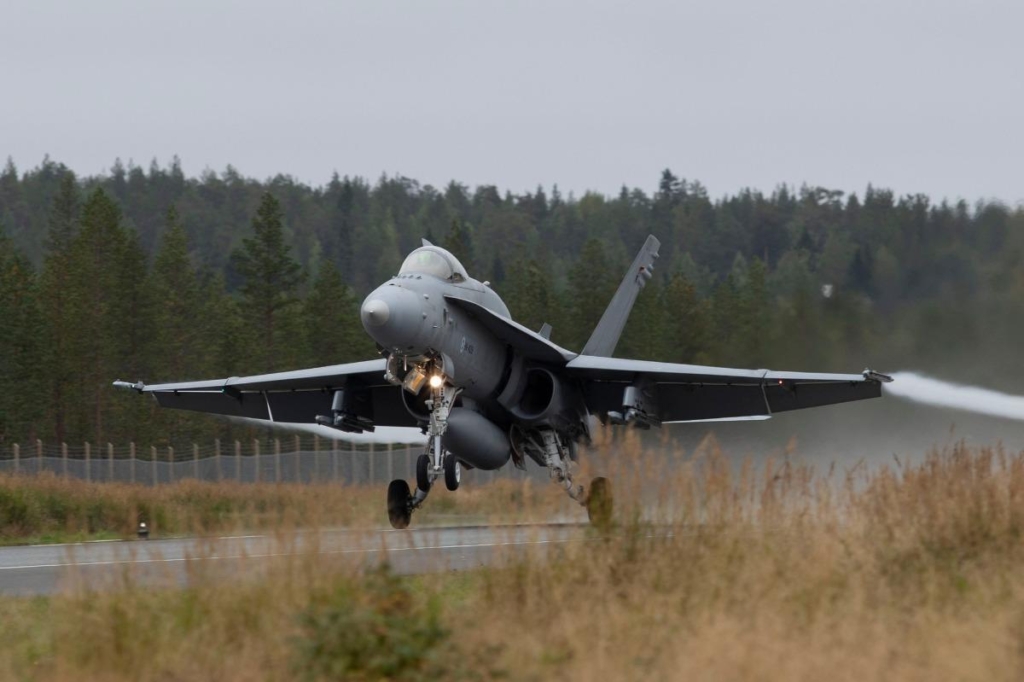
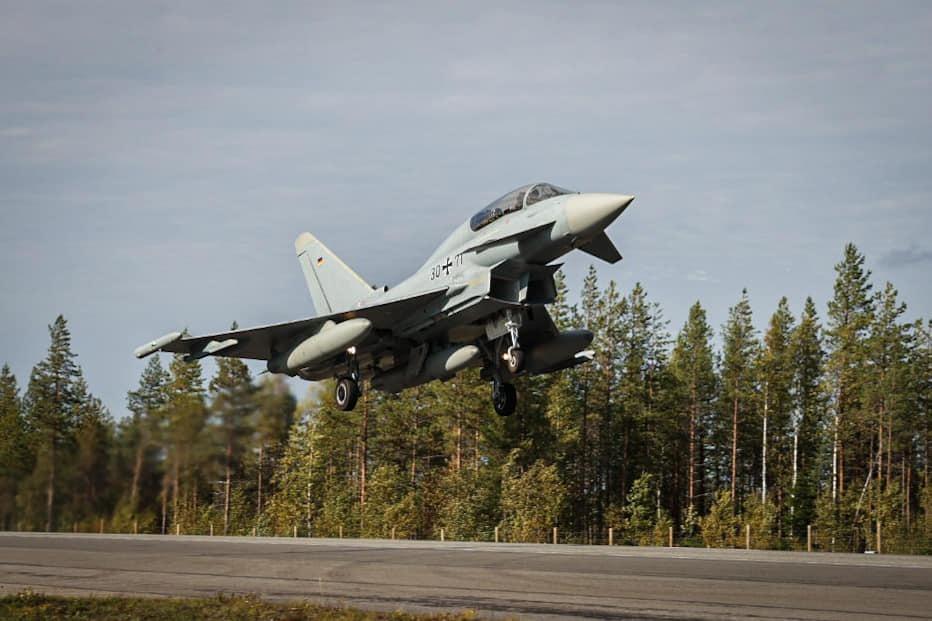
Finland has been using its F/A-18 Hornets in this capacity for decades and plans to continue that with its upcoming F-35As. Eurofighters and F-16 Fighting Falcons have operated from highways during exercises.
Get the latest aerospace defence news here on AGN.
Why fighter jets are increasingly destroyed on the ground
While many enthusiasts like to pitch fighter jets in one-on-one combat and say which is superior, this is largely divorced from the real world.
In the real world, most fighter jets are destroyed on the ground, not in air-to-air combat. In 2025, Ukraine’s Operation Spiderweb destroyed around 20% of Russia’s operational strategic bomber fleet on the ground. Only one Tu-22M3 is known to have been shotdown so far during the war.

Ukraine also appears to have destroyed up to 15 other Russian combat aircraft on the ground in Crimea in drips and drabs over 2025. Russia has released videos showing its own drones attacking Ukrainian jets on the ground. It’s difficult to say which aircraft are decoys, including disused airframes used as decoys.
In wargames in a conflict with China, most destroyed US fighter jets are destroyed on the ground.
Israel destroyed numerous Iranian and Syrian aircraft on the ground. The Syrian aircraft were destroyed following the fall of Assad in 2024, and the Iranian aircraft were destroyed on the ground in Operation Rising Lion in 2025.
Over the course of the war in Ukraine, most Russian tactical fighters destroyed by Ukraine have been destroyed or damaged on the ground, including a rare Su-57 Felon in 2024 by a drone.
A Russian Naval Aviation Su-24M was attaked at Saky AB (45.095536, 33.580028). It is unclear whether the UAV reached its target. pic.twitter.com/QnxAvoVNGp
— The Military Watch (@MarcinRogowsk14) January 28, 2026
Sweden and Finland have long been acutely aware of the vulnerabilities of their air force bases, and so famously have prepared stretches of highway for emergency dispersed operations. The US is implementing Agile Combat Employment (ACE), a doctrine to operate its air assets from dispersed airfields.
Featured Image: US Air Force