End of an era? Israeli strikes may have eliminated Iran’s last F-14 Tomcats

March 10, 2026
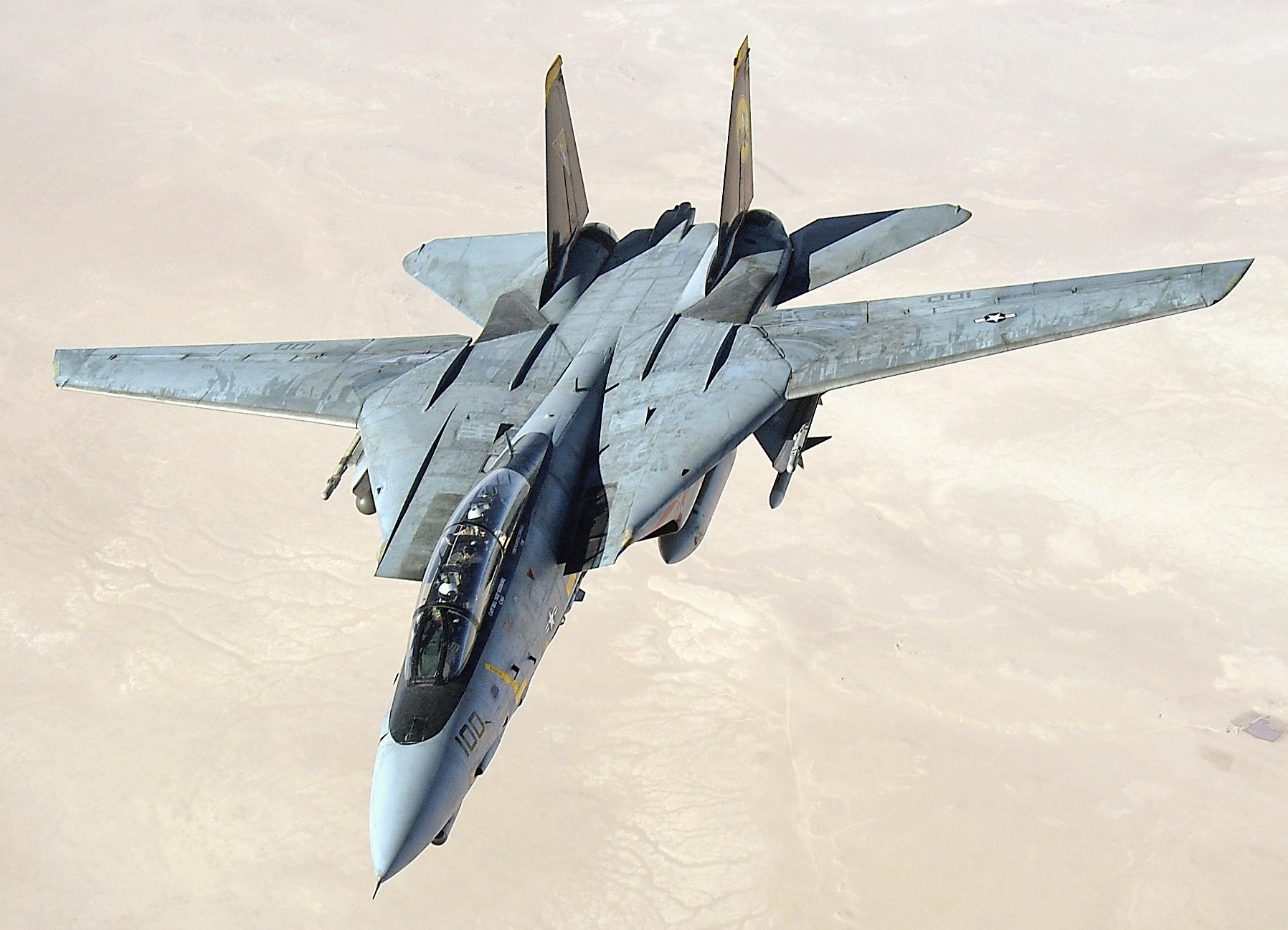
The legendary Grumman F-14 Tomcat may have reached the end of its operational life after Israeli airstrikes reportedly destroyed the last aircraft remaining in Iranian service.
Following a new wave of Israeli attacks on Iranian military infrastructure over the weekend, multiple reports indicate that compounds storing F-14 fighters at Isfahan Airport were struck, raising the possibility that the world’s final operational Tomcats have now been eliminated.
If confirmed, the strikes would mark the end of an aircraft type that first entered service more than five decades ago and became one of the most recognisable fighter jets in aviation history.
Israel destroys remaining F-14s in Isfahan
On Sunday, the Israeli Defense Forces (IDF) said Israeli Air Force strikes had targeted compounds storing F-14 Tomcat fighter jets at Isfahan Airport, home to Iran’s 8th Tactical Fighter Base.
The base hosts the 81st, 82nd and 83rd Tactical Fighter Squadrons, believed to be the final units operating the ageing American-built aircraft.
In a statement posted online, the IDF said:
“In a large wave of attacks by the Israeli Air Force, directed by Military Intelligence, compounds where F-14 fighter jets belonging to the Iranian terrorist regime were stored at the airport in Isfahan were struck yesterday.”
The Israeli military added that it had also struck detection and air defence systems that posed a threat to Israeli aircraft operating over Iran.
Open-source aviation analysts and defence observers have suggested that the strike may have destroyed all remaining F-14s stationed at the base, which was believed to house the last operational examples of the type anywhere in the world.
The attack follows earlier Israeli strikes that targeted aircraft associated with the Quds Force at Tehran’s Mehrabad Airport, including a reported wave of attacks on aircraft used for military logistics.
The likely end of the F-14 Tomcat
The destruction of the aircraft at Isfahan could represent the final chapter for the F-14 as an operational fighter.
According to aviation publication The Aviationist, the strike may have effectively wiped out the last known operational Tomcats.
Several Iranian F-14 fighter jets were destroyed in strikes at Isfahan airport yesterday, the IDF announces.
— Emanuel (Mannie) Fabian (@manniefabian) March 8, 2026
Additionally, detection and air defense systems that posed a risk to Israeli Air Force aircraft were also hit in the wave of strikes, the military says.
While it remains impossible to confirm definitively that every aircraft was destroyed, the scale of the strikes suggests that few, if any, of Iran’s remaining Tomcats are likely to have survived.
The IDF is reporting that the last of Iran's flyable F-14s have been destroyed. #avgeeks, let's face it, we may never see a Tomcat fly again. Ever. So, it's time to bid farewell to the TopGun fighter and move on.
— Air Power (@RealAirPower1) March 9, 2026
End of an era. pic.twitter.com/weO2JrmnWE
Unless additional aircraft were hidden in hardened shelters or underground facilities, Sunday’s attack may have effectively brought the operational life of the F-14 to an end.
Get the latest aerospace defence news here on AGN.
How Iran kept the F-14 Tomcat flying for decades
Iran was the only export customer for the F-14 Tomcat, ordering the aircraft in the 1970s under the rule of Shah Mohammad Reza Pahlavi.
The country originally ordered 80 aircraft, with 79 delivered before the 1979 Islamic Revolution severed relations between Tehran and Washington.
An Israeli Air Force drone struck and destroyed two Iranian F-14 fighter jets at an airport in Tehran, IDF Spokesman Brig. Gen. Effie Defrin reveals in a press conference.
— Emanuel (Mannie) Fabian (@manniefabian) June 16, 2025
The IDF publishes footage of the strike.
Additionally, the IDF airs footage of a strike on Iranian… pic.twitter.com/z6QwK8brBH
Despite losing access to American support and spare parts, Iran managed to keep the aircraft flying for decades.
During the Iran-Iraq War (1980–1988), the Tomcat played a significant role in defending Iranian airspace, although several aircraft were lost in combat and accidents.
Over time the fleet steadily declined as airframes aged and spare parts became increasingly difficult to obtain.
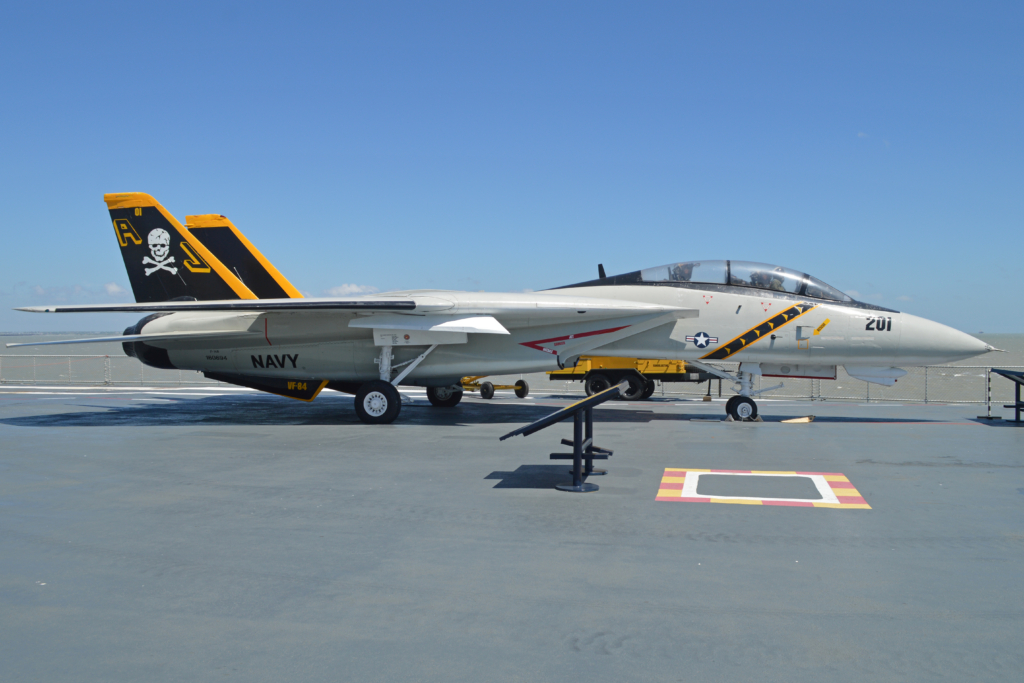
The United States retired its own F-14 fleet in 2006, ordering surviving aircraft to be scrapped and spare parts destroyed in an attempt to prevent components from reaching Iran.
Despite these efforts, Iran continued operating small numbers of the fighter well into the 21st century through extensive cannibalisation and local engineering solutions.
By 2018, Iran was still able to display around two dozen Tomcats at a military airshow, although analysts believed only a handful remained fully operational.
By early 2026, FlightGlobal’s 2026 report listed 41 in service, but this was likely a substantial overcount. In February 2026, just before the air campaign kicked off, Latin American Military Aviation posted “
As for the storied Iranian F-14’s…they might well have been down to one flyable aircraft before last year’s Israeli Air campaign.”
As for the storied Iranian F-14's…they might well have been down to one flyable aircraft before last year's Israeli Air campaign…
— Latin American Military Aviation (@LatinMilAv) February 20, 2026
6/ pic.twitter.com/dkVnOcYtgT
During 2025’s Operation Rising Lion, Israel released footage showing the destruction of two F-14s on the ground. These were apparently non-operational Tomcats as they hadn’t been moved for years
Barring the possibility of some F-14s hiding in deep Iranian mountain bunkers somewhere or something similar, it appears the sun has finally set on the Tomcat.
The final chapter for the iconic Tomcat
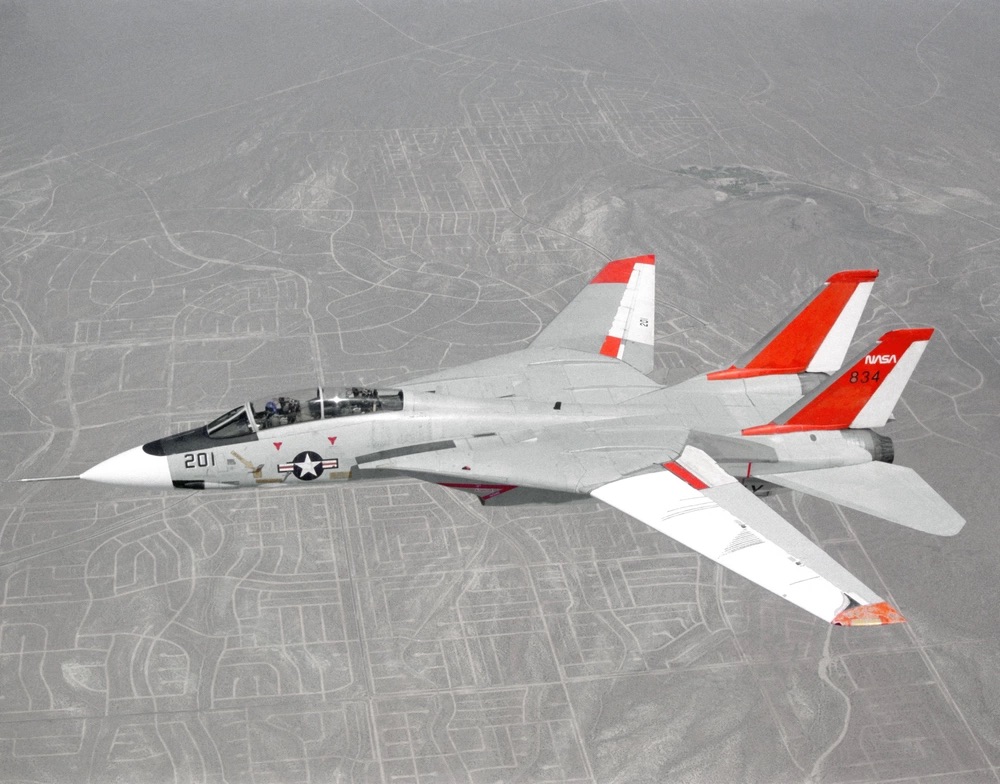
First introduced into US Navy service in 1974, the F-14 was designed as a long-range fleet defence interceptor capable of engaging enemy aircraft and cruise missiles at extreme distances.
With its distinctive variable-sweep wings, twin engines and powerful radar system, the Tomcat became one of the most capable fighter aircraft of the Cold War era.
In later years, it also gained widespread recognition outside military circles through its starring role in the 1986 film Top Gun, where the aircraft flown by Tom Cruise’s character “Maverick” helped cement the Tomcat’s status as one of the most iconic fighters ever built.

More than 50 years after the aircraft first entered service, the Israeli strikes on Isfahan may have brought the final operational chapter of the F-14 Tomcat to a close.
For aviation enthusiasts and military historians alike, the possible loss of Iran’s remaining aircraft would mark the end of one of the most storied fighter jets in modern aviation history.
Featured Image: US Navy/Wikipedia