India eyes FCAS partnership as sixth-generation fighter ambitions gather pace

February 25, 2026
India’s push towards a sixth-generation fighter is no longer confined to research papers and laboratory trials. It has begun to show up in ministerial speeches and diplomatic conversations.
New Delhi is exploring the possibility of working with France under the Future Combat Air System (FCAS), even as Defence Minister Rajnath Singh has told scientists at home that work on sixth-generation aero engines must begin now.
Until recently, the effort sat largely within DRDO’s technology corridors. Today, it carries a clearer political message.
Engines, avionics and artificial intelligence are no longer separate research streams. They are part of a broader strategic calculation about where India wants to stand in air combat two decades from now.
India eyes joining France’s FCAS sixth-generation fighter programme
As its sixth-generation ambitions sharpen, India is quietly examining whether it should align with France on the Future Combat Air System (FCAS).
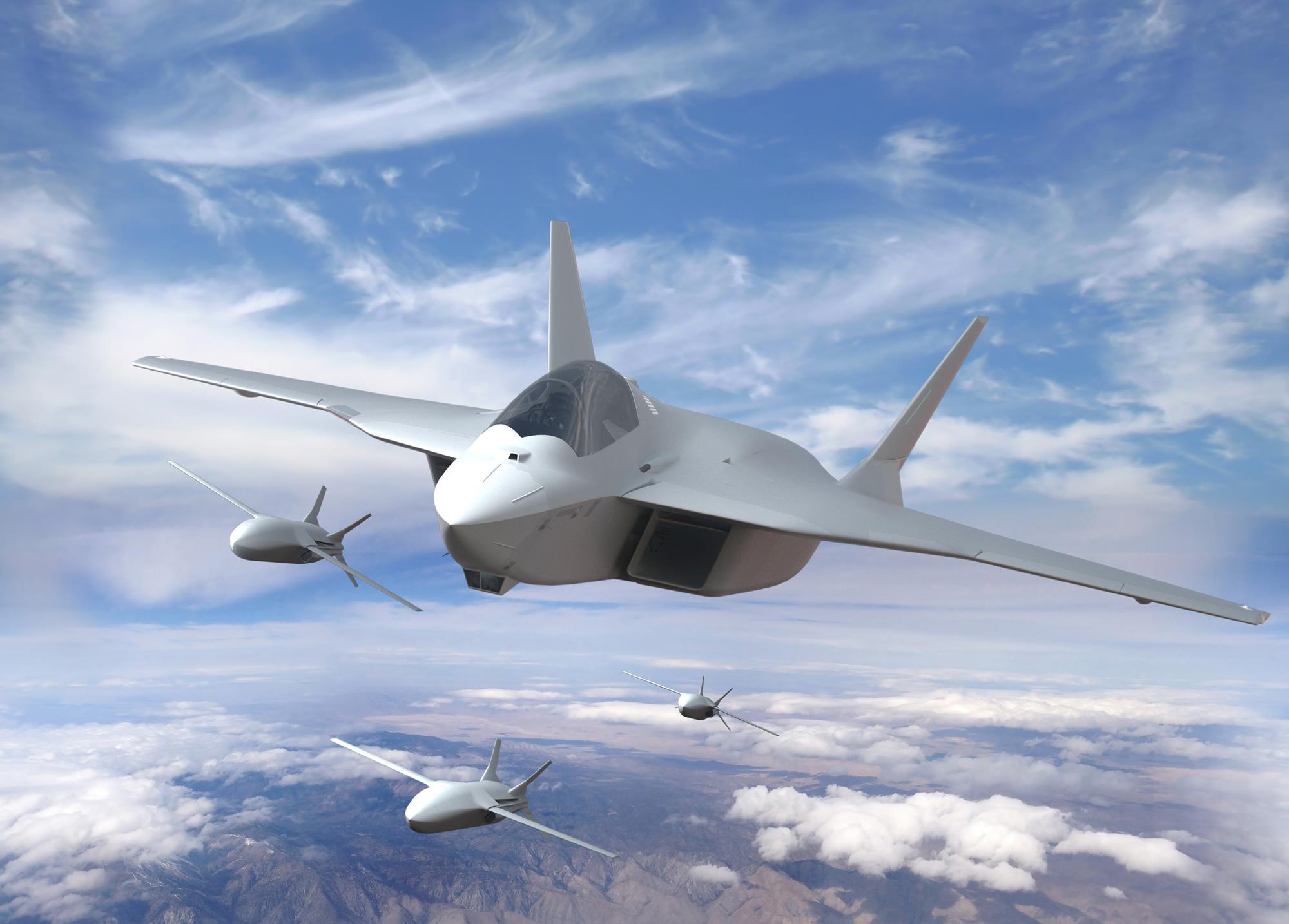
Conceived in 2017 by France, Germany and Spain, FCAS goes well beyond a single aircraft. It is structured around a next-generation fighter linked to unmanned “remote carriers” and tied together by a combat cloud that connects assets across air, land, sea, space and cyber domains.
The European programme has faced its share of strain. France’s requirement for a carrier- and nuclear-capable platform differs from Germany’s needs. Industrial disagreements between Dassault and Airbus over leadership and workshare have periodically slowed progress.

In that context, as first reported by The Print, India’s interest in discussions with France is significant. Paris has been a steady defence partner, from Mirage 2000s to Rafales and Scorpene submarines. A deeper aerospace collaboration would not be out of character.
According to the report, India has informed the French “loud and clear” that it is willing to join the FCAS project if it does not work out with Germany.
For India, joining a programme such as FCAS would open doors to work on combat cloud architecture, advanced sensor fusion and manned-unmanned teaming concepts. For France, an Indian partner could add industrial depth and financial resilience.
But such a move would come with hard questions. Who leads design? How is technology shared? Where is intellectual property held? India’s long-standing emphasis on sovereignty in defence manufacturing would shape any negotiation.
Rajnath Singh calls for indigenous sixth-generation fighter engines
Domestically, the emphasis remains on engine sovereignty. During a visit to the Gas Turbine Research Establishment in Bengaluru last week, Defence Minister Rajnath Singh made clear that India cannot stop at powering the Advanced Medium Combat Aircraft or AMCA.
“We cannot limit ourselves to only fifth-generation engines,” he said. “We must begin the development of sixth-generation advanced technologies as soon as possible.”
The comment was brief, but its implications were not. For decades, India’s combat aircraft programmes have had to accommodate imported engines.

The Light Combat Aircraft (LCA) Tejas flies with a foreign powerplant. The first version of AMCA will use the GE F414. A more powerful indigenous engine is planned for later blocks, but that journey is still underway.
A sixth-generation aircraft will demand more than incremental gains. Variable cycle engines, capable of switching between efficiency and thrust depending on mission phase, are widely seen as essential.
GTRE has already invited Indian industry to partner on a high-thrust engine programme intended for AMCA Mk2. Parallel discussions with Safran and Rolls-Royce continue under the National Aero Engine Mission. Yet the minister’s message was clear: partnerships are useful, but the intellectual centre of gravity must sit inside India.
DRDO’s sixth-generation fighter research: AI, propulsion and navigation
While political and diplomatic discussions gather pace, the research effort has not paused. DRDO has deliberately avoided announcing a formal sixth-generation aircraft project. Instead, it has concentrated on mastering enabling technologies.
At Research Centre Imarat in Hyderabad, teams are working on quantum-based navigation systems and advanced timing technologies.
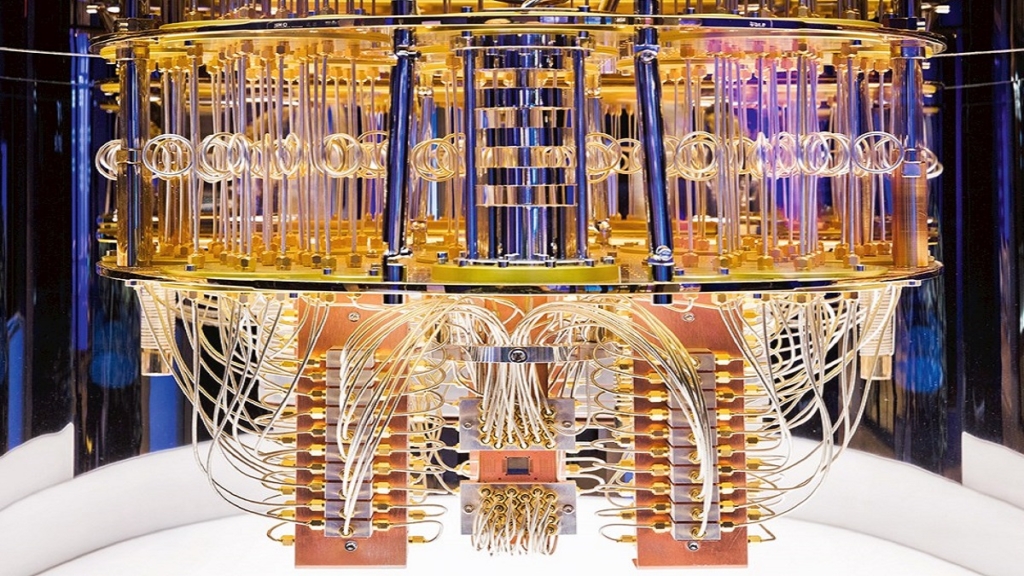
The appeal is obvious. In a future conflict where satellite navigation may be jammed or spoofed, aircraft that can determine their position independently gain a clear advantage.
Artificial intelligence is another strand. Future fighters are expected to operate as part of a network rather than alone. Sensor data must be processed and prioritised rapidly.
Threats must be identified without overwhelming the pilot. Indian thinking currently leans towards optionally manned aircraft that can control loyal wingman drones rather than fully autonomous fighters.
Studies have also examined adaptive propulsion, new airframe shapes, advanced composites and higher operating altitudes. Much of this remains exploratory, but it indicates the direction of thought.
AMCA and India’s sixth-generation roadmap
For now, AMCA remains the priority. It is intended to restore squadron numbers and provide a fifth-generation capability in the 2030s. Yet it also serves another purpose.
Many of the technologies being developed for AMCA, from stealth shaping to integrated avionics, create a foundation for whatever follows.
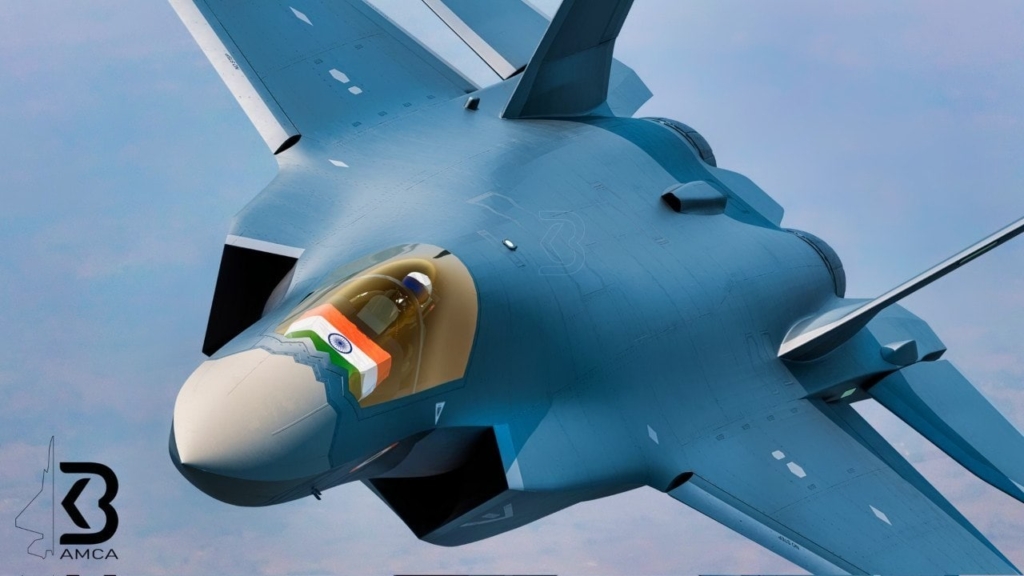
Later variants are expected to incorporate more advanced sensors and potentially new engines.
In that sense, AMCA is both a destination and a bridge. It buys operational capability while allowing the ecosystem to mature.
India has not announced a sixth-generation fighter programme. There is no prototype on a runway, no budget line in the open domain. Yet the signals are there.
Featured image: Airbus