India clears 114 Dassault Rafale fighter jets as part of $36bn boost for Indian Air Force

February 12, 2026
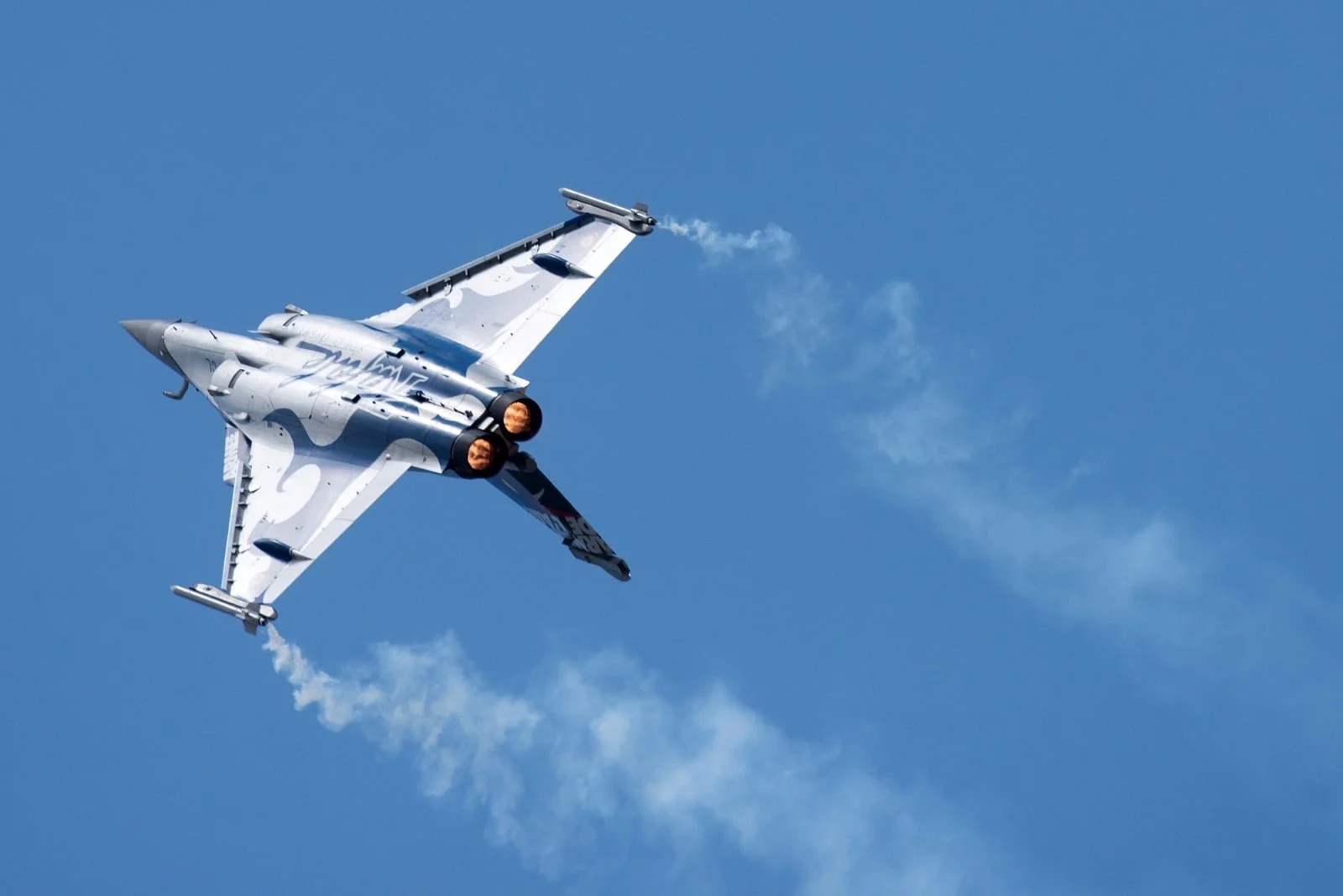
Ending months of speculation, India’s Defence Acquisition Council (DAC) has cleared the procurement of 114 Dassault Rafale fighter jets for the Indian Air Force (IAF), in what is set to become one of the country’s largest-ever defence contracts.
Chaired by Defence Minister Rajnath Singh, the DAC granted Acceptance of Necessity (AoN) for the Multi Role Fighter Aircraft (MRFA) programme, paving the way for a government-to-government deal with France.
“The procurement of MRFA will enhance the capability of undertaking air dominance roles across the spectrum of conflict and significantly boost the deterrence capabilities of the IAF with long-range offensive strikes. The majority of MRFA to be procured will be manufactured in India,” a Defence Ministry official told AGN.
The Rafale component of the package is estimated at approximately INR 3.25 trillion (around $36 billion). The broader ₹3.6 trillion DAC approvals also include other defence acquisitions.
The deal is expected to be signed during French President Emmanuel Macron’s visit to New Delhi beginning February 17.
Indian Air Force squadron strength falls to 29 amid fighter jet shortfall
The urgency is operational.
The IAF’s fighter strength has dropped to 29 squadrons, well below the sanctioned level of 42.5 squadrons considered necessary for a potential two-front contingency involving China and Pakistan. Each squadron typically fields 16–18 aircraft.

The retirement of the MiG-21 fleet last year further eroded numbers. While the MRFA competition was originally designed as a long-term solution, delays rendered it ineffective in addressing near-term shortfalls.
In contrast, Rafale is already operational in India.
Dassault Rafale set to anchor Indian Air Force combat fleet expansion
The IAF currently operates 36 Rafales across two frontline squadrons. The aircraft has quickly become one of the most capable assets in India’s combat inventory, supported by an established weapons ecosystem and logistics chain.

India has also contracted 24 Rafale-M variants for the Indian Navy, intended for carrier operations. That parallel induction has strengthened the platform’s position in India’s broader air and maritime doctrine.
The proposed order of 114 aircraft would dramatically expand the Rafale’s footprint in the IAF, effectively making it the backbone of India’s medium-weight fighter fleet.
‘Make in India’: Local manufacturing of Dassault Rafale fighters
Unlike the 2016 deal for 36 flyaway aircraft, the expanded order is expected to include substantial local manufacturing.
Sources indicate that 18 aircraft may be delivered in flyaway condition, with the remaining jets produced in India. Indigenous content could potentially reach 60%, with final assembly likely at the Dassault Reliance Aerospace Limited facility in Nagpur.

Tata Advanced Systems has already partnered with Dassault to manufacture Rafale fuselage sections in Hyderabad, with production expected to begin by FY 2028. The facility could scale up to produce as many as 24 fuselages annually.
Parallel discussions include an engine manufacturing facility and a dedicated Maintenance, Repair and Overhaul hub, potentially bringing a significant portion of the aircraft’s value chain into India.
Tejas Mk1A delays widen Indian Air Force capability gap
The renewed push for Rafale has been sharpened by delays in the indigenous LCA Tejas Mk1A programme.
The IAF has ordered 83 Mk1A aircraft, with another 97 cleared by the DAC, but deliveries have slipped due to engine supply constraints and production ramp-up challenges.

Air Chief Marshal AP Singh has publicly flagged concerns over revised timelines, warning that delays risk widening the capability gap created by legacy retirements.
Officials say that without an interim solution, squadron strength could decline further before indigenous production stabilises.
Why the Dassault Rafale prevailed over Su-57 and F-35 options
India’s decision reflects a broader strategic calculation.
Russia aggressively promoted the Su-57E stealth fighter, offering local production and upgrade packages for India’s Su-30MKI fleet. However, concerns over operational maturity, sustainment support, and the broader impact of sanctions on Russia’s defence industry weighed heavily.
The US-built F-35, while technologically advanced, was never considered realistic. High lifecycle costs, strict export controls, and limited scope for technology transfer or customisation made it incompatible with India’s industrial and strategic objectives.

Rafale, by contrast, offered a balance of combat capability, sovereignty and industrial participation, backed by decades of Indo-French defence cooperation.
For the IAF, it also offers delivery certainty. Flyaway aircraft could begin arriving around 2030, followed by locally manufactured jets.
The numbers may take years to materialise, but the direction is now unmistakable: Rafale is set to anchor India’s combat airpower for the next generation.
Add a button.
Featured image: Dassault Aviation