Pilots push back against IATA proposal to raise retirement age

August 31, 2025

The International Air Transport Association (IATA) has asked the United Nations’ International Civil Aviation Organization (ICAO) to raise the global mandatory retirement age for airline pilots from 65 to 67 – a proposal that has been met with swift resistance from pilot unions, who argue the move could undermine aviation safety.
In a paper submitted to ICAO earlier this summer, IATA said extending the retirement age would help ease workforce shortages and ensure carriers can keep up with growing air travel demand.
IATA said life expectancy has risen since ICAO last raised the limit from 60 to 65 in 2006, and it argued that pilots over 65 could continue to operate safely with proper health monitoring.
But two of the largest pilot organisations in North America, the Allied Pilots Association (APA) and the Air Line Pilots Association (ALPA), say the risks outweigh the benefits.
Allied Pilots Association: ‘Flying Blind’
The APA, which represents 16,000 American Airlines pilots, said the proposal lacks the scientific foundation necessary for such a significant policy shift.
“There is insufficient data regarding what risks would be associated with increasing pilot retirement age,” said APA President First Officer Nick Silva in a statement.
“Existing regulations governing pilot duty and rest are based on safety studies for a workforce capped at age 65 and reflect lessons learned from past accidents. Without new research, raising the retirement age would mean flying blind.”
Silva dismissed IATA’s rationale that the change is needed to address pilot shortages.

He pointed out that in the United States, the hiring slowdown at major carriers and furloughs at Spirit Airlines suggest there is no immediate shortfall.
“Raising the pilot retirement age now would constitute a solution in search of a problem and run counter to longstanding safety practices by US airline operatorsand regulators,” he said.
The APA also highlighted data showing the physical and cognitive challenges that can increase with age.
According to the union, 71% of pilots on long-term disability at American Airlines are over 55. Older pilots face higher risks of sudden medical incapacitation from strokes or heart attacks, as well as gradual declines in reaction time, problem-solving ability, and situational awareness.
ALPA: US must set the standard
The Air Line Pilots Association, the world’s largest pilot union representing more than 80,000 pilots at 43 airlines in the US and Canada, echoed APA’s concerns.
“The United States is the global leader in aviation safety, and we should resist any attempts to arbitrarily make changes to the regulatory framework that has helped us achieve this record,” ALPA said in a statement.
“That’s why Congress rejected making a change to the pilot retirement age just last year. The US should continue to provide global leadership on this issue and maintain its current position.”
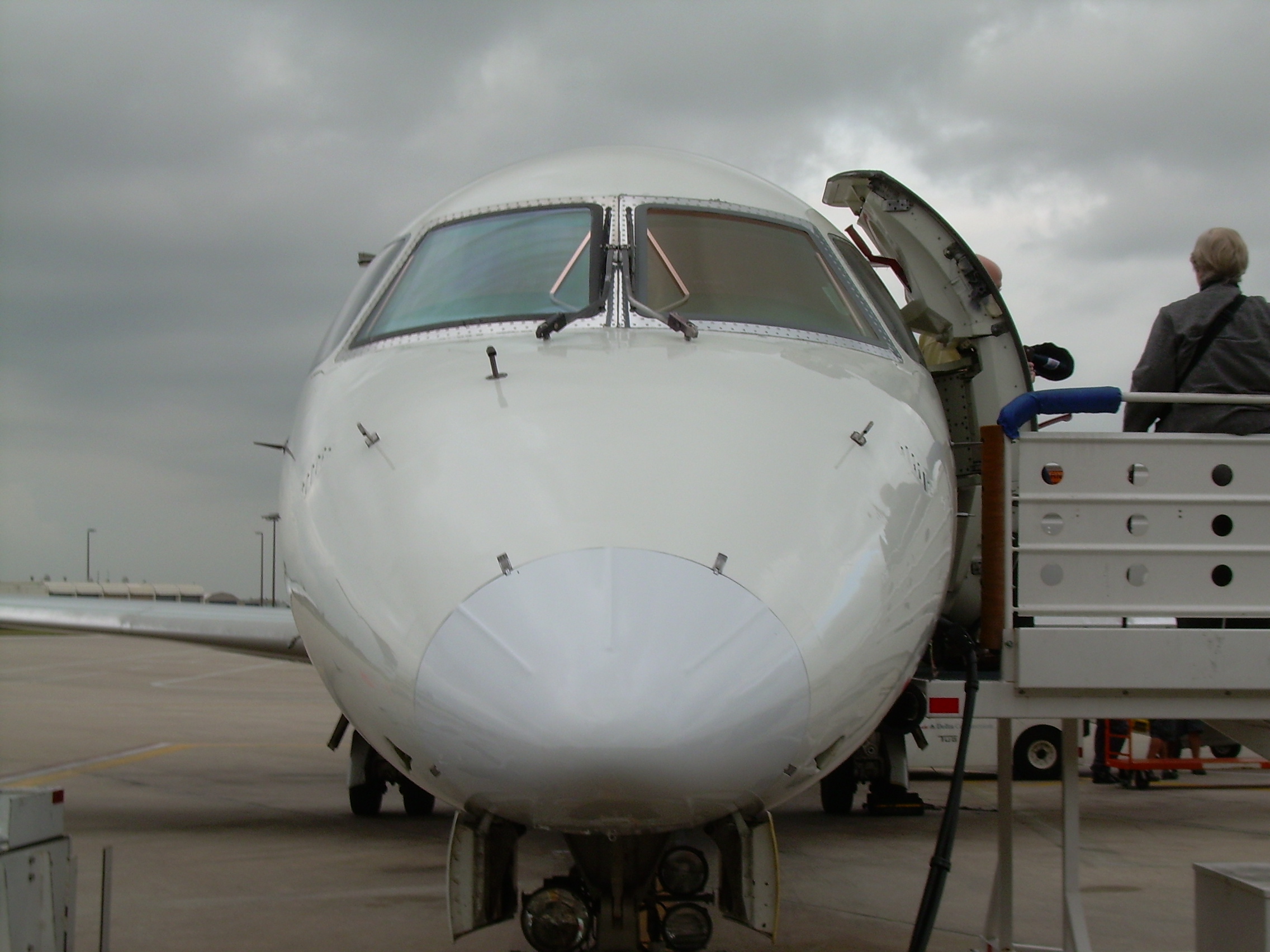
ALPA pointed to last year’s US legislative debate, in which lawmakers opted not to raise the domestic retirement age for airline pilots despite calls from some industry groups.
The union said that decision reaffirmed the importance of keeping established safety rules intact.
Balancing demand and safety
As part of the proposal, IATA has called for the establishment of a “multidisciplinary working group with representatives from medical, licensing and operational areas to develop formal medical safety management frameworks that encompass all the dimensions of the interaction of pilot fitness, performance and operational safety, including but not limited to the age of the pilot.”
It also suggests “identification of locally appropriate medical screening strategies to safeguard future health and performance, including early identification of medical conditions that require further assessment to ensure the risk of incapacity in individual and the system remains acceptable”.

The IATA proposal highlights a growing tension within the airline industry.
Carriers warn that demand for pilots will rise over the next decade as passenger traffic expands, particularly in Asia and the Middle East.
Yet unions in North America and Europe remain adamant that any changes to retirement rules must be supported by new research and robust safety analysis.
BALPA in the UK have yet to comment on the proposal.
For now, the debate is likely to intensify as ICAO reviews IATA’s request ahead of its upcoming assembly.
The decision could set a new global precedent.