IATA sounds alarm: Blocked airline funds are hindering Africa’s aviation growth

December 10, 2025

Kamil Alawadhi, the International Air Transport Association’s (IATA’s) regional vice president for Africa and the Middle East, underlines that while there is huge potential in Africa’s aviation sector, blocked funds remain a major challenge for the region.
As of October, there is a total of $1.2 billion in blocked airline funds globally, down from $1.3 billion in April 2025 (a marginal improvement of $100 million). Africa accounts for 79% ($954 million) of this. Out of 54 African states, 23 have blocked funds.

Algeria tops IATA’s list for blocked airline funds
For the first time, Algeria sits at the top of the list for blocked funds, said Alawadhi, with $307 million in blocked funds.
IATA is urging the Algerian government to remove the unnecessary processes and red tape for airlines.
“Algeria doesn’t default on payments, but its internal paperwork is complicated,” Alawadhi clarified. “Recently, Algeria’s Ministry of Trade added new requirements for documentation, increasing an airline’s access to funds by weeks if not months.”

Meanwhile, blocked funds in the XAF zone (Cameroon, Central African Republic, Chad, Republic of the Congo, Equatorial Guinea and Gabon) have slightly decreased since April from $191 million to $179 million.
“Airlines continue to face repatriation challenges despite the submission of required documentation. We call on the BEAC to streamline the internal three-step validation process and improve processing time to continue clearing the backlog of blocked funds,” urged Alawadhi.
Across Africa, political and economic instability drive currency restrictions and are the primary cause of blocked funds. While IATA acknowledges that the allocation of foreign exchange is a difficult policy position, it also underlines the long-term benefits for the economy and jobs, which outweigh short-term financial relief.
What are ‘blocked’ airline funds?
IATA stresses that aviation supports millions of jobs and carries a third of all global trade by value, yet airlines run on tight margins, so any cash flow issues create major knock-on effects.
This is where the issue of blocked funds comes into play.

Government restrictions sometimes mean money airlines earn from selling tickets abroad is withheld in local bank accounts. It’s a big problem when airlines cannot convert their money into hard currency, such as US dollars, and move it home.
Like any business, airlines need to access revenues to pay for essentials, including aircraft, fuel, maintenance and staff salaries. Airlines pay for most of these in dollars from their head office. According to IATA, this is why air service agreements between countries are designed to ensure that airlines can repatriate their earnings in US dollars.
However, many countries have currency restrictions that prevent this from happening, resulting in blocked funds.
When airlines can’t access their own money, they must make tough decisions. This could mean moving flights to more reliable markets or increasing fares to reflect the added risk.
All of this has a wider impact on economies and jobs, particularly in Africa, where IATA is asking governments to prioritise currency repatriation for airlines, even when foreign exchange is in short supply, to ensure people and businesses remain connected.
“Airlines bleed money and don’t get their money back. Even when they do, the currency can depreciate, which means they might not get all their money back,” continued Alawadhi.
“Once stakeholders understand the scale of the damage being done, some embrace different mechanisms to resolve the blocked funds. However, other states take the opposite approach and don’t want to even engage with IATA on the matter,” continued Alawadhi.
“Ultimately, it comes down to advocacy and recognising that each country has its own context and requirements. There is no one solution to the issue of blocked funds,” he said. “Fix one situation, and another emerges.”
Additional challenges for Africa’s aviation sector
Alawadhi reiterated that aviation in Africa is an expensive business.
“Beyond blocked funds, African airlines face high operational costs. Fuel, which accounts for 40% of operating costs for African carriers, is 17% higher than the global average. Taxes, fees and charges are also typically 12% to 15% higher than in other regions. Air navigation charges are around 10% higher, while maintenance and insurance costs are about 6 to 10% more expensive.”

He also noted that supply chain pressures weigh heavily on Africa’s aviation sector, with aircraft in Africa on average five years older than the global average. That gap is rising due to delivery delays.
“They consume more fuel and require more frequent maintenance and spare parts. The supply chain is a huge issue, and it is tougher in Africa without a doubt compared to other regions. We are still pushing manufacturers to give more attention to African carriers and assist with sourcing more spare parts and setting up MROs.”
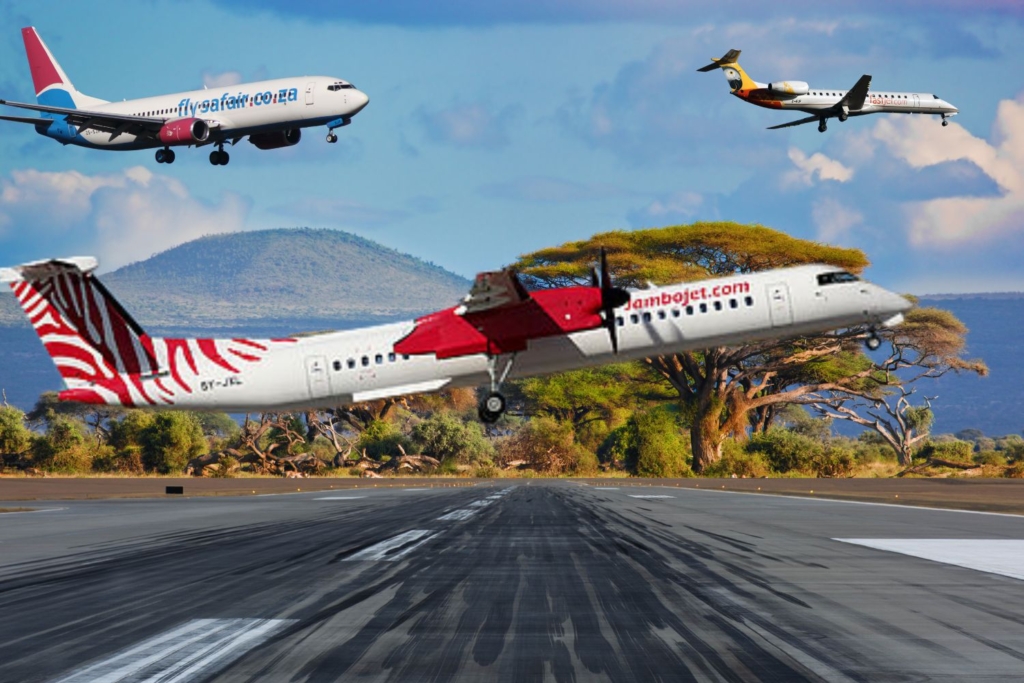
In addition to the high costs of doing business in Africa, aviation markets face challenges of access restrictions, limited competition, weak infrastructure and limited capacity.
“Protectionist policies restrict bilateral agreements, limit competition, reduce route availability and keep fares high. Most African airlines are small operators with limited fleet sizes and route networks, lacking economies of scale,” opined Alawahdi.
Inter-African connectivity remains low
Connectivity within Africa remains limited, and many intra-African markets are still relatively thin. With few airlines operating and services constrained, airfares remain high. Only 19% of intra-African routes offer direct flights, forcing passengers to take longer and more expensive journeys.
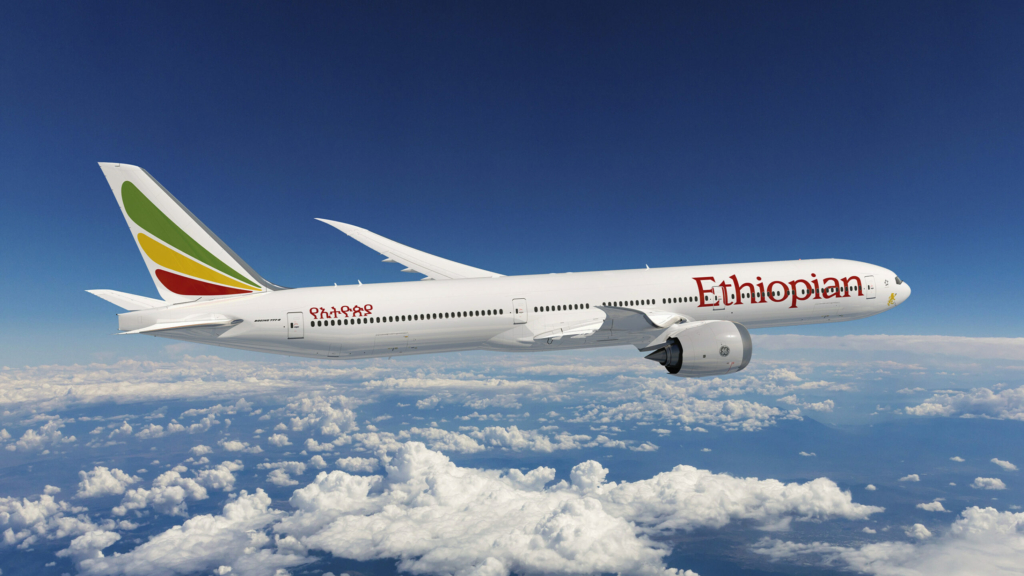
What’s more, the slow implementation of Yamoussoukro and the Single African Air Transport Market (SAATM) is also another hurdle.
Alawadhi did, however, comment that increased visa openness has created new opportunities for several African countries. In 2024, Benin, the Gambia, Rwanda and the Seychelles signalled a landmark move by introducing visa-free entry for all African nations. Ghana followed suit earlier this year, and Kenya has also eased restrictions, offering visa-free entry to all African nations (bar Somalia and Libya).
Furthermore, Alawadhi noted that in 2024, 26 African countries had implemented an e-visa system (a substantial increase from nine countries in 2017).
“This indicates a positive trend towards digitalising the visa process and improving accessibility,” he concluded.
With government support essential to unlocking Africa’s aviation potential, IATA has identified four priorities:
- Recognise aviation as a vital enabler to economic growth, regional integration and social development
- Avoid using aviation as a revenue source. It is a catalyst for tourism trade and jobs, not a cash cow
- Invest in efficient, scalable infrastructure that supports growth without passing unsustainable costs to airlines and passengers
- Implement policies that facilitate access and cooperation, allowing more airlines to serve more routes and better connect communities
Fuelling sustainable growth in Africa’s aviation sector
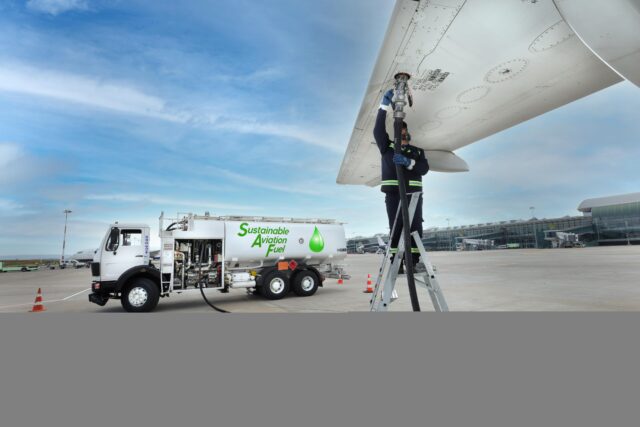
No conversation on aviation is complete without mentioning sustainability. Africa’s vast land mass, diverse feedstock availability and growing traffic make the continent a prime candidate for SAF development, stated Alawadi.
A study published by the World Wildlife Foundation shows the potential for South Africa to produce 3.2 to 4.5 billion litres of SAF annually – more than double the country’s domestic aviation fuel demand.
In Uganda, an International Civil Aviation Organization (ICAO)-led feasibility study confirmed strong SAF potential using agriculture and municipal solid waste feedstocks.
Meanwhile, Shell and Green Sky Capital recently signed an agreement for Egypt’s first commercial-scale SAF plant by 2037. It will produce 125,000 metric tonnes of SAF annually.
Feasibility studies have also been conducted in Kenya and Ethiopia, with Kenya exploring power to liquid pathways leveraging renewable energy.
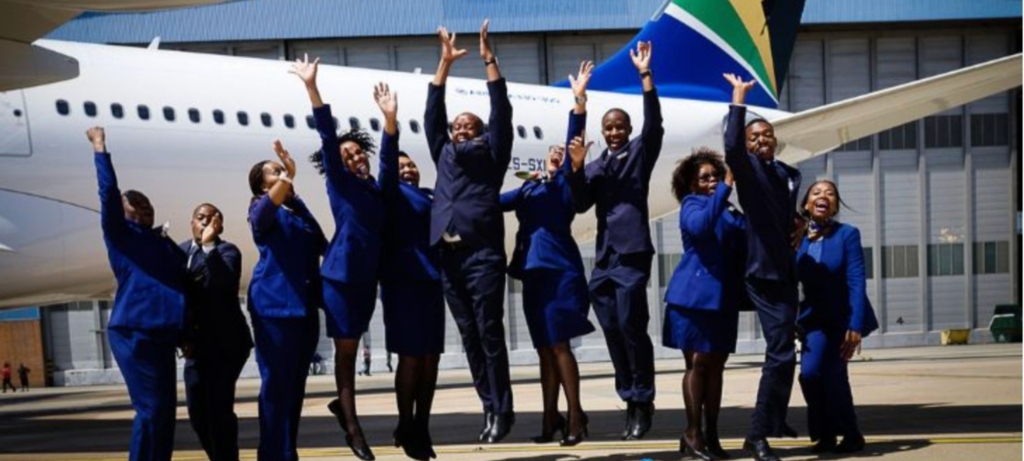
Alawadhi also highlighted IATA’s recent partnership with the Airline Association of South Africa (AASA), which aims to promote IATA’s CO2 Connect emissions calculator among AASA’s 16 member airlines and carriers across Africa.
“AASA is the first to throw its weight behind IATA’s CO2 connect. We welcome their strong support in helping onboard more African carriers that contribute fuel burn data, while also making this data available to passengers across the continent.”
African aviation’s huge potential
Despite the challenges, Africa’s aviation sector is forecast to grow around 6% in 2026, which is above the industry average. In terms of passenger numbers, IATA is forecasting 149 million passengers next year and a net profit from the industry of around $200 million. This equates to an average net profit of $1.3 per passenger.
“Despite the challenges, Africa has significant potential with its aviation market forecast to grow at 4.1% annually over the next 20 years, reaching 411 million passengers,” concluded Alawadhi. “This creates a massive opportunity for African aviation and the continent’s economic growth. To unlock it, we are focused on reducing block funds, making aviation more affordable and improving connectivity.”
Featured image: N509FZ / Wikimedia