Supply chain strife: Demand for aircraft & engines will outstrip supply until the 2030s

December 10, 2025
Global airline growth will remain severely constrained for the rest of the decade as aerospace supply chain bottlenecks continue to limit aircraft and engine availability, according to updated analysis released by the International Air Transport Association (IATA).
While manufacturers have begun to slowly increase deliveries in late 2025 and expect faster production in 2026, IATA says the gap between airline demand and aircraft supply will persist well into the 2030s, delayed by years of lost output, a record-high order backlog, and structural pressures across the aerospace ecosystem.
Record backlog, ageing fleets, and over 5,300 new aircraft deliveries delayed
IATA’s latest global outlook details the scale of today’s mismatch between supply and demand:
- Delivery shortfalls now exceed 5,300 aircraft, accumulated over the past five years.
- The global order backlog has surpassed 17,000 aircraft—roughly 60% of the active fleet—up from a historical norm of 30–40%.
- At today’s production rates, the backlog now represents nearly 12 years of output.
- Average fleet age has climbed to 15.1 years (12.8 years for passenger jets, 19.6 for freighters, 14.5 for widebodies).
- More than 5,000 aircraft remain in storage, at one of the highest levels on record, despite airlines facing a shortage of serviceable airframes.
The mismatch is so pronounced, IATA says, that a “normalisation” of supply and demand is unlikely before 2031–2034.

“Airlines are feeling the impact of the aerospace supply chain challenges across their business,” said Willie Walsh, IATA’s Director General. “Higher leasing costs, reduced scheduling flexibility, delayed sustainability gains, and increased reliance on suboptimal aircraft types are the most obvious challenges. Meanwhile, travellers are seeing higher costs from the resulting tighter demand/supply conditions.”
Walsh warned that airlines are missing opportunities to strengthen financial performance, reduce emissions, and improve service due to constrained access to new, more efficient aircraft and engines.
Production bottlenecks mount: engines, certification, labour, and geopolitics
The association highlighted a range of factors driving (and compounding) delays.
Airframe production has begun to accelerate, but engine output has not kept pace, constrained by ongoing issues with in-service engines, limited shop capacity, and extended maintenance timelines at engine overhaul facilities.
This has led to newly completed airframes sitting idle without engines.
IATA also points to certification delays, noting that certification cycles that previously took 12–24 months can now stretch to four or five years, particularly for new long-haul aircraft types. This extended timeline pushes out the entry-into-service date for new aircraft and complicates OEM production ramp-ups and airline fleet renewal plans.

The recent trade wars have also had a negative impact. IATA says that tariffs on metals and electronics tied to US–China trade frictions have worsened component shortages, increased maintenance costs and added pressure to fragile supply networks.
Labour is also strained with a persistent shortage of candidates qualified for skilled manufacturing—particularly in engine and component production—which limits the aerospace sector’s ability to scale.
IATA notes that many critical components rely on single- or near-single-source suppliers, creating vulnerabilities. Even minor disruptions now “balloon to significant production delays,” the airline association says.
Slower fuel efficiency gains and risks for cargo operations
The ageing fleet is also stalling progress on industry sustainability. Historically, airlines achieved 2.0% annual fuel-efficiency improvements. In 2025, that figure fell to 0.3%, with an expected 1.0% improvement in 2026 — still well below the target trajectories for net zero 2050 pathways.
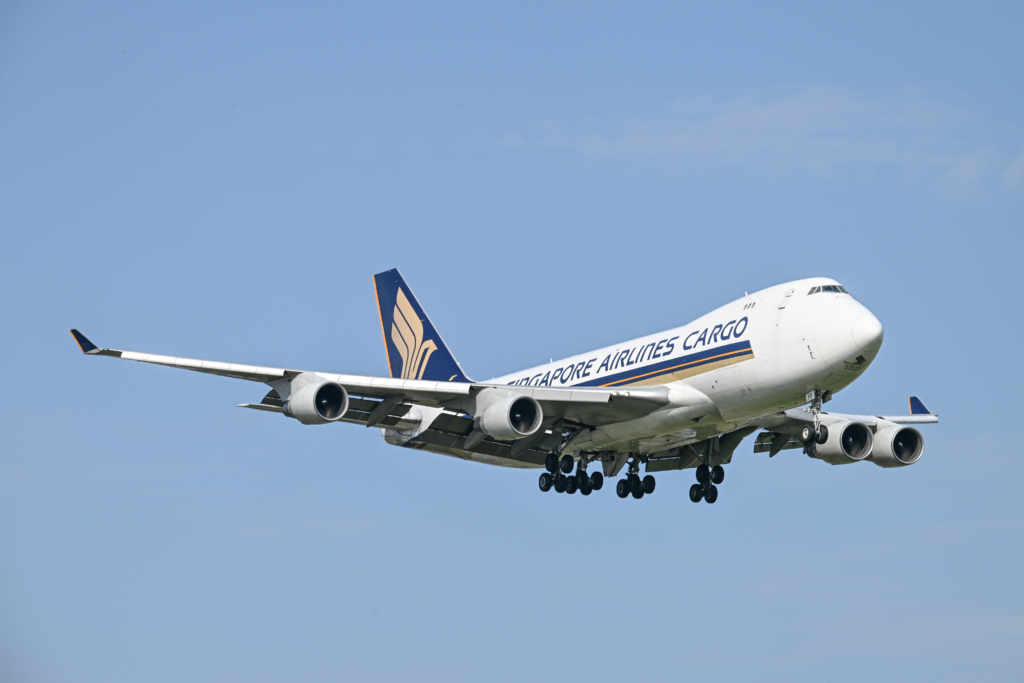
On the cargo side, IATA warns that passenger-to-cargo conversion-capable aircraft are scarce because airlines are keeping them in passenger service longer. At the same time, new-build widebodies face similar production delays as passenger aircraft. Airlines are keeping older freighters flying longer, but these are nearing “hard limits” of useful life.
The risk is a looming shortage of dedicated cargo capacity in the second half of the decade.
Supply chain issues had a $11 billion economic impact on airlines in 2025
A study conducted by IATA and Oliver Wyman estimates that supply chain bottlenecks will cost airlines more than $11 billion in 2025, driven by four main factors:
- Excess fuel costs – $4.2 billion
Airlines are operating older, less efficient aircraft for longer. - Additional maintenance costs – $3.1 billion
Ageing fleets require more frequent and expensive MRO work. - Increased engine leasing costs – $2.6 billion
Engine turnaround times are up; spare engine leasing has hit historic highs, and aircraft lease rates are 20–30% above 2019. - Surplus inventory holding – $1.4 billion
Airlines are stockpiling parts to hedge against unpredictable delays.
IATA proposes supplier transparency, alternative sourcing, and expanded repair capacity
To accelerate progress, the IATA–Oliver Wyman study outlines several pathways to improve the industry.
1. Modernise MRO access
- Reduce reliance on OEM-controlled licensing models
- Increase flexibility in sourcing materials, repairs, and alternative solutions
2. Improve supply chain visibility
- Enhanced data sharing across suppliers
- Early risk detection tools
- Predictive insights for bottleneck prevention
3. Leverage predictive maintenance and shared data platforms
- Better use of operational data
- Pooled spares
- Shared maintenance platforms to cut downtime and excess inventory
4. Increase repair and parts capacity
- Accelerate repair approvals
- Support more Used Serviceable Material (USM) options
- Adopt advanced manufacturing technologies, such as additive manufacturing, to ease parts shortages
What’s ahead in 2026: Production ramp-ups will help, but not soon enough
Aircraft deliveries are expected to grow in 2026, but IATA cautions that structural damage from years of under-delivery, along with continued engine constraints and certification slowdowns, will mean relief will be gradual.
With more than 17,000 aircraft on order and demand expected to rise across all major markets, the industry will face tight supply conditions for years, keeping pressure on airline cost structures and potentially leading to higher ticket prices. They will also limit airlines’ network flexibility and hinder progress toward sustainability targets.

As the airline industry prepares for 2026, it urgently needs a supply chain reboot, but implementing change in aviation takes time.
“No effort should be spared to accelerate solutions before the impact becomes even more acute,” Walsh said.
Featured Image: IATA