A $1 trillion year for aviation? IATA’s 2026 outlook suggests it’s within reach

December 9, 2025
The International Air Transport Association (IATA) has released its latest outlook for airline profitability in 2026, offering a broadly positive picture for the global industry.
With traffic now exceeding pre-pandemic levels and load factors at record highs, the global airline industry is set to remain firmly in the black next year despite geopolitical and supply-chain headwinds.
IATA had initially forecast that global airline revenues would surpass $1 trillion for the first time in 2025, but later revised that estimate downward as supply-chain constraints and delivery delays weighed on capacity.
In 2026, industry revenues are forecast to reach $1.053 trillion, putting the sector on the cusp of its first-ever trillion-dollar revenue milestone.
The IATA 2026 global airline profitability forecast
According to the forecast, airlines are projected to deliver a combined net profit of $41 billion in 2026, up from $39.5 billion in 2025. While this would mark one of the strongest financial years in industry history, the net margin remains at 3.9%, unchanged from 2025.
Net profit per passenger is expected to reach $7.90, slightly below the 2023 high of $8.50, but in line with 2025 levels.
Operating performance will continue to improve, IATA says. Operating profits are forecast to reach $72.8 billion in 2026, up from $67.0 billion in 2025, lifting the global operating margin to 6.9%.
Total industry revenues are expected to climb 4.5% to $1.053 trillion, with return on invested capital holding steady at 6.8%.
Load factors are forecast to reach 83.8%, a new record high, supported by strong passenger demand and continued aircraft shortages. Passenger numbers are expected to grow 4.4% year-on-year to 5.2 billion.
“Airlines are expected to generate a 3.9% net margin and a $41 billion profit in 2026. That’s extremely welcome news considering the headwinds that the industry faces,” said Willie Walsh, IATA’s Director General, pointing to supply chain bottlenecks, geopolitical risks and rising regulatory burdens.
Walsh added that while profitability is stabilising, margins still fall short of covering the industry’s cost of capital. He noted that for a sector supporting 87 million jobs and representing 4% of global GDP, returns remain underwhelming.
Air cargo volumes are set to rise in 2026
Air cargo is expected to post further gains, with volumes projected to rise 2.4% to 71.6 million tonnes in 2026. IATA highlights cargo’s resilience amid shifting trade patterns, including tariff-driven front-loading and surging e-commerce demand.
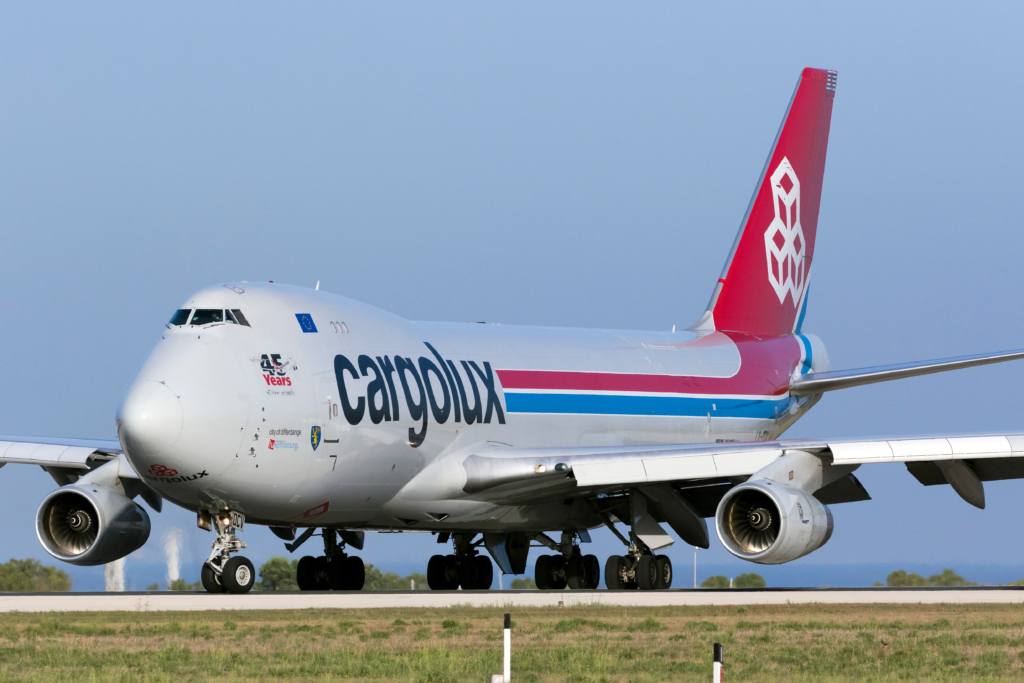
“As trade flows adapt to a protectionist US tariff regime, air cargo has been the hero of global trade,” Walsh said. Strong semiconductor and e-commerce shipments have helped the sector outperform earlier forecasts of contraction.
Cargo revenues are set to reach $158 billion, up 2.1% on 2025, with yields expected to remain broadly stable due to tight capacity.
Passenger revenue to grow as capacity remains constrained
Passenger ticket revenues are forecast to rise 4.8% to $751 billion in 2026. Revenue passenger kilometres (RPKs) are expected to expand 4.9%, while yields remain “largely flat”.
Load factors will continue climbing due to ongoing aircraft shortages, which are expected to persist as production capacity remains well below demand.
Ancillary revenues—now a defining feature of low-cost carriers and increasingly of full-service airlines—are projected to grow 5.5% to $145 billion, representing nearly 14% of total revenue.
Airline costs stabalise as fuel prices ease
IATA describes the 2026 cost outlook as “more balanced”. Fuel costs are expected to edge down to $252 billion, reflecting a projected fall in Brent crude to $62 per barrel.
Jet fuel prices, however, are set to decline only 2.4%, a reminder that refining constraints often decouple jet fuel from broader crude price trends. Fuel is expected to account for 25.7% of airline operating costs.

Fuel efficiency gains will remain modest at 1%, constrained by supply chain delays that are slowing new aircraft deliveries and pushing the average global fleet age beyond 15 years—the highest on record.
- Fuel consumption is forecast to rise 2.7% to 106 billion gallons.
- Sustainability costs will continue to climb.
- CORSIA compliance is expected to increase to $1.7 billion.
SAF purchases will add $4.5 billion in incremental cost, with expected global availability of 2.4 million tonnes, accounting for 0.8% of total fuel use.
Airlines face rising non-fuel costs as labour and maintenance burdens increase
Non-fuel costs are forecast to reach $729 billion in 2026, up 5.8% from 2025.
Labour remains airlines’ largest cost component at 28%, with wage growth still outpacing inflation amid tight labour markets. Productivity has yet to return to 2019 levels as rapid hiring creates training and operational bottlenecks.

Maintenance and leasing costs continue to rise due to ageing fleets, MRO capacity shortages and elevated lease rates as airlines seek lift to bridge delivery gaps.
Airports and ANSPs are expected to raise charges further in 2026, with IATA warning that regulators have not done enough to enforce cost-efficiency standards.
IATA forecasts that a weaker US dollar is expected to benefit non-USD-based airlines’ profitability and margins by reducing US dollar-denominated costs such as fuel, aircraft leases, and aircraft maintenance.
IATA estimates that 55% to 60% of global airline costs are denominated in US dollars, compared to 50% to 55% on the revenue side. Based on this, a 1% weakening of the US dollar against global currencies could lift global airline profits by 1% and improve operating margins by around 0.05 percentage points, says the forecast.
Opportunities and risks for airlines in 2026
A major challenge remains the widening gap between aircraft demand and production. Despite a planned rise in deliveries in 2026, supply chain constraints mean order backlogs will continue to grow, weighing on airline growth and financial performance.
IATA also points to the need for more proportionate regulation in Europe and warns that infrastructure constraints will persist, despite long-term US ATC modernisation plans.
Conflict-related disruptions—airspace closures, GNSS interference and politically driven rerouting—remain a significant drag on operational efficiency.
Overall, the industry looks to be entering 2026 in a stronger financial shape, with stable profitability, resilient cargo demand and near-record passenger volumes. Yet IATA’s message is clear: while headline profits are improving, margins remain thin, structural costs continue to rise, and global supply constraints will weigh on airlines well beyond next year.
Featured image: Markus Mainka / stock.adobe.com
.