How to become a pilot: Pathways to the flight deck in 2026

February 14, 2026
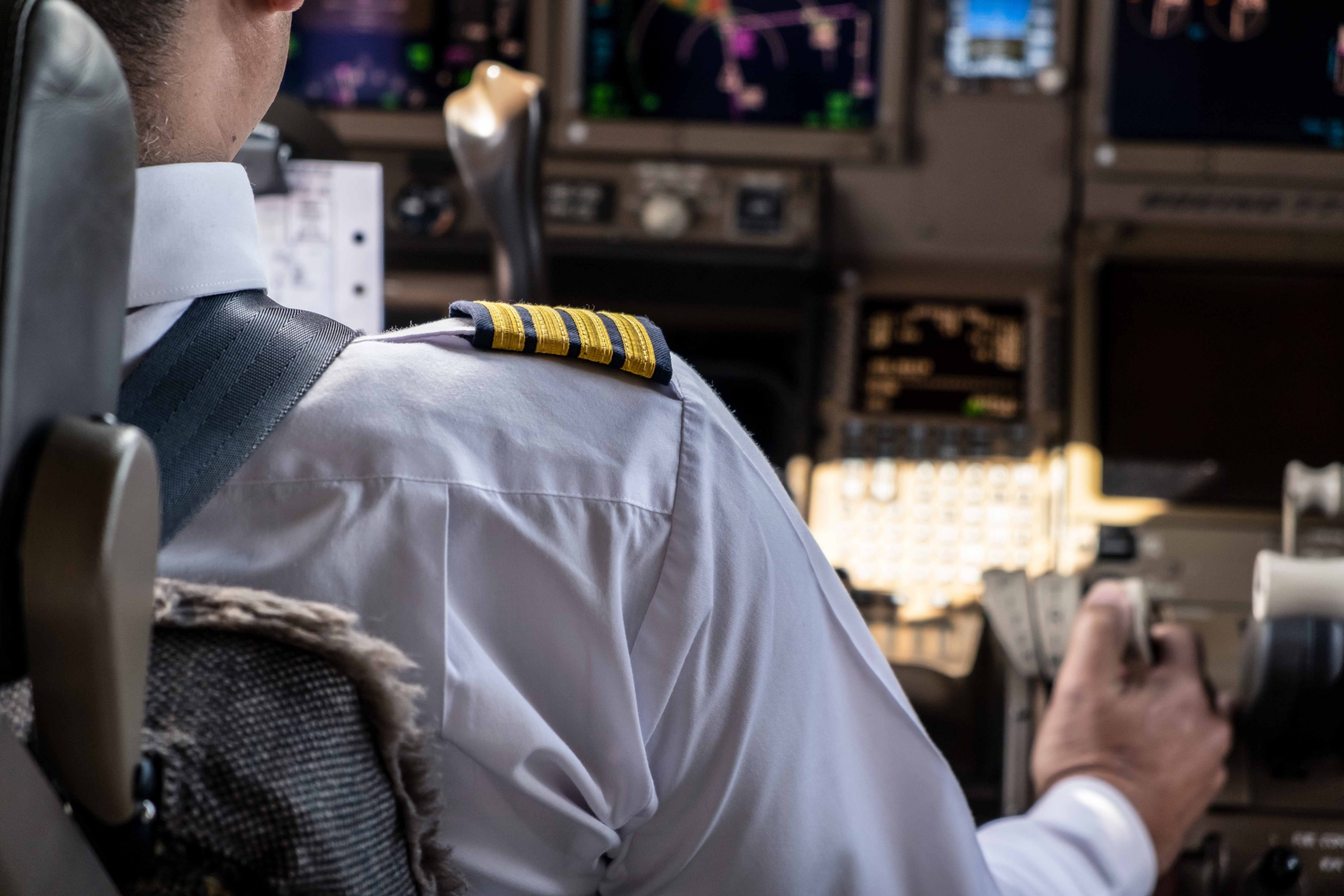
Becoming a pilot is a childhood dream for many, but the path to reach the flight deck as a cadet first officer can be prohibitively expensive and is filled with challenges which must be navigated.
For any budding pilot, it is important to remember that there are a multitude of routes to take to reach that goal, from airline-sponsored fast-track training programmes to modular routes that may involve flight instructing and hour building in light aircraft.
Another route may be through training with the military, with the possibility of conversion to a commercial flightdeck down the line.
What skills and qualifications do you need to become a pilot?
Balpa, the British pilots’ union, lists seven key skills and qualifications that are required for a future role as a pilot.
These include resilience and determination to succeed, which Balpa says is vital throughout the entire length of a career, which it says will be filled with “highs and lows” – from coping with intensive testing and the financial commitments to securing new promotions and passing key exams.
Balpa says candidates should also have the appropriate academic qualifications, namely good GCSE passes in core subjects, and personality traits such as being a team player and being willing and able to follow rules.
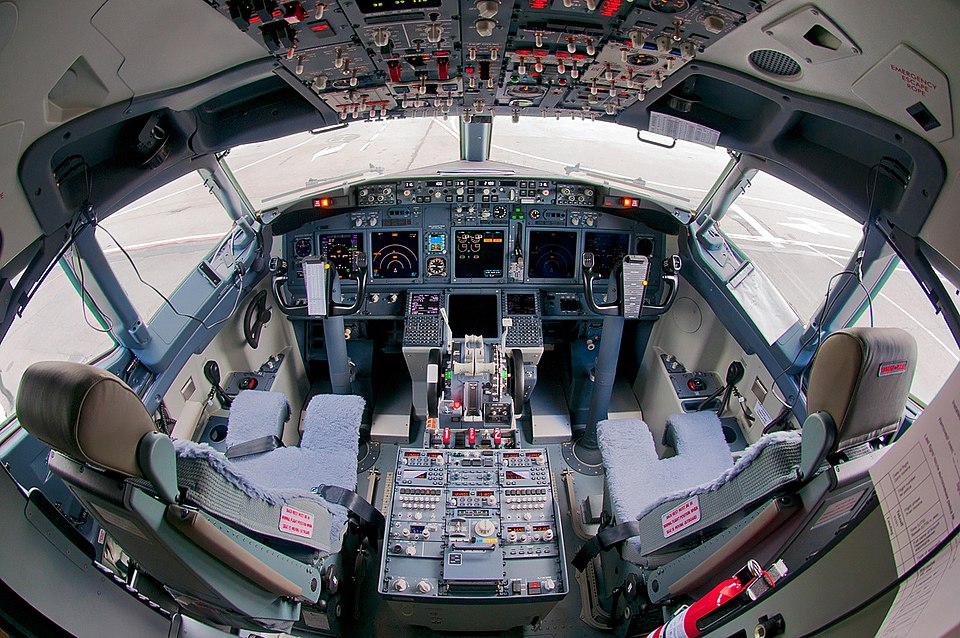
Tied to this are flexibility and decision making and management skills, which are important attributes both during the training process and once it is complete.
The union also advises would-be cadets to embark on the process with a clean criminal record – although not all crimes are a barrier to entry – and says applicants should be confident that security checks will be successfully cleared.
Lastly, Balpa says having a backup plan in the form of additional work or academic experience is sensible in case a downturn in the aviation industry puts the brakes on airline recruitment.
How do you become a commercial pilot in the UK?
There are two main routes to gaining a licence that would enable an immediate career in a commercial flight deck.
The first is an ATPL (Airline Transport Pilot Licence), which can be obtained via either the modular or integrated route.
Modular cadets are able to pick and choose the intensity and location of their training, meaning they can hold onto a part-time job or pause the training to facilitate other commitments they may have outside of aviation.

The training is carried out in stages, starting with the private pilot’s licence, then hour building, the instrument rating and the commercial pilot’s licence.
Modular training can be significantly cheaper, but it does require discipline and careful planning to ensure the training is completed within a satisfactory timeframe and standard.
The integrated training pathway is a more rigid course that is structured around key training milestones and requires cadets to be available for the training for the entirety of the approximately 18-24 months it takes to complete.

The benefit here is that most, if not all, of the training is done at a single approved training organisation (ATO), which has historically been favoured by airline recruitment departments since training report cards can be more easily obtained.
The other option is the MPL (Multi-Crew Pilot Licence), which is an airline-focused route that incorporates fewer hours flying light aircraft and more hours in the simulator of an air transport category-sized aircraft, such as the Airbus A320.
This is a much more targeted training route that prepares candidates specifically for a multi-crew operation with an airline, and is tagged to a specific operator with their SOPs.
While it is streamlined and can be cheaper than an ATPL licence, an MPL is not easily transferable, and the risk of being tied to a single airline must be considered.
Is joining the RAF a route to becoming an airline pilot?
Separate from the commercial training environment, military pathways to the cockpit offer an alternative to civilian flight schools.
However, the entry requirements stipulated by the Royal Air Force set the bar higher (although from a financial perspective, it is much more obtainable).

The maximum age on entry for the Direct Entry Pilot role is 23. There are additional specific Nationality and Residency criteria that must be met, with more stringent background checks, and cadets are expected to commit to a minimum of 12 years of service.
There is also a fitness test to be taken, which goes beyond the standard swimming requirement that airlines require.
RAF training offers fast-track experience and hours, which would make a transition to commercial flying viable if that were the end goal.
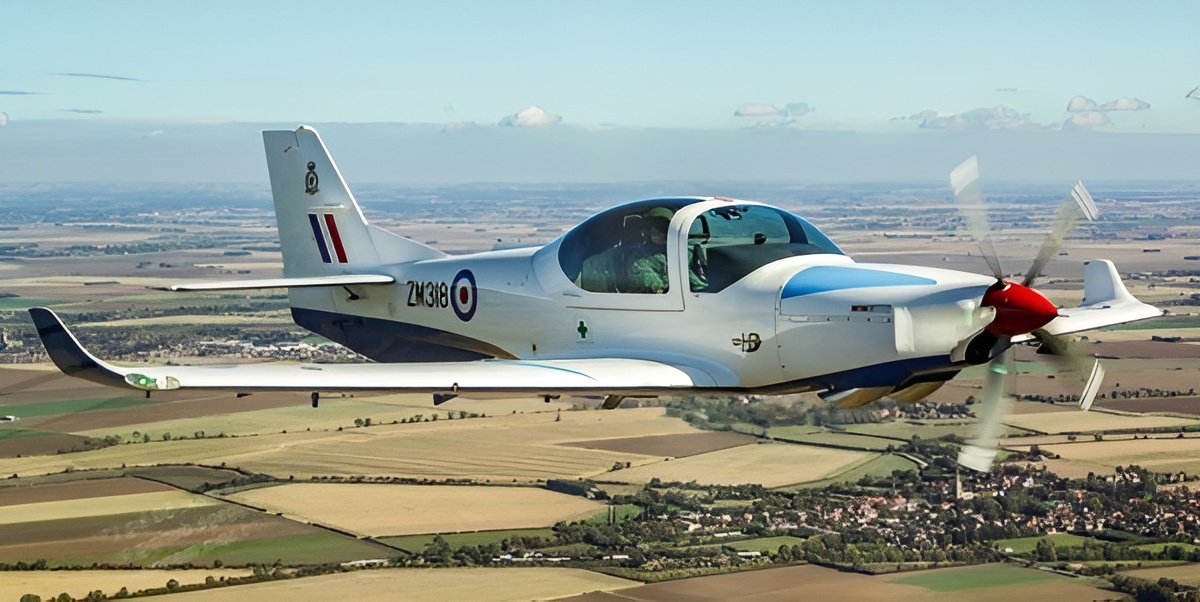
British Airways, for example, offers a Military Pilot Pathway with the possibility of joining either their short-haul fleet (with a minimum of 500 hours of flying time on any military type) or long-haul fleet (with 1,500 hours).
In a subsequent feature, we will look at the funding models available and which training pathways are partly or fully sponsored.
Which pilot training route is right for you?
Ultimately, the right training route depends on your circumstances, career ambitions, budget and appetite for risk.
Integrated programmes may suit those who want a structured, full-time pathway with clear milestones, while modular training offers flexibility for candidates balancing work or family commitments.
The MPL can provide a direct airline-focused route, but with less portability, and the military pathway demands a long-term service commitment and competitive entry standards.

Balpa advises prospective pilots to research every option carefully, speak to training providers and current cadets, and fully understand the financial and lifestyle implications before committing.
Training to become a pilot is a major investment, and taking time to choose the right route can make the difference between reaching the flight deck smoothly or facing costly setbacks along the way.
Featured image: stock.adobe.com