Germany edges toward FCAS exit as Italy invites it to join GCAP

December 8, 2025

As the new deadline for Germany and France to work out a solution for the FCAS 6th-generation fighter jet nears, more reporting suggests that the two countries are heading for a divorce. Italy is signalling its willingness for Germany to join GCAP, while the calls to terminate FCAS grow.
Italy says it is open to Germany joining GCAP
According to Euractiv, Italy has now signalled its willingness for Germany to join GCAP/Tempest. Italian Defence Minister Guido Crosetto told parliament on Thursday, saying “Germany could possibly join this project in the future.”
Interestingly, he added that Australia is also interested in joining GCAP.

“The more countries participate, the greater the critical mass in which to invest, the more bright minds can be brought together, the higher the economic return, and the lower the costs for us,” said Crosetto.
The UK previously indicated it is open to Germany joining in some capacity, while Japan is thought to be more hesitant. Japan has a more urgent need for the jet to enter service by 2035.
🚨 Italy ready to join GCAP if FCAS collapses
— Nicholas Concu (@NichoConcu) December 8, 2025
Guido Crosetto, Italian Defence Minister:
"The FCAS programme is now a failure. We have already spoken to Germany to understand if it is interested in joining GCAP" pic.twitter.com/3fLh9VJ8pO
It is unclear what a large, industrial participant, like Germany, would contribute to the GCAP programme. Worksharing has mostly been sorted amongst the three participants, and BAE Systems is already constructing the first demonstrator.
It should be noted that there is much more to 6th-generation fighter jets than just the manned fighter. It’s possible Germany could contribute more in other areas, like accompanying loyal wingman drones.
More German voices call for terminating FCAS
In Germany, the prevailing sentiment is that kicking the can down the road is not only a waste of millions but also time and opportunities.

According to reporting by German-language news outlet Harpunkt, giving in to France’s Dassault demands to surrender control of the programme would result in the end of fighter jet production in Germany.
On 3 December, the CDU/CSU parliamentary group’s rapporteur for the Air Force in the German Bundestag’s Defence Committee, Volker Mayer-Lay, stated in a press release that Germany needs to terminate FCAS.
“Trust between the participating governments and companies is severely damaged, so terminating FCAS is likely the only functional solution to the existing problems.”
The statement also said that a controlled withdrawal from FCAS would “not be a security policy risk.” Instead, the move would be an opportunity for a “genuine fresh start”. The release added that while the Franco-German friendship would survive this, the “German industry will not survive further delays.”
Der Berichterstatter der Unionsfraktion für die Luftwaffe im Verteidigungsausschuss des Deutschen Bundestages, Volker Mayer-Lay, sieht keine Zukunft für das europäische Kampfflugzeug-Projekt FCAS und verlangt deshalb die Beendigung des Vorhabens.https://t.co/fV9LO2Kg3H
— hartpunkt (@hartpunkt) December 3, 2025
Mayer-Lay stated that too little of the original vision remains, and instead of a constructive partnership, FCAS is now characterised by power struggles, gridlock, and national vanities.
AGN has previously reported that France and Germany are exploring continued cooperation on a future combat cloud, even if the FCAS programme falls apart.
What’s next for Germany after FCAS
Should FCAS fail, it is widely expected that France’s Dassault will go it alone and develop its own fighter jet, just as it did with Rafale.

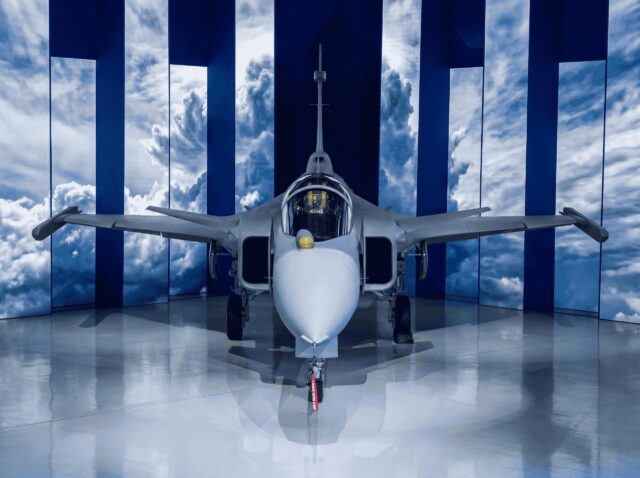
But there is more discussion on what Germany will do. Germany could join GCAP/Tempest. On the other hand, Mayer-Lay seemed to suggest the most promising European aero defence contractor for future cooperation is Sweden’s Saab.
The statement noted early negotiations between Saab and Germany’s Airbus gave “cause for hope,” adding “With Sweden, we have a partner ready that delivers without making loud claims to leadership – both technologically and politically.” Mayer-Lay stated GCAP is also an option.
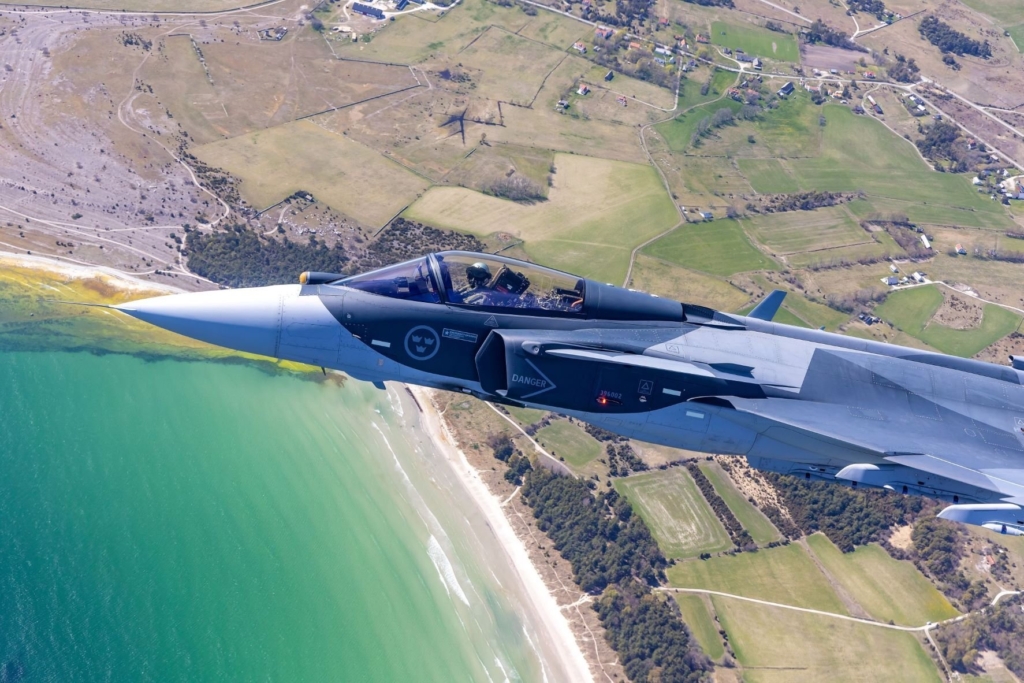
Industry experts have often said the European market is only large enough to support two next-generation fighter jets. With France producing its own, Britain and Italy producing GCAP, that means a future Airbus-Saab jet would be a third fighter.
For its part, Sweden has previously said it is continuing to research future fighter jet possibilities.
Featured image: Airbus