The German regional jet that failed to take off: What became of the VFW-Fokker 614?

February 22, 2026
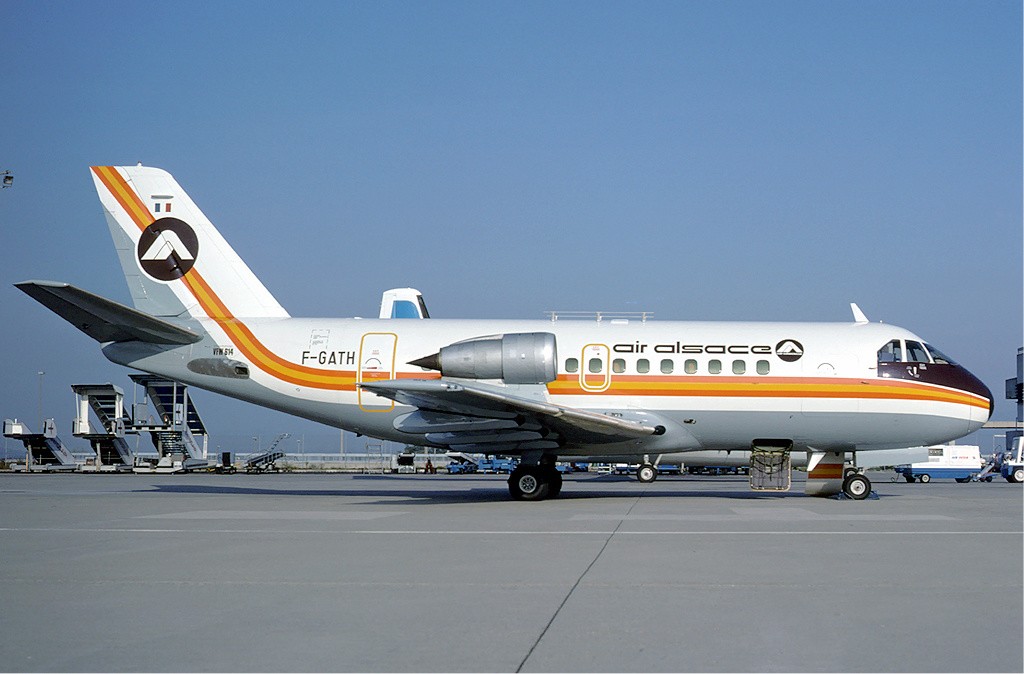
In the 1960s, as jet engines began to develop and countries clambered to jump on the bandwagon of the burgeoning technology, one of Europe’s first dedicated regional jets was developed to take the place of ageing propellers such as the Lockheed Electra and the Vickers Viscount, both types used extensively for regional airline travel across the continent.
However, the VFW-Fokker 614, proposed as a response to the surging demand for regional jet travel, failed spectacularly due to its poorly thought-out design and unfavourable economics. Aerospace Global News looks back at the VFW-Fokker VFW 614 and examines why this seemingly promising aircraft became an economic white elephant.
An early attempt at the regional jet market – introducing the VFW 614
The VFW-Fokker 614 (also known as the VFW 614) was a twin-engined regional jet that was developed by German-Dutch aerospace company VFW-Fokker. While East Germany had already earned some acclaim by developing its Baade 152 as Europe’s first passenger jetliner, it was West Germany that would attempt to steal a march in Western Europe with its VFW 614.
This unusually configured aircraft would become the first German-built civil aircraft manufactured in a decade, after the lifting of a manufacturing ban imposed on the country after the end of the Second World War. Until 1955, West Germany’s aircraft production had been limited to non-powered aircraft (gliders) only.
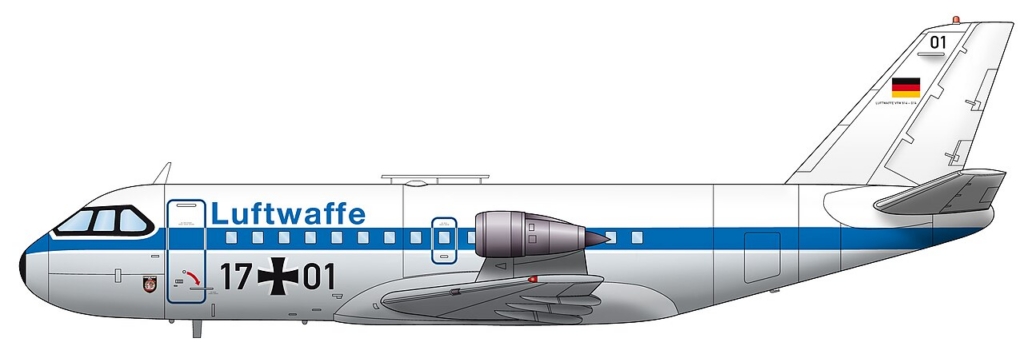
The VFW 614 was originally proposed during the early 1960s as the E.614, a pioneering design aimed at the 36 to 40 seat regional market by a consortium of West German aircraft companies.
This group of companies, with their complementary fields of expertise, decided to pool their resources and would later be reorganised under a single umbrella company – Vereinigte Flugtechnische Werke (VFW)
Originally designed to replace the wartime Douglas DC-3, the aircraft would seat a larger number of passengers than the DC-3 and travel significantly farther and significantly faster. It was also designed to compete with other new jet aircraft such as the American Douglas DC-9 and the British BAC-1-11.
Development history of the VFW 614
The VFW 614 was originally born in 1961 when a trio of West German aerospace companies proposed the E.614, a 36 to 40-seat jet aircraft powered by a pair of American-built Lycoming turbofan engines.
Following the consolidation of the West German aircraft manufacturing industry, the Vereinigte Flugtechnische Werke company, based in Bremen, launched its new model under the VFW 614 nomenclature.
Despite Lycoming soon abandoning its interests in the project, VFW decided to proceed in any event, later partnering with British company Rolls-Royce, which would provide the project with its own M45H turbofan engine.
Throughout the development of VFW 614, and embracing a novel concept at that time, the development of the type of prioritised quieter, cleaner operation so that the new type could operate from smaller city-centre airports without falling foul of local noise abatement procedures at these airports.
The Rolls-Royce engine was developed specifically for the VFW 614 and featured relatively low emissions and a relatively low noise footprint. Incorporating a new engine on a new airframe was considered a revolutionary approach for the time.
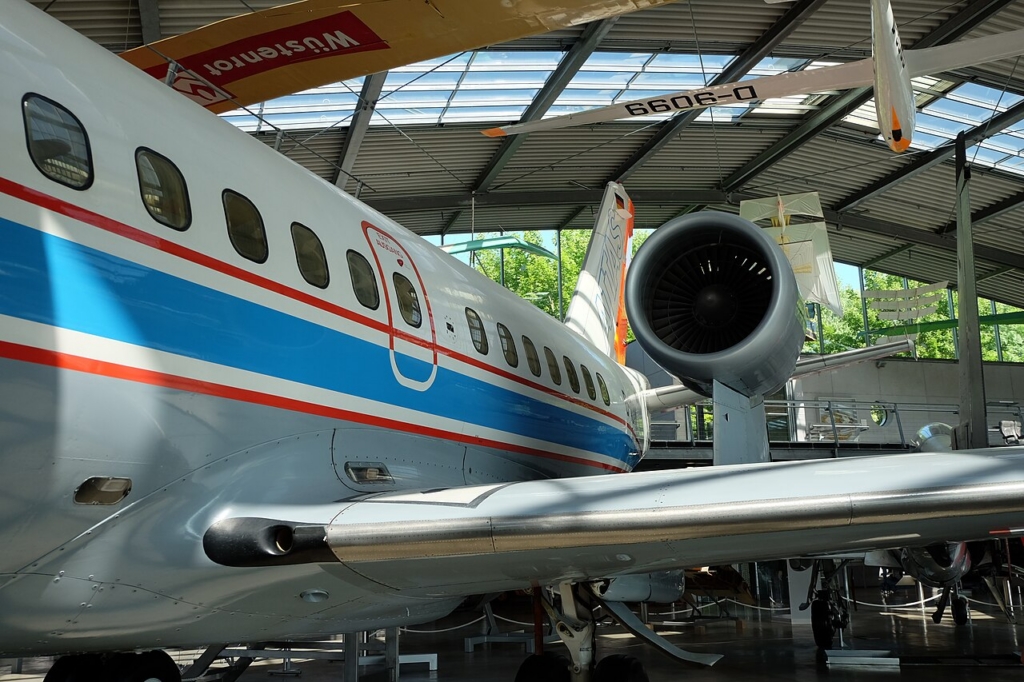
The unusual engine configuration, with engines mounted on wing-top pylons, compared to an under-wing position, also shielded people on the ground from intake noise during flyovers, reducing the noise footprint of the VFW 614 further.
Lastly, the engine position allowed the aircraft to feature a shortened and more robust undercarriage, allowing the type to operate from semi-prepared runways at remote regional airports.
The VFW 614 gets the green light for production to proceed
After several years of initial development, the VFW 614 project was finally given the green light in 1968. The go-ahead was approved after the West German government agreed to back the project, with around 80% of the necessary funding being guaranteed by the German authorities.
As the 1970s began, full-scale production of the VFW 614 began. By this time, VFW had merged with the Dutch aerospace company, Fokker, in a move that would see the formation of Europe’s first cross-border aircraft company and would pave the way for the formation of Airbus in the 1970s.
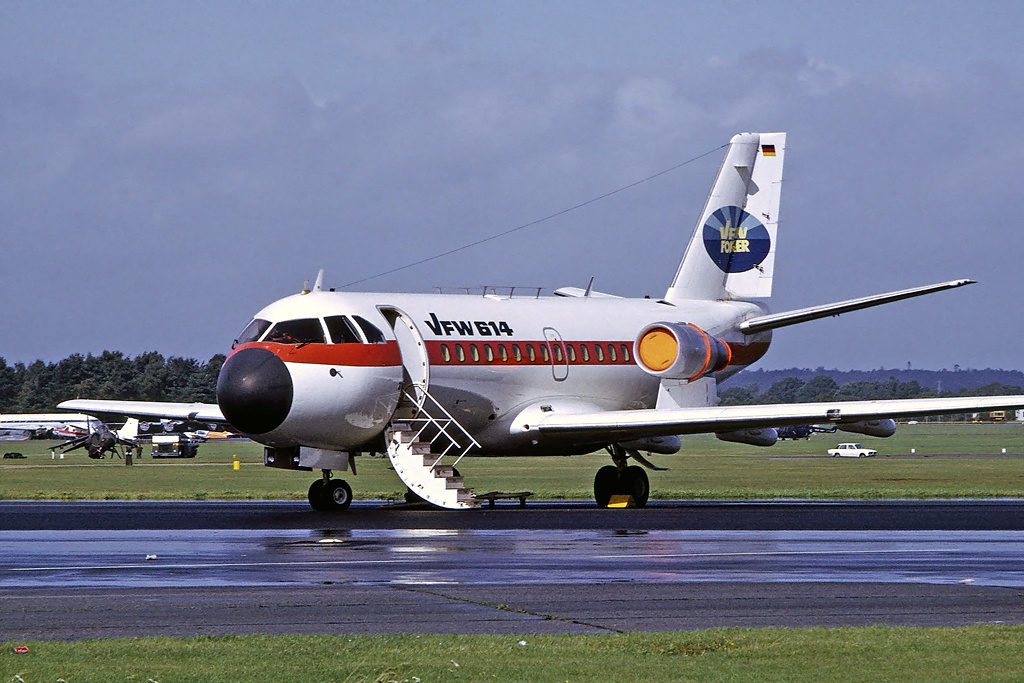
With Fokker onboard, a few key technical changes were made to the VFW 614. The T-tail configuration was replaced by a more conventional horizontal stabiliser design, along with several other design amendments to improve the aerodynamics of the new jet.
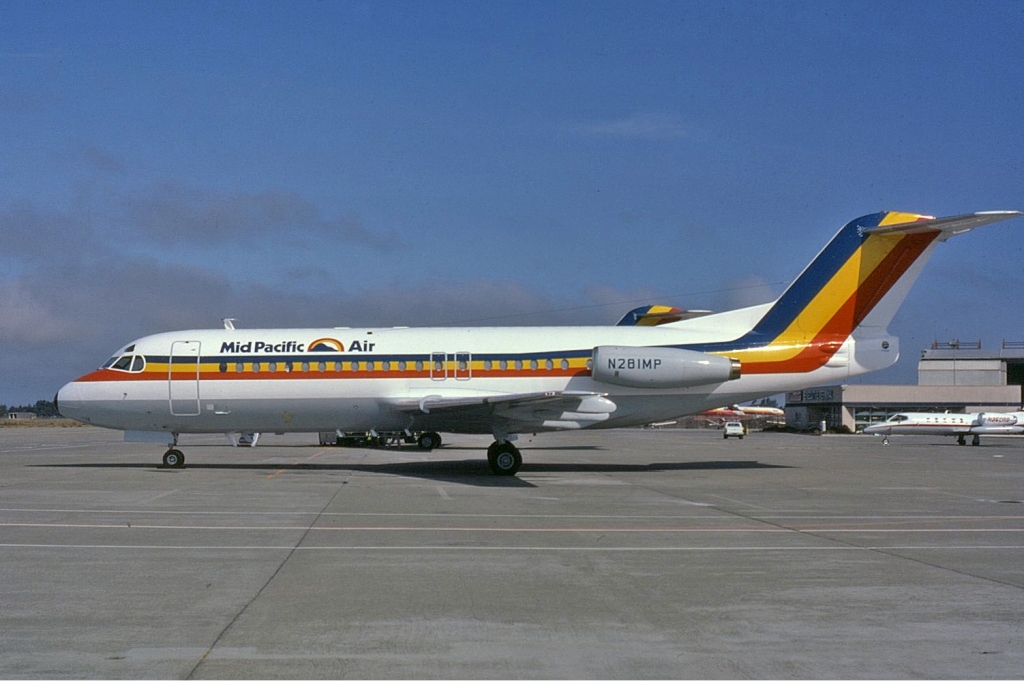
Curiously, this change was also made despite Fokker’s own regional jet project, the F28 Fellowship, being developed at the same time, which featured a T-tail along with rear-mounted engines.
Despite early differences between VFW and Fokker, the partners determined that final assembly of the VFW 614 would be carried out at the German consortium’s assembly line in Bremen.
At the time, the company’s estimates showed that there was a market for between 300 and 400 units worldwide (mirroring that of the F28), and production began in earnest thereafter. This was despite the VFW 614 having an inferior performance versus its Dutch counterpart.
On 14 July 1971, the first of three VFW 614 prototypes performed its maiden flight from Bremen. The first flight of the aircraft was also the first time that the Rolls-Royce engine had flown, having not previously been trialled on a flying test-bed. To get the aircraft certified more quickly, two of the three prototypes were sent to Spain for hot and high-performance trials.
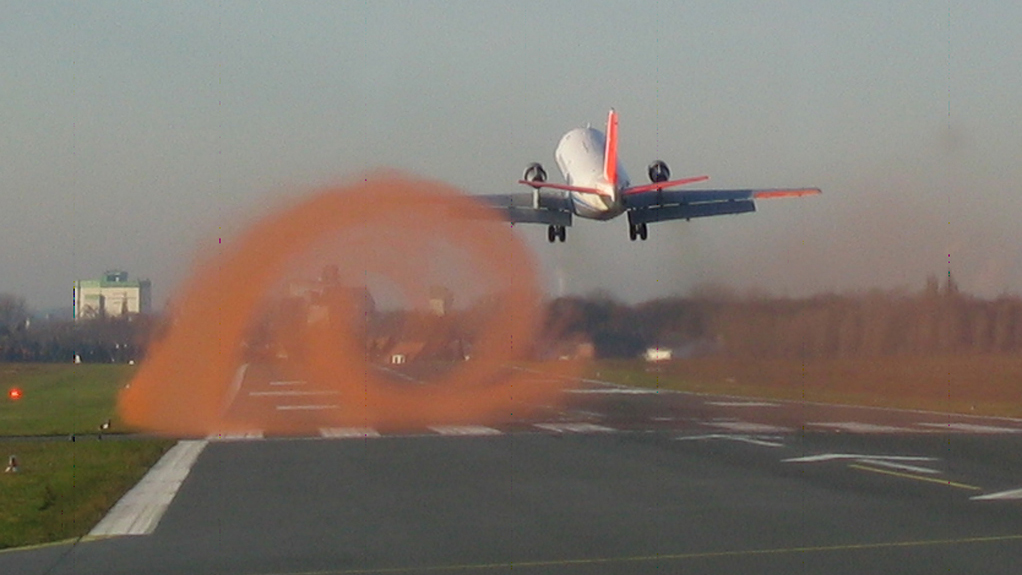
Once the 800-hour flight test mark had been achieved, the design was then frozen, allowing for the mass production of the VFW 614 to proceed, with the first ten units already earmarked for airline customers.
Development of the VFW 614 would hit a major obstacle in 1971 when Rolls-Royce declared bankruptcy after having overspent on the development of the RB211 engines that would power the upcoming Lockheed Tristar.
With the company bailed out by the UK government, this was just the start of troubles for the VFW 614. Sales of the new jet were sluggish at best, despite a huge marketing campaign, with few airlines showing any real interest in the type.
On 1 February 1972, the programme suffered a further setback when the first prototype of the VFW 614 was lost during a test flight. The accident was later attributed to an instance of elevator flutter leading to a loss of control. However, this event did little for customer confidence in the type and slowed down orders even more to almost nothing.
By the end of 1974, orders had been placed that would allow for 30 airframes to be completed initially, with other components being ordered that would allow for up to 50 planes to be built. Despite this, by February 1975, only ten aircraft had been ordered by airline customers.
In April 1975, the first production VFW 614 made its first flight and was later delivered to Danish regional airline Cimber Air in August 1975. This airline would order ten aircraft in total, but would only accept two into service.
The service history of the VFW 614
Despite the VFW entering commercial airline service, the writing was already on the wall for the type, with barely any further orders being placed. Ongoing disagreements and general disharmony between VFW and Fokker continued, fuelled in part by the latter company’s decision to proceed with the development of its own and far more popular F28 regional jet.
Allegations of the Fokker sales team pushing the F28 harder than the VFW 614 prevailed, along with a general refusal to market the VFW 614 against its own F28, which was drawing far more interest from airlines around the world by this point.
Adding to the woes of the VFW 614, German airline Lufthansa declined to order any examples, with the German government also failing to compel the carrier to order any to support the homegrown manufacturer.
The German airline’s failure to show any particular interest in the aircraft was said by many at the time to sound the death knell for the VFW 6154 project. If, after all, the home airline for the type showed little interest, then this was seen as anything but a glowing endorsement for the VFW 614.
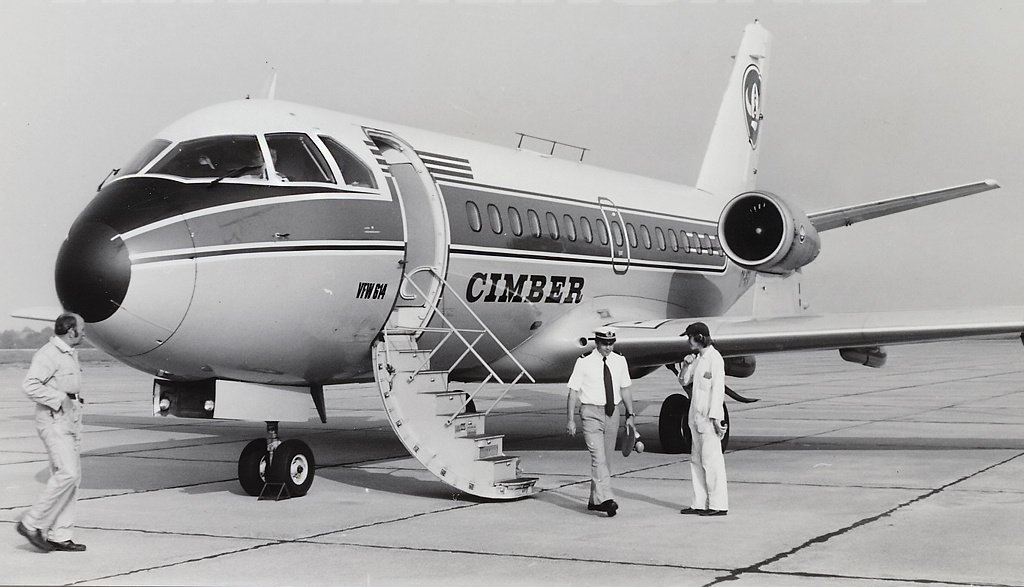
In all, only two of the ten ordered aircraft were delivered to Cimber Air, with another ten and two being delivered to French regional airlines TAT and Air Alsace, respectively. TAT would become the largest single operator of the type.
However, with a lack of ongoing technical support following the winding up of VFW in 1981, all remaining aircraft in commercial service were either withdrawn from use or handed back to VFW.
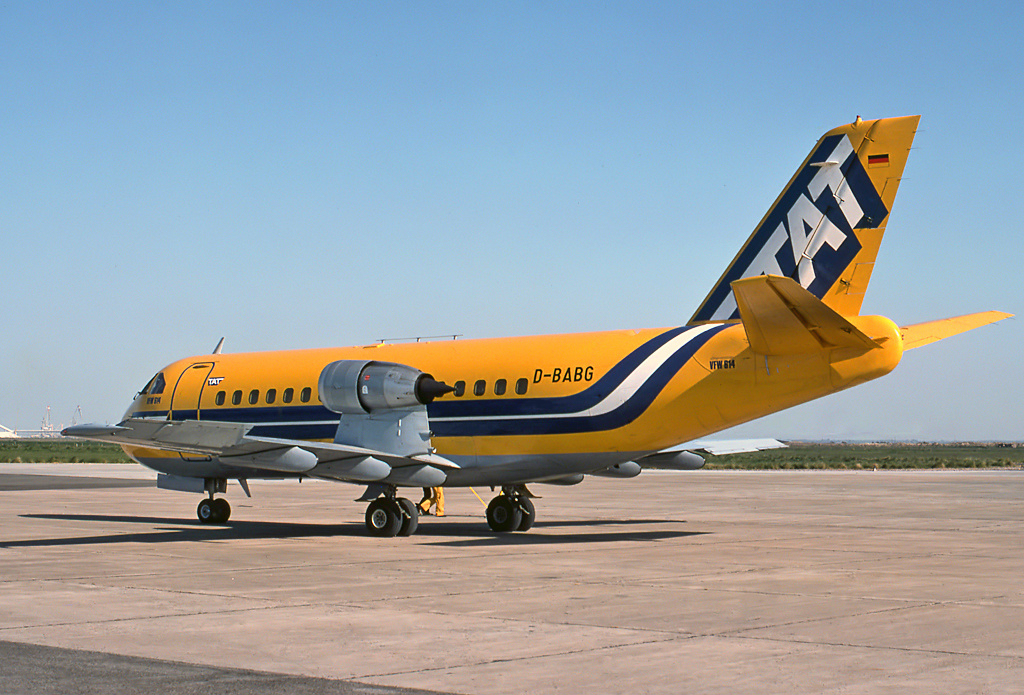
A further three were delivered to the Luftwaffe (German Air Force) to act as VIP transport aircraft. Even the aircraft delivered to these customers were reported to be prone to reliability issues with their Rolls-Royce engines.
Additionally, in-service economics of the aircraft that were delivered showed that the aircraft failed to live up to expectations and were more expensive to run than first forecast by VFW-Fokker, leading to the three airline customers for whom the aircraft had been developed using their fleets less and less.
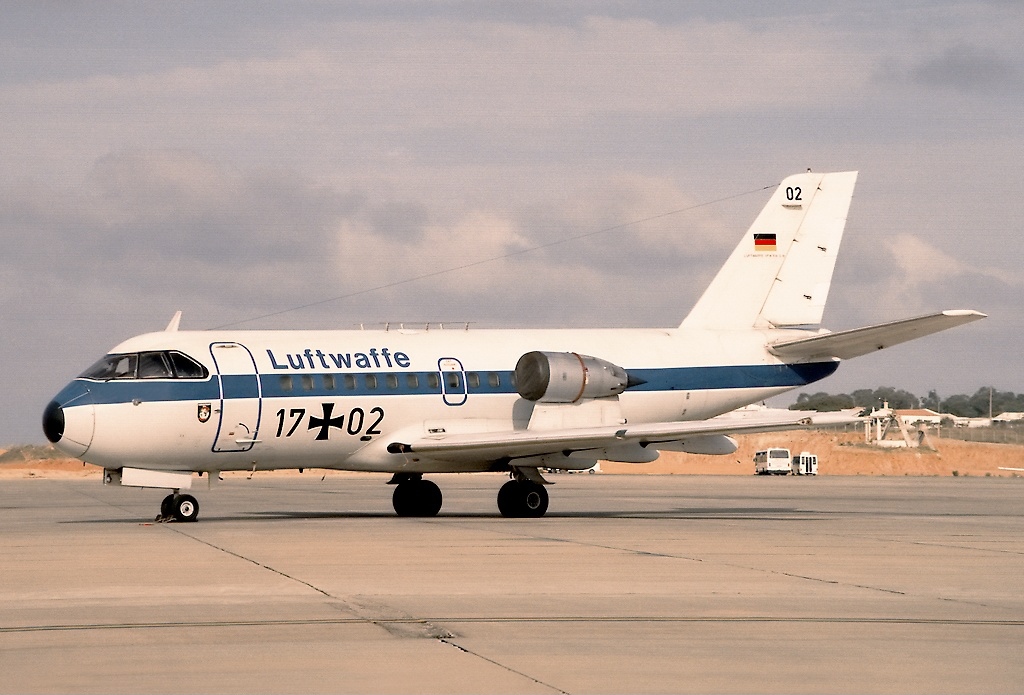
In addition to the 14 aircraft that were delivered to customers, three aircraft were flown but were never delivered, while four airframes were broken up before their completion.
The VFW 614 programme is cancelled due to a lack of sales
In 1977, and with no prospect of any further commercial sales, the VFW 614 programme was finally cancelled. The last unsold aircraft flew in July 1978.
Allegations were rife at VFW that their Fokker counterparts had let the VFW 614 programme fail in favour of its own F28 programme (which went on to sell 241 units before spawning the next generation Fokker 100 stretched variant).
It was also said that as the F28 programme took off and interest in the VFW 614 dried up, Fokker sales teams simply abandoned the latter to concentrate on their own much more successful plane.
With all of the airline variants of the VFW 614s withdrawn from service by 1981, and with VFW since wound up, only the German Air Force would continue operating any of the type, with the last being retired in 1999.
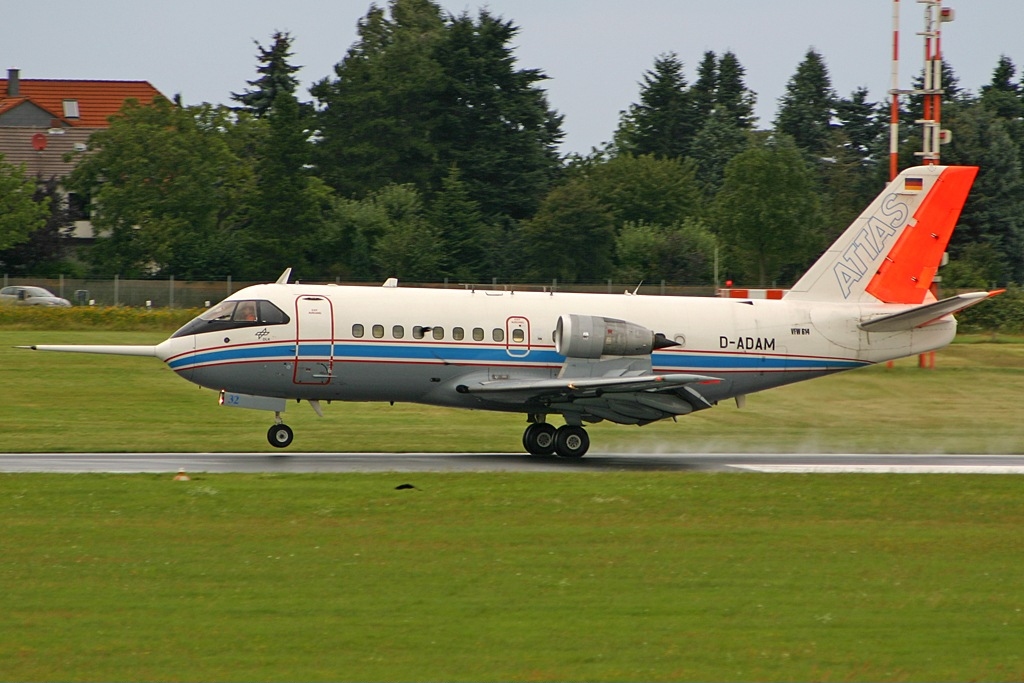
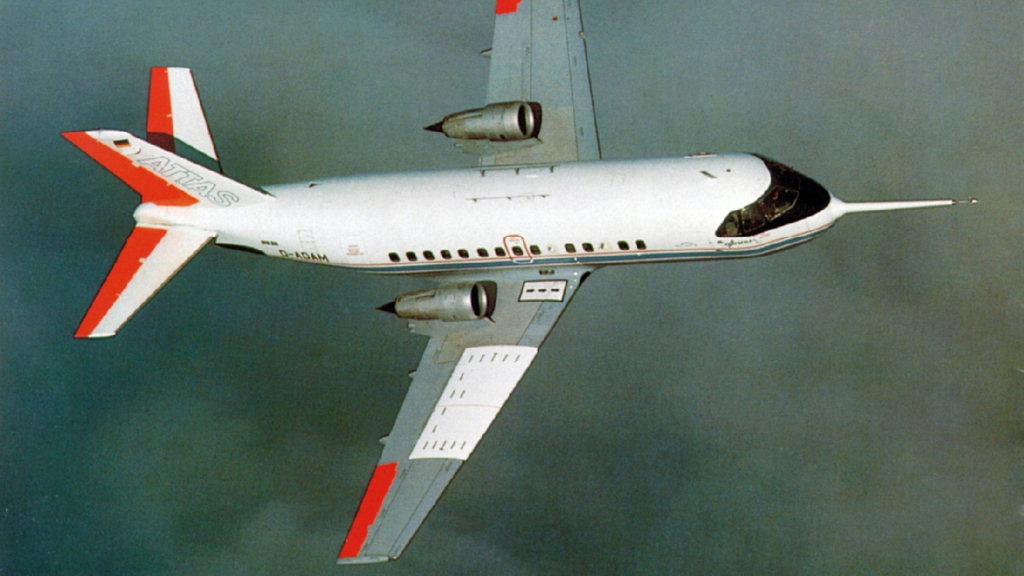
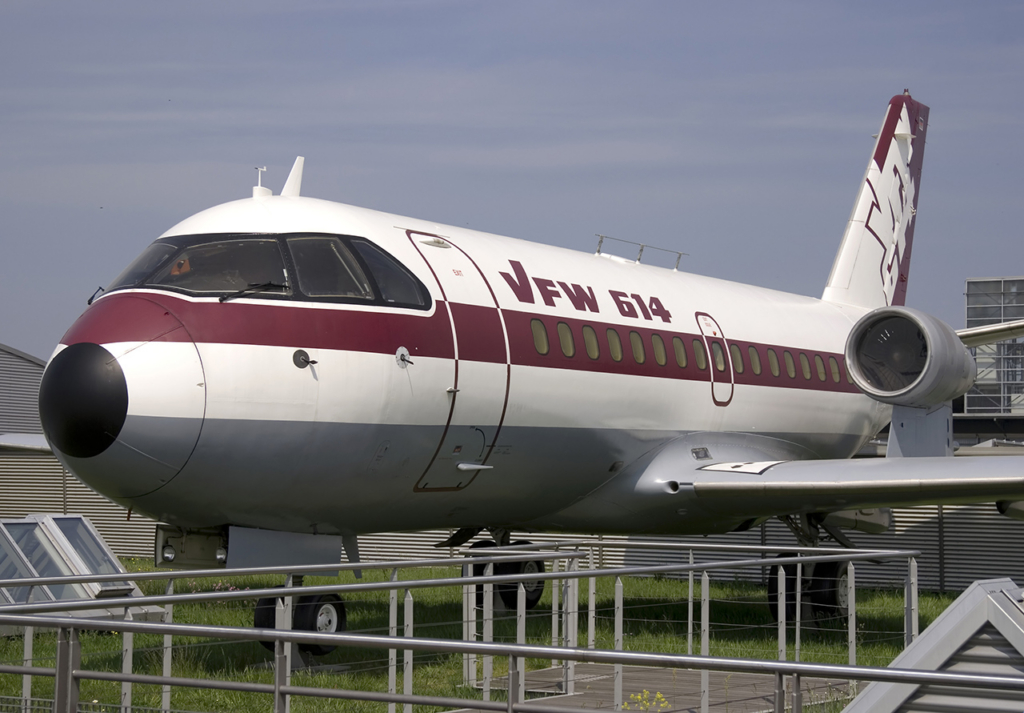
The last airworthy VFW 614 remained in use with the DLR (German Aerospace Centre) to act as its Advanced Technologies Testing Aircraft Systems (ATTAS) testbed. Having continued flying for DLR until December 2012, this aircraft (registered ADAM) was finally retired and subsequently placed on permanent display at the Deutsche Museum Flugwerft located in Oberschleißheim, Bavaria.
With that, the flying career of the ill-fated VFW 614 drew to an unceremonious close, rendering the unconventional European regional jet to the history books.
Featured image: Eduard Marmet / Wikimedia Commons