FAA investigates United Airlines near miss with Army Black Hawk in California

March 27, 2026
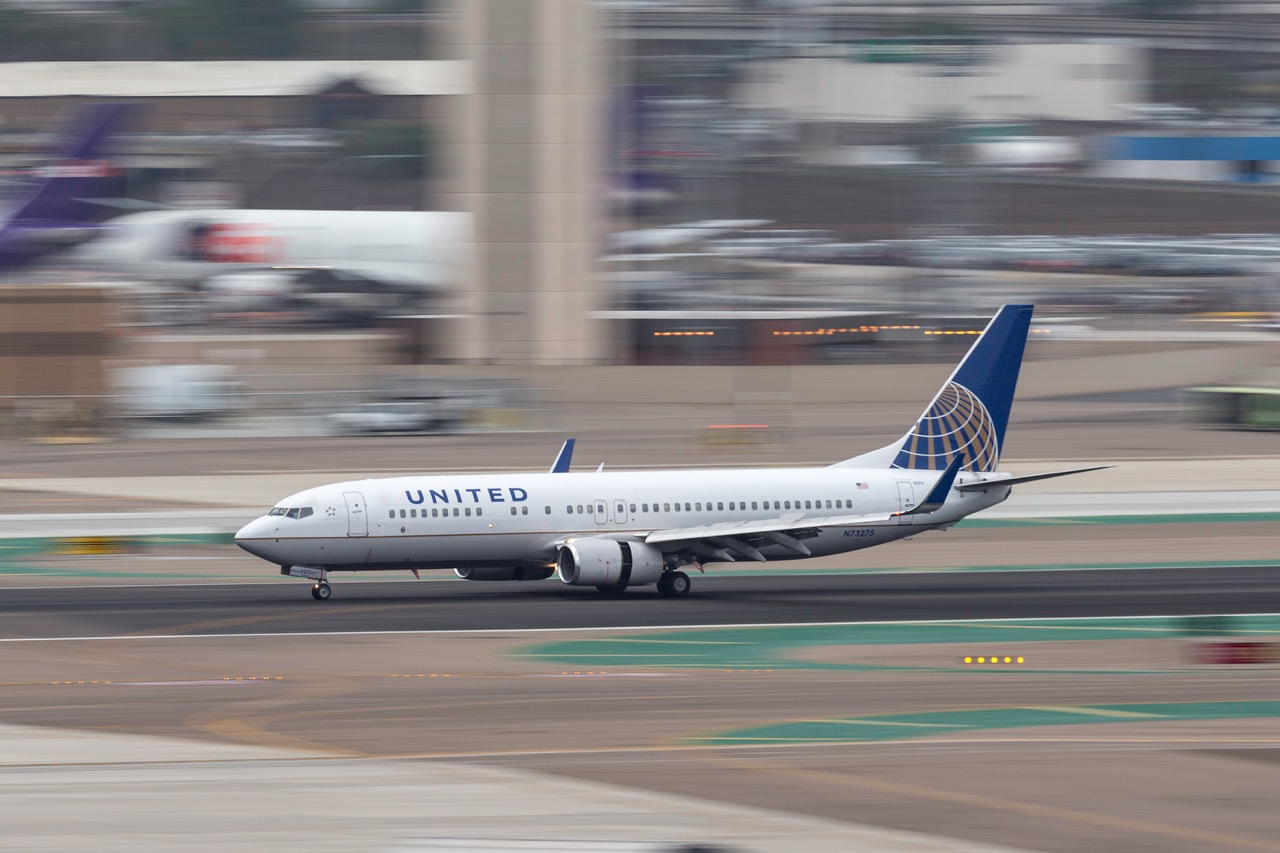
The Federal Aviation Administration (FAA) is investigating a near miss between a United Airlines passenger jet and a military helicopter during an approach to John Wayne Airport. Both aircraft continued safely after the encounter, and no injuries were reported.
United Airlines Boeing 737-800 comes within 525 feet of Sikorsky UH-60 Black Hawk
According to the FAA, the incident occurred on the evening of March 24 as the aircraft was preparing to land in Southern California.
“United Airlines Flight 589 was on approach to John Wayne Airport in Santa Ana, California, when a Sikorsky Black Hawk helicopter crossed in front of United’s flight path,” the regulator said in a statement.
“The FAA is investigating the event that occurred around 8:40 p.m. local time on Tuesday, March 24, including whether a new measure to suspend the use of visual separation between airplanes and helicopters was applied.”
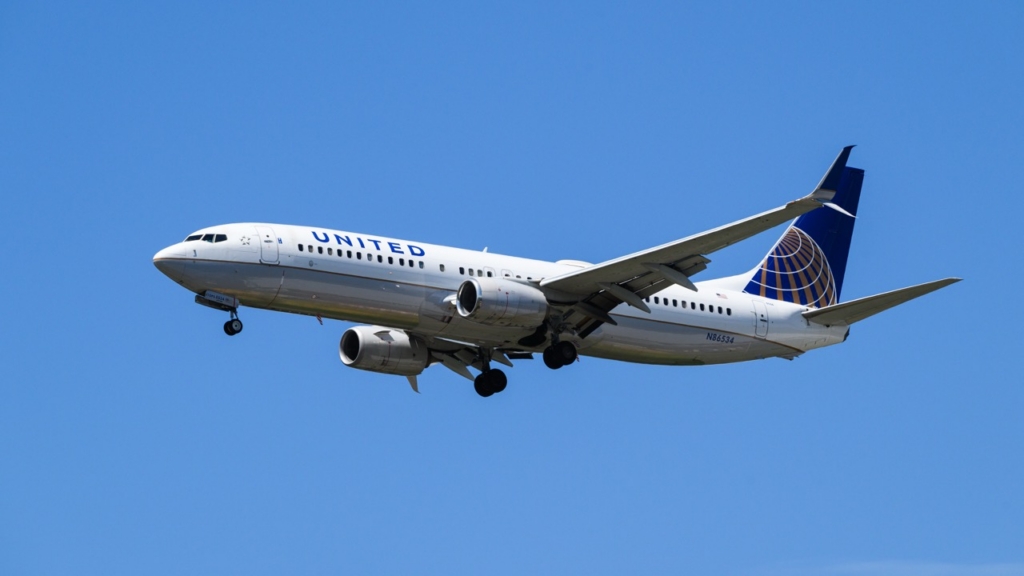
FlightAware data shows the United Airlines aircraft operating flight 589 was a Boeing 737-800, registration N76519. The flight departed from San Francisco Airport (SFO) at 19:07 and landed at 20:49.
The Sikorsky UH‑60 Black Hawk, registered as 17-20931, was operating for the US Army under call sign KNIFE25. It had departed from Long Beach Airport bound for an unspecified location.

Flightradar24 reports, according to its flight tracking data, that “the closest point between the two aircraft was 525 feet vertical and 1,422 feet lateral separation.”
The United crew received a Traffic Collision Avoidance System Resolution Advisory (TCAS RA) proximity warning and arrested the descent until the helicopter cleared its path, landing safely minutes later.
FAA examining new separation rule
The FAA said investigators will examine whether a recently introduced operational measure restricting the use of “visual separation” between airplanes and helicopters was applied during the incident.
Visual separation is a long-standing air traffic control procedure that allows pilots to maintain safe spacing from other aircraft when they are in sight. Instead of controllers enforcing standard radar separation distances, the pilot is responsible for keeping clear while remaining in visual contact.
The FAA recently moved to suspend or limit the use of this procedure in certain circumstances involving helicopters operating near busy commercial airports.
The change followed the fatal 2025 midair collision near Ronald Reagan Washington National Airport, which involved a regional jet operated by PSA Airlines, a regional carrier of American Airlines, and a Sikorsky UH‑60 Black Hawk helicopter operated by the US Army.

In the aftermath of that crash, the Federal Aviation Administration issued new operational guidance intended to reduce the risk of conflicts between helicopters and commercial aircraft operating in the same terminal airspace.
Under standard radar separation rules, aircraft are typically required to remain at least 1,000 feet vertically or three nautical miles laterally apart. Visual separation can allow aircraft to operate closer than those limits if pilots maintain constant visual contact.
Investigators will review radar data, flight tracks and air traffic control communications to determine how the aircraft came into proximity and whether the new restrictions were followed.
Military helicopters often share airspace with commercial flights
Military and law-enforcement helicopters frequently operate in the same airspace as commercial flights around major airports, particularly during training or transit missions.
Air traffic controllers manage those movements using altitude restrictions, routing instructions or separation procedures to keep aircraft safely apart.
The FAA investigation will focus on the helicopter’s flight path, the air traffic control instructions issued to both aircraft and whether the updated separation procedures were applied.
The agency has not yet indicated when preliminary findings from the investigation could be released.
Featured Image: Ryan | stock.adobe.com