FAA mandates radar separation for helicopters and aircraft after fatal Washington DC mid-air collision

March 20, 2026
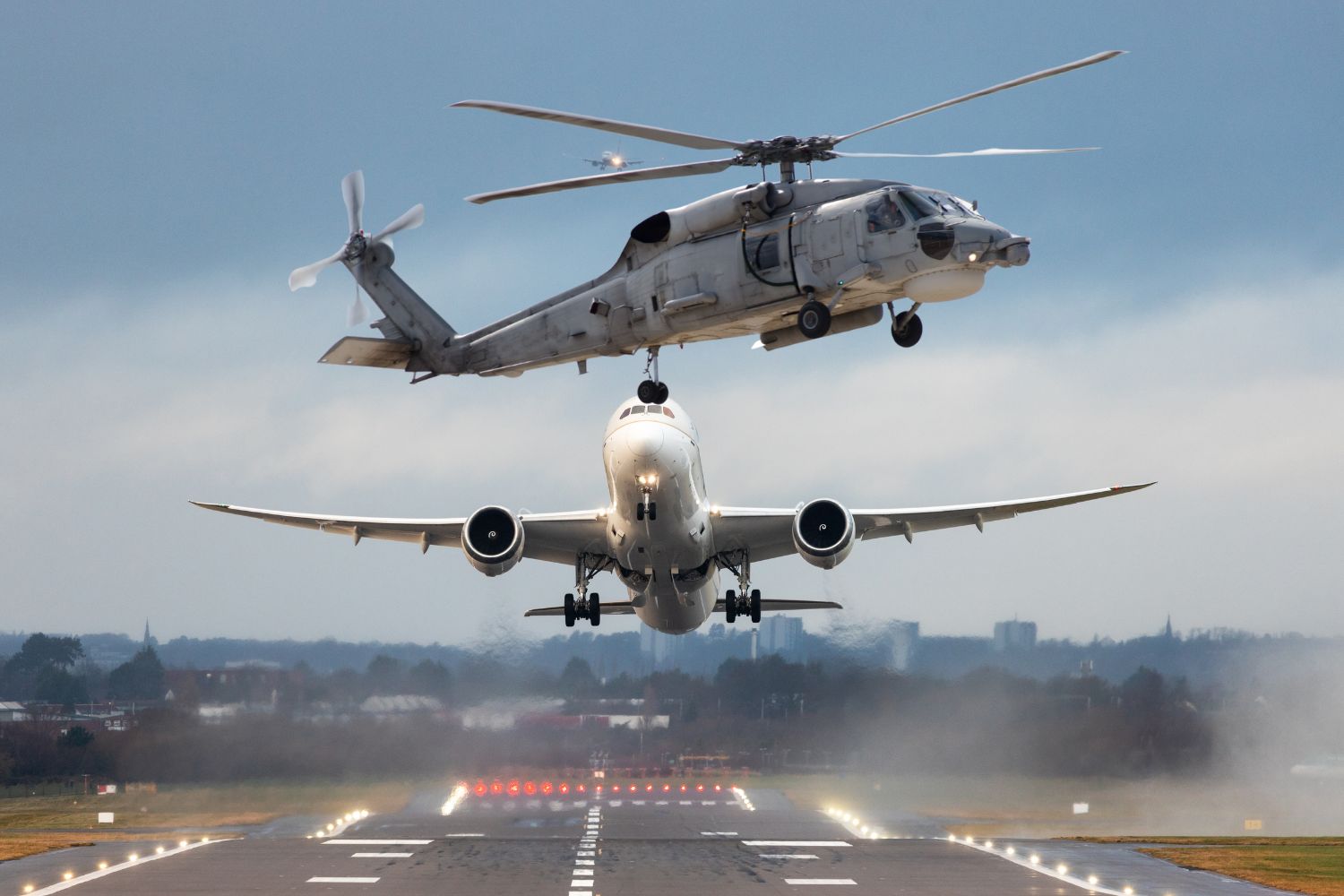
US aviation regulators have ordered air traffic controllers to actively separate helicopters and fixed-wing aircraft using radar in busy airspace, following last year’s fatal mid-air collision over Washington, DC.
The Federal Aviation Administration (FAA) has suspended the use of visual separation in high-traffic zones, requiring controllers instead to maintain defined lateral or vertical distances between aircraft.
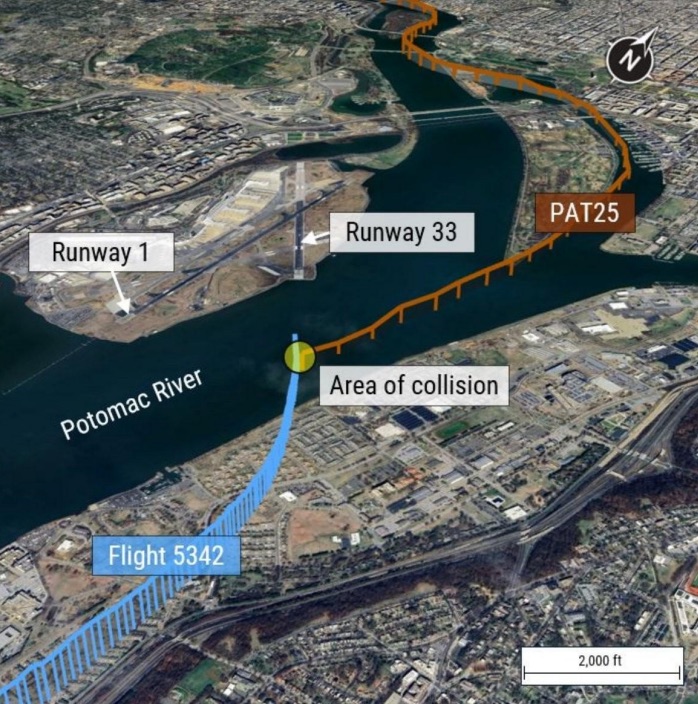
The change comes after the January 2025 collision near Ronald Reagan Washington National Airport, where a PSA Airlines Bombardier CRJ700 and a US Army UH-60 Black Hawk helicopter collided over the Potomac River, killing all 67 people on board.
Washington crash forces FAA to overhaul helicopter separation rules
The accident prompted a close examination of how aircraft and helicopters share airspace near major airports.
Investigators found that helicopter routes had been operating close to established approach paths, placing different types of aircraft on intersecting tracks in already congested skies.

The inquiry also highlighted the demands placed on controllers managing mixed traffic, particularly in environments where civilian and military operations overlap. In such conditions, the margin for error narrows quickly.
For regulators, the findings exposed a vulnerability in how separation was being managed in some of the busiest parts of the national airspace.
FAA mandates radar separation for helicopters and aircraft
Under the new directive, controllers will no longer rely on pilots to keep other aircraft in sight and remain clear of them in Class B and Class C airspace, as well as Terminal Radar Service Areas.
Instead, radar will be used to ensure aircraft remain safely spaced at all times.
FAA Administrator Bryan Bedford said a review of operations following the Washington crash showed that visual separation was not providing sufficient protection in areas where helicopter traffic regularly crosses airline flight paths.

“Today, we are proactively mitigating risks before they affect the travelling public,” said Bedford. “Following the mid-air collision…, we looked at similar operations across the national airspace. We identified an overreliance on pilot ‘see and avoid’ operations that contribute to safety events involving helicopters and airplanes.”
The updated procedures are intended to standardise how separation is applied in complex airspace, reducing reliance on pilot judgement in situations where visibility, workload or traffic density can affect outcomes.
Near misses highlight risks in mixed helicopter and aircraft traffic
The FAA’s decision follows several recent incidents that underscored the risks of mixed traffic operations.
In February, an American Airlines aircraft approaching San Antonio International Airport came into conflict with a police helicopter crossing its flight path. The helicopter altered course at the last moment to avoid the jet.
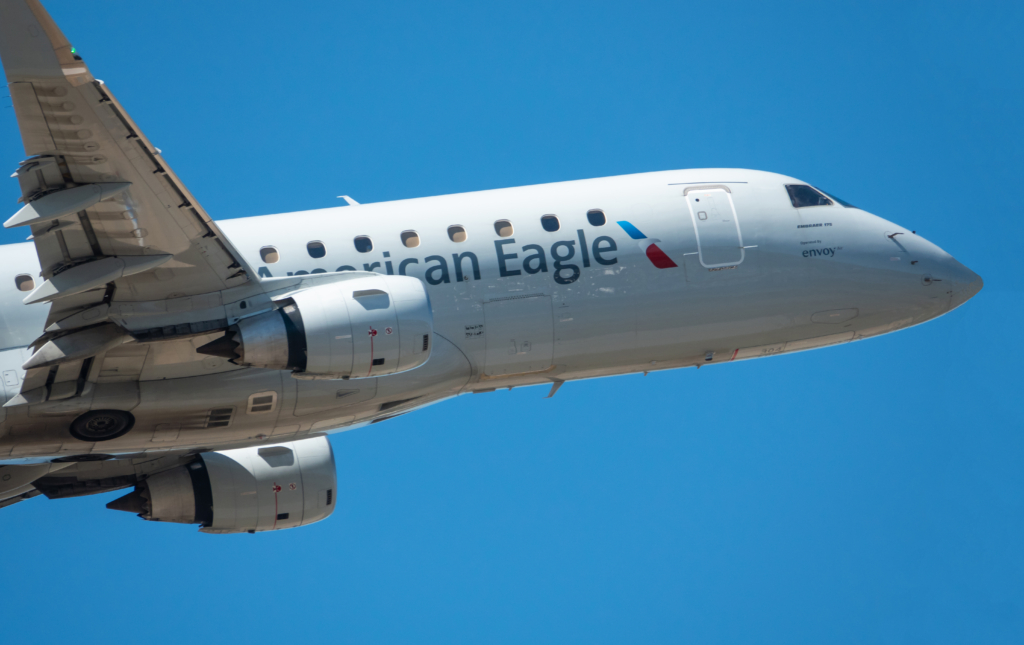
A similar incident occurred near Hollywood Burbank Airport in California, where a Beechcraft 99 and a helicopter converged near the final approach path before the helicopter manoeuvred away.
While both situations were resolved without incident, they highlight how quickly aircraft can end up on conflicting trajectories in busy airspace.
Washington airspace reforms rolled out nationwide by FAA
In the months following the Washington crash, the FAA introduced a series of measures around the capital’s airspace, including restricting helicopter routes and increasing separation between rotary-wing and fixed-wing operations.
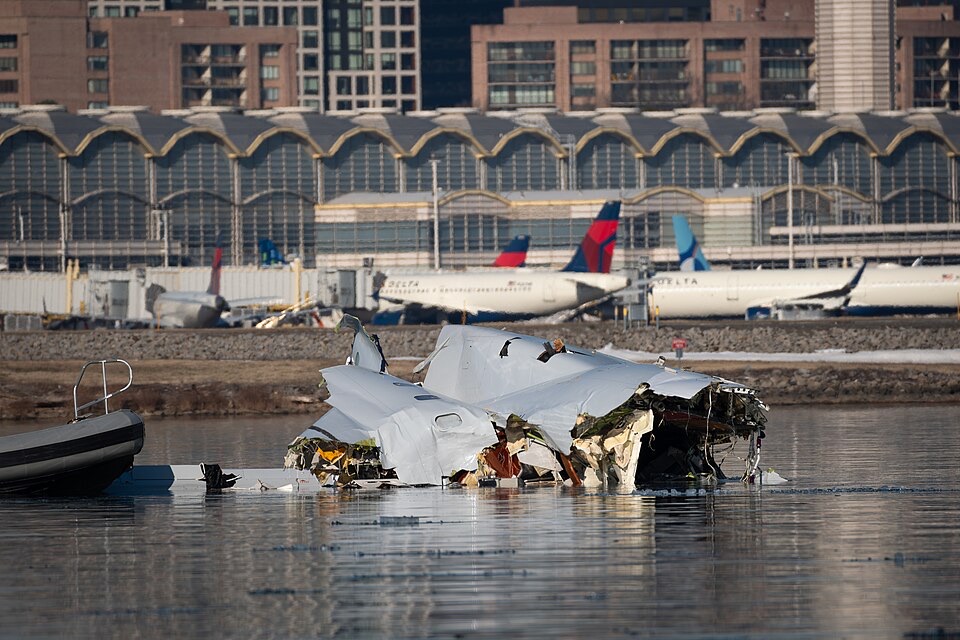
Procedures were revised not only at Reagan National, but also at nearby Washington Dulles and Baltimore/Washington International airports, where similar traffic patterns exist.
The latest directive extends those lessons nationwide, particularly to airports where helicopters frequently transit arrival and departure corridors.
ROTOR Act fails in House after Washington crash safety push
The US House of Representatives on February 24 failed to pass the Rotorcraft Operations Transparency and Oversight Reform (ROTOR) Act, an aviation safety bill designed to mandate enhanced aircraft tracking technology in the wake of the 2025 midair collision over the Potomac River that killed 67 people.
Despite clearing the Senate unanimously in December and securing 264 votes in favour in the House, the bill fell short of the two-thirds majority required under suspension of the rules. A total of 133 members voted against it, derailing what many had expected to be a swift passage to the President’s desk.
The legislation would have required most aircraft operating in controlled airspace to be equipped with Automatic Dependent Surveillance-Broadcast In (ADS-B In) technology, allowing pilots to see the precise location of other aircraft in real time.
Investigators have said such equipment could have provided critical warning ahead of the mid-air collision.
New rules set to reshape helicopter access to busy airspace
The shift to radar-based separation is likely to affect how helicopters operate near major airports.
Operators who previously relied on rapid clearances to cross controlled airspace may face delays or be required to follow revised routing while controllers sequence them safely around other traffic.
The Department of Transportation said that while urgent missions such as medical or law enforcement flights will still receive priority, accommodating them may temporarily disrupt airline operations.
Growing traffic complexity challenges US airspace safety
The FAA’s move reflects a broader effort to adapt air traffic management to increasingly complex operating environments.
Airspace around major cities now handles a mix of commercial, military and rotary-wing traffic, often within limited geographic areas. As volumes increase, maintaining safe separation has become more demanding.
The Washington accident brought that challenge into sharp focus, prompting regulators to reconsider practices that had long been considered sufficient.
By moving to radar-based separation in high-traffic areas, the FAA is aiming to ensure that aircraft remain safely spaced without relying on last-minute avoidance.
For the FAA, the change marks a shift from reactive adjustments to more structured control of mixed airspace operations.
The agency has already begun using data-driven tools to identify other locations where similar risks may exist, with further safety measures expected as those assessments continue.
Featured image: stock.adobe.com / AGN